Manufacture
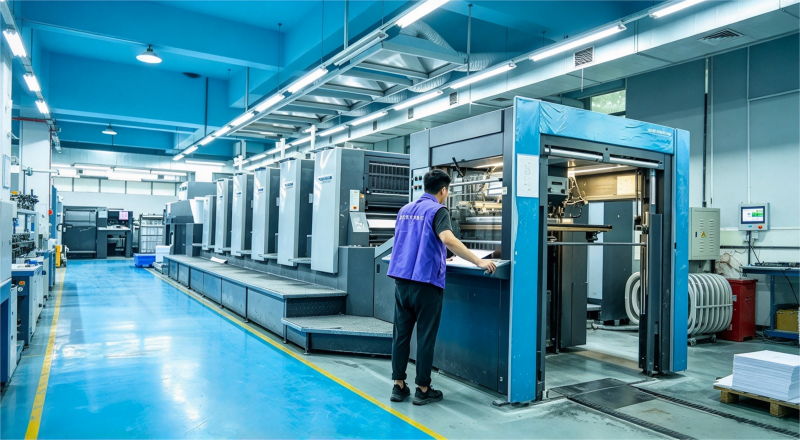
Explore our packaging factory, production equipment and rigid box manufacturing operations.
Explore Manufacturing
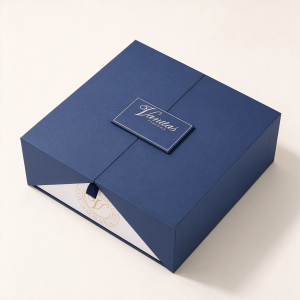
 Folding Rigid Boxes
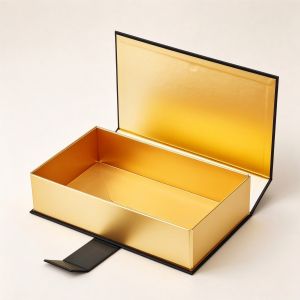
Space-saving rigid packaging designs.
 Packaging Tube Boxes
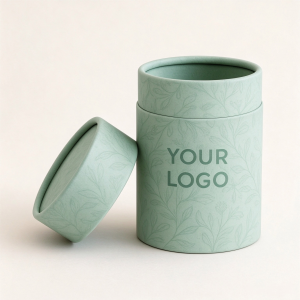
Distinctive cylindrical paper packaging.
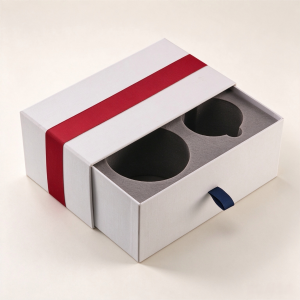 Drawer Boxes
Elegant sliding drawer box structures.
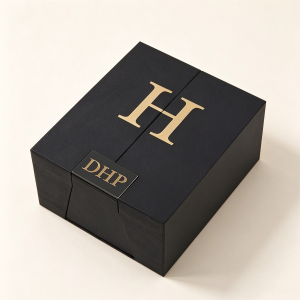 Magnetic Closure Boxes
Premium boxes with secure magnetic closure.
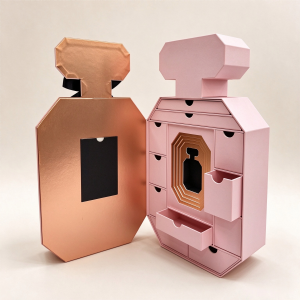 Advent Calendar Boxes
Multi-compartment seasonal gift packaging.
Explore our packaging factory, production equipment and rigid box manufacturing operations.
Explore Manufacturing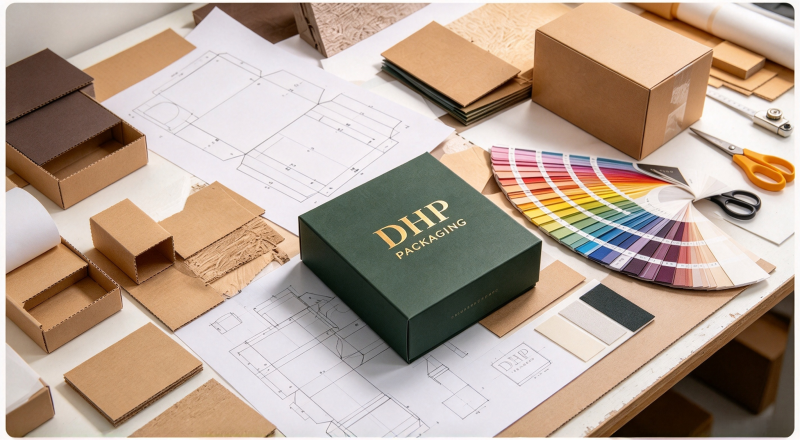
Discover our workflow from structural development and sampling to printing, assembly and quality control.
Explore Our Capabilities
Learn about responsible material choices, recyclable packaging design and reducing unnecessary material use.
Explore Sustainability
Professional packaging design support from concept to production.
Get Design Support →Explore practical packaging insights and quick answers to help you plan, customize, and order with confidence.
Discover our manufacturing expertise, dedicated team, and commitment to premium custom packaging solutions.
Explore Our Company →Stay connected with DHP Boxes
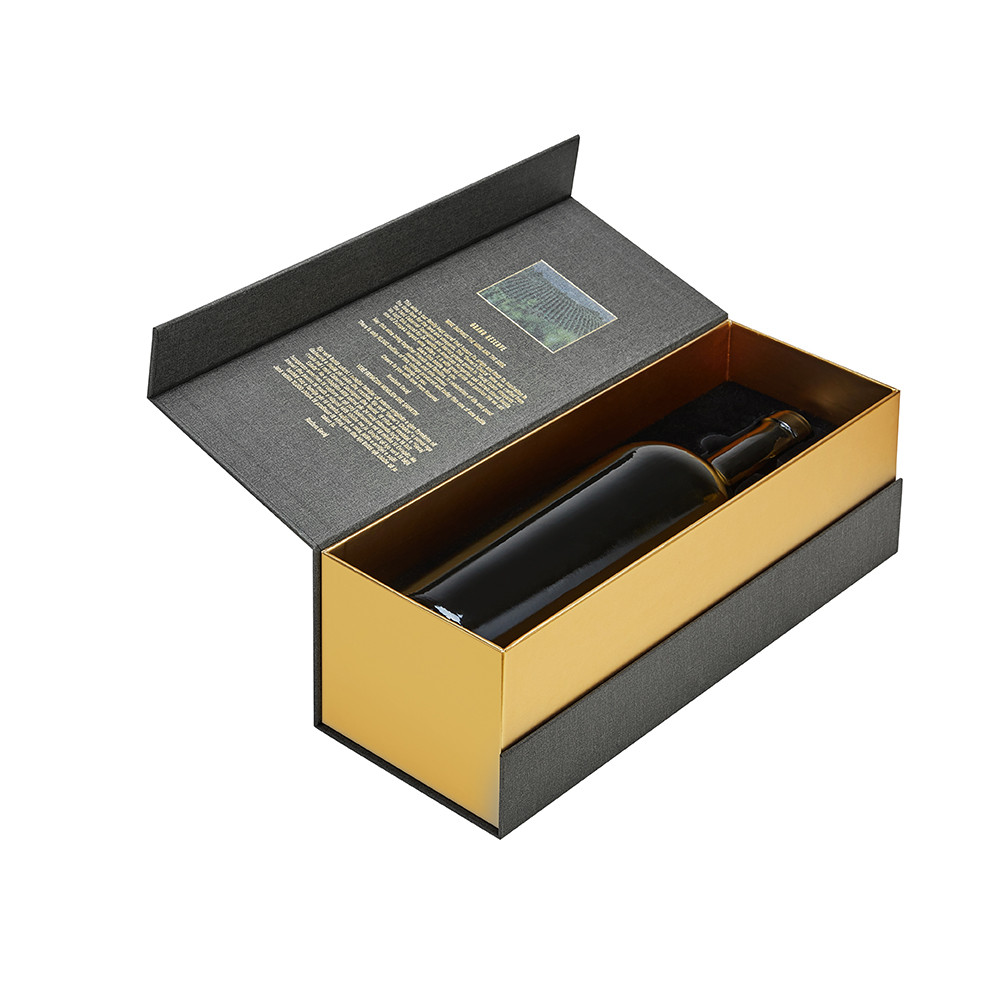
A wine box has stopped being a cardboard afterthought. For a $40 bottle it is a cost line. For a $400 bottle it is a display object that sits on a bar cart, travels in a gift bag and is often photographed before the wine is opened. That shift is why luxury wine box designs now borrow structure, materials and finishing from watch and fragrance packaging rather than from shippers. This is a design survey, not a beginner overview: you already know your bottle and you are choosing between directions. For the fundamentals — structures, board weights, insert families, procurement — read our luxury wine packaging design guide and the custom wine boxes buying guide. Below, the DHP Boxes team lays out ten directions you can take to a factory, and the production detail that decides whether each one ships. What separates a designed box from a decorated one Ordered from most manufacturable to most specialised. Each note covers what the design promises, the structure that delivers it, and what usually goes wrong in production. The quietest luxury direction, and still the strongest. A full-height grey board shell with a lid that lifts away cleanly, wrapped in matte leatherette or velvet-touch paper, carries a hot-foil crest on the lid only. It is the structure most established wineries return to for flagship vintages: it protects the bottle, ships stacked and photographs well in a low-lit bar. The production risk is lid friction. A lid that is too tight fights the customer; too loose and it rattles. Specify lid-to-base clearance with your factory and check it on a filled bottle, not on an empty shell. A book-style box opens like a hardback: the front panel folds back on a magnetic hold and exposes an inside lid panel — the cheapest luxury surface in packaging, because it is a flat printed sheet. Use it for vintage notes, a map of the region or an estate silhouette. Two front panels that swing open outward to expose the bottle is theatrical, and it is the design most associated with collector releases. It works because the bottle appears without the customer fighting a lid. The cost is the hinge assembly and the internal stop: each panel needs a defined opening angle, and the insert must hold the bottle visually centred. Order a white sample before committing to print — hinge alignment cannot be judged on a dieline. A tray that slides out of a rigid sleeve adds anticipation and suits gift sets that include a card or a small tasting note. Two details decide quality: tray-to-sleeve friction and the pull. A flat silk ribbon threaded through the tray front reads more refined than a die-cut notch. Drawer builds also suit e-commerce, because the closed sleeve protects the print across handling. For direct-to-consumer shipping, ask for a transit-fit check with the filled bottle inside the outer carton. A paper tube gives a wine brand a silhouette no rectangular box can match, and it can use the same printed wrap as the rest of the range. Tubes suit narrow single bottles and are unforgiving for magnums. Watch the internal diameter: 2 mm oversize lets the bottle move, and undersize will not accept a slightly swollen label. The most requested corporate and wedding shape. A single rigid shell with a split insert holds two bottles, leaving a central channel for a card or a stopper. Decide whether the bottles face each other — more symmetrical, photographs better — or sit side by side, which frees a wider panel on the inside lid. A premium box that ships flat and folds into shape at the destination keeps the rigid look while cutting freight volume dramatically — for importers the difference can decide whether a limited edition is commercial at all. The engineering trade-off is assembly: someone at the destination has to fold and glue the shell correctly. Ask for a non-destructive sample, a short assembly sheet and a fold tolerance that a warehouse team can hit without a jig. Our collapsible versus standard rigid box comparison covers the cost maths. Treating a wine box like a hardback with a visible spine works for vertical ranges: the spines line up on a shelf and read as a collection, and colour coding helps customers navigate tiers. The spine forces a decision on wrap direction — a spine on a wrapped fold creases differently from one printed flat, and it shows. Moulded pulp has moved from budget insert to design statement. A pulp cradle shaped to the bottle profile, left in its natural colour and paired with a printed paper lid, reads as deliberate on FSC board with a kraft wrap — the eco story is visible rather than claimed. Our eco-friendly wine box ideas cover the material families. At the top of the market, a printed wood-grain finish or an acrylic window moves the box closer to an object. Both raise the specification bar: a window needs a rigid frame and an insert that holds the bottle optically straight, and a wood-effect wrap needs heavy board so the edges do not crease. The table below does not quote prices — they depend on board, wrap, finishing and quantity 閳?but it does show where the manufacturing effort concentrates, which is the honest way to compare designs at the concept stage. Read the table as a budget hint rather than a ranking: a lift-off lid with heavy foil and velvet wrap can cost more than a simple double-door shell, because finishing outweighs structure. Every direction above eventually lands on two questions: what is the box wrapped in, and what is printed on it. The wrap does most of the perceived-value work in the hand; the finishing does the work on a shelf or in a photograph. The rule we give wine clients: spend on the surface a customer touches first — lid, drawer front or inside lid — and keep the rest simple. Designs look interchangeable on a moodboard and stop being interchangeable once you measure the bottle. A Burgundy bottle with sloping shoulders needs a taller insert shoulder than a Bordeaux bottle with a straight shoulder, a sparkling bottle with a wider base changes the insert footprint, and an Alsace flute can force a taller shell than the shelf allows. Ask your factory to model the insert around a real, filled, labelled bottle and return a white sample before artwork is finalised. Limited editions have a fixed launch date and a small run, which is the worst combination for production surprises. We run a four-stage sequence that has kept release dates intact across wine and spirits projects for more than twenty years. Compress this at your peril: a printer told to skip the white sample often produces a beautiful box that does not fit the bottle. Wine box quotations differ far more than buyers expect, and the reason is rarely margin. Four levers dominate the number, and two of them are decided at the design stage. Compare landed cost, not unit price: ex-works plus freight, tooling, inspection and the cost of replacements if a run fails. A limited edition of a few thousand units cannot be inspected by eye at the end of the line. We inspect against the factory's documented stages using ISO 2859-1 AQL sampling: incoming material checks on board, wrap and insert stock; in-line checks on print colour, foil register and wrap alignment; final inspection of finished boxes; and a pre-dispatch audit before export packing. Three checks matter more for wine than the general list: corner wrapping, because a crease shows immediately on matte stock; lid or door action with the bottle inside, because an empty box behaves differently; and colour consistency across the run, because a warm and a cold burgundy in the same shipment look like two products. Our article on controlling colour consistency in rigid box manufacturing explains how we hold colour across a print run. Double-door and magnetic book-style structures create the strongest reveal, so they suit collector releases. Lift-off lids stay safest when the box must ship in volume and stack in a warehouse. Yes. Collapsible rigid shells are formed at the destination and use the same printed wrap as a standard box. Confirm that your warehouse can follow the assembly sheet, and request a non-destructive sample to test the fold before the run is approved. It depends on structure, finishing and material, because rigid boxes are partly hand-assembled and tooling is amortised across the run. Ask for a project-specific figure. Luxury wine box design is a discipline of restraint and fit. Pick the direction that matches your channel, wrap it in a material that rewards touch, spend the finishing budget on the surface a customer holds, and build the insert around the real bottle. Then sample properly: a white sample and a printed sample cost far less than a launch that slips. DHP Boxes is the brand of Dongguan Donghong Paper Products Co., Ltd., a China-based manufacturer with more than 20 years in high-end custom paper packaging. For wine and spirits we develop lift-off, magnetic, book-style, drawer, double-door and collapsible rigid structures, with in-house printing, foil, emboss, spot UV, insert tooling, sampling and AQL inspection. Browse our custom packaging products for structure references, read more in our packaging blog, or send us an inquiry with your bottle dimensions, preferred structure and target quantity for a reviewed costing and a sample plan.
Luxury Wine Box Designs Worth Building in 2027
01. Monolithic lift-off lid
02. Magnetic book-style with an interior print
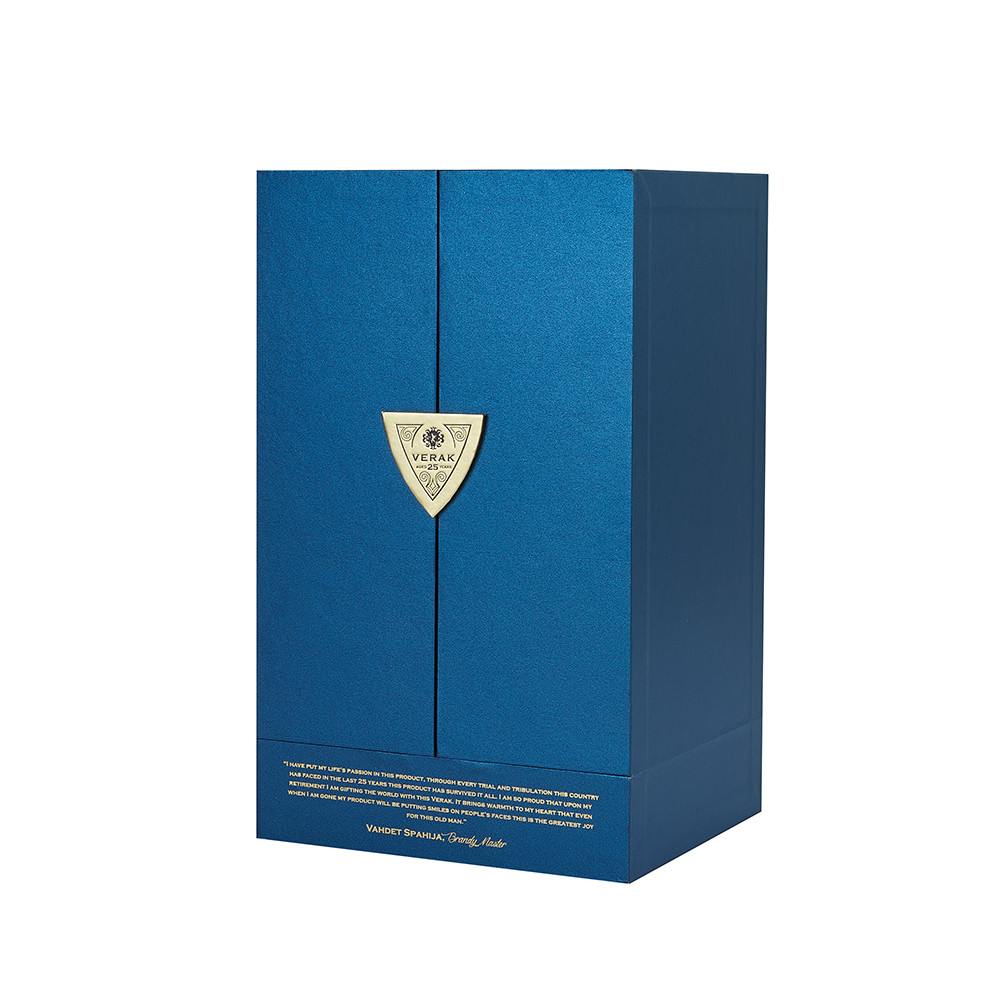
03. Double-door reveal for limited releases
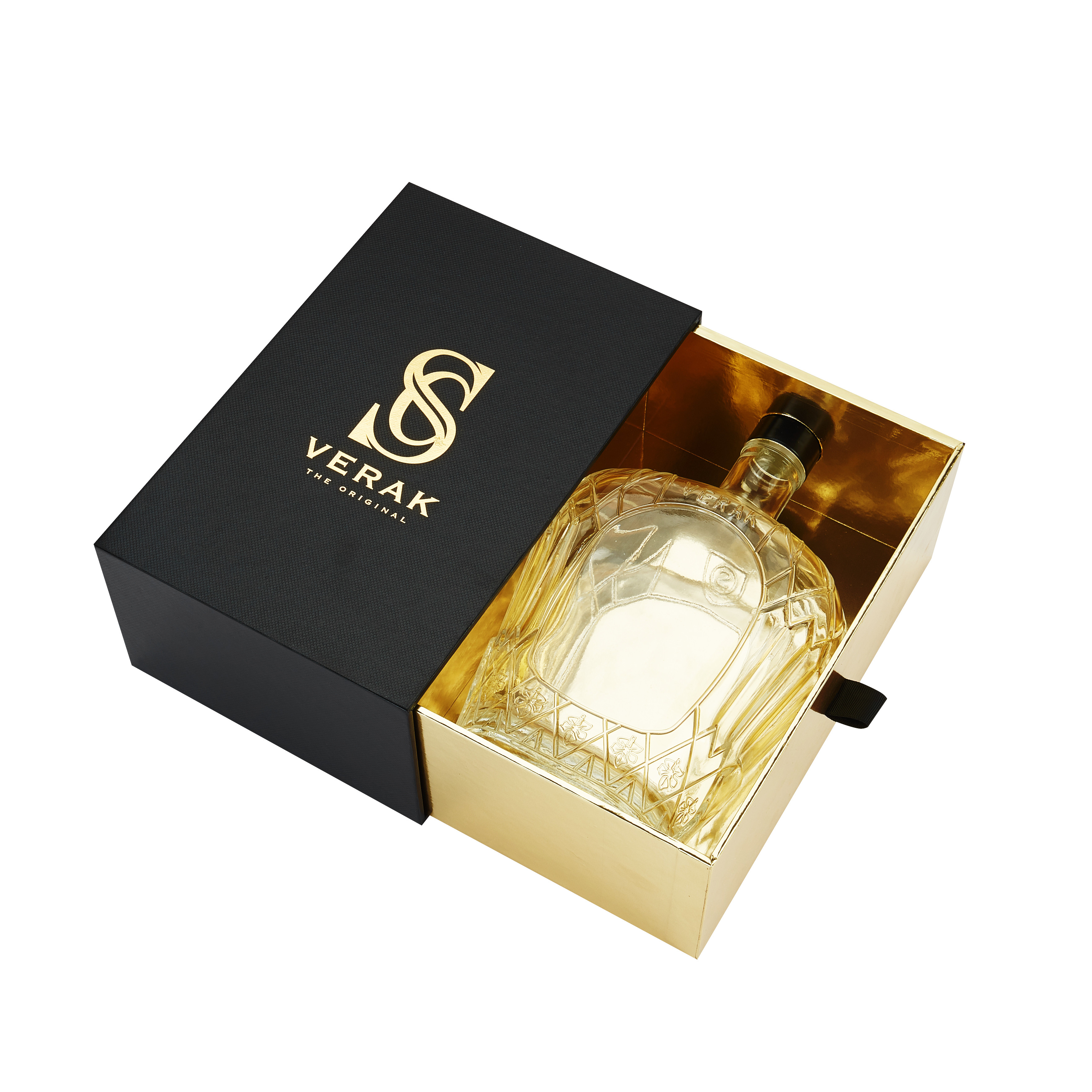
04. Sliding drawer with a ribbon pull
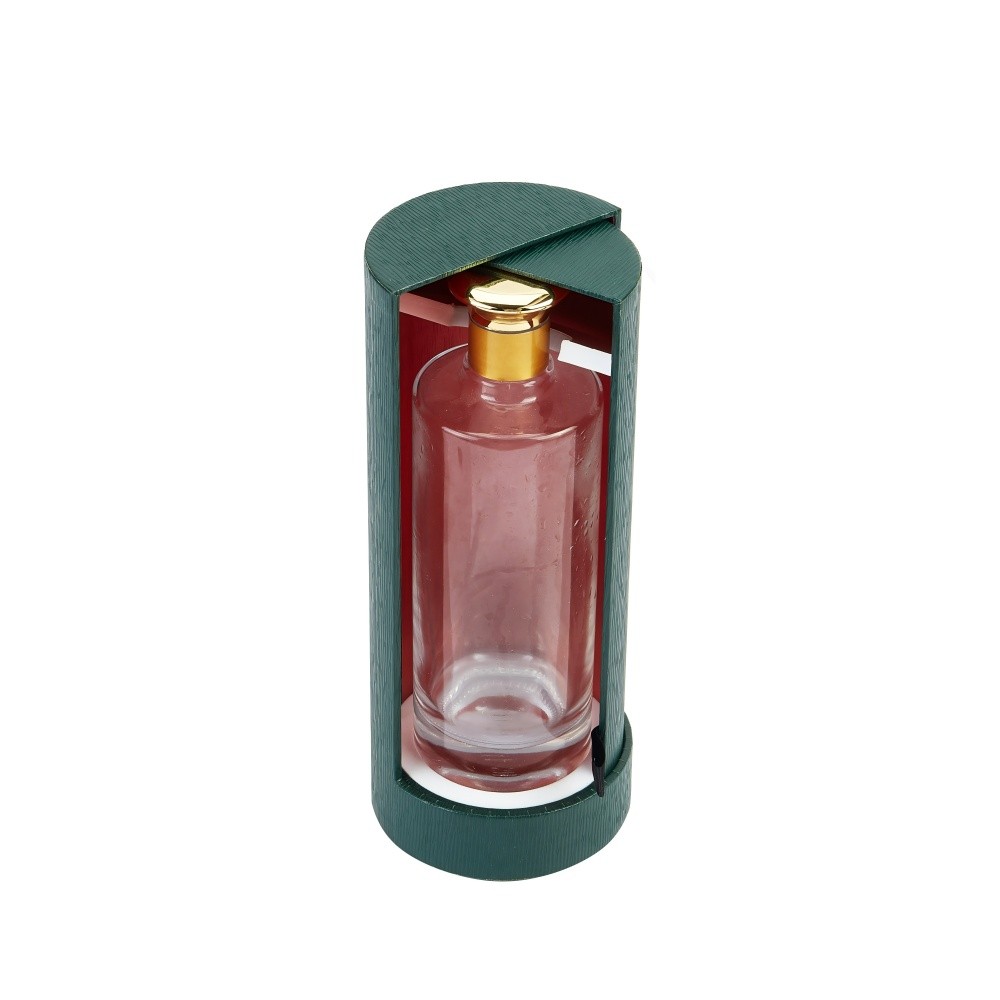
05. Cylindrical tube with a telescoping lid
06. Two-bottle capsule in a shared shell
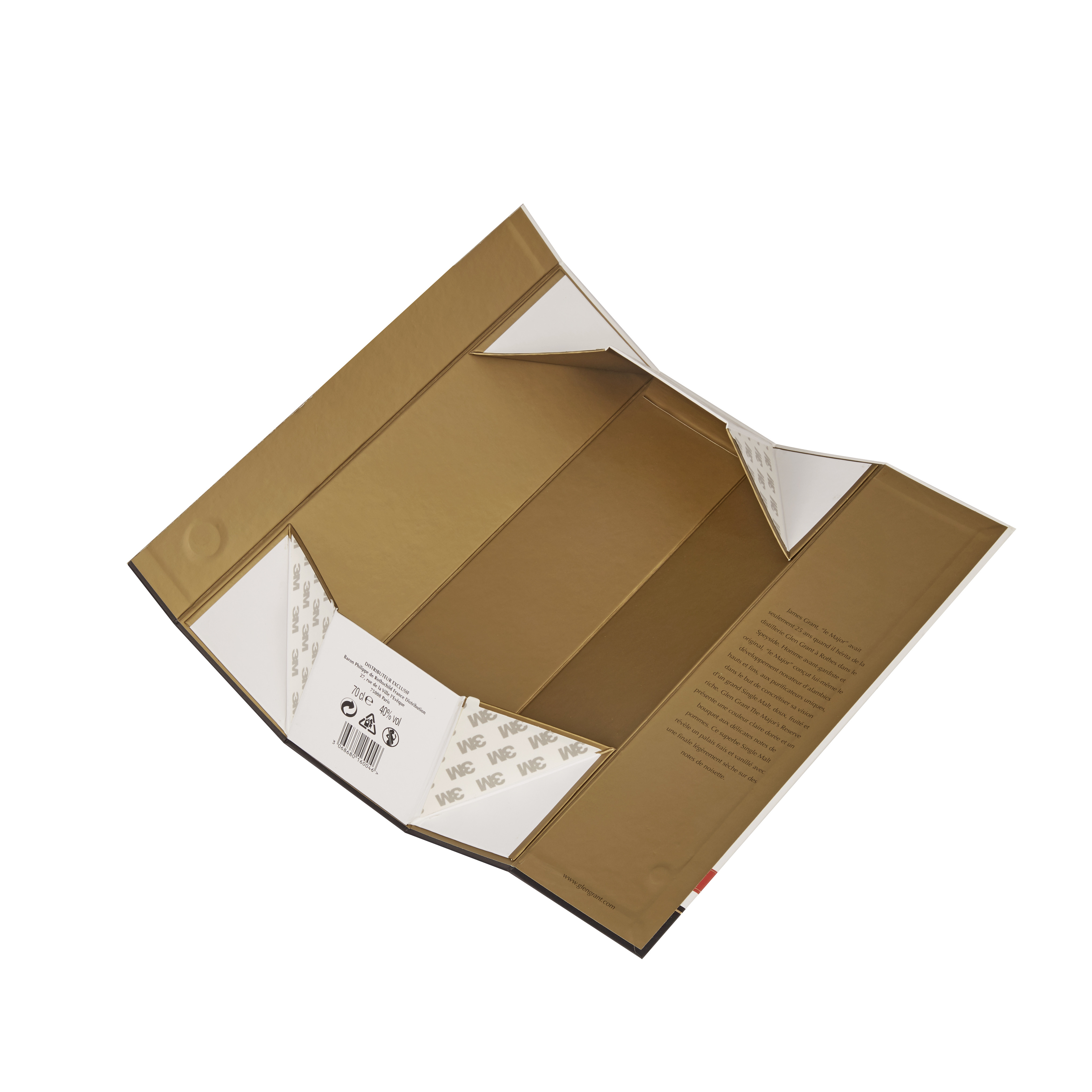
07. Collapsible rigid shell for export runs
08. Book-style with a printed spine
09. Reveal tray in moulded pulp
10. Wood-effect or acrylic hybrid for collectors
Comparing the Ten Directions by Cost and Risk
Direction
Typical channel
Relative tooling effort
Main production risk
Lift-off lid
Retail, flagship gifting
Low
Lid friction
Magnetic book-style
Gifting, subscription
Medium
Magnet alignment and hinge
Double-door
Collector editions
High
Panel stop angle and insert centring
Sliding drawer
Gifting, e-commerce
Medium
Tray-to-sleeve friction
Tube
Modern retail, spirits bars
Medium
Internal diameter versus label
Two-bottle capsule
Corporate, weddings
Medium
Divider symmetry
Collapsible shell
Export, DTC bulk
Medium
Destination assembly
Printed spine book
Ranged winery collections
Medium
Wrap direction on the spine
Moulded pulp reveal
Sustainable ranges
Medium
Pulp colour consistency
Wood-effect / window
Ultra-premium, auctions
High
Corner creasing, optical alignment
Materials and Finishes That Carry the Design
Element
Options we produce
Best paired with
Rigid shell
Grey board, duplex board, CCNB, 1.5–3.0 mm
Every structure above
Wrap
Leatherette paper, PU leather, pearl paper, textured art paper, C1S/C2S, kraft
Leatherette for lift-off and book; pearl for limited editions
Foil
Gold, silver, copper, holographic, blind emboss
Lift-off lids, spines, monograms
Surface
Matte lamination, soft-touch, spot UV, anti-scratch varnish
Drawer sleeves and handles
Insert
EVA, moulded pulp, die-cut paperboard, velvet tray, flocked card
Match to channel and transit risk
How Bottle Geometry Reduces the Design List
Sampling Sequence for a Limited-Edition Design
Cost Drivers Buyers Usually Miss
Cost lever
What raises the cost
Design decision that controls it
Board weight and blank size
Thicker grey board, oversized shell
Right-size the internal cavity to the largest bottle in the run
Finishing passes
Each additional foil, emboss or spot UV
Consolidate finishes on one panel
Insert type
EVA and flocked trays over paperboard
Match insert to real transit risk, not habit
Assembly and tooling
Double-door hinges, windows, multi-compartment dividers
Simplify the mechanism, not the look
Quality Control for a Small, High-Value Run
Frequently Asked Questions
Which luxury wine box design is best for a limited edition?
Can a premium wine box ship flat to save freight?
What is the minimum order quantity for a custom luxury wine box?
Final Takeaway and How DHP Boxes Can Help
We understand that choosing the right boxes for your industry is critical. That’s why we invite you to contact us. Whatever your goals, DHP will help you achieve them.
Contact NowWe have a strong team that works closely with customers to meet market challenges and effectively meet specific needs. Your thought, we fulfill.
Request a Custom QuoteDHP Factory is committed to delivering manufacturing excellence.
