FSC-Certified Paper
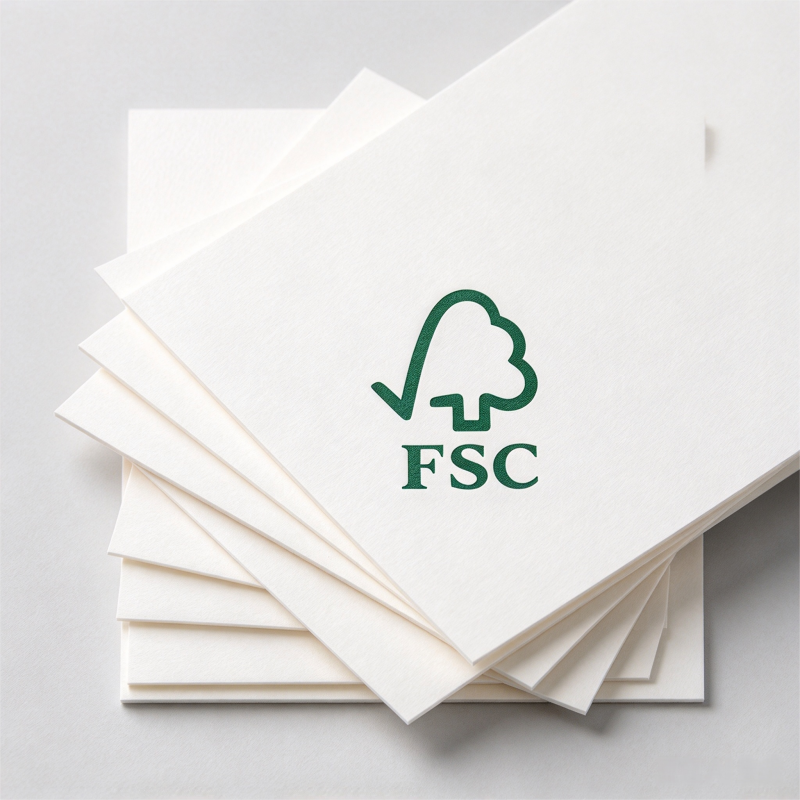
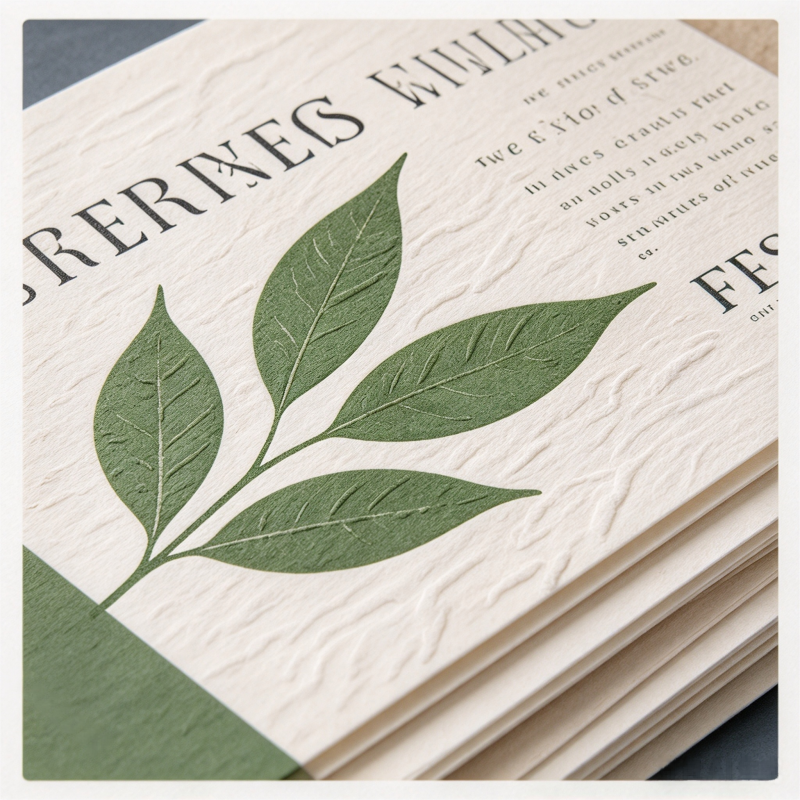
FSC-certified paper options can support responsible sourcing requirements when specified for the project and supplied with the appropriate FSC claim.
DHP develops custom sustainable packaging around your product, protection requirements, presentation goals and material priorities.
From FSC-certified and recycled paper options to paperboard inserts, molded pulp and simplified rigid structures, we help brands explore ways to reduce packaging impact without compromising structure, protection or presentation.
Sustainability should be considered across the complete packaging system — not treated as a single material choice.
Product dimensions, weight and fragility determine how much structure and protection the packaging actually requires.
Unnecessary layers, oversized structures and decorative components can be reviewed before materials are selected.
Plastic or foam components may be replaced with paperboard or molded pulp where product requirements allow.
Material combinations and component separation can be considered when recyclability is a project priority.
Material selection should balance product protection, appearance, manufacturing requirements and the sustainability priorities of the project.
FSC-certified paper options can support responsible sourcing requirements when specified for the project and supplied with the appropriate FSC claim.
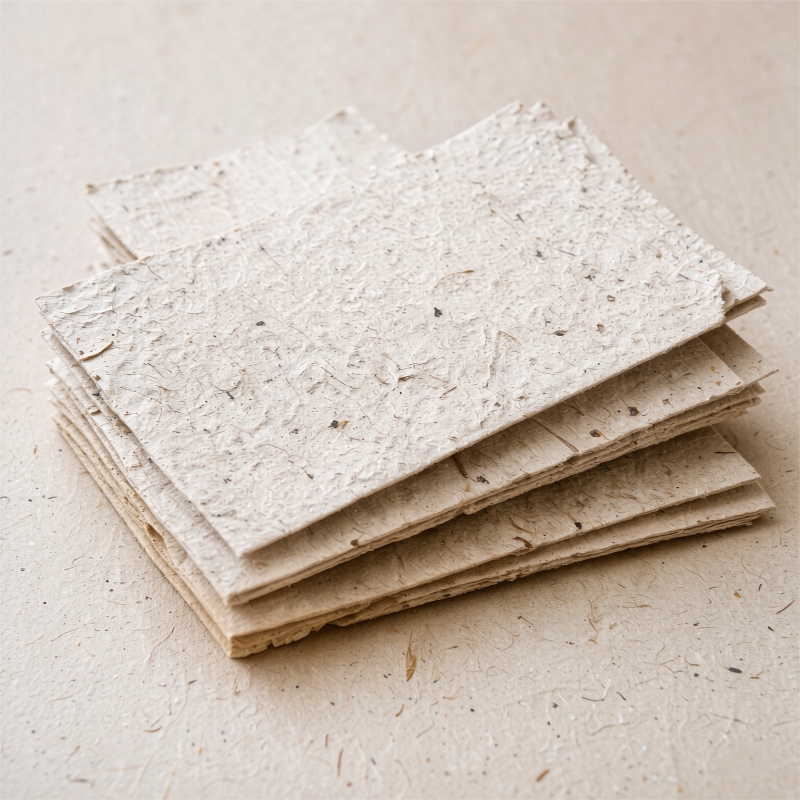
Recycled-content papers can be evaluated for outer wrapping, inner lining and selected paperboard packaging applications.
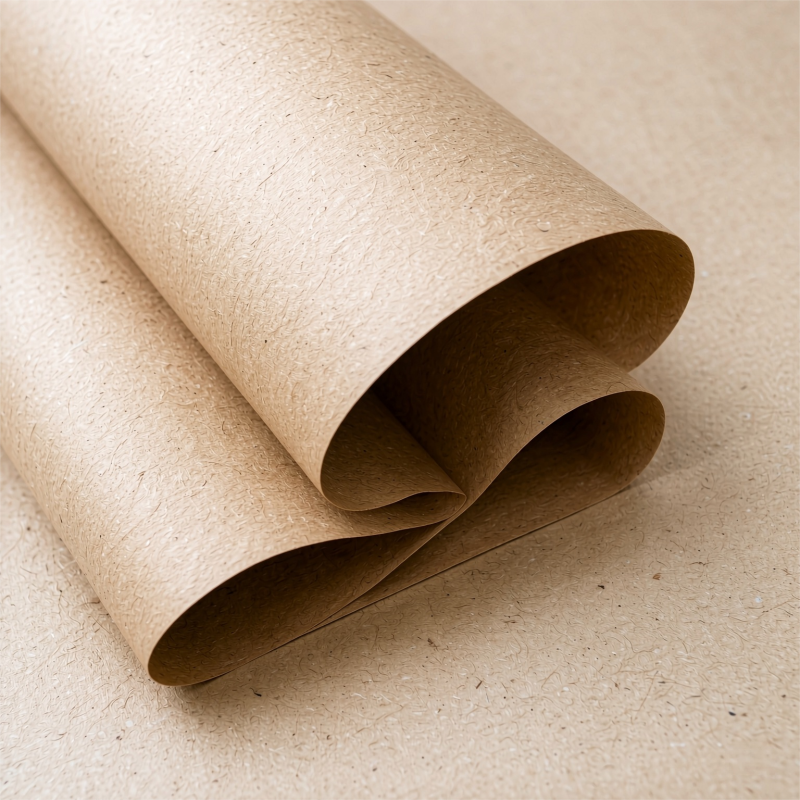
Kraft paper provides a natural paper appearance and can be used for selected wraps, sleeves, cartons and internal components.
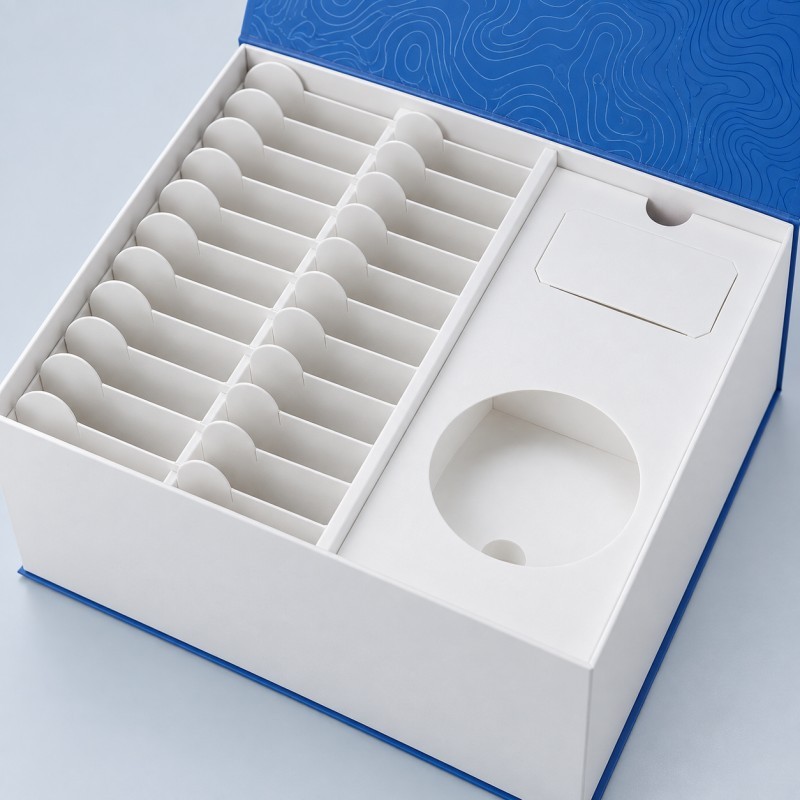
Die-cut and folded paperboard structures can replace foam or plastic inserts for many lightweight and medium-weight products.
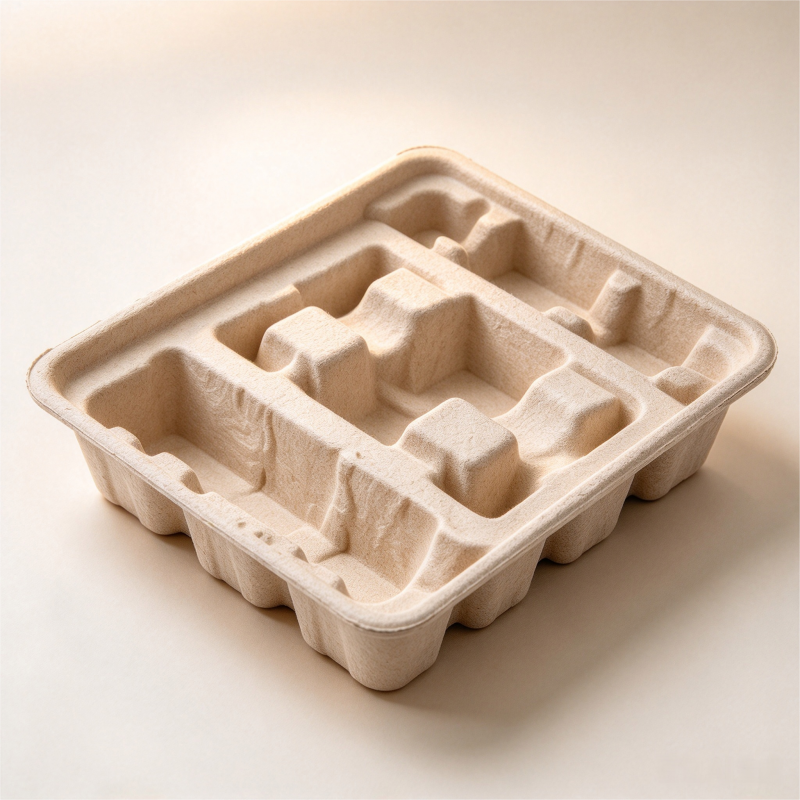
Molded pulp can provide shaped product support using a fiber-based structure for suitable products.
Water-based printing or coating options can be evaluated according to the required appearance, print process and performance.
There is no single material that is automatically the best choice for every sustainable packaging project.
| Material | Typical Use | Product Protection | Premium Appearance | Paper-Based | Key Consideration |
|---|---|---|---|---|---|
| FSC Paper | Wrapping / Cartons | Depends on Structure | High | Yes | FSC claim should match the supplied material |
| Recycled Paper | Wrap / Lining | Depends on Structure | Medium–High | Yes | Surface and color variation may occur |
| Kraft Paper | Wrap / Sleeve | Depends on Structure | Natural | Yes | Creates a different visual character |
| Paperboard Insert | Internal Support | Medium | High | Yes | Structure depends on the actual product |
| Molded Pulp | Internal Support | Medium–High | Natural / Technical | Fiber-Based | Tooling and surface texture should be considered |
| EVA / Foam | Internal Support | High | High | No | Consider paper-based alternatives where suitable |
Recyclability considerations begin with understanding the complete packaging construction and the different materials combined within it.
Sustainable packaging development does not always begin by replacing one material with another. The first opportunity may be to remove unnecessary volume, layers and components.
Material selection matters, but box size, assembly method, internal components and the overall packaging structure can also influence material use and logistics.
A premium rigid structure using paper-based board and wrapping materials with inserts selected around the product.
A collapsible rigid format that can reduce pre-assembly storage and shipping volume compared with an equivalent fully assembled box.
Explore Folding Rigid Boxes
A straightforward presentation structure that can often be developed with relatively simple material combinations.
A reusable presentation format that can be combined with paperboard inserts and paper-based wrapping materials.
Explore Drawer Boxes
Paper-based cylindrical packaging suitable for selected cosmetics, gifts, bottles and specialty products.
Product-specific structures can be developed when standard formats use more material than the application requires.
Internal packaging can represent a significant part of the complete packaging system. Paper-based alternatives can be evaluated where they provide suitable protection.
Suitable for many cosmetics, perfume, gift sets and lightweight products.
Suitable for products requiring shaped support and a paper-based presentation.
Useful for selected larger products, shipping-oriented gift packaging and internal dividers.
Paper layers can be engineered to create depth and positioning without conventional foam in suitable applications.
Sustainable packaging can still feel refined, precise and premium. Material efficiency does not require every project to use a raw kraft appearance.
The right direction depends on product weight, fragility, presentation, internal organization and the priorities of the individual project.
Paper-based inserts can be explored to reduce conventional plastic trays in suitable beauty sets.
Glass bottle protection remains the priority while paper-based insert structures can be evaluated.
Compact packaging can reduce unnecessary volume while maintaining a premium presentation.
Folding rigid structures can be considered for larger premium boxes where pre-assembly volume matters.
Bottle weight and glass protection should remain central when paper-based support is evaluated.
Product-fit molded pulp and corrugated structures can organize products and accessories.
The product should determine the packaging direction. These examples are useful starting points rather than fixed specifications.
| Product | Recommended Structure | Insert Direction | Material Direction | Main Consideration |
|---|---|---|---|---|
| Skincare Set | Rigid / Folding Box | Paperboard | FSC / Recycled Paper | Multi-Product Organization |
| Perfume | Rigid Box | Molded Pulp / Paperboard | FSC Paper | Glass Bottle Protection |
| Jewelry | Compact Rigid Box | Paper / Fabric | Specialty Paper | Small Format / Presentation |
| Apparel | Folding Rigid Box | Tissue / Paper | Recycled / FSC Paper | Storage Volume |
| Spirits | Reinforced Rigid Box | Engineered Paper | FSC Paper | Weight / Bottle Protection |
| Electronics | Rigid / Paper Box | Molded Pulp | Paper-Based | Fit / Accessory Organization |
Packaging dimensions, assembly format and carton configuration can affect material use, storage and transport long before the package reaches the consumer.
Develop packaging dimensions around the product rather than unnecessary empty space.
Folding structures can be considered where storage or pre-assembly shipping volume is a concern.
Finished box dimensions influence how units can be arranged inside export cartons.
Material reduction only makes sense when packaging still protects the product through its supply chain.
For brands selling into Europe, packaging development increasingly involves questions around material use, recyclability, documentation and supply-chain information. These requirements are best considered early in the packaging development process.
Understand the papers, boards, inserts, coatings and accessories used in the packaging system.
Review whether unnecessary material, components or packaging volume can be reduced.
Consider how selected materials and combined components affect the complete packaging configuration.
Confirm what material, sourcing or testing information may be required for the individual project.
Sustainable packaging decisions increasingly involve material information and supporting documentation as part of the procurement process.
For applicable FSC-certified paper projects and claims, documentation requirements can be confirmed during development.
Paper, board, insert and selected material information can be discussed according to the project specification.
Relevant project-specific testing documentation can be reviewed where applicable.
Approved specifications and production references help maintain alignment during manufacturing.
Sustainable packaging development becomes more useful when a clear project goal is translated into a practical structural or material decision.
A beauty set required organized product presentation while the brand wanted to reduce plastic components.
The internal layout was redesigned around a die-cut paperboard insert while maintaining individual product positions.
A large premium apparel box occupied significant space before product packing.
A folding rigid structure was evaluated to allow the packaging to remain flat before final assembly.
A multi-product gift box used several decorative and internal materials.
The packaging system was reviewed to simplify components and use paper-based internal structures where suitable.
Our approach combines product requirements, packaging structure, material selection, internal protection and physical sampling.
We begin with product dimensions, weight, protection and presentation requirements.
Paper, board, inserts and decorative components can be reviewed according to project priorities.
Packaging size, layers and components can be evaluated before unnecessary material is added.
Outer packaging and internal protection can be developed as one packaging system.
Fit, structure, appearance and material performance can be evaluated before production.
Material and project documentation can be discussed according to buyer requirements.
The process begins with the product and project priorities, then moves through structure, materials, sampling and production.
Dimensions · Weight · Photos · Quantity
Protection · Presentation · Materials · Recyclability
Box Size · Board · Components · Empty Space
Paper · Recycled Options · Paperboard · Molded Pulp
Product Fit · Protection · Appearance · Assembly
Specification · Printing · Production · QC
Common questions about materials, paper-based inserts, recyclability, packaging reduction and custom production.
Send us your product dimensions, weight, photos, quantity and current packaging requirements. Tell us whether your priority is material reduction, paper-based inserts, responsible paper sourcing, recyclability, logistics efficiency or a combination of these goals. Our team can help evaluate a practical packaging direction.
DHP Factory is committed to delivering manufacturing excellence.