
Luxury Should Not Have to Mean Excess.
We help premium brands reduce unnecessary packaging impact through smarter materials, recyclable design and responsible sourcing — without compromising structure, protection or presentation.
From material selection and structural engineering to documentation and production, we help brands make more informed packaging decisions for European and global markets.
A More Considered Approach to Packaging
Sustainability is not one material or one certification. It starts with making better decisions about how packaging is designed, sourced, manufactured and delivered.
Less Material
Reduce unnecessary layers and oversized structures where practical.
Better Material Choices
Use responsibly sourced, recycled and paper-based alternatives where appropriate.
Easier to Recycle
Reduce unnecessary mixed-material combinations and improve material separation.
Designed to Perform
Maintain the protection, structural strength and premium presentation your product requires.
How We Make Packaging More Sustainable
Better packaging decisions begin before production.
Use Only What Is Needed
Optimize box size, board thickness, inserts and secondary components to reduce unnecessary material.
Consider Better Alternatives
Consider paperboard inserts, molded fiber and other paper-based alternatives to conventional plastic components.
Design for Separation
Reduce unnecessary laminates, magnets, mixed substrates and permanent multi-material combinations where practical.
Choose With More Clarity
Consider FSC-certified paper options, recycled-content materials and documented material specifications.
Sustainable Materials for Premium Packaging
Material selection depends on your product, structure, finish, target market and sustainability goals. We help evaluate practical alternatives rather than applying the same material solution to every project.
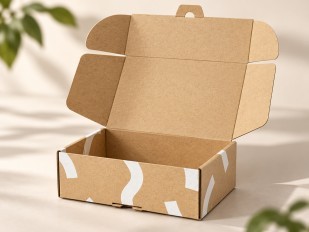
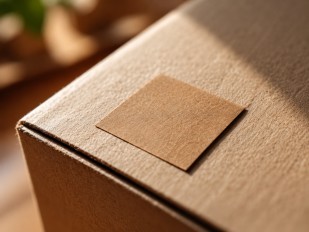
FSC-Certified Paper
Responsibly sourced paper options with chain-of-custody documentation available for applicable projects.
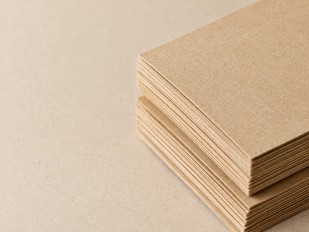
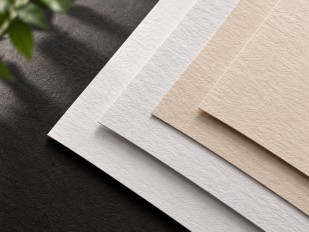
Recycled Paper
Recycled-content papers and boards for brands seeking to reduce reliance on virgin fiber.
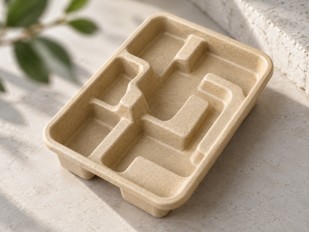
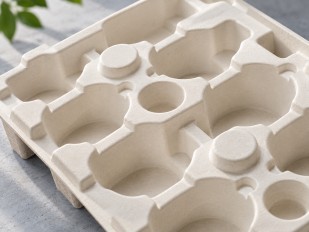
Molded Fiber
Paper-based molded inserts designed around the product for protection and presentation.
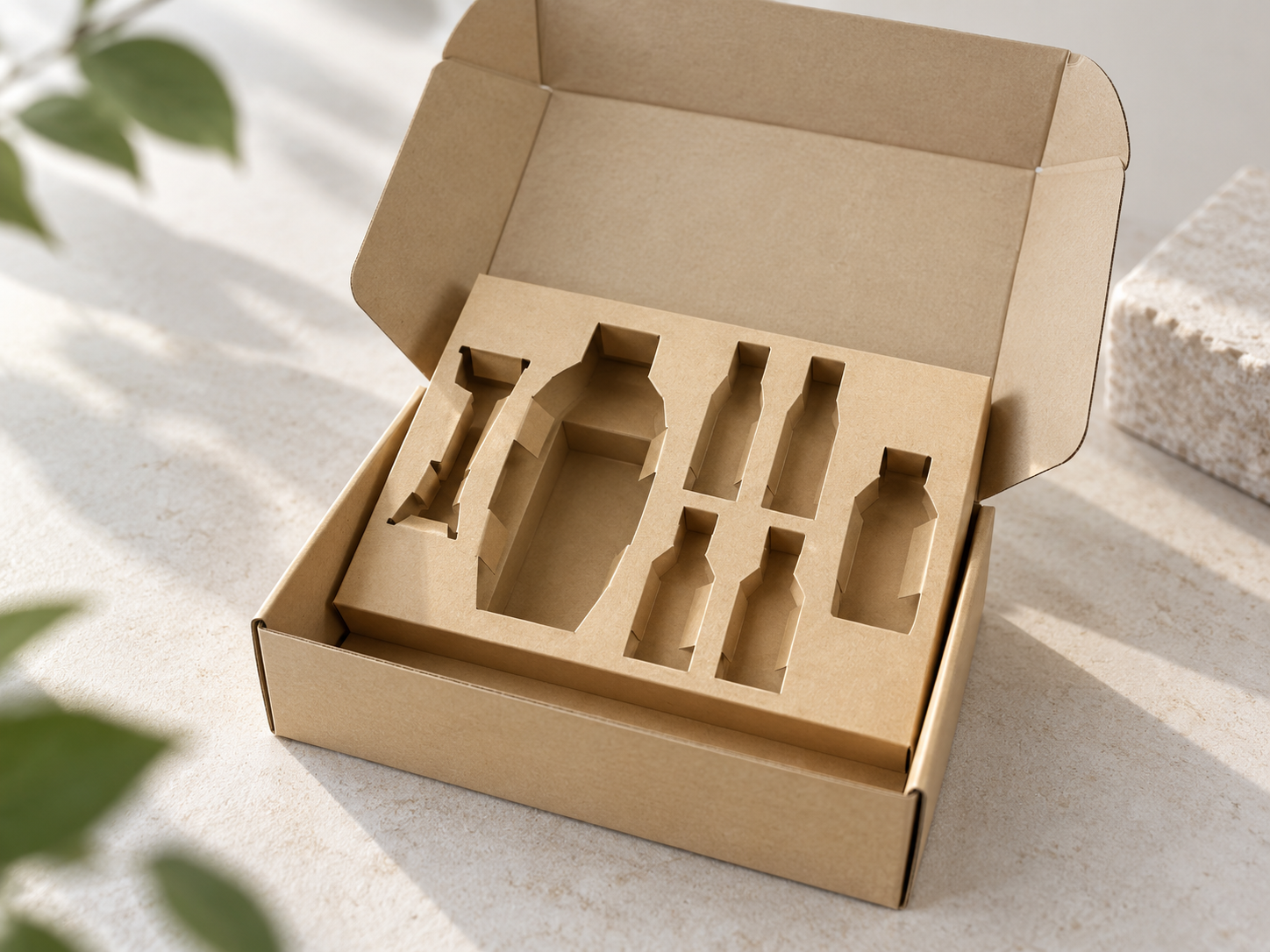
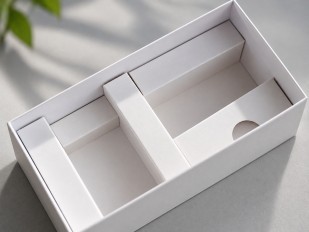
Paperboard Inserts
Precision-cut and engineered paper inserts as alternatives to conventional plastic-based trays in suitable applications.
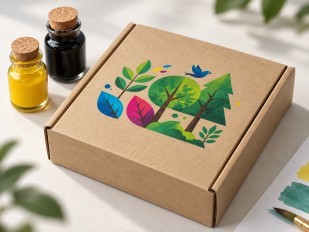
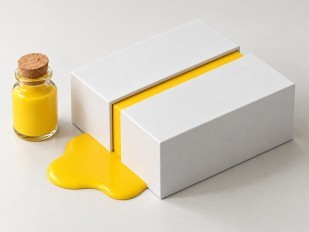
Water-Based Inks & Coatings
Available options for projects seeking lower-impact printing and coating approaches where technically suitable.
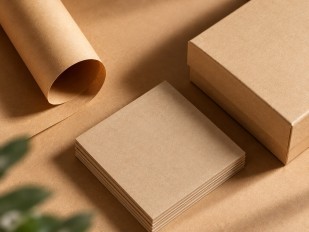
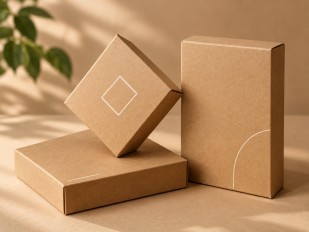
Recyclable Paper-Based Structures
Packaging structures designed to prioritize compatible paper-based components where performance requirements allow.
Design for Recyclability Starts Before Production
We consider material combinations, coatings, inserts and structures at the design stage — not after production
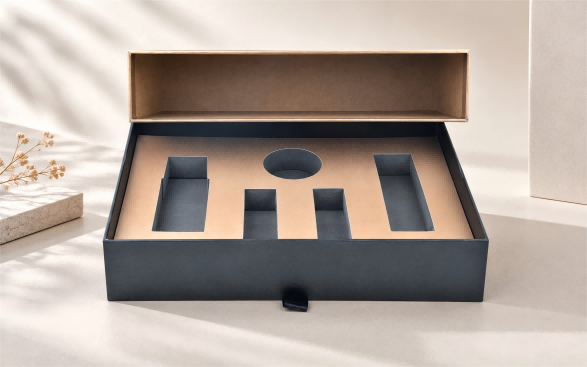
Traditional Luxury Packaging
Mixed materials · EVA / plastic insert · magnets · laminated surfaces · complex separation.
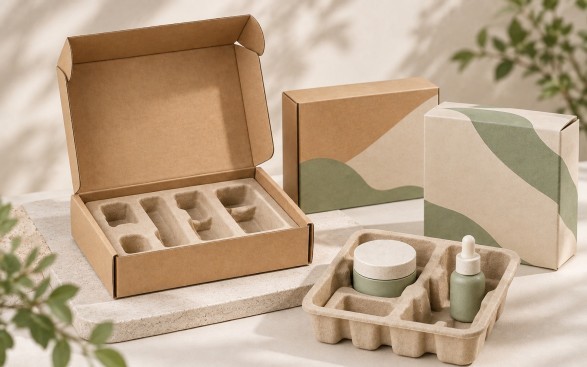
Optimized Sustainable Packaging
Paper-based materials · molded fiber / paper inserts · simplified structures · reduced mixed materials · easier separation.
What We Review
Box Structure
Can unnecessary components be removed?
Material Mix
Can mixed materials be reduced?
Inserts
Can EVA or plastic be replaced?
Lamination
Is lamination necessary?
Magnets
Can the closure be redesigned?
Finishing
Can premium effects use lower-impact methods?
Size
Can the packaging footprint be reduced?
Separation
Can components be easily separated?
Sustainable Packaging Structures We Can Develop
From rigid presentation boxes to molded pulp, we develop practical structures around your product and sustainability goals.
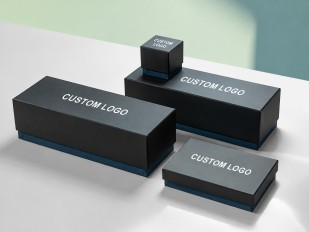
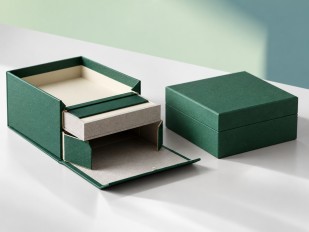
Paper-Based Rigid Boxes
Premium presentation with optimized paper-based construction.
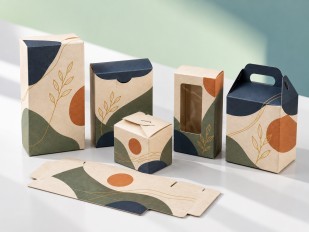
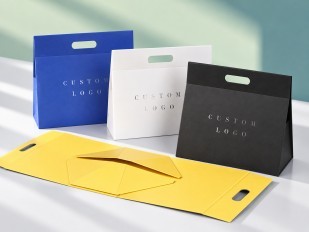
Folding Cartons
Material-efficient and lightweight structures for retail packaging.
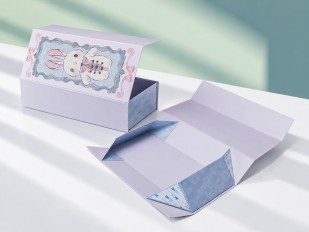
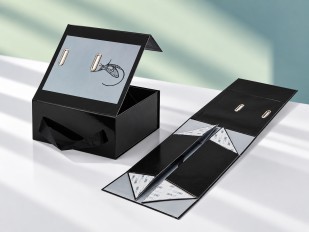
Foldable Rigid Boxes
Reduce shipping volume while maintaining premium presentation at point of use.


Molded Pulp Packaging
Custom molded fiber protection for suitable cosmetics, electronics, wellness and gift products.
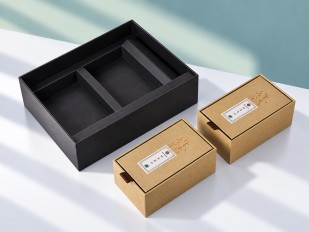
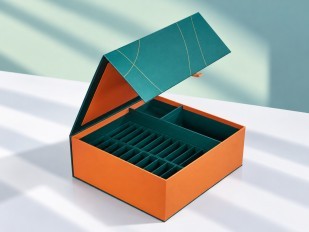
Paperboard Insert Boxes
Replace conventional foam or plastic inserts in suitable applications.
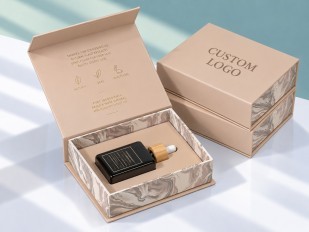
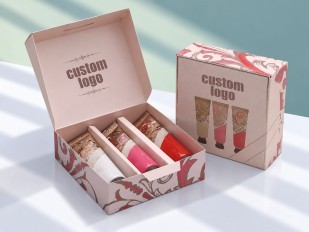
Reusable Gift Boxes
Durable structures designed for secondary use when reuse fits the brand and product strategy.
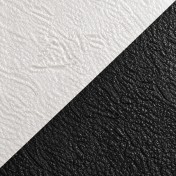
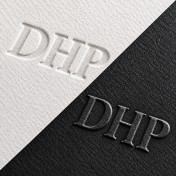
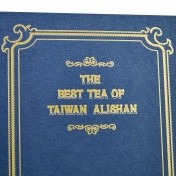
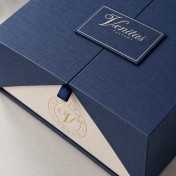
Sustainable Can Still Feel Luxurious
Luxury is not defined by how much material a package uses. It is defined by how intelligently every detail is designed.
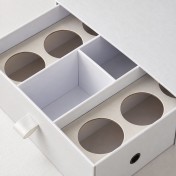
Supporting Packaging Projects for the European Market
Understanding the EU Packaging Landscape
The EU Packaging and Packaging Waste Regulation (PPWR — Regulation (EU) 2025/40) is changing how brands think about packaging design, recyclability, material use and documentation.
DHP can support customers by considering these factors during packaging development and by providing relevant manufacturing and material information available for the project.
Recyclability
Consider material compatibility, separation and recycling pathways during development.
Packaging Minimization
Review dimensions, empty space and unnecessary components.
Material Information
Maintain clearer specifications for paper, board, inserts and coatings.
Documentation Support
Provide relevant material and production documentation available for your project.
Documentation That Supports Your Sustainability Goals
Relevant project information can support sourcing, internal reviews and customer sustainability assessments.
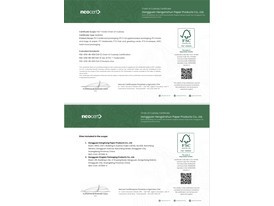
FSC Documentation
Applicable chain-of-custody documentation for qualifying materials and orders.
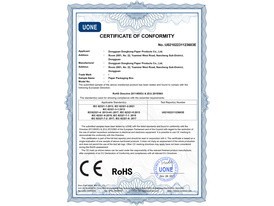
Material Specifications
Paper type, basis weight, insert material, coatings and surface treatments.
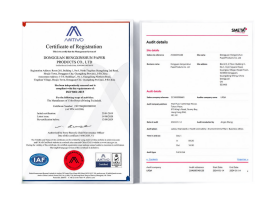
Supplier Documentation
Relevant supporting documentation available from material suppliers.
Project Records
Approved samples, material confirmations, color standards and production specifications.
From Sustainability Goal to Packaging Solution
Sustainability goals become meaningful when they lead to practical packaging decisions.
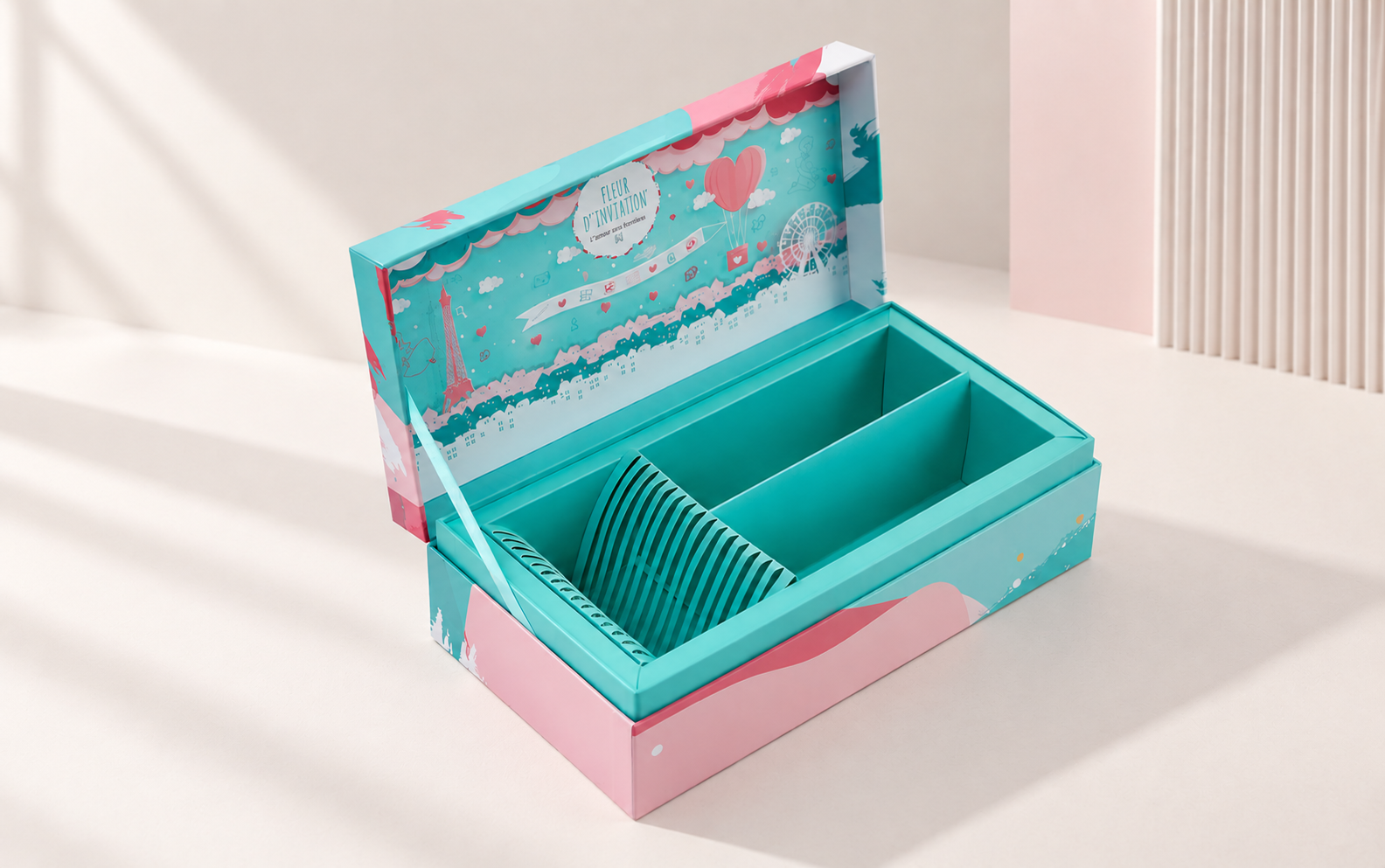
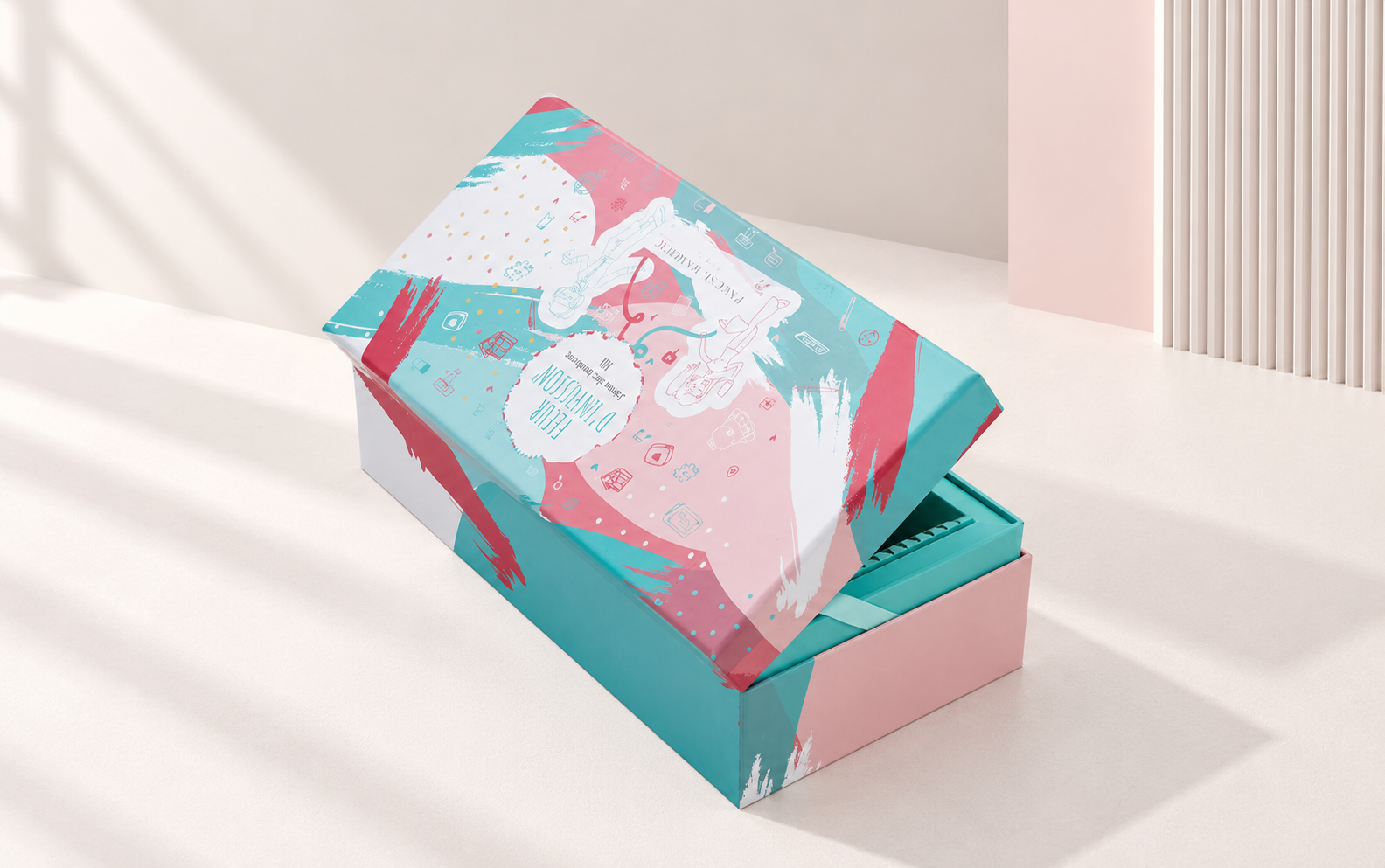
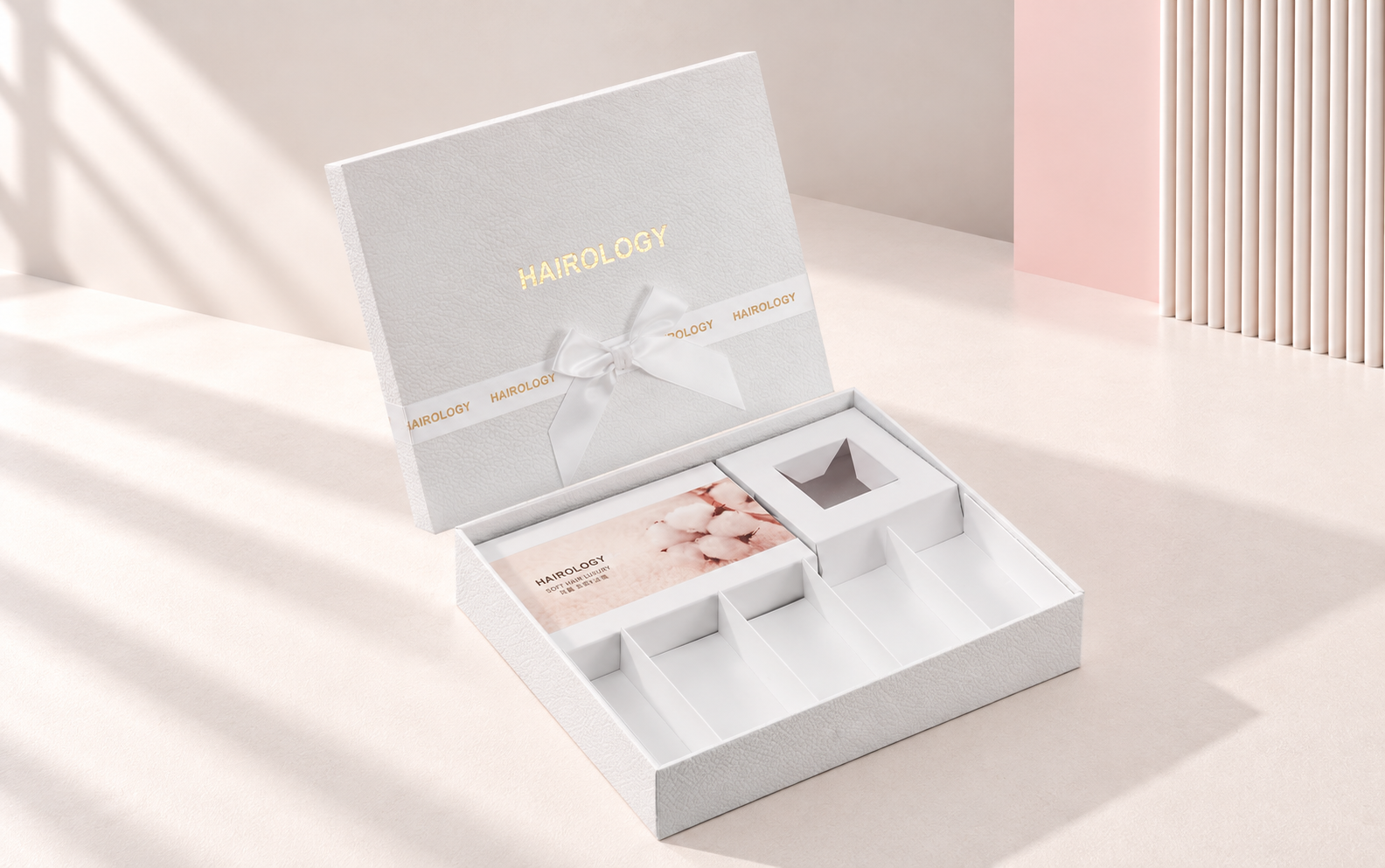
Luxury Cosmetic Packaging
Goal: Reduce plastic-based components while maintaining a premium unboxing experience.
Recommendation: Rigid paper box + engineered paperboard or molded-fiber insert.
Outcome: A more paper-based packaging system while maintaining presentation and protection.
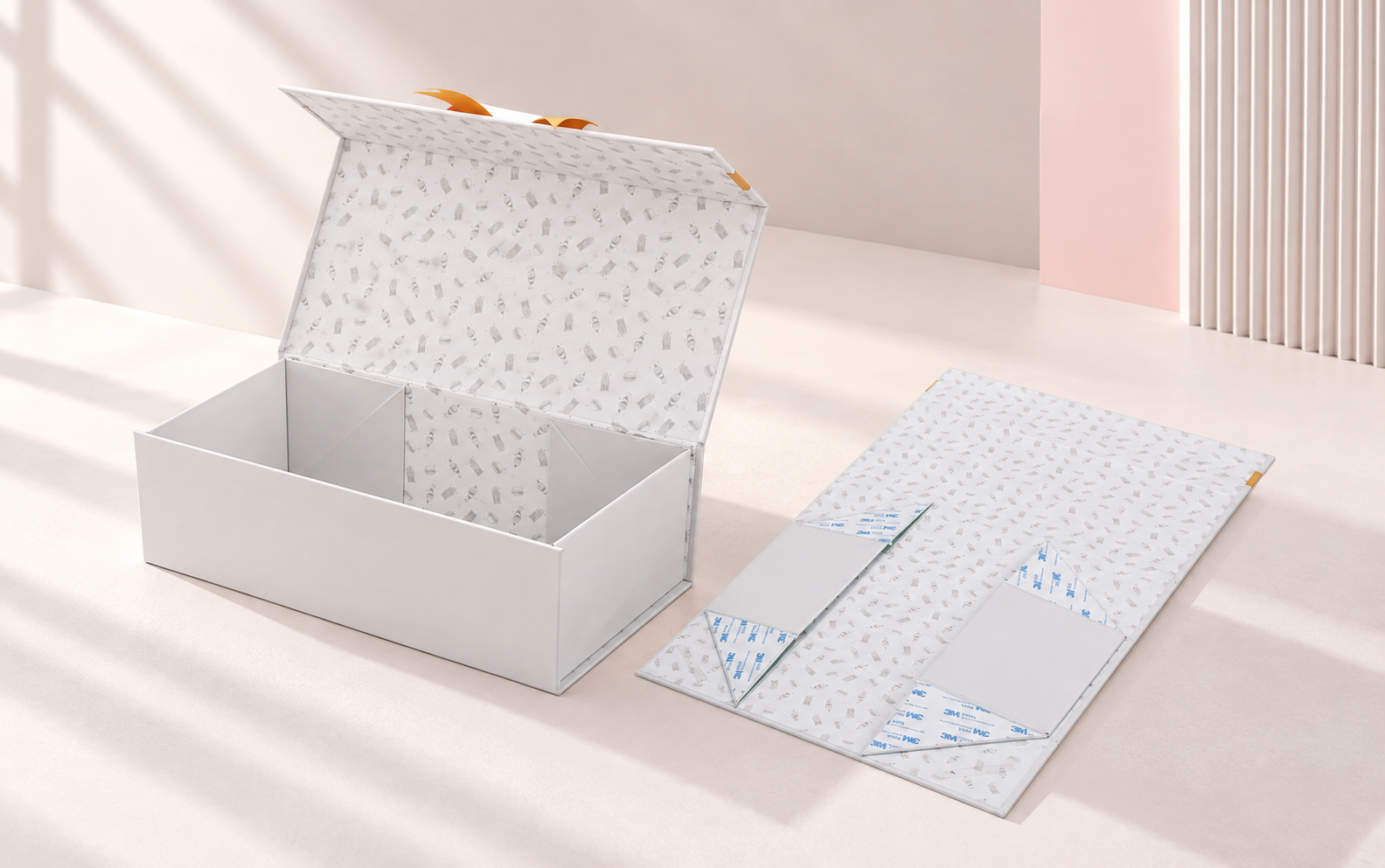
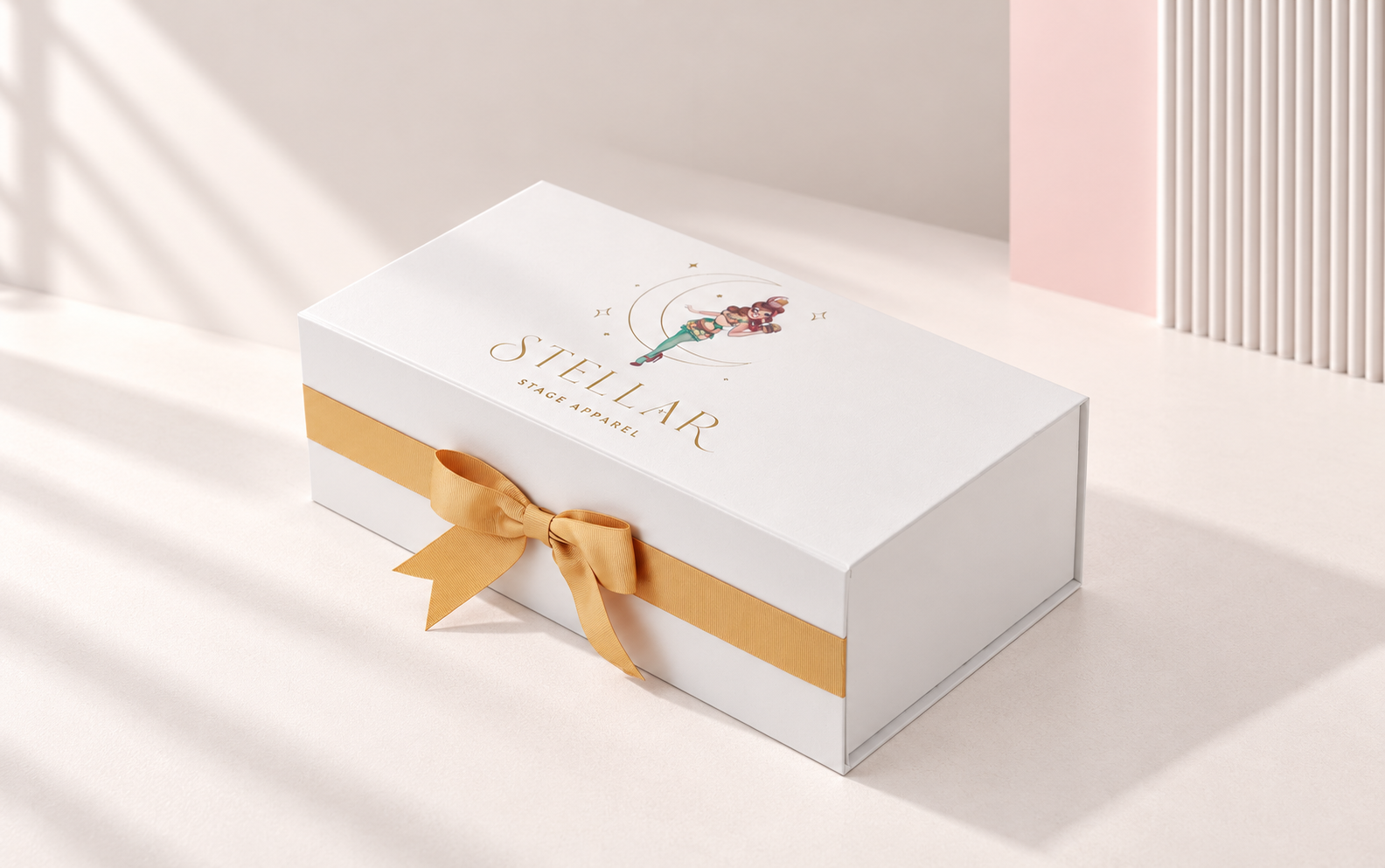
Premium Gift Packaging
Goal: Reduce shipping volume without losing premium presentation.
Recommendation: Foldable rigid box structure.
Outcome: Premium presentation at point of use with improved shipping-space efficiency.

Natural Skincare Packaging
Goal: Create a premium but visibly responsible material story.
Recommendation: FSC paper option + natural texture + embossing + paper-based insert.
Outcome: Refined presentation with a clearer paper-based material story.
From Sustainability Brief to Production
A clear process from sustainability goals to a manufacturable packaging solution.
Define Your Goals
Recyclability, plastic reduction, FSC sourcing, shipping efficiency or material reduction.
Review Current Packaging
Assess structure, materials, inserts, finishes, dimensions and protection requirements.
Recommend Alternatives
Compare practical material, structure, insert and surface-treatment options.
Prototype & Test
Review appearance, product fit, protection and structural performance.
Document & Produce
Confirm specifications, material information, mass production and quality requirements.
Questions About Sustainable Luxury Packaging
Practical answers for brands developing more considered packaging.
What is sustainable luxury packaging?
Sustainable luxury packaging aims to reduce unnecessary material and improve sourcing, recyclability or reuse while still delivering the protection, structure and premium presentation expected from luxury packaging.
Can luxury rigid boxes be recyclable?
They can be designed with recyclability in mind, but the final result depends on the complete construction, including inserts, laminates, magnets, accessories, coatings and material combinations.
Can EVA foam inserts be replaced with paper-based inserts?
In many projects, paperboard or molded-fiber inserts can replace EVA or plastic trays. Product weight, fragility, tolerance and transportation requirements should be considered first.
Do you offer FSC-certified packaging?
FSC-certified material options can be used for qualifying projects subject to certification scope, material availability and the required FSC claim. Documentation should be confirmed before production.
What is the difference between FSC paper and recycled paper?
FSC certification relates to responsible sourcing and chain-of-custody requirements for forest-based materials. Recycled paper refers to paper containing recovered fiber. The exact material specification matters.
Can molded pulp inserts be used for luxury packaging?
Yes. Custom molded fiber can provide product protection and a distinctive paper-based appearance for suitable cosmetics, wellness, electronics and gift products.
How can packaging be designed for recyclability?
Review the complete packaging system including board, wrapping paper, inserts, lamination, coatings, magnets, accessories and adhesives. Reducing unnecessary mixed materials and improving separation can support recyclability.
Can DHP help reduce plastic in existing packaging?
Yes. Share your current packaging, product dimensions and protection requirements. We can review whether plastic trays, foam inserts or other components can be replaced or reduced.
Can you help brands prepare packaging for the EU market?
DHP can support packaging development with material information, structural recommendations, relevant documentation and manufacturing specifications. Final regulatory obligations should be assessed for each project.
What packaging documentation can DHP provide?
Depending on the project, available information may include material specifications, FSC-related documentation for qualifying orders, supplier documents, approved samples and production specifications.
Does sustainable packaging cost more?
Not always. Cost depends on materials, structure, quantity, finishing and tooling. Structural simplification, material reduction or shipping-volume optimization may also create savings elsewhere.
Can foil stamping and luxury finishes still be used?
Yes. A sustainability-led design may use finishing more selectively, such as smaller foil areas, embossing, debossing or textured paper, to balance presentation with material goals.
Want to Make Your Packaging More Sustainable?
Send us your existing packaging, product dimensions or sustainability goals. Our packaging team can review your current solution and recommend practical alternatives for materials, structure, inserts and finishing.
Luxury Boxes Design
Compliance
DHP Factory is committed to delivering manufacturing excellence.
