Luxury Wine Packaging: How to Design a Premium Wine Box
Oct 5,2026
Luxury wine packaging is the rigid, protective and brand-defining box a premium bottle travels in — from the winery floor to the restaurant table or a collector's shelf. It has to do three jobs at once: hold a heavy, fragile bottle safely, express the winery's character, and justify the price of the wine inside. In this guide, the DHP Boxes packaging team explains how to design a premium wine box step by step — structures, materials, finishing, inserts, manufacturing and procurement — so wine brands, wineries and importers can brief a factory with confidence.
Why Luxury Wine Packaging Matters for Wine Brands
Wine is bought with the eyes before it is ever tasted. On a shelf, in a gift context or inside an e-commerce shipment, the box is the first thing a customer judges, and a well-built one signals provenance, care and quality. A rigid, foil-stamped box around a limited-edition vintage supports a higher price; a generic carton undermines it at the same price point.
The packaging also carries real risk. A wine bottle is heavy and breakable, so the box must prevent impact and movement across freight, storage and last-mile delivery. Good luxury wine packaging is therefore both a branding asset and a protective engineering decision — one that protects a vintage that cannot be replaced.
Key Considerations Before You Design a Premium Wine Box
Before artwork, define these basics. They decide nearly everything downstream.
Bottle format: a standard 750 ml Bordeaux, a Burgundy, a magnum or a sparkling bottle each needs different internal dimensions and depth.
Single or multi-bottle: one bottle, a duo or a six-bottle set changes the structure and the insert design completely.
Distribution channel: retail, gifting, subscription clubs and e-commerce impose different strength and weight requirements. Shipping direct-to-consumer demands a mailer-grade build.
Quantity and minimum order quantity (MOQ): rigid wine boxes are partly hand-assembled, so quantity drives unit cost. Confirm the MOQ early.
Season and lead time: gift season, harvest releases and trade shows create hard deadlines. Sampling and freight must fit the calendar.
Wine Box Structures Compared
Structure decides how the bottle is held, how the box opens and how premium it feels. The table below compares the structures we build most often for wine and spirits.
Structure
Best for
Unboxing feel
Relative cost
Lid-and-base (top-and-bottom)
Single bottle, classic gifting
Clean, formal lid reveal
Medium
Magnetic closure box
Premium single bottle, editions
Tactile magnetic snap
Medium–high
Book-style / magnetic book box
Limited editions, collectors
Literary, keepsake weight
Medium–high
Double-door folding box
Duo sets, reveal moments
Dramatic two-panel opening
High
Sliding / drawer box
Samples, single bottles
Anticipation as the tray slides
Medium
Two-bottle gift box with handle
Duo gifting, corporate sets
Portable, weighty and generous
Medium–high
Match the structure to the bottle
Bottle height, shoulder shape and diameter must be measured precisely, because a wine box has almost no tolerance for a loose fit. A bottle that rattles in transit reads as poor quality and risks breakage, so the structure and the insert are designed together.
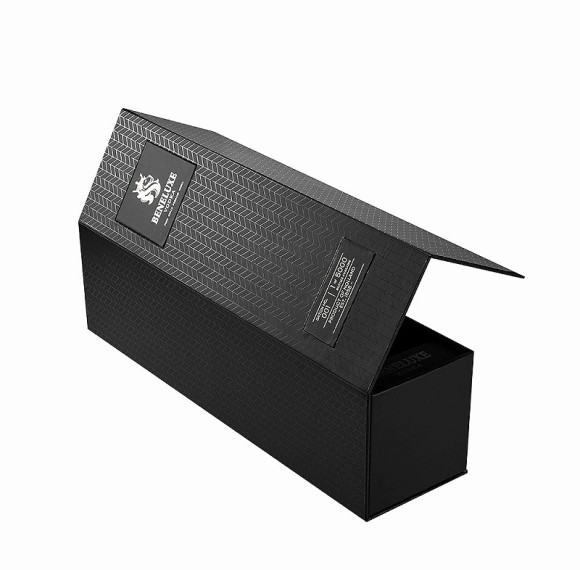
A rigid magnetic book-style structure for a premium bottle.
Materials and Board Choices for Luxury Wine Packaging
Wine boxes carry weight, so the board and wrap must be chosen for strength as much as for looks. These are the material families we work with, using the trade terms buyers will recognise.
Component
Typical material
Why choose it
Rigid shell
Grey board, duplex grey board, chipboard
Dense walls that hold a heavy bottle safely
Folding outer
Corrugated / flute paper, kraft liner board
Light protective outer for shipping
Cover wrap
C1S art board, C2S art paper, coated paper
Smooth print surface for labels and colour
Premium wrap
Leatherette paper, textured paper, pearl paper
Tactile luxury cues for gifting editions
Eco wrap
FSC-certified kraft paper, recycled paper
Sustainability story with a natural look
Accent board
Gold / silver board paper, black card
Metallic or deep matte accents
Because a full bottle is heavy, we usually favour a thicker grey board shell and a wrap that resists scuffing during handling, then spend finishing budget on the panel a customer sees first.
Finishing Techniques That Sell a Premium Wine Box
Finishing is where a wine box earns its shelf presence. Used with restraint, one or two techniques outperform a busy, over-decorated panel.
Foil stamping and hot foil: metallic crests, vintage names and motifs with a crisp reflective edge; cold foil achieves a similar look at lower cost on larger areas.
Embossing and debossing: raised or recessed detail that adds dimensional texture without ink — ideal for a winery monogram.
Spot UV: gloss varnish on selected areas for a light-catching contrast against a matte field.
Matte and anti-scratch lamination: a soft-touch, fingerprint-resistant surface that survives handling and freight.
Silk screen and UV varnish: durable single-colour coverage and protective gloss for high-wear edges.
One finish does the work
A single foil-stamped crest on a matte black or deep burgundy panel usually reads more expensive than several competing effects. Choose the finish the client will feel, and let the paper and board carry the rest.
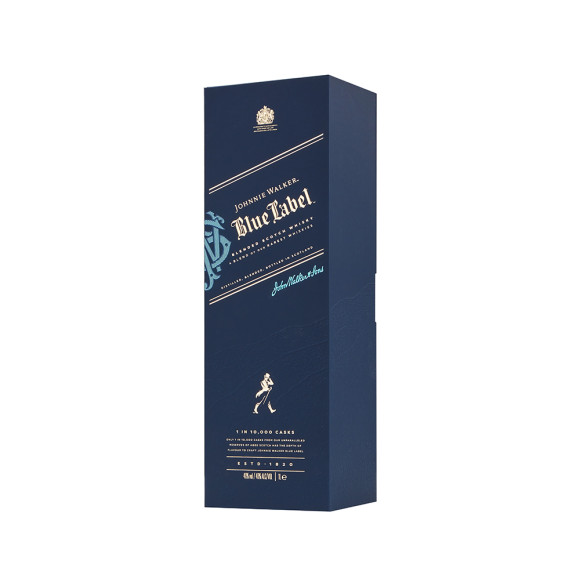
A magnetic rigid box with a restrained foil accent.
Inserts and Interior Hardware: Protecting the Bottle Beautifully
The insert is what stops a heavy bottle moving and turns an ordinary box into a considered reveal. Choosing the right insert is a protective decision first and a design decision second.
Molded pulp insert: a shaped fibre cradle that matches the bottle profile, fully recyclable and increasingly the default for eco-conscious wineries.
EVA foam insert: precision-cut foam that grips the bottle firmly for shipping-heavy channels and odd formats.
Cardboard and paperboard insert: lightweight, recyclable and cost-effective for standard bottle formats.
Velvet or fabric insert: a soft, jewelry-grade bed that protects labels and adds a luxury touch.
Box dividers: compartment walls for two- or six-bottle sets and mixed cases.
Ribbon pulls, satin ribbon, magnets, neck cushions, hang tags and head bands complete the feel and guide the hand at the moment of opening.
Design Do's and Don'ts for a Premium Wine Box
Restraint and precision read as confidence. The most expensive-looking wine boxes are usually the simplest and best fitted.
Do
Measure the exact bottle and design the insert around it.
Lead with one hero motif and one accent finish.
Keep logo placement and palette consistent across the range.
Use interior printing or a printed inner tray as a surprise layer.
Don't
Leave a loose fit — a rattling bottle reads as poor quality.
Overcrowd the panel with competing graphics.
Use plastic trays where a paper or pulp insert will do.
Thin the board wall to save cents; it is the fastest way to look discount.
How Luxury Wine Packaging Is Manufactured: A 4-Step Process
Understanding the factory flow lets a wine brand spot problems before they reach mass production.
01 — Structure and brief: we confirm the bottle footprint, wall stiffness, lid friction and insert type, then agree a structure drawing and target quantity.
02 — Artwork and proofing: colour, print positions, foil and emboss areas are proofed against the winery's design. CMYK or matched Pantone keeps the mass run on brand.
03 — Sampling: a physical prototype is produced so you can approve the fit around the real bottle, the feel and the finish before committing to a mass run.
04 — Production and QC: printing, die-cutting, wrapping and assembly run under in-line quality control, checking board weight, dimensions, edge wraps, glue joints, foil alignment and colour density at defined stages rather than only at the end.
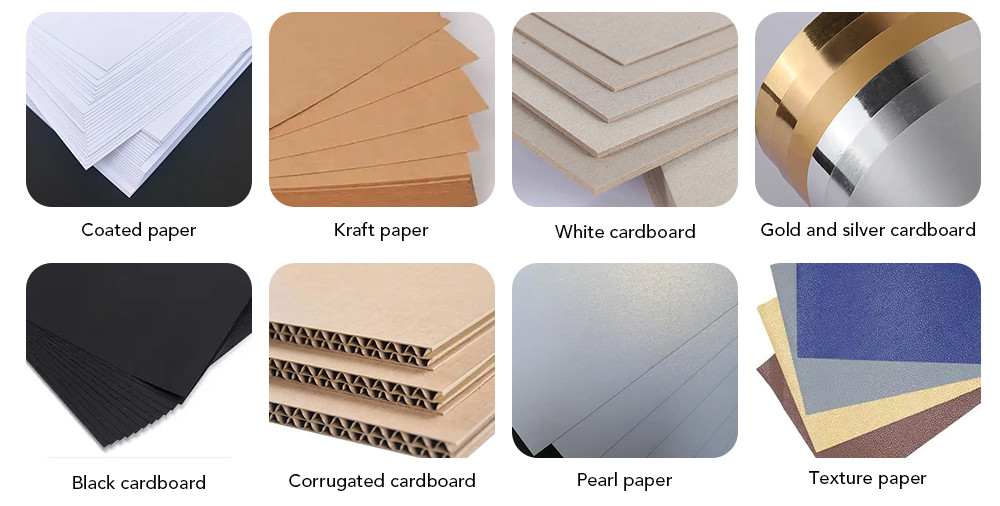
Material selection for a wine and spirits packaging project.
Cost and Procurement Planning for Luxury Wine Packaging
Buyers often ask what drives the price of a premium wine box. Four levers dominate.
Cost lever
Effect on price
How to optimise
Board weight and blank size
More material and a larger blank cost more
Right-size the box to the bottle
Finishing complexity
Each foil, emboss or spot UV pass adds cost
Keep the one finish the client feels
Insert type
Molded EVA costs more than pulp or paperboard
Match the insert to real protection needs
Quantity and lead time
Unit cost falls with volume; rush runs cost more
Plan realistic quantities and schedule
When comparing suppliers, look at total landed cost — ex-works price plus freight, duties and destination-market packaging compliance — not just the unit quote. For importers sourcing from China, working with a custom packaging manufacturer that has an in-house structural, printing and QC line shortens coordination and protects the schedule, especially for season-bound releases.
How DHP Boxes Can Help With Your Wine Packaging
DHP Boxes is the brand of Dongguan Donghong Paper Products Co., Ltd., a factory with more than 20 years of experience producing high-end custom paper packaging for wine and spirits, fragrance and cosmetics, jewelry, watches and chocolate. Our team supports wine projects end to end — structure development, materials, printing and finishing, sampling and quality control — for both small winery batches and large-scale production, with OEM and ODM options including custom molded inserts and FSC-certified materials.
What is the best box structure for a single premium wine bottle?
For a single bottle, a rigid lid-and-base or a magnetic closure box is the most common premium choice, because it protects a heavy bottle and opens cleanly. The right structure depends on the bottle format, the gifting context and the quantity.
How do you stop a wine bottle moving inside the box?
The answer is a fitted insert — molded pulp, EVA foam, paperboard or a fabric bed — shaped to the exact bottle profile. Measuring the bottle precisely and sampling the fit before mass production is the reliable way to prevent movement and breakage.
What is a reasonable minimum order quantity for custom wine boxes?
It depends on structure, finishing and material. Because rigid boxes are partly hand-assembled, unit cost falls with volume, so match the MOQ to a realistic sell-through plan and ask your supplier for the exact figure for your chosen structure.
Can luxury wine packaging be sustainable?
Yes. FSC-certified kraft and recycled paper wraps, molded pulp inserts, and water-based or vegetable inks keep most of a wine box recyclable. Your supplier should advise on the compliance rules for the markets you ship to.
Final Takeaway
Luxury wine packaging works best when protection and presentation are designed together. Measure the bottle precisely, choose a structure that holds weight safely, pick a board and wrap that feel substantial, use finishing with restraint, and protect the bottle with a fitted insert. Plan quantity and lead time realistically around your release calendar, and the box will protect the vintage and sell it at the same time. When you are ready to move from idea to sample, the team at DHP Boxes is ready to design and manufacture your custom wine packaging.
Need Assistance?
We understand that choosing the right boxes for your industry is critical. That’s why we invite you to contact us. Whatever your goals, DHP will help you achieve them.