
Eco-Friendly Wine Boxes: Sustainable Packaging Ideas for Wine Brands
Eco friendly wine boxes are not a marketing veneer — they are a packaging specification that starts at the paper mill and ends at the recycling bin. Get the material, the ink, the insert and the structure right and sustainability becomes part of the luxury story rather than a compromise against it.
In this 2026 guide, the team at DHP Boxes walks through what actually makes a wine gift box sustainable: FSC-certified paper and recycled board, water-based inks, moulded pulp inserts that replace EVA and plastic, plastic-free die-cut windows, collapsible rigid boxes that cut freight volume, and monomaterial design that keeps a box recyclable. We also cover how to brief a packaging manufacturer on sustainability requirements, what it does to cost and lead time, and how to make a green claim that stands up to scrutiny.
What Counts as a Truly Eco Friendly Wine Box?
A box earns the word "eco" through verifiable choices, not aspirational copy. Five levers decide the environmental profile of any wine packaging box: the fibre source, the printing chemicals, the internal insert, the surface finish, and the structure's shipping efficiency. A gift box can look and feel identical to a conventional equivalent while replacing virgin board with FSC-certified stock, swapping solvent-based ink for water-based ink, and dropping the plastic tray — and the difference shows up in the claim you are legally able to make.
Sustainability in wine packaging is also about restraint. Over-packaging — a rigid outer box, a foam cradle and a plastic sleeve for one 750ml bottle — multiplies material, weight and freight emissions for no additional protection. The strongest eco briefs remove components rather than add a green label to them.
Which Sustainable Materials Should a Wine Brand Choose?
Material selection is the single largest environmental lever, and the trade vocabulary matters when you brief a supplier. The table below maps the common options.
| Material | Where it is used | Sustainability note |
|---|---|---|
| FSC-certified kraft & recycled board | Outer wrap, cartons, sleeves | Chain-of-custody documentation available; widely accepted in export markets |
| Recycled grey board (chipboard / duplex greyboard) | Rigid box core | High recycled content, forms the structural body of a rigid gift box |
| C1S / C2S art board from responsible sources | Printed surface layers | Recyclable when combined with water-based inks and paper inserts |
| Woodfree & uncoated board | Inserts, dividers, sleeves | Lower coating load, easier to repulp |
| Moulded pulp (recycled paper fibre) | Bottle cradle / insert | Replaces EVA foam and PVC trays; recyclable and compostable in many streams |
| Kraft liner board & glassine | Bottle wraps, tissue | Plastic-free alternative to bubble and foam liners |
| Textured & pearl special paper | Premium wrap | Available with FSC certification; check recyclability of any coating |
For B2B buyers, the practical question is not "is this material greener?" but "does it carry the documentation to prove it, and does it survive the journey?" A bottle that breaks in transit wastes far more than the board it was wrapped in.
How Do Water-Based Inks and Glues Lower Environmental Impact?
Printing chemistry rarely appears on a packaging spec sheet, yet it decides whether a box can be recycled easily. Solvent-borne inks and oil-based varnishes leave residues that complicate repulping and release volatile compounds during printing. Water-based inks, by contrast, cut solvent emissions at the press and are the default on most recycled and FSC-certified paper programs.
The same logic applies to adhesives. A water-based or hot-melt glue joint that breaks cleanly under repulping is far friendlier to a mill than a solvent adhesive that has to be separated from the fibre. When you brief a custom packaging manufacturer, ask for water-based printing, low-migration inks for any surface that touches glassware, and a glue specification your recycler can accept.
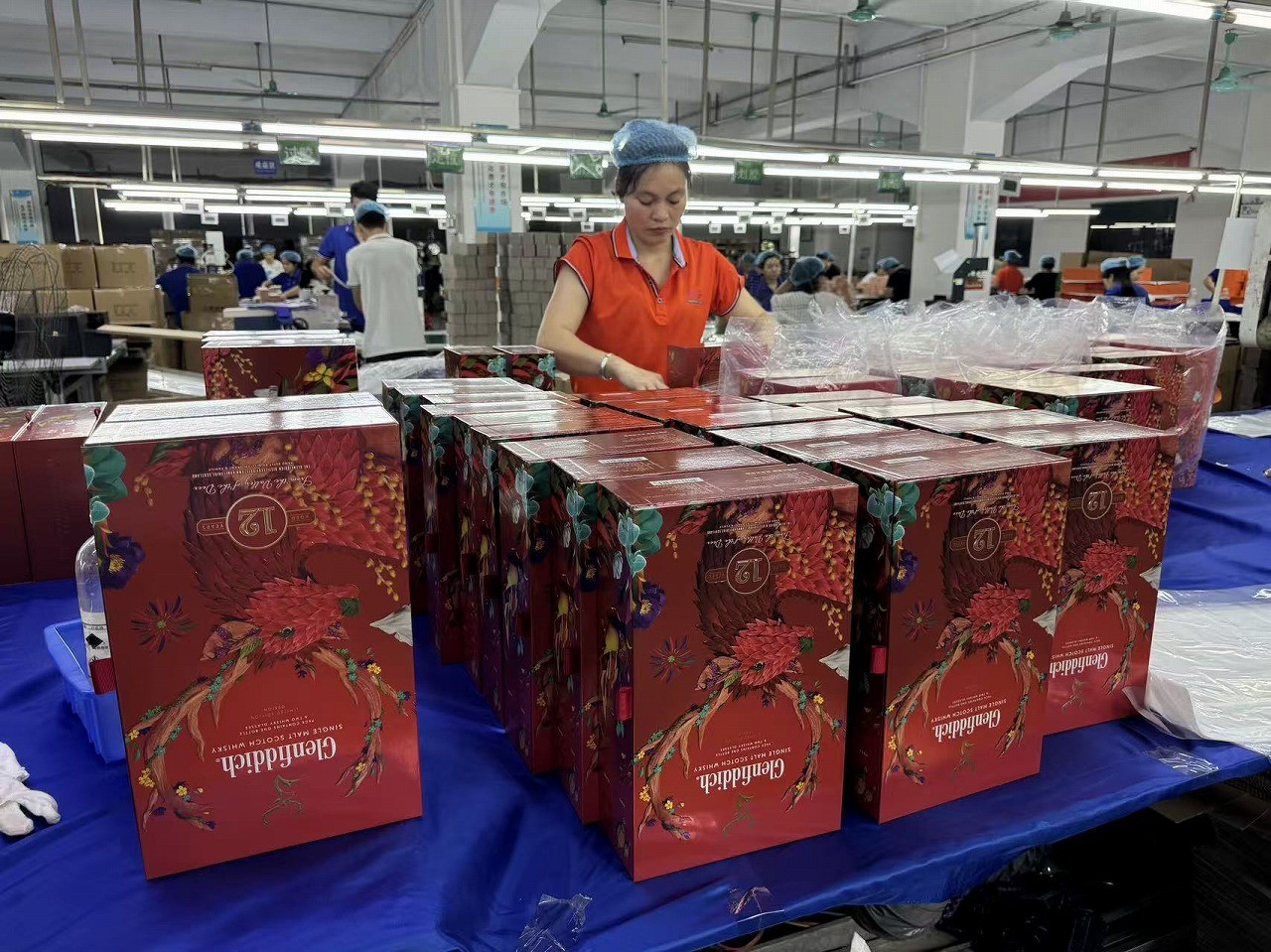
Moulded Pulp vs. Foam: Choosing a Sustainable Bottle Insert
The insert is where most wine packaging quietly loses its eco credentials. EVA foam, PVC and blister trays are light and protective but are difficult to recycle and are rejected outright by buyers with plastic-reduction targets. Moulded pulp — a tray formed from recycled paper fibre — is the standard replacement, and modern tooling can mould a cavity that grips a 750ml bottle without movement in transit.
The trade-offs are honest ones. Moulded pulp costs more than a die-cut paperboard divider but less than a custom EVA or velvet insert, and it adds a small amount of tooling and lead time for the mould itself. For a premium wine gift box, a moulded pulp cradle paired with a die-cut paperboard divider delivers protection, a tactile unboxing moment and a recyclable result — no plastic, no foam. Where weight is critical, a paperboard insert with the right fold geometry can cradle the bottle with no added material.
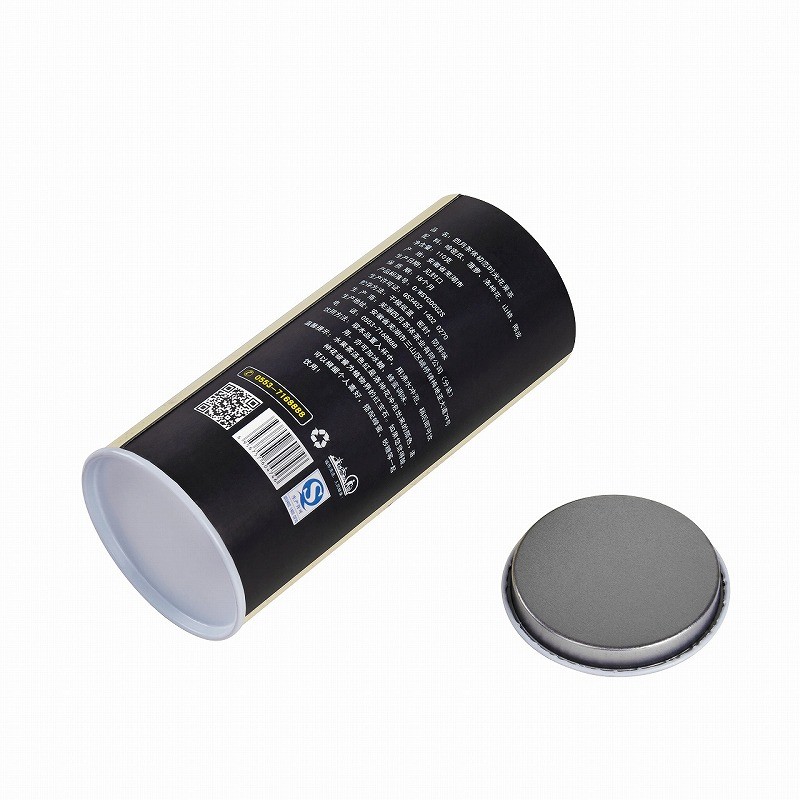
Plastic-Free Windows and Monomaterial Design
A clear PET window is one of the most common sustainability failures in wine packaging, because it forces the buyer to separate two materials before recycling. A die-cut paper window solves the problem elegantly: an aperture cut into the board or wrap reveals the bottle through an unprinted opening, with no plastic at all. The same principle drives monomaterial design — building the box, insert and any divider from one fibre family so the whole unit can go into a single recycling stream.
Monomaterial thinking also simplifies procurement: fewer suppliers, fewer line changeovers and less risk of a mixed-material box that fails a recyclability audit in a target market. Where a brand insists on a window, we recommend a printed cover or a die-cut reveal over a PET patch.
How Does a Foldable Rigid Box Cut Freight and Carbon?
Structure is the most underrated sustainability lever, because freight emissions scale with volume, not with recyclability. A conventional rigid wine box ships fully formed and mostly empty — you are paying to move air across an ocean. A collapsible rigid box is wrapped and formed in the factory, then shipped flat, and it assembles into a firm, premium box at its destination.
The numbers matter in procurement. A foldable rigid box can reduce shipping volume by roughly 70% compared with the same box shipped assembled, cutting container space, ocean freight and the associated carbon at once. The premium feel is unchanged: board weight, wrap and finishing are identical to a fixed rigid box, only the assembly step moves. For an import-led wine brand, this single change often delivers more measurable carbon reduction than any material swap.
How to Balance Sustainability and Luxury in Wine Gift Packaging?
The assumption that eco means plain is out of date. Recycled and FSC-certified board takes foil stamping, embossing, debossing and spot UV as well as any virgin stock. What changes is not the aesthetic ceiling but the discipline behind the specification.
Luxury in wine packaging has always been about ritual and weight — the resistance of a lid, the sound of a magnetic closure, the reveal of the bottle. None of that requires plastic. A rigid box with a magnetic flap, foil-stamped logo, water-based matte lamination and a moulded pulp cradle delivers the same ceremony with a fraction of the environmental cost. Spend the material budget on fewer, better components rather than stacking finishes; two deliberate accents read as more expensive than five, and they are lighter and more recyclable.
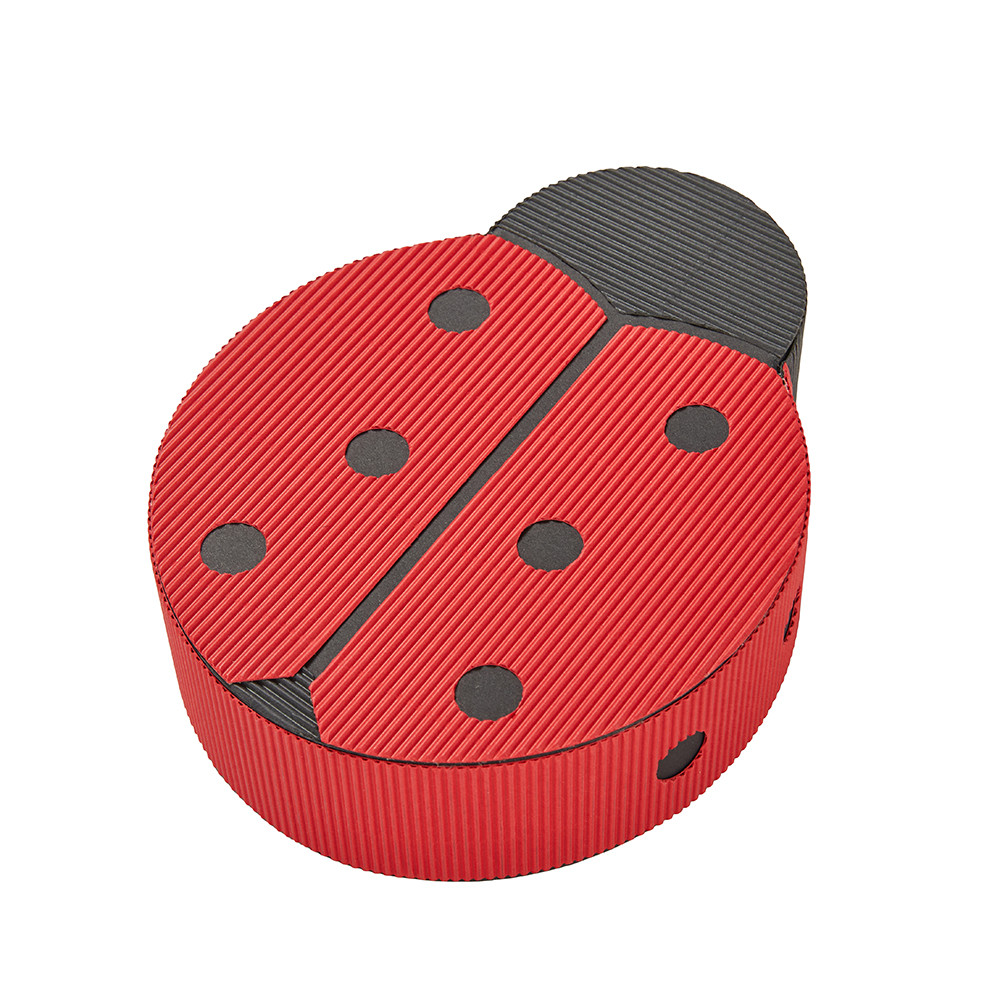
Sustainable Wine Gift Sets for the Festive Season
Christmas and corporate gifting are when wine brands sell their most packaging-intensive formats, and where a sustainable brief pays off most visibly because the recipient sees the whole unboxing. A two-bottle Christmas wine gift box in FSC-certified kraft, with a die-cut reveal, a moulded pulp divider and a recycled tissue wrap, hits the seasonal brief without a plastic sleeve in sight.
For holiday programs, plan early. Special-order eco stocks and custom pulp moulds add weeks to a schedule. Briefing a packaging manufacturer by late summer keeps a Christmas run on the calendar, and standard production of 15–25 working days leaves room for a free sample round before the artwork locks.
How to Brief a Packaging Manufacturer on Sustainability
A vague request for "eco packaging" gets a vague result. A precise brief gets a quotable, auditable specification. Work through these steps in order, because each answers a question the factory would otherwise have to guess.
State the certification and documentation you need
Say explicitly whether you require FSC chain-of-custody paperwork, recycled-content percentages or a recyclability statement for your target market.
Name the fibre and the ink system
Specify FSC-certified kraft, recycled grey board or uncoated board, and state that printing and varnishing must use water-based inks.
Define the insert and ban plastic
Ask for a moulded pulp or die-cut paperboard insert and confirm in writing that no EVA, PVC or plastic window will be used.
Lock the structure and the transport format
Choose rigid, folding or collapsible rigid, and specify flat-packed shipping if freight volume and carbon are priorities.
Dos and Don'ts of Green Packaging Claims
Greenwashing is a commercial risk as much as an ethical one, and regulators in the EU and North America increasingly require claims to be substantiated. Keep the claim tied to a fact you can document.
Dos
- Say "FSC-certified board" only when chain-of-custody documents back it.
- State recycled content as a percentage you can trace.
- Use recyclable-when-empty instructions that match real local streams.
- Prefer specific language: "water-based inks", "plastic-free insert".
- Keep one claim per component so it stays verifiable.
Don'ts
- Don't label a mixed-material box "100% recyclable" without checking.
- Don't call a PET window "eco" because the board is certified.
- Don't use vague words like "green" or "planet-friendly" as the only claim.
- Don't assume a compostable insert is accepted in every market.
- Don't print symbols you cannot substantiate with paperwork.
What Do Sustainable Wine Boxes Cost and How Long Do They Take?
Sustainability rarely means a premium across the board. Water-based inks and FSC-certified kraft often price close to conventional alternatives, while moulded pulp inserts add a modest one-off tooling charge and a slightly longer sample round. The real savings run the other way: a collapsible rigid box that ships flat cuts freight cost faster than any material downgrade.
The table below is the working baseline our team quotes from for a custom eco wine box program; treat it as an order of magnitude that shifts with specification.
| Specification factor | Typical effect on cost | Typical effect on lead time |
|---|---|---|
| FSC-certified kraft or recycled board | Neutral to slight increase | Minimal if stock is held |
| Water-based inks and varnish | Neutral | Minimal |
| Moulded pulp insert (custom mould) | One-off tooling plus unit cost | Adds design and mould time |
| Die-cut paper window instead of PET | Slight increase (extra die / pass) | Minimal |
| Collapsible rigid structure | Slight unit increase | Minimal |
| Flat-packed shipping | Lower freight cost | Shipping, not production |
Our minimum order quantity for a custom eco wine box typically starts around 500–1,000 pieces, and standard production runs 15–25 working days after sample approval, with free samples available for straightforward formats. Every program is inspected under the ISO 2859-1 AQL sampling framework before export packing, so an ink-density drift, a poor glue joint or a misregistered die-cut is caught at the factory rather than in a bonded warehouse.
Frequently Asked Questions
What makes a wine box eco friendly?
Four verifiable choices do most of the work: FSC-certified or recycled fibre, water-based inks and glues, a plastic-free insert such as moulded pulp or paperboard, and a structure — ideally flat-packing — that keeps freight volume down. A claim should trace back to a document, not a colour of green.
Can an eco friendly wine box still feel luxurious?
Yes. Recycled and FSC-certified board accepts foil stamping, embossing and spot UV, and a moulded pulp cradle feels solid and crafted in the hand. Luxury comes from structure and restraint — a firm collapsible rigid box, a magnetic closure, two well-chosen accents — not from plastic or foam.
Is moulded pulp strong enough to protect a 750ml bottle?
Yes, when the cavity is moulded to the bottle profile. A moulded pulp insert holds a standard 750ml bottle (roughly 340 × 100 × 100mm) securely through normal transit, and a paperboard divider adds further stability. It is the standard plastic-free replacement for EVA foam in wine gift boxes.
Does sustainable packaging cost more?
Not necessarily. Water-based inks and FSC-certified kraft price close to conventional options. Moulded pulp inserts and die-cut windows add small one-off tooling, while a collapsible rigid box that ships flat typically reduces freight cost — often offsetting the material premium across a full program.
What is the MOQ and lead time for custom eco wine boxes?
Our minimum order quantity generally starts around 500–1,000 pieces, and standard production runs 15–25 working days after pre-production sample approval. Free samples are available for simpler formats, and OEM/ODM support covers fully custom structures. Festive programs should be briefed by late summer.
How do I avoid greenwashing in my packaging copy?
Tie every claim to a fact you can document: state FSC certification only with chain-of-custody paperwork, quote recycled content as a traceable percentage, and give recycling instructions that match real local streams. Avoid vague terms like "green", and keep one substantiated claim per component.
Final takeaway: how DHP Boxes can help
Sustainable wine packaging is a specification, not a sticker. Choose FSC-certified or recycled fibre, print with water-based inks and glues, replace EVA and plastic with moulded pulp and die-cut paper, design for monomaterial recycling, and use a collapsible rigid structure to cut freight volume and carbon. Then make only the claims your paperwork can support.
DHP Boxes is a custom packaging manufacturer with two decades of experience producing rigid wine boxes, folding cartons, magnetic gift boxes and tube formats for wine brands worldwide — from custom logo boxes and private label runs to wholesale packaging boxes, with itemised quotations, free samples and OEM/ODM support. MOQ typically starts around 500–1,000 pieces, standard production runs 15–25 working days, inspection follows the ISO 2859-1 AQL framework, and we work in FSC-certified papers, water-based inks and moulded pulp inserts. Learn more about DHP Boxes, browse our sustainable packaging products, or read more material and design guides on our blog. To price an eco wine box program, send us an inquiry.
