Manufacture
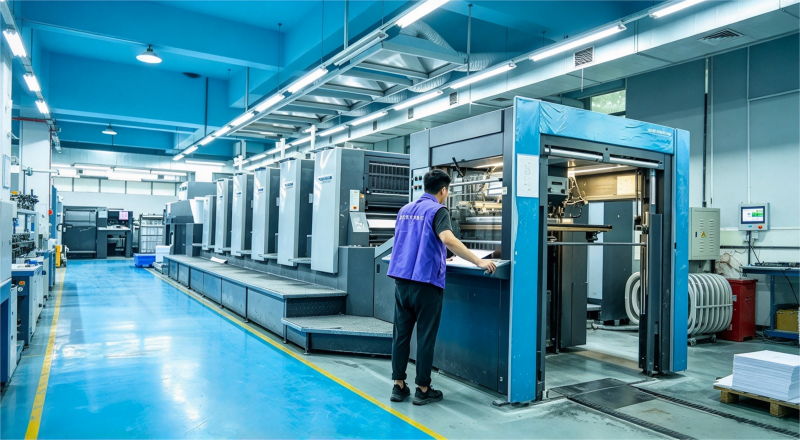
Explore our packaging factory, production equipment and rigid box manufacturing operations.
Explore Manufacturing
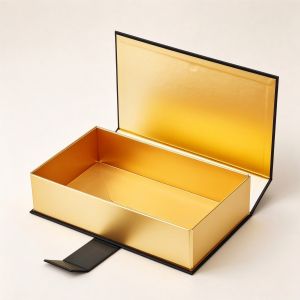 Folding Rigid Boxes
Space-saving rigid packaging designs.
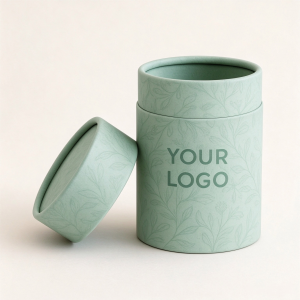 Packaging Tube Boxes
Distinctive cylindrical paper packaging.
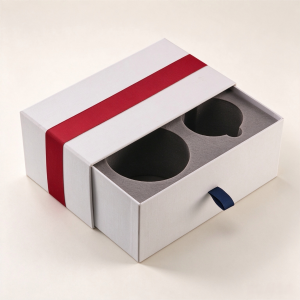 Drawer Boxes
Elegant sliding drawer box structures.
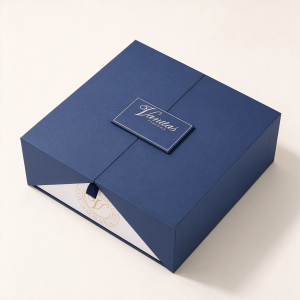
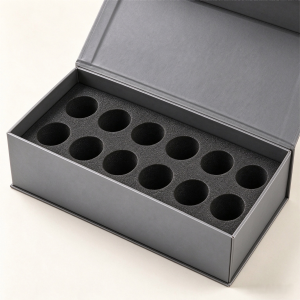
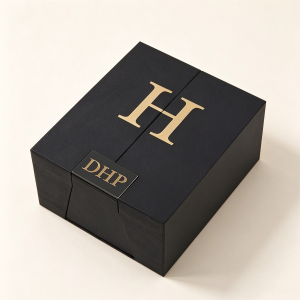 Magnetic Closure Boxes
Premium boxes with secure magnetic closure.
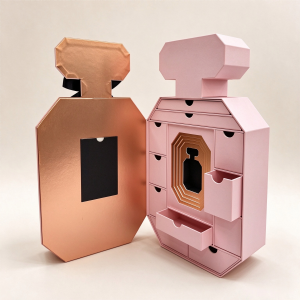 Advent Calendar Boxes
Multi-compartment seasonal gift packaging.
Explore our packaging factory, production equipment and rigid box manufacturing operations.
Explore Manufacturing
Discover our workflow from structural development and sampling to printing, assembly and quality control.
Explore Our Capabilities
Learn about responsible material choices, recyclable packaging design and reducing unnecessary material use.
Explore Sustainability
Professional packaging design support from concept to production.
Get Design Support →Explore practical packaging insights and quick answers to help you plan, customize, and order with confidence.

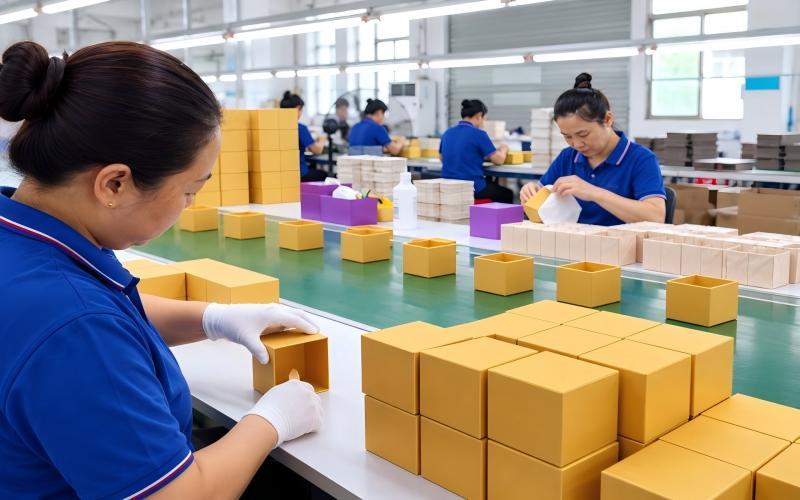
Discover our manufacturing expertise, dedicated team, and commitment to premium custom packaging solutions.
Explore Our Company →Stay connected with DHP Boxes
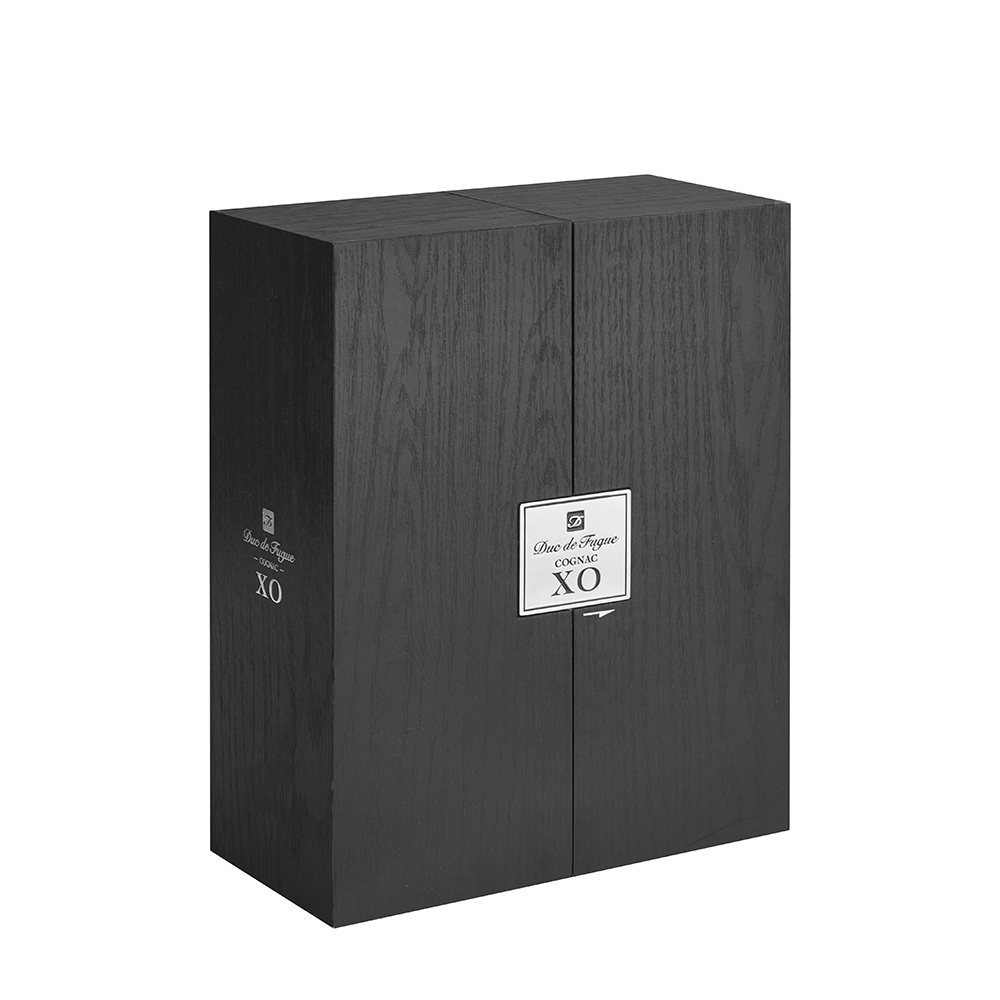
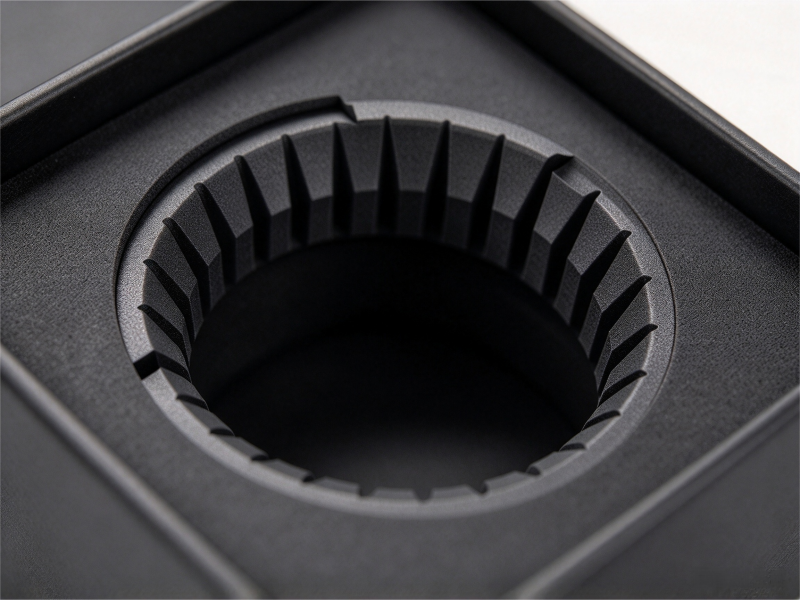
Wine packaging used to move slowly. A structure would hold for a decade, and the only thing that changed each vintage was the label. That is no longer true: lightweighting pressure, deposit and recycling rules in Europe, the collapse of the gift-box retail channel and a generation of drinkers who photograph the box before the bottle have all moved at once. This is a forward view of wine packaging trends for 2027, written for brands and importers who have to commit tooling this year. It is not a mood board. Each trend below comes with the production implication that decides whether it is affordable, and the point at which it stops being worth doing. The seven shifts in this guide Two links worth having open while you plan: our ten luxury wine box designs for the structural options, and eco-friendly wine box ideas for the material families behind the recyclability discussion above. The first wave of lightweighting targeted the bottle. The second wave targets the box. Buyers are asking what a 2.5 mm board does that a 2.0 mm board cannot, and whether the insert has to be a solid block. The production implication is a change in how structures are developed. Reducing board weight changes the compression strength of the shell and the way a wrapped corner behaves, so a lighter specification has to be re-sampled rather than substituted on a drawing. On a lift-off lid, the reduction usually shows up first as a lid that flexes when lifted. The pattern to expect is not a dramatic new material. It is smaller reductions, each justified by a test rather than a target percentage. Extended producer responsibility schemes and packaging waste rules have moved recyclability from a marketing claim to a line item buyers must document: which board, which wrap, which adhesive, which insert, and what happens to each in the waste stream the customer actually has. The friction point is the finish. Foil and film lamination improve the look and complicate the recycling story, so decide which surfaces are allowed to carry a finish: a common approach is a mono-material exterior with the metallic accent on a detachable element. The other practical change is documentation. Expect more requests for material declarations and certificates per order rather than per year, and expect the buyer's compliance team, not the packaging team, to be the one asking. Wine retail has shifted. More volume moves through e-commerce and direct-to-consumer, and gifting increasingly happens as a shipped parcel. The packaging has to do work a shelf and a salesperson used to do. Three consequences: the exterior has to survive a courier journey untouched, the unboxing has to carry the brand story a shop assistant would have told, and the box has to be worth keeping. The insert is where the sustainability argument is won or lost, because it is usually the only non-paper component. Die-cut paperboard and moulded pulp now hold a bottle through transit without foam, provided the cavity is engineered around the real bottle rather than a nominal diameter. The trade-off is precision. Paper holds less tolerance than EVA, so the bottle must be measured from the run and the largest bottle sets the fit. On a single-format edition that is easy; on a mixed range it is a specification problem to solve at the start. Two situations: irregular shapes that cannot be supported by folded paper, and very high value single bottles where the cost of a transit failure dwarfs the cost of the insert. Even then, the foam is usually a small cradle rather than a full block, which keeps the recycling story simpler. For most premium wine work in 2027, the default is paper and the exception is foam. That is a reversal of the position five years ago. The visual language of premium wine packaging is getting quieter. Where a 2019 brief might have specified foil, emboss, spot UV and a textured laminate, a 2027 brief is more likely to ask for one finish applied precisely on a stock that already feels expensive. Partly aesthetic, partly regulatory: fewer finishes mean a simpler material story. It is also a reaction to photography — a matte black shell with one blind emboss photographs better than a panel with four competing effects, and the box is judged in a photo before it is judged in the hand. Export economics have made the fold-flat rigid shell mainstream. For an importer paying by container or air, the difference between a formed box and a knocked-down shell can decide whether a premium edition is viable at all. The 2027 version of this trend is not simply "collapsible everywhere". It is selective: collapsible for the volume ranges that ship long distances, formed for the short-run editions that are packed near the point of sale. The production skill is designing one structure that can be produced both ways without changing the wrap or the insert. Minimum order quantities for rigid boxes keep falling. Brands run smaller, more frequent editions and personalise closer to the point of sale: a winery name added at packing, a card for a corporate order, a band printed for one event. The production answer is modularity. A neutral shell, a neutral insert and a variable printed element — band, sleeve, label card — let a brand run many small editions on one tooling set. It also keeps unsold stock usable, which matters more as edition sizes shrink. Most brands in 2027 will not develop a new structure. They will revise one that already exists, and the revisions that deliver most of the trend benefit without a new die are narrower than they look. The wrap is the cheapest lever. Moving from a film-laminated sheet to a textured uncoated stock changes the hand feel, simplifies the material declaration and usually costs less per sheet. It requires a print test, not a tooling change. The insert is the second cheapest. If the current insert is EVA in a shell with room to spare, a paperboard cradle can often drop in with a new cutting die only — no change to the shell. The finishing is the third. Removing one effect from a panel reduces passes and cost at the same time, and the reference sample is the only thing that has to be re-approved. What cannot be revised cheaply is the shell itself. Board grade, wall thickness and overall height are locked into the die and the wrap cut. Those changes belong to the next structural cycle, not to a running order. Wine and spirits are converging on the same visual language but diverging on regulation. Spirits packaging faces tighter labelling and marketing rules in most markets and carries a higher unit value, which keeps heavier structures and more elaborate finishing viable for longer. Wine, sold at lower average prices in higher volumes, feels the lightweighting and freight pressure first. The practical consequence for a supplier is that a wine programme and a spirits programme rarely share a structure even when they share a brand. What they can share is the wrap, the finishing vocabulary and the insert logic — which is why brands with both tend to standardise materials before structures. Trend lists overstate change. Three fundamentals will still decide whether a wine box works in 2027, regardless of which direction the market takes. The bottle defines the box. No design survives contact with a bottle that was measured from a drawing. The insert, the shell depth and the reveal all follow from the real, filled, labelled bottle in the production run. The sample is the specification. A signed physical sample, stored somewhere both parties can reach, settles more disputes than any document. Digital proofs and renders will keep improving and will keep being inadequate as a production reference. Freight is part of the design. A box that is beautiful and impossible to ship economically is a design that does not ship. The corridor between the factory and the shelf is a constraint like any other, and the earlier it enters the brief, the cheaper it is to satisfy. The wine packaging trends that matter for 2027 are operational rather than decorative: less material per box, a recyclability story that can be documented, packaging that carries the brand without a shelf, paper inserts on the premium tier, quieter finishing, selective collapsible construction and modular editions. None of these require a new material or a new machine. They require deciding earlier, sampling properly and keeping the specification honest — which is the same discipline that has always separated packaging that ships from packaging that impresses in a meeting. Usually only where freight is a visible cost. A small edition packed and sold locally saves less than the re-sampling costs, whereas an export programme can justify a lighter specification on volume alone. Yes, when the cavity is engineered around measured bottles from the production run and the design accounts for the largest bottle in the lot. Paper holds less tolerance than foam, so the fit matters more, not less. They complicate the recycling story rather than automatically ending it. The practical approach is to keep the shell mono-material and confine metallic or film effects to a detachable element such as a band or sleeve. For export volume, largely yes. For short runs packed near the point of sale, a formed box is still simpler and cheaper, because the assembly labour moves to the buyer's warehouse. One, applied precisely. A single deboss or foil on a stock that already feels expensive reads more premium in hand and in photographs than several effects competing on one panel. Planning a 2027 range and want the structure decided before the artwork? Send us the bottle and the channel: contact DHP Boxes.
Trend One: Weight Leaves The Structure Too
Change What it saves What has to be re-tested Board grade down one step Material cost and unit weight Compression under stacking, corner wrap quality Shell height reduced Board, wrap and freight volume Bottle clearance and the reveal when the lid lifts Insert thickness reduced Insert cost, box depth, freight Drop performance with the filled bottle Wrap changed to lighter stock Weight and finishing passes Creasing on corners, print opacity Trend Two: Regulation Becomes A Specification
From claim to evidence
Trend Three: The Box Replaces The Shelf
Trend Four: Paper Inserts Take The Premium Tier
What still justifies foam
Trend Five: Restraint Replaces Effect Stacking
Older default 2027 default Why Foil plus emboss plus spot UV One deboss or one foil Reads calmer in photos; simpler material declaration Film lamination for gloss Textured uncoated or soft-touch paper Better in hand; avoids a plastic layer Full-colour printed panel Coloured stock with a single hit Less ink, stronger identity Busy interior print One story panel on the inside lid Cost per unit and focus Trend Six: Collapsible Becomes A Freight Decision
Trend Seven: Small Editions And Late Customisation
What This Means For The Box You Already Have
Changing a live structure without re-tooling
Where Wine Packaging Sits Compared With Spirits
Three Things That Will Not Change
What To Do About It This Year
Decision Act now if Wait if Lighter board specification The box ships long distance and volume is high The structure is new and untested Paper insert conversion The current insert is foam and the product is a single bottle The assortment is irregular or fragile Collapsible construction Freight is a visible line in the landed cost Packing happens near the point of sale Finish reduction Two or more finishes compete on one panel None — this is the cheapest change available Modular edition design You expect more than two editions a year The range is fixed for the next twelve months
Final takeaway
FAQ
Is lightweighting wine packaging worth it for small brands?
Can a paper insert really hold a wine bottle in transit?
Do foil and lamination make a box unrecyclable?
Will collapsible rigid boxes become standard for wine?
How many finishes should a premium wine box have?
We understand that choosing the right boxes for your industry is critical. That’s why we invite you to contact us. Whatever your goals, DHP will help you achieve them.
Contact NowWe have a strong team that works closely with customers to meet market challenges and effectively meet specific needs. Your thought, we fulfill.
Request a Custom QuoteDHP Factory is committed to delivering manufacturing excellence.
