Manufacture
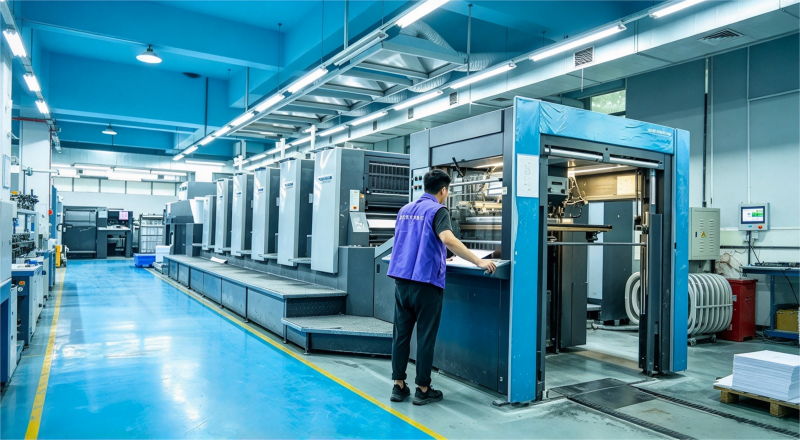
Explore our packaging factory, production equipment and rigid box manufacturing operations.
Explore Manufacturing
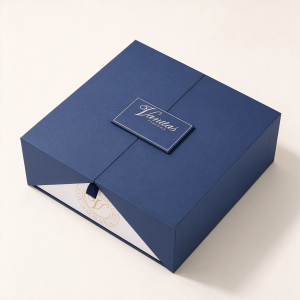
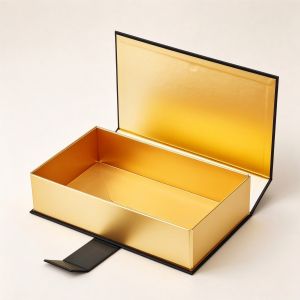 Folding Rigid Boxes
Space-saving rigid packaging designs.
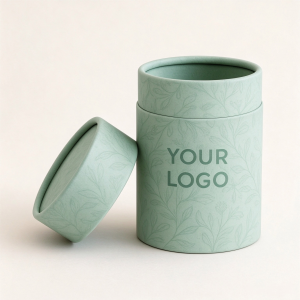 Packaging Tube Boxes
Distinctive cylindrical paper packaging.
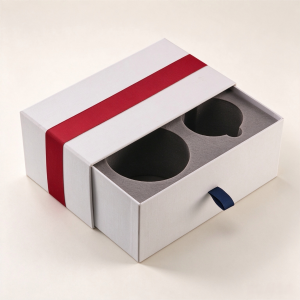 Drawer Boxes
Elegant sliding drawer box structures.
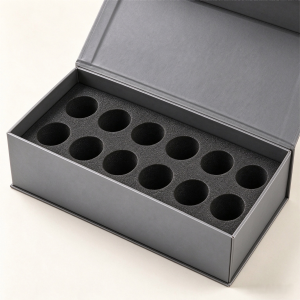
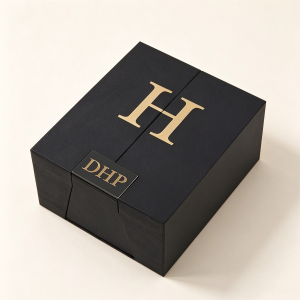 Magnetic Closure Boxes
Premium boxes with secure magnetic closure.
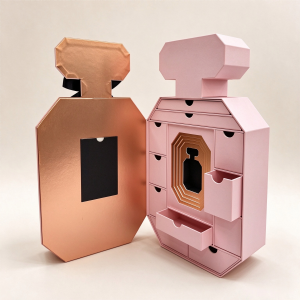 Advent Calendar Boxes
Multi-compartment seasonal gift packaging.
Explore our packaging factory, production equipment and rigid box manufacturing operations.
Explore Manufacturing
Discover our workflow from structural development and sampling to printing, assembly and quality control.
Explore Our Capabilities
Learn about responsible material choices, recyclable packaging design and reducing unnecessary material use.
Explore Sustainability
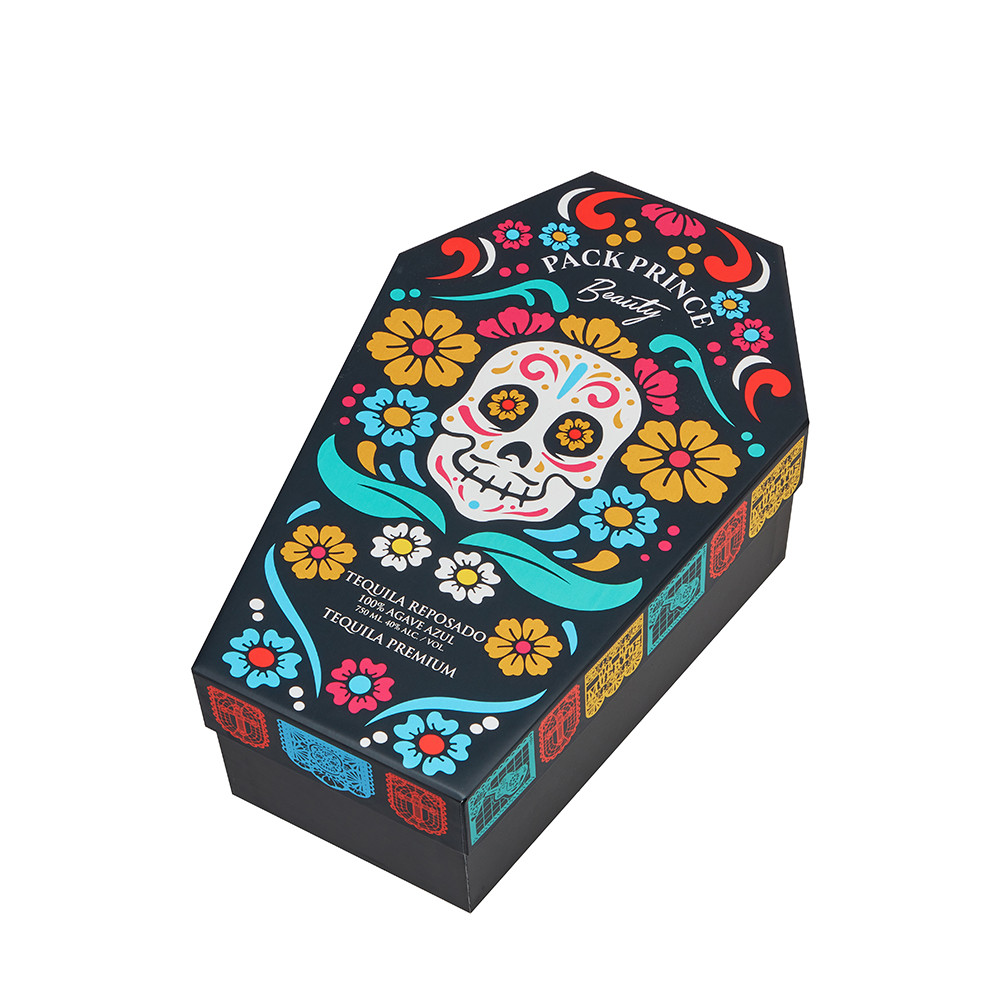
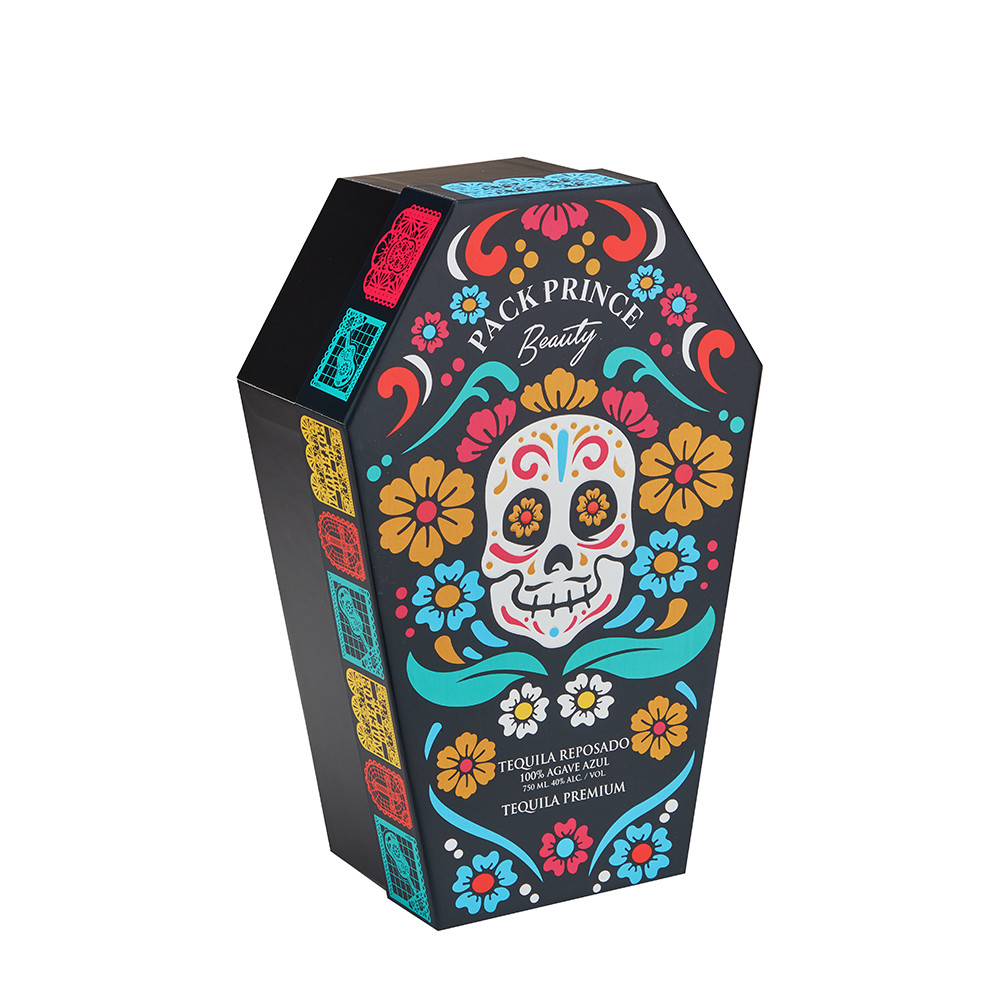
Halloween is the one season where a premium brand is allowed to be strange — and the one season where being strange gets expensive if the packaging was designed for a party aisle rather than a shelf. Orange pumpkins and cartoon bats move units at a supermarket. They destroy a €60 candle. This is a production-planning guide for seasonal boxes: how to design Halloween packaging that still reads as luxury, which structures actually work for the products brands sell in October, and the calendar that decides whether you ship or scramble. For general seasonal design direction, see our Halloween packaging design ideas overview. What follows is the operations side. The Halloween production calendar A permanent line can be corrected next season. A Halloween box cannot: the run is ordered once, ships once, and is worthless in November. That single fact changes every risk decision, and it is why seasonal work rewards conservative engineering and early approval rather than ambition. Three failure modes dominate. Late approval, where a colour sign-off slips into August and forces air freight that costs more than the packaging. Over-design, where a shaped or multi-tier structure is tooled for a single season and cannot be reused. And theme lock-in, where the artwork is so specific that unsold stock cannot be carried forward — pumpkins in November, nothing. The second and third rows share a solution worth naming: build the box once and change the dressing. A rigid lidded box in the brand's standard construction can carry a printed belly band, a foil-stamped sleeve or a wrapped lid for October, then return to the core range in January. The structure amortises across seasons; only the paper changes. Premium Halloween reads through restraint: deep matte blacks, oxblood and aubergine, a single copper foil, textured uncoated stock that absorbs light. The theme arrives in the palette and the surface, not in the iconography. Three moves do most of the work. A matte black wrap with a gloss-black or copper foil logo, where the contrast is only visible at an angle. A debossed motif instead of a printed one, so the image appears as shadow. And a spot UV or textured varnish on a small area, so the box catches light exactly where you want the eye. What to avoid: orange as a dominant colour on a premium box, printed bats and pumpkins at scale, plastic windows, and novelty shapes that only read as Halloween. Each of these converts a luxury object into a seasonal novelty, and the price point collapses with it. Halloween assortments are usually multi-item: a candle plus matches, four chocolates, a mini bottle set, a costume jewellery capsule. The structure should follow the assortment, not the theme. The multi-compartment route is the one most brands under-explore. A box with a numbered or shaped compartment layout — thirteen for a Friday-the-13th tie-in, thirty-one for October — gives the season a structure rather than a sticker, and it sells the same way an advent calendar does: the format is the product. Our guide to advent calendar structures covers the tooling and assembly implications directly. An assortment is a protection problem before it is a design problem. Components of different sizes in one box move against each other, and glass-plus-metal combinations mark quickly. Paper inserts are usually the right call for seasonal assortments: fully recyclable, cheap to change between seasons, and precise enough for a defined product set. Foam still wins where a component is fragile and irregular, but it locks the packaging into a non-recyclable route that many retail partners now score against. Before approving artwork, ask whether the same box could ship in the first week of November without embarrassment. If the answer is no, the design is too specific — and any unsold stock becomes a write-off rather than next year's inventory. A practical compromise: keep the outer box season-neutral in colour and structure, and put the Halloween statement on a removable element. That single decision changes the stock risk from "scrap" to "reuse", and it costs almost nothing at the print stage. Seasonal demand is forecast, not measured, and the forecast is always wrong in one direction. The structural problem is that packaging cannot be reordered inside the season: production plus freight is six to eight weeks, longer than the selling window. Three practical responses. Split the run by SKU so the hero product gets more depth than the tail. Order the upper end of the range and accept carry-over of the season-neutral components. And pre-agree a reorder option on the neutral structure before the season, so a late surge can be met with the standard box and a reprint of the band, rather than a full seasonal rerun. Also agree, in writing, what happens to unused seasonal components. A supplier who will hold the band and sleeve tooling for next year saves you a setup charge; one who will not should be asked before the order, not after. A box designed for a retail fixture has to work at arm's length, in mixed lighting, among competitors. It needs scale, contrast and a readable price position from two metres away. A box designed for e-commerce is opened on a kitchen table by one person who already bought the product, and its job is the reveal. Seasonal ranges usually need both, and the compromise is not obvious. The retail version usually needs a larger printed area and a bolder colour block; the e-commerce version can be smaller, quieter and more textural, because the sale has already happened. Building one box for both channels often produces a box that is too loud at home and too quiet on shelf. A workable answer: keep the structure and insert common, and vary only the wrap print between channels. The tooling cost is paid once; the print plates are cheap by comparison. E-commerce also brings a protection problem the retail box never faces: the presentation box travels inside a shipping carton, and it may be handled three or four times before it is opened. Specify corner protection in the shipper and test the assembled pair, not the box alone. A seasonal box that arrives dented has cost the brand more than the packaging did. Seasonal budgets are finite and the temptation is to spread them across print, structure and novelty. Spend it in this order, and stop when the money runs out. First, the wrap stock. A textured, uncoated or soft-touch paper changes perceived quality more than any print effect, and it survives photography better. Second, one finishing accent used precisely — a single foil, a deboss, a spot varnish on one element. Third, the insert fit, because a loose product in a beautiful box reads as cheap immediately. What not to spend on: multiple foil colours competing on one panel, elaborate die-cut shapes for a single season, or novelty closures that complicate assembly and cannot be reused. Each adds cost per unit and subtracts from the impression the box makes in a customer's hands. A final operational point. Seasonal work compresses every decision into a shorter window, so the supplier relationship matters more than in a core range. Ask, before the season, whether they can hold your tooling and leftover components for next year. That one question turns a one-off order into a two-year asset. Premium Halloween packaging is a restraint exercise wrapped in a deadline. Carry the mood in matte stock, deep palette and one considered foil; keep the structure standard so the tooling amortises; put the seasonal statement on a removable element so unsold stock survives November; and work backwards from the retail date with every approval gate dated. The brands that win October are not the ones with the most inventive box. They are the ones whose box was approved in June, tested in July and landed in August — and whose design still looks expensive in a photograph taken by a customer. Six to eight months before the retail date. For an October shelf, that means concept in March and production in July, with sea freight booked immediately after. Anything later and you are choosing between air freight and a missed season. Yes, by carrying the theme in material and palette rather than imagery. Matte black, oxblood, aubergine, textured uncoated stock, deboss instead of print, and a single copper or gloss-black foil. Avoid large orange areas and cartoon motifs on high-price items. It depends on structure and finishing, and seasonal runs are usually smaller than core ranges. The useful approach is to keep the structure standard and vary only the wrap or band, which lowers the effective minimum because the tooling is shared. Our guide to minimum order quantities explains the break points. Design the core box season-neutral and put the Halloween statement on a removable sleeve, band or lid wrap. Unsold units then re-enter the standard range instead of being scrapped, and next year's run only needs new dressing. The risk is higher because there is no time to reprint, not because the packaging is weaker. Specify the transit test on the packed assortment in July and hold a small buffer of the neutral components rather than the seasonal print. That is the main argument for a neutral structure: one rigid box, one insert, two seasonal wraps. It also shortens the following year's development to artwork only, which is where most of the schedule risk sits. Working to an October date? Send the product list and retail deadline and we will map the reverse schedule: start a seasonal brief, or browse holiday gift boxes.
Why Seasonal Packaging Fails Differently
Failure mode
Cost
Prevention
Late colour approval
Air freight on the full run
Proof signed before production slot is booked
Bespoke shaped tooling
Tooling amortised over one season
Standard rigid structure with printed seasonal wrap
Theme-only artwork
Unsold units scrapped or discounted
Season-neutral box + removable seasonal sleeve or band
Under-estimated demand
No reorder possible in October
Order the top of the range; split the run by SKU
Designing Scary Without Losing The Price Point
Mood through material, not motif
Structures That Suit October Products
Product set
Structure
Why
Single premium item (candle, bottle)
Lid and base rigid box with paper insert
Full reveal on lift; insert sets the presentation angle
Chocolate or confectionery assortment
Drawer box with divided tray
Sequential reveal; dividers hold pieces in transit
Beauty or jewellery capsule
Magnetic book-style box
Shelf presence when closed; two-panel reveal
Counting or gifting set (13, 31 pieces)
Multi-compartment rigid or advent-style
Turns the count itself into the experience
High-volume retail multipack
Folding carton with printed band
Cost per unit; ships flat; seasonal wrap only
Inserts And Transit For Assortments
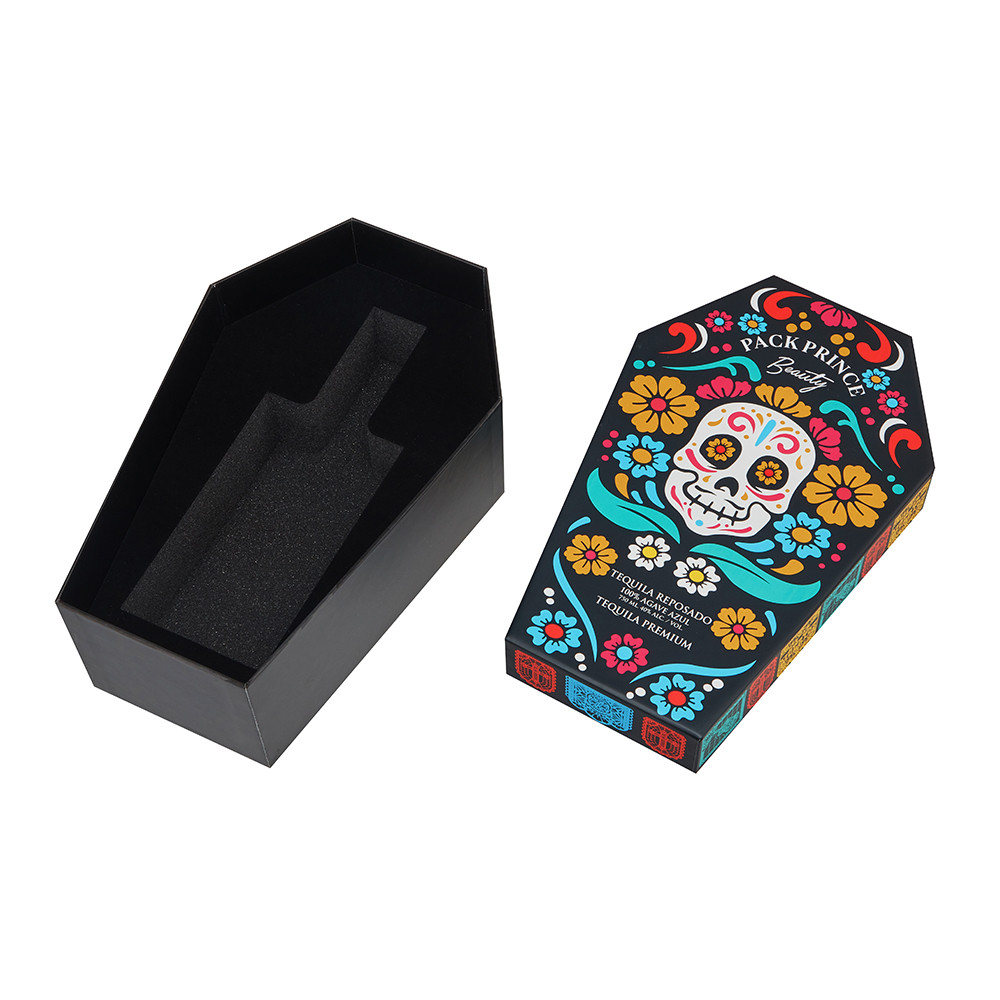
The carry-forward test
Order Quantities, Reorders And The October Cliff
Retail Versus E-Commerce: Two Different Halloween Briefs
The same box fails in one channel
Where The Budget Should Go
Pre-Season Approval Checklist
Gate
When
What is signed
Structure and dieline
April
White sample, dimension sheet
Artwork and colour
June
Physical proof, colour measurement
Finish samples
June
Foil, deboss, varnish on the actual stock
Insert fit
July
Packed assortment, five units
Transit test
July
Drop record, packed carton
Freight booking
July
Booking confirmation, ETA at destination
Final takeaway
FAQ
When should we start a custom Halloween packaging project?
Can Halloween packaging still look premium?
What is a sensible minimum order for a seasonal box?
How do we stop unsold Halloween stock becoming waste?
Are seasonal boxes more likely to arrive damaged?
Can we reuse the same structure for Christmas?
We understand that choosing the right boxes for your industry is critical. That’s why we invite you to contact us. Whatever your goals, DHP will help you achieve them.
Contact NowWe have a strong team that works closely with customers to meet market challenges and effectively meet specific needs. Your thought, we fulfill.
Request a Custom QuoteDHP Factory is committed to delivering manufacturing excellence.
