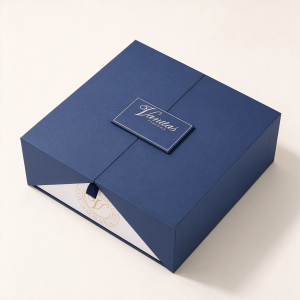
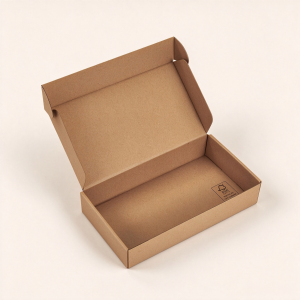
Manufacture
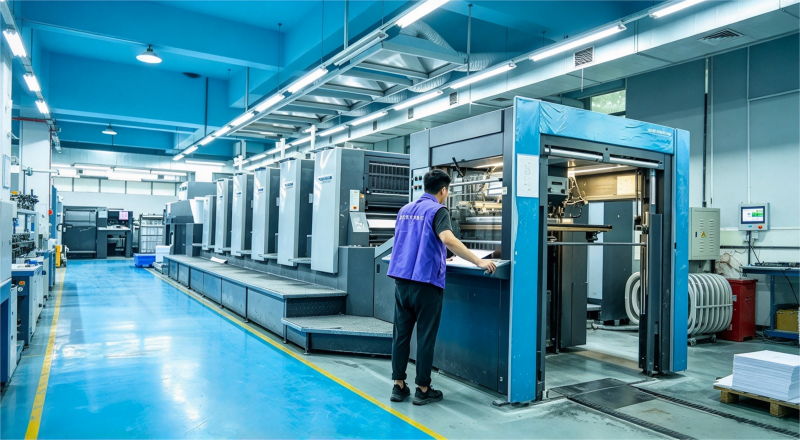
Explore our packaging factory, production equipment and rigid box manufacturing operations.
Explore Manufacturing
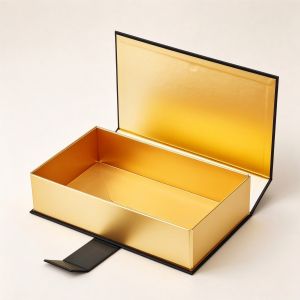 Folding Rigid Boxes
Space-saving rigid packaging designs.
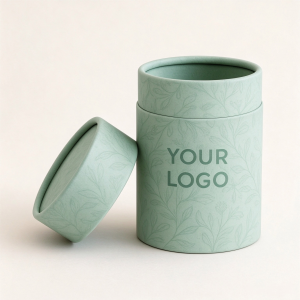 Packaging Tube Boxes
Distinctive cylindrical paper packaging.
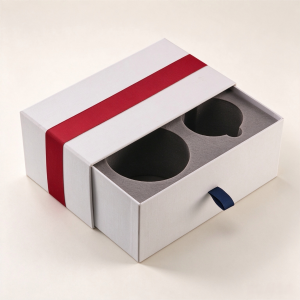 Drawer Boxes
Elegant sliding drawer box structures.
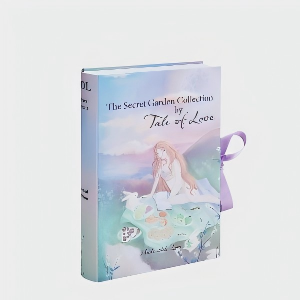 Book-Style Boxes
Luxury book-inspired packaging designs..
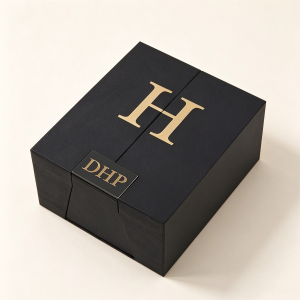 Magnetic Closure Boxes
Premium boxes with secure magnetic closure.
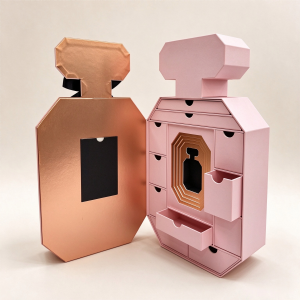 Advent Calendar Boxes
Multi-compartment seasonal gift packaging.
Explore our packaging factory, production equipment and rigid box manufacturing operations.
Explore Manufacturing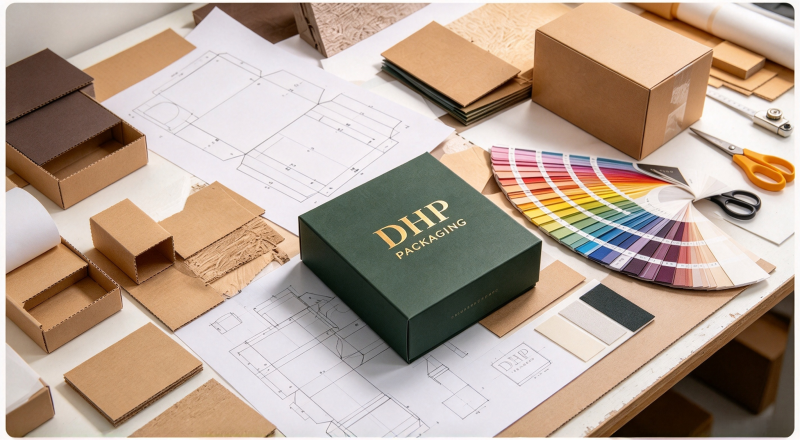
Discover our workflow from structural development and sampling to printing, assembly and quality control.
Explore Our Capabilities
Learn about responsible material choices, recyclable packaging design and reducing unnecessary material use.
Explore Sustainability
Professional packaging design support from concept to production.
Get Design Support →Explore practical packaging insights and quick answers to help you plan, customize, and order with confidence.
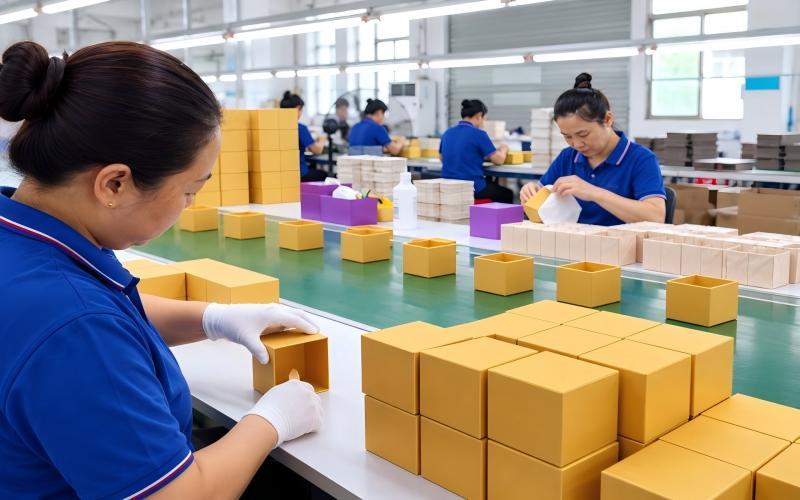
Discover our manufacturing expertise, dedicated team, and commitment to premium custom packaging solutions.
Explore Our Company →Stay connected with DHP Boxes
Compare custom packaging inserts for premium products. Learn when paperboard inserts, EVA foam inserts or molded fiber inserts make sense for perfume, wine bottles, jewelry and cosmetics.
For a luxury packaging project, the right insert must do more than look refined: it must hold the product securely, allow comfortable removal and work with the outer box and the intended end-of-life route.
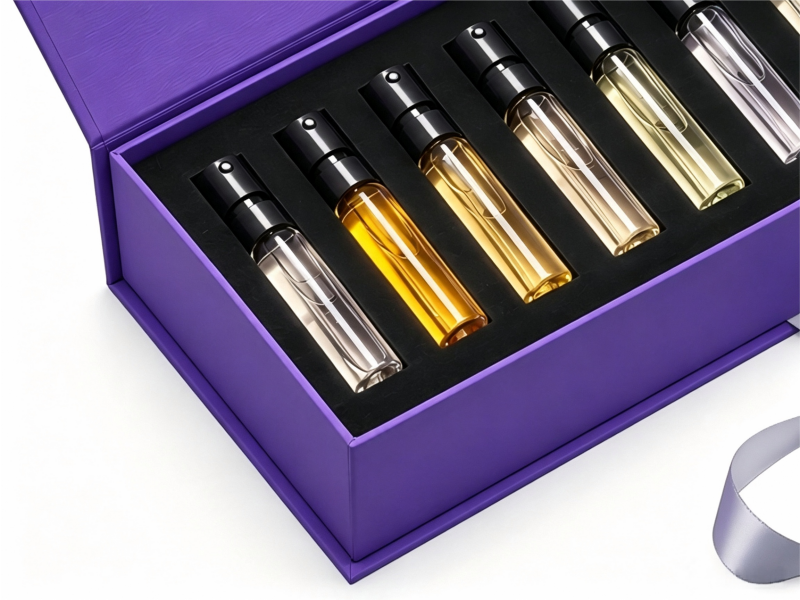
Quick answer: Paperboard inserts are a practical starting point for lightweight products and paper-led packaging; EVA foam inserts suit products that need a close-fitting cavity and cushioning; molded fiber inserts are worth evaluating when a shaped fibre-based support is required. The best choice depends on product weight, fragility, transport conditions, removal method and whether the complete insert can be separated for local recycling.
Do not choose an insert by material name alone. Test the actual product in the finished box and check retention, movement, surface contact, finger access, packing speed and the material combination after use.
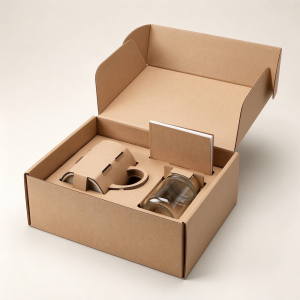
All three materials can be customized, but they are made and perform differently. Paperboard is cut and folded into supports or compartments; EVA is cut or routed into shaped cavities; molded fiber is formed from a pulp mixture using a dedicated mold. Their protection, appearance, tooling and end-of-life considerations are therefore not interchangeable.
| Decision factor | Paperboard inserts | EVA foam inserts | Molded fiber inserts |
|---|---|---|---|
| Typical construction | Die-cut, creased and folded board; trays, platforms, dividers and locking tabs | Cut or routed closed-cell foam; may be layered or surface-wrapped | Pulp slurry formed into a shaped tray or cradle using tooling |
| Product retention | Created through folds, tabs, partitions and fitted openings | Close-fitting cavities and controlled compression | Contoured cavities, ribs and support walls |
| Cushioning | Limited to moderate; depends on structure and board grade | Often good cushioning; depends on foam density, thickness and cavity design | Can provide useful cushioning and bracing; must be tested for the product and route |
| Presentation | Clean, printable and easy to coordinate with the box artwork | Precise, smooth and premium; can be flocked or covered | Natural fibre texture; surface and colour vary by specification |
| Removal | Can include thumb notches, lift tabs or open sides | Needs finger clearance, pull tabs or a planned grip area | Needs accessible edges, lift points or enough cavity clearance |
| Development setup | Cutting die and structural sampling | Cutting die, CNC/routing or layered cutting depending on design | Forming mold and prototype evaluation |
| End-of-life review | Often compatible with paper recycling if coatings, laminates, adhesives and local rules allow | Usually needs a separate route; check local acceptance and whether coverings can be removed | Fibre-based, but acceptance depends on composition, additives, coatings and local collection rules |
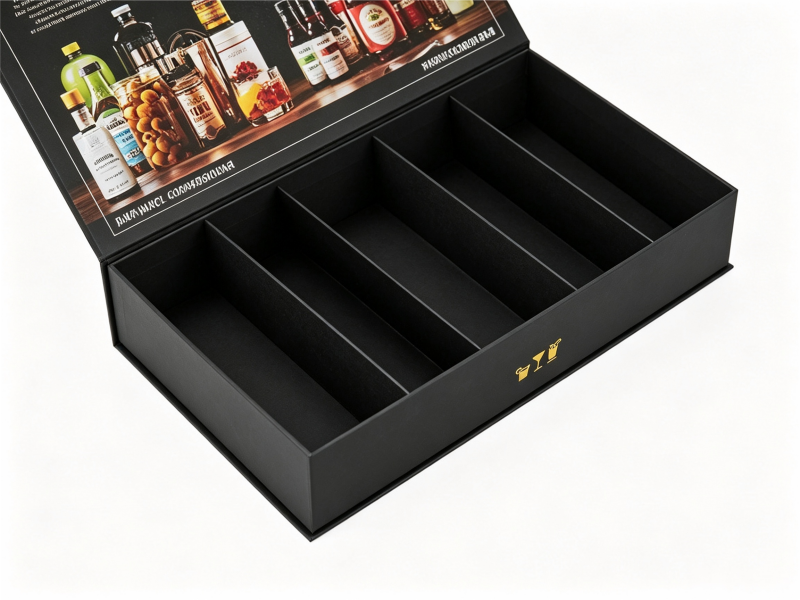
Paperboard inserts are made from a sheet material that is cut, creased and folded into a tray, platform, divider or retaining structure. They work well when the product is relatively light, has a predictable shape and does not require deep cushioning.
They are useful for cosmetic sets, lightweight fragrance accessories, gift collections and multi-item kits. Printed surfaces can carry product information or continue the visual language of the outer box.
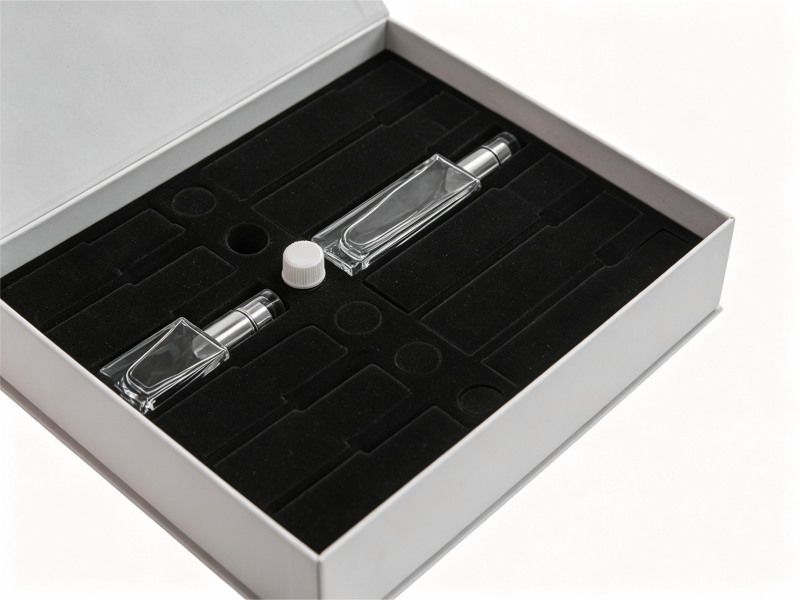
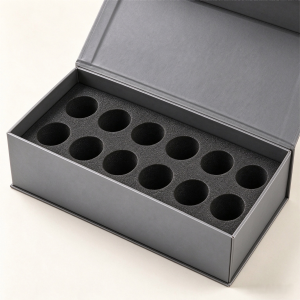
EVA is a closed-cell foam that can be cut into cavities shaped around a product. Its firmness, thickness and density influence how securely the product is held and how much cushioning the insert provides.
It is commonly considered for glass perfume bottles, premium accessories, watches and jewellery presentation boxes. A velvet, microfiber or other covering may be added for a softer contact surface, but each additional layer affects material separation and recycling.
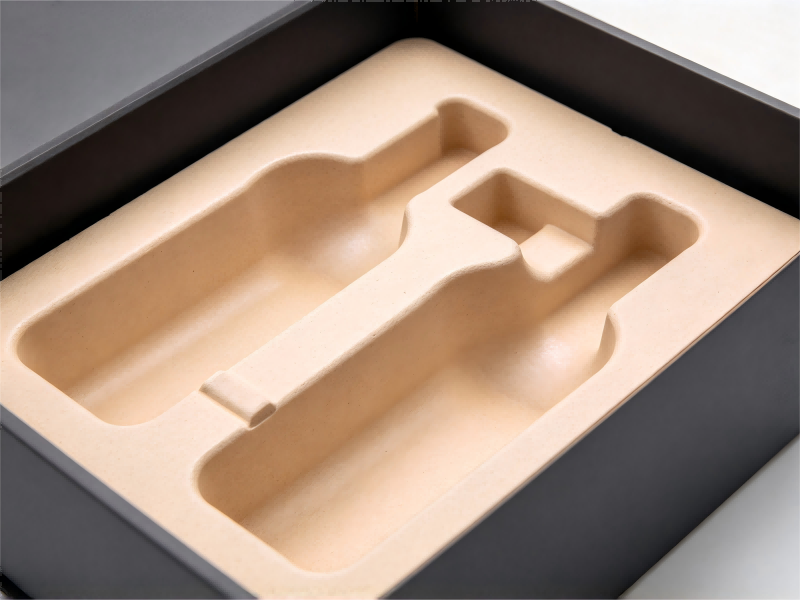
Molded fiber inserts are formed from a pulp mixture in a tool designed around the product. The resulting tray can incorporate cavities, ribs and support zones that help locate the product without relying on a separately cut foam block.
This option can be considered for bottles, jars and products with a defined shape where the brand wants a fibre-based interior. The natural surface may be appropriate for some brand identities, while premium visible surfaces may require careful specification and sample approval.
The product category narrows the options, but it does not determine the answer by itself. Bottle weight, cap shape, jewellery type, number of SKUs and distribution conditions all influence the insert design.
| Product | Insert options to evaluate | What the sample must prove |
|---|---|---|
| Perfume bottles | EVA foam, molded fiber or engineered paperboard | Support under the bottle base and shoulders; control movement; protect cap and atomizer; allow easy lifting |
| Wine and spirits bottles | Reinforced paperboard, molded fiber or EVA | Support bottle weight and neck; prevent bottle-to-box contact; withstand agreed distribution checks |
| Jewelry | Covered EVA/foam, paperboard platforms, cushions or pads | Prevent pieces from shifting or tangling; avoid scratching; provide suitable ring, earring or necklace presentation |
| Cosmetics and skincare | Paperboard trays, EVA or molded fiber | Separate bottles and jars; support pumps and caps; provide finger access; keep products upright |
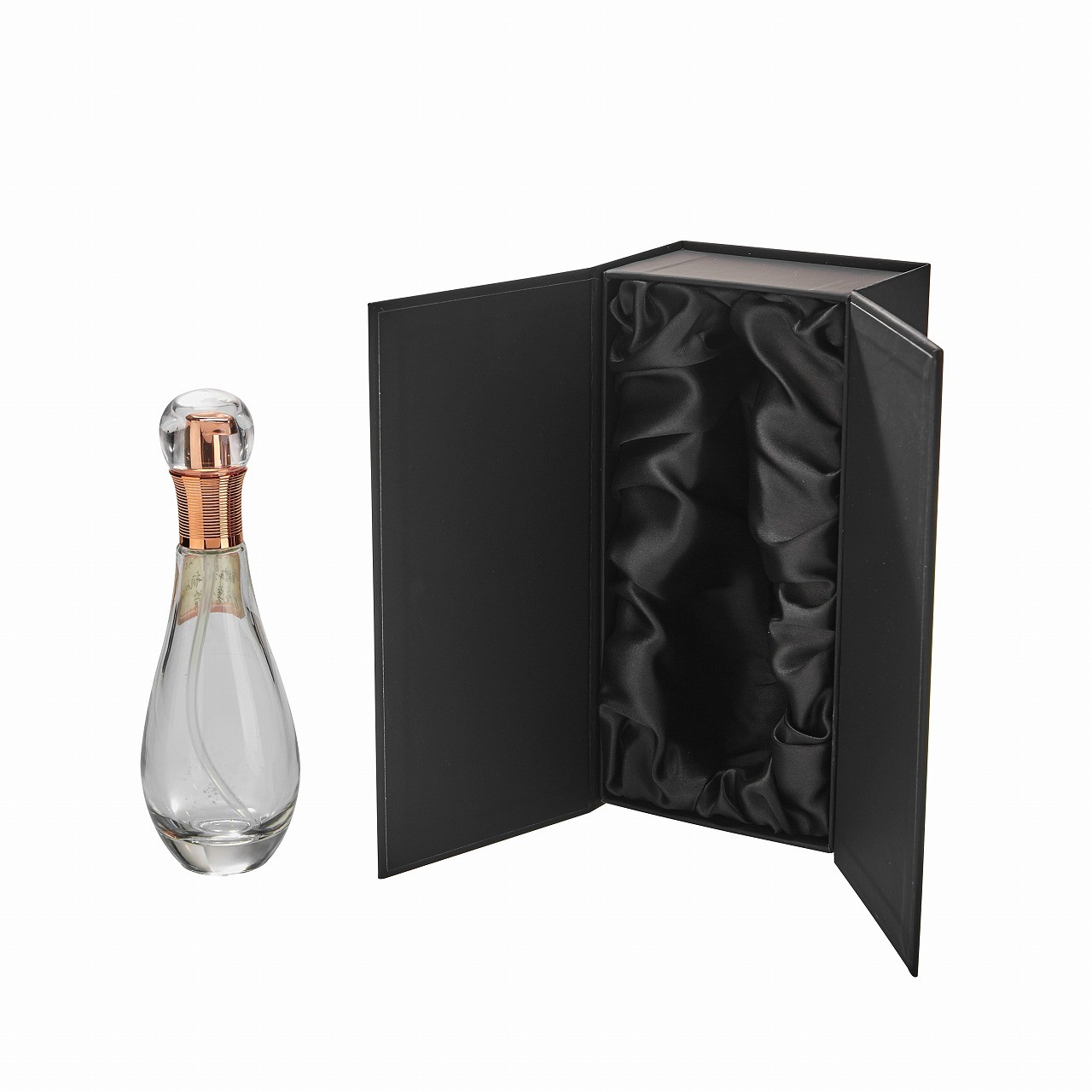
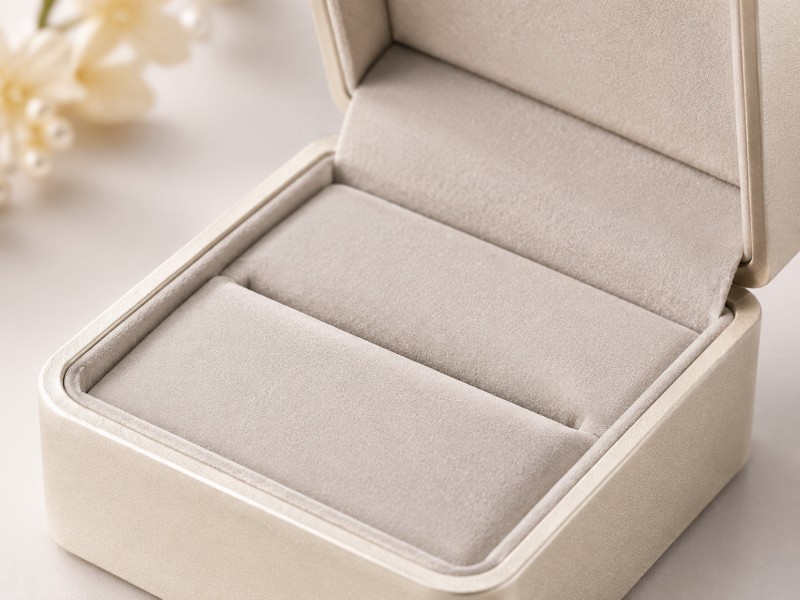
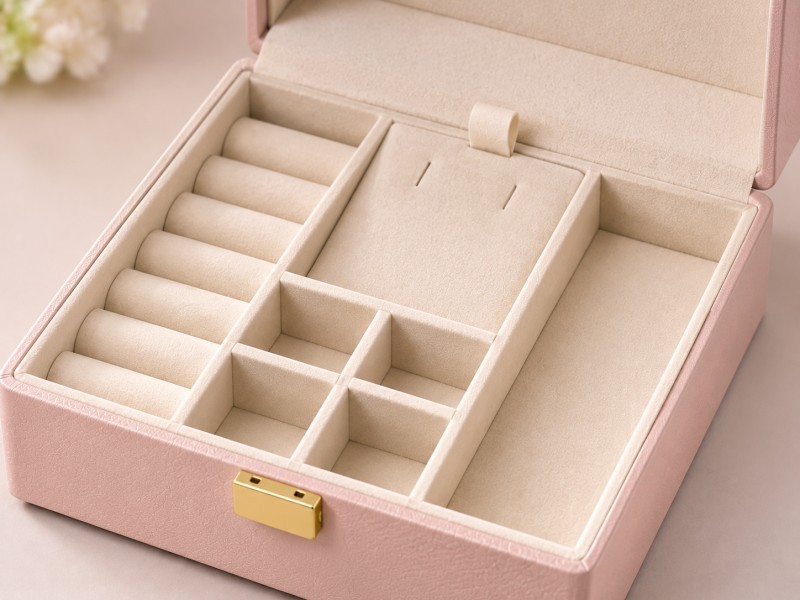
For fragrance projects, explore DHP Boxes custom perfume packaging boxes. For spirits, see our real magnetic liquor box case study showing EVA and paperboard insert development. For beauty products, browse custom cosmetic packaging boxes, and for fine accessories, visit custom jewelry packaging boxes.
A well-designed insert balances retention with access. If the cavity is too loose, the product can move; if it is too tight, customers may struggle to remove it or apply pressure to a fragile component.
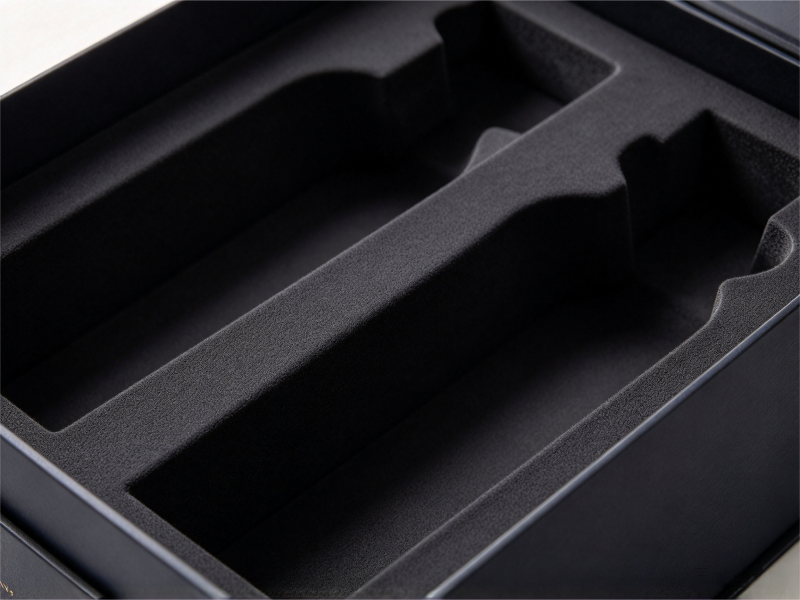
Recyclability depends on the insert's exact composition and the collection system where the packaging is sold. A paperboard or molded fiber component may fit an available fibre-recycling stream, but coatings, laminations, adhesives, labels, contamination and local sorting rules can change the outcome. EVA foam is a different material stream and is not accepted in many household paper-recycling systems.
| Insert construction | What to check before making a claim | Design action |
|---|---|---|
| Uncoated paperboard insert | Local paper collection acceptance, inks, coatings and adhesive use | Prefer simple folds and mechanical locking where practical; avoid unnecessary mixed layers |
| Paperboard with film, fabric or foam lamination | Whether layers can be separated by the consumer and accepted by local facilities | Keep coverings removable where feasible and explain disposal instructions accurately |
| EVA foam insert | Local take-back or specialist collection options; whether flocking or wrapping changes the route | Use only where its fit or cushioning function is needed; consider a removable insert |
| Molded fiber insert | Fibre composition, wet-strength additives, coatings, attached components and local acceptance | Specify the fibre blend and surface treatment; avoid claiming universal recyclability or compostability |
For EU-bound packaging, buyers should assess the complete packaging design against applicable requirements and the implementation timeline in the destination market. Do not treat a material label, recycled-content statement or “plastic-free” appearance as proof that the finished pack is recyclable in every location.
See DHP Boxes sustainability and material-selection information for further discussion of packaging design and responsible material choices.
Approve the insert as part of the complete packaging system, not as a loose component. The insert affects the outer box dimensions, product loading, closure clearance, shipping volume and the customer's unboxing experience.
To develop a quotation, prepare the product dimensions, weight, product photos or physical samples, box structure, order quantity, target market and preferred material direction. If you are still comparing options, ask the packaging team to quote alternative insert constructions against the same product and box dimensions.
Learn more about DHP Boxes manufacturing facility and structural development, sampling and production capabilities.
A useful insert quotation starts with the product and its handling requirements. The more complete the brief, the easier it is to compare paperboard, EVA and molded fiber on a like-for-like basis.
EVA foam, molded fiber and engineered paperboard can all be considered, depending on bottle weight, shape, fragility and shipping conditions. Test the actual bottle for retention, impact performance and easy removal before approving the design.
They can be suitable when the structure is engineered with enough support, such as shaped platforms, partitions or reinforced folds. For heavier bottles or demanding distribution routes, compare them with molded fiber or EVA and verify the complete pack through sampling and agreed testing.
Paperboard inserts are cut and folded from sheet material. Molded fiber inserts are formed from pulp in a shaped tool, allowing contoured cavities and ribs. The choice depends on product geometry, tooling, surface expectations, order volume and local recycling conditions.
Yes. EVA can be covered with velvet or other textile-like materials for a softer premium appearance. The covering method, adhesive and foam should be confirmed in the sample, and the added layers should be considered when reviewing material separation and disposal.
No universal claim should be made without checking the fibre blend, additives, coatings, attached materials and the collection or composting facilities available in the destination market. Confirm the exact specification and applicable local guidance.
Plan thumb notches, finger recesses, pull ribbons, lift tabs or removable trays. The correct feature depends on product size, cavity depth, customer handling and the desired appearance. Test it with the actual product.
Provide product dimensions, weight, photos or physical samples, box dimensions, product quantity per set, protection needs, order quantity and target market. These details help the manufacturer recommend and sample a suitable insert structure.
Yes. Some projects combine paperboard dividers with shaped EVA supports or use a removable tray with a separate protective component. Mixed-material designs should be reviewed for assembly, product fit, material separation and end-of-life instructions.
We understand that choosing the right boxes for your industry is critical. That’s why we invite you to contact us. Whatever your goals, DHP will help you achieve them.
Contact NowWe have a strong team that works closely with customers to meet market challenges and effectively meet specific needs. Your thought, we fulfill.
Request a Custom QuoteDHP Factory is committed to delivering manufacturing excellence.
