Manufacture
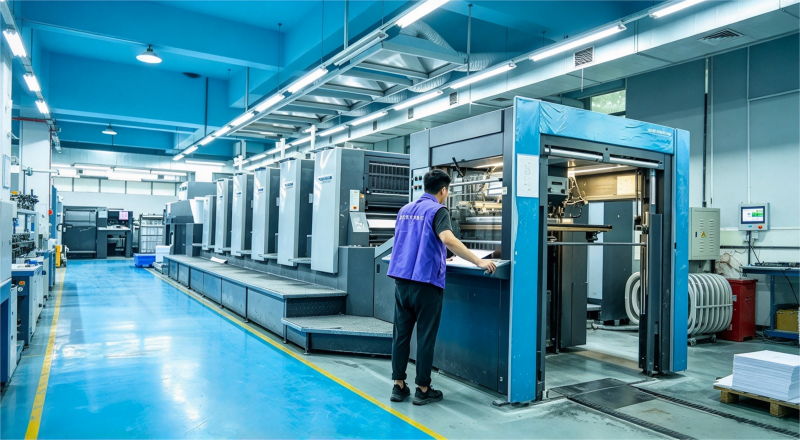
Explore our packaging factory, production equipment and rigid box manufacturing operations.
Explore Manufacturing
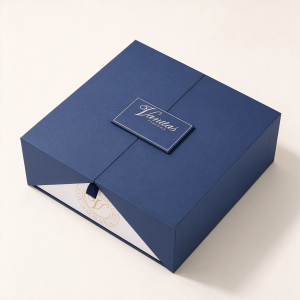
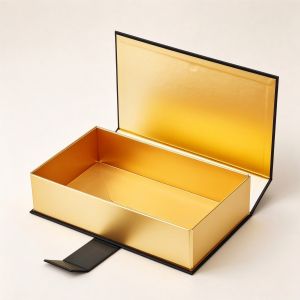 Folding Rigid Boxes
Space-saving rigid packaging designs.
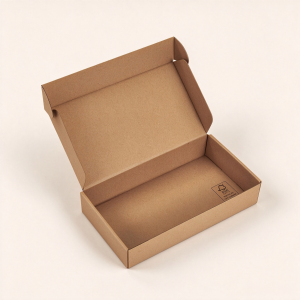
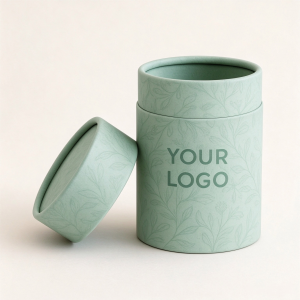 Packaging Tube Boxes
Distinctive cylindrical paper packaging.
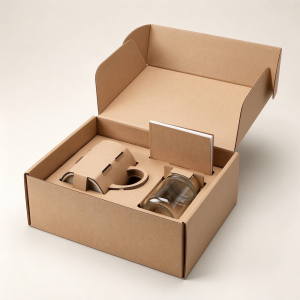
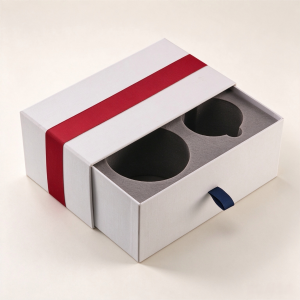 Drawer Boxes
Elegant sliding drawer box structures.
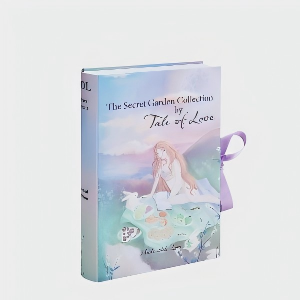 Book-Style Boxes
Luxury book-inspired packaging designs..
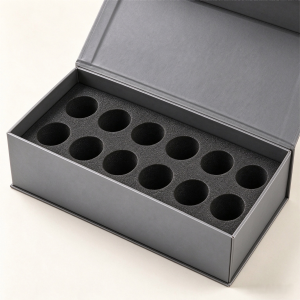
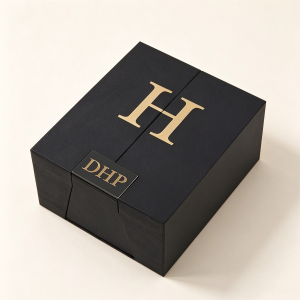 Magnetic Closure Boxes
Premium boxes with secure magnetic closure.
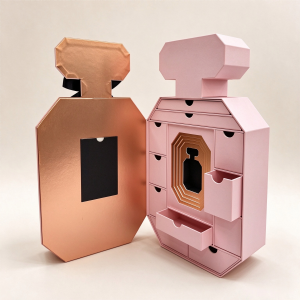 Advent Calendar Boxes
Multi-compartment seasonal gift packaging.
Explore our packaging factory, production equipment and rigid box manufacturing operations.
Explore Manufacturing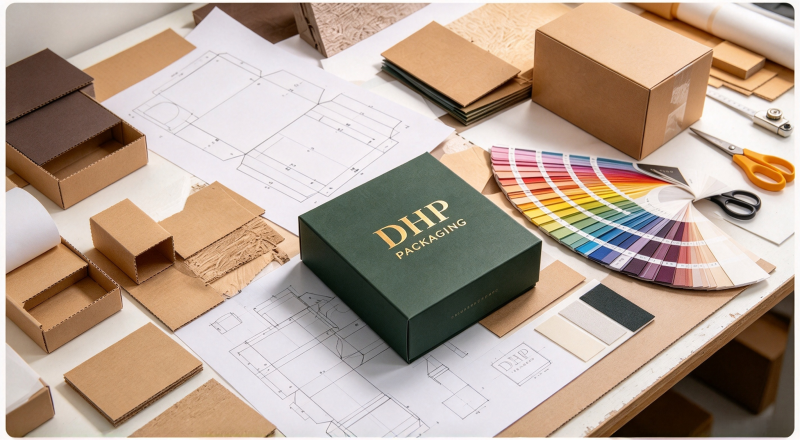
Discover our workflow from structural development and sampling to printing, assembly and quality control.
Explore Our Capabilities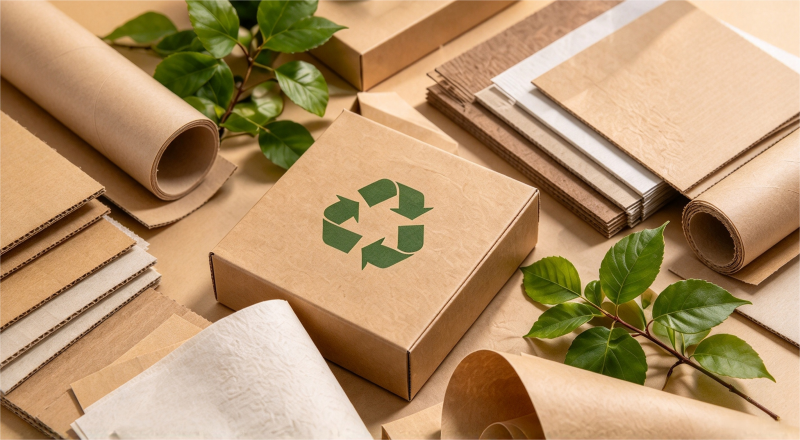
Learn about responsible material choices, recyclable packaging design and reducing unnecessary material use.
Explore Sustainability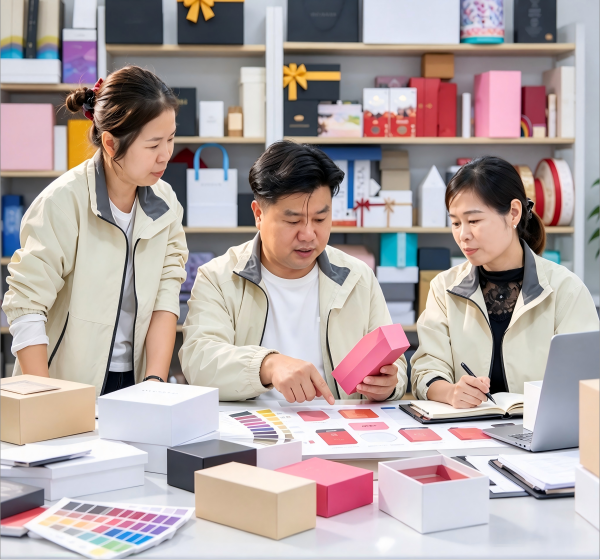
Professional packaging design support from concept to production.
Get Design Support →Explore practical packaging insights and quick answers to help you plan, customize, and order with confidence.
Discover our manufacturing expertise, dedicated team, and commitment to premium custom packaging solutions.
Explore Our Company →Stay connected with DHP Boxes
Have an existing packaging box you want to reproduce but no original dieline or manufacturing specifications? Many brands face this situation when changing suppliers, updating packaging materials or preparing a new production run.
A custom packaging manufacturer can evaluate an existing box, reference images or design files to develop a similar packaging solution. However, the accuracy of reproduction depends on the available references, materials, structural details and sample approval process.
Yes. A custom rigid box manufacturer can assess an existing physical sample, technical drawings or reference photos to develop a similar box. Physical samples provide more reliable information about dimensions, structure and finishing. Exact material, color and construction matching may require additional specifications, supplier research and prototype testing.
The information you provide determines what a packaging factory can evaluate during the initial development stage.
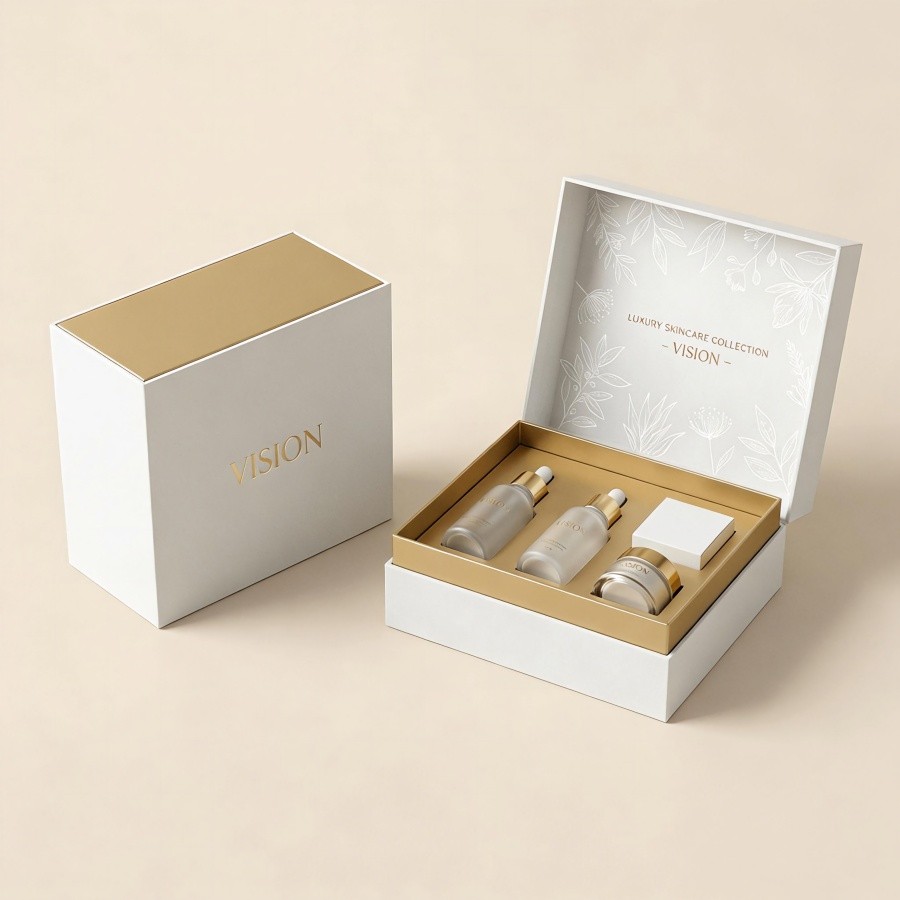
Most useful for: Structural evaluation and material comparison.
A physical sample allows the manufacturer to measure the box, inspect opening mechanisms and examine wrapping, inserts and finishing details.
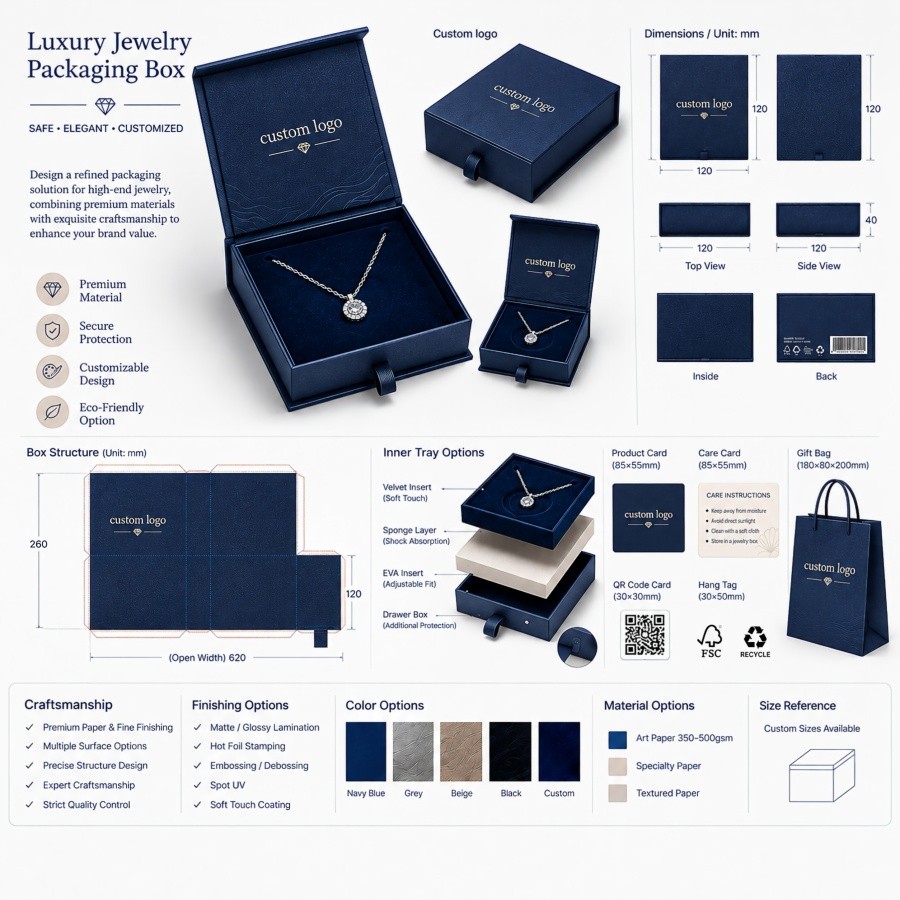
Most useful for: Initial concept development.
Photos help identify the visible structure and appearance. However, hidden construction, material thickness and precise dimensions may need further evaluation.
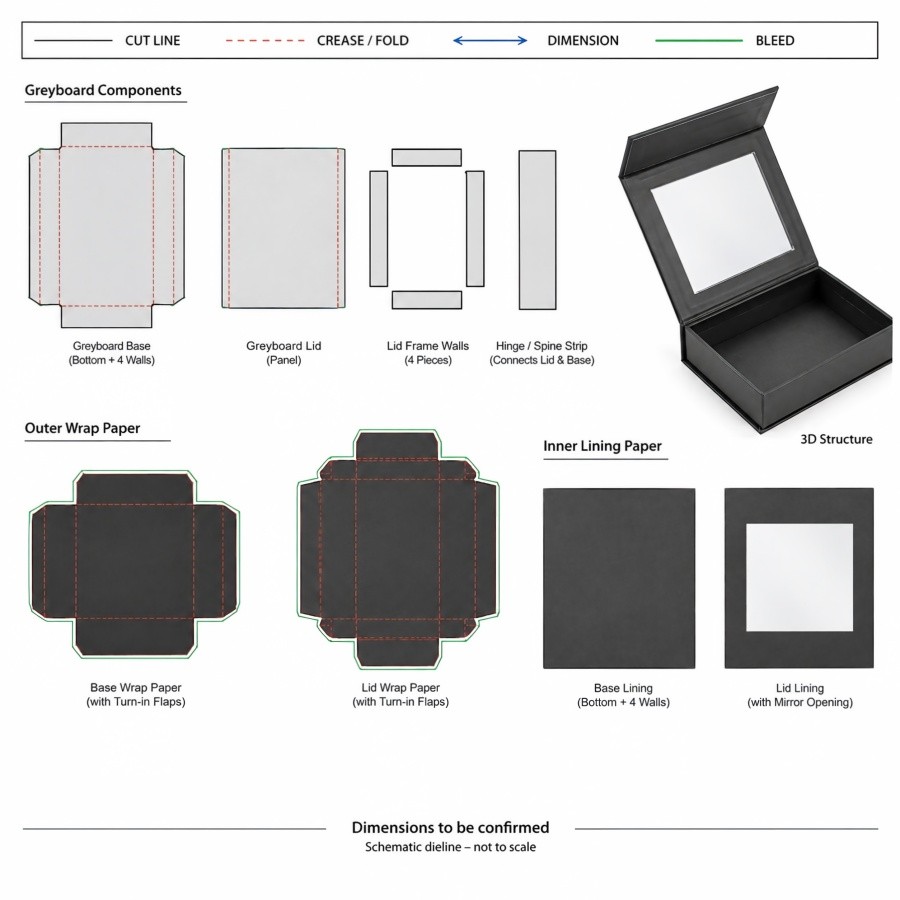
Most useful for: Technical review and production preparation.
Dielines, dimensioned drawings, artwork and material specifications help the factory evaluate construction and printing requirements more precisely.
Sample-based development typically follows a structured review and prototype process.
Evaluate the existing sample, photos, drawings and required order specifications to understand the intended packaging structure.
Confirm dimensions, lid fit, opening mechanisms, internal space and insert requirements. Hidden construction details may require further evaluation.
Identify suitable greyboard, wrapping paper, printing methods and surface finishes. Physical material samples or Pantone references may be needed for closer matching.
Prepare a suitable structural or printed sample to evaluate box construction, product fit and visual appearance.
Review the prototype, confirm necessary revisions and approve the final specifications before scheduling mass production.
Learn more about DHP Boxes' custom packaging design and development services and manufacturing process.
Reproducing an existing rigid box does not always mean every detail can be duplicated exactly. Buyers should identify which specifications are essential before approving development.
| Packaging Detail | Reproduction Consideration |
|---|---|
| Box Dimensions | Can be measured from a physical sample and confirmed through prototype testing. |
| Opening Structure | Can be evaluated, although hidden construction may require additional development. |
| Wrapping Paper | Matching depends on material availability, texture and surface characteristics. |
| Brand Colors | Pantone references or approved printed samples help define color expectations. |
| Logo Finishing | Foil, embossing and debossing require suitable tooling and material compatibility. |
| Custom Inserts | Product dimensions and physical fit testing help determine the final insert design. |
For a more efficient evaluation, prepare the following information where available.
If you do not have every specification, indicate which details must remain unchanged and which can be adjusted.A Complete RFQ Checklist for Buyers→
Sometimes a modified structure is more practical than attempting an identical copy. For example, adjustments may be needed to improve product fit, simplify assembly, accommodate different inserts or use an available wrapping material.
For complex opening mechanisms, such as custom book-style rigid boxes, structural changes should be tested with a physical prototype before production approval.
Buyers should also confirm that they have the necessary rights or authorization to reproduce any protected artwork, trademarks or proprietary packaging designs.
Yes, a physical sample can provide a starting point for developing new structural drawings. Dimensions, construction and fit should still be checked through sampling.
Photos can support preliminary development, but they rarely provide enough information for exact dimensions, hidden structures or material specifications. Additional measurements and prototypes are usually needed.Real customized packaging case reference→
A close match may be possible, depending on material availability and printing requirements. Physical material references and approved color samples help establish realistic expectations.
Yes. Manufacturers can evaluate potential adjustments to dimensions, opening functions, inserts and assembly details, subject to technical feasibility and sample approval.
A physical prototype is strongly recommended when changing suppliers, reconstructing an existing box or modifying materials and structure. It helps verify the proposed manufacturing specifications before bulk production.
Reproducing an existing packaging box is not simply copying its appearance. Structure, dimensions, materials, finishing and product fit all need to be evaluated.
A physical sample offers the strongest starting reference, while photos and drawings can support earlier development. Clear specifications and prototype approval help buyers achieve a more consistent result when moving to a new packaging manufacturer.Custom Packaging Sampling Guide→
We understand that choosing the right boxes for your industry is critical. That’s why we invite you to contact us. Whatever your goals, DHP will help you achieve them.
Contact NowWe have a strong team that works closely with customers to meet market challenges and effectively meet specific needs. Your thought, we fulfill.
Request a Custom QuoteDHP Factory is committed to delivering manufacturing excellence.
