Manufacture
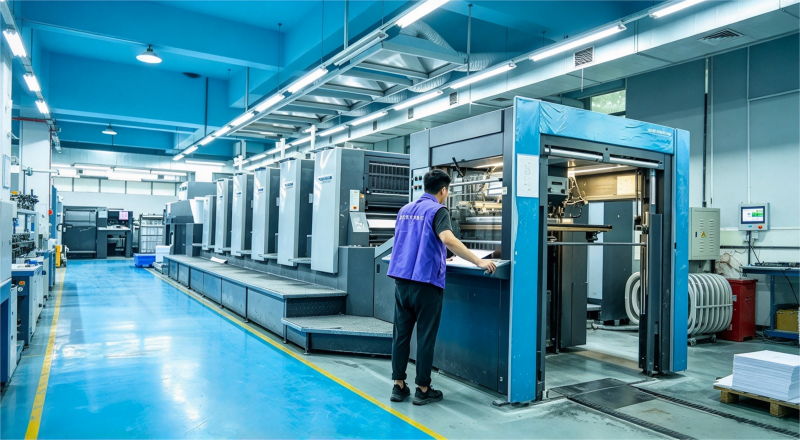
Explore our packaging factory, production equipment and rigid box manufacturing operations.
Explore Manufacturing
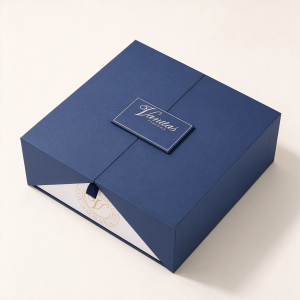
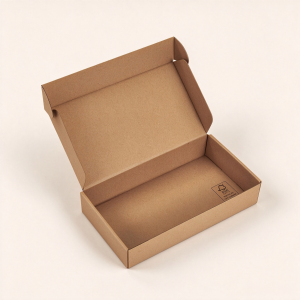
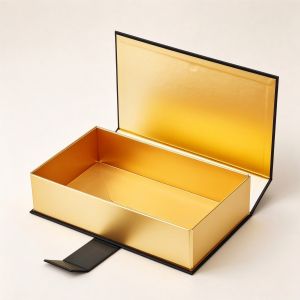 Folding Rigid Boxes
Space-saving rigid packaging designs.
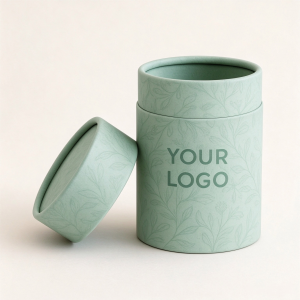 Packaging Tube Boxes
Distinctive cylindrical paper packaging.
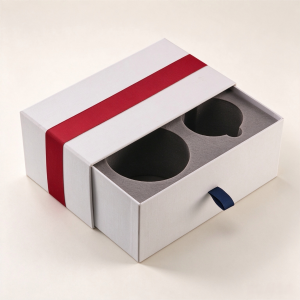 Drawer Boxes
Elegant sliding drawer box structures.
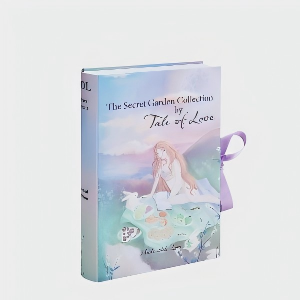 Book-Style Boxes
Luxury book-inspired packaging designs..
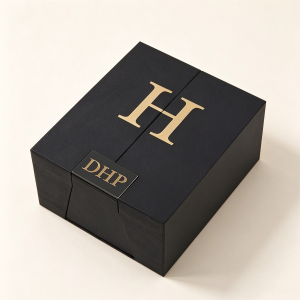 Magnetic Closure Boxes
Premium boxes with secure magnetic closure.
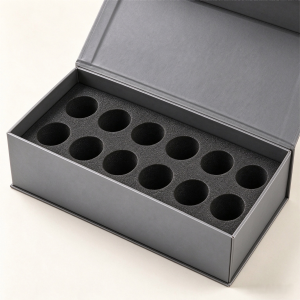
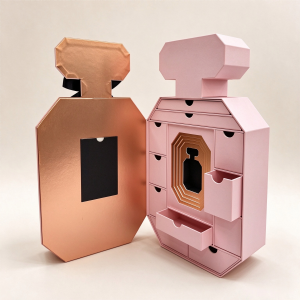 Advent Calendar Boxes
Multi-compartment seasonal gift packaging.
Explore our packaging factory, production equipment and rigid box manufacturing operations.
Explore Manufacturing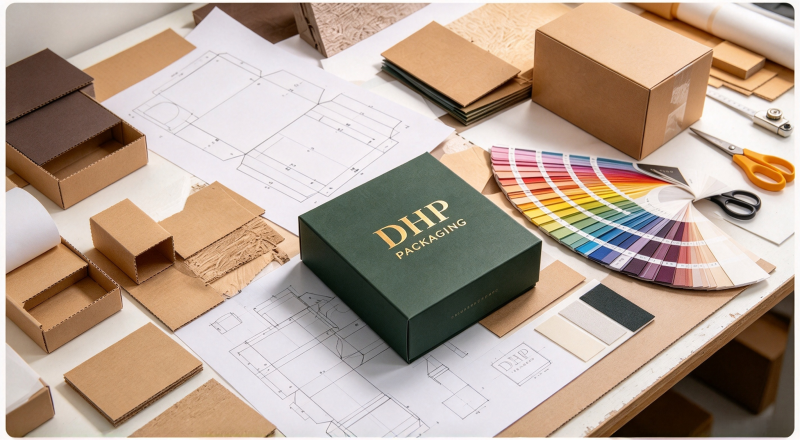
Discover our workflow from structural development and sampling to printing, assembly and quality control.
Explore Our Capabilities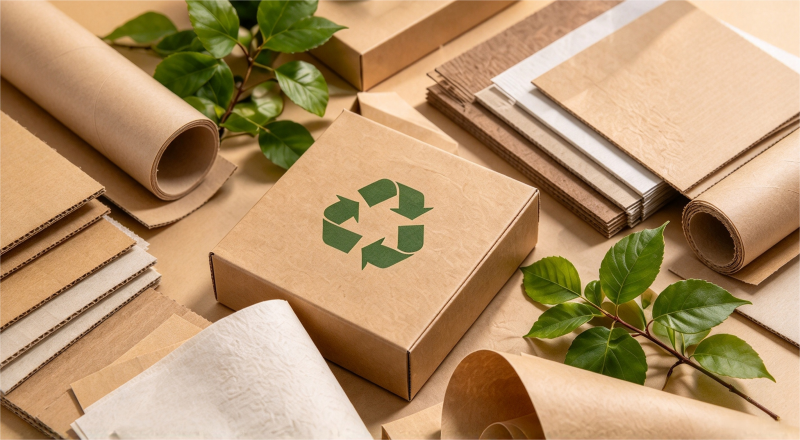
Learn about responsible material choices, recyclable packaging design and reducing unnecessary material use.
Explore Sustainability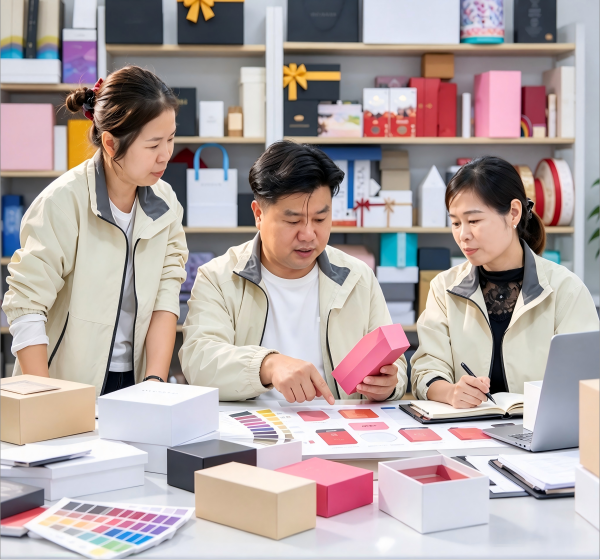
Professional packaging design support from concept to production.
Get Design Support →Explore practical packaging insights and quick answers to help you plan, customize, and order with confidence.
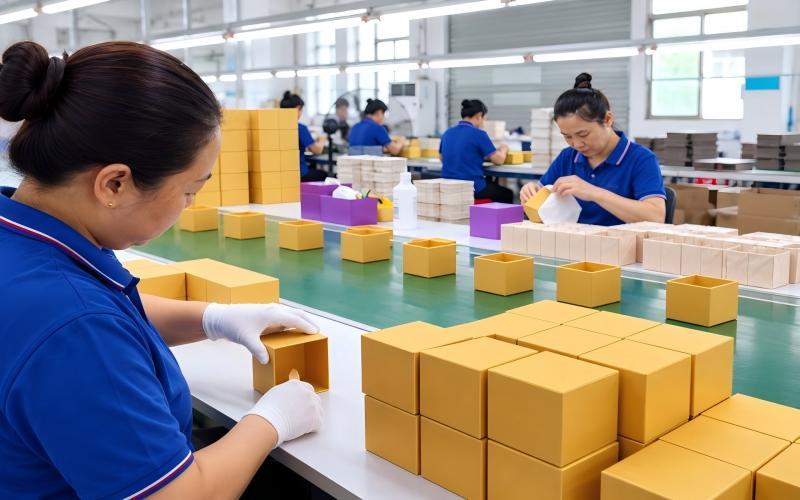
Discover our manufacturing expertise, dedicated team, and commitment to premium custom packaging solutions.
Explore Our Company →Stay connected with DHP Boxes
Luxury packaging has traditionally been associated with elaborate patterns, metallic embellishments, decorative ribbons and intricate details. But a different design language has become increasingly visible across premium beauty, fragrance, jewelry and lifestyle products: understated luxury.
Instead of competing for attention through excessive decoration, this approach relies on clean proportions, carefully selected materials, subtle branding and exceptional finishing. A simple box can feel remarkably premium when every detail is thoughtfully considered.
This shift does not mean luxury packaging is becoming less sophisticated. Rather, sophistication is being expressed in a quieter way — through what customers can see, touch and experience.
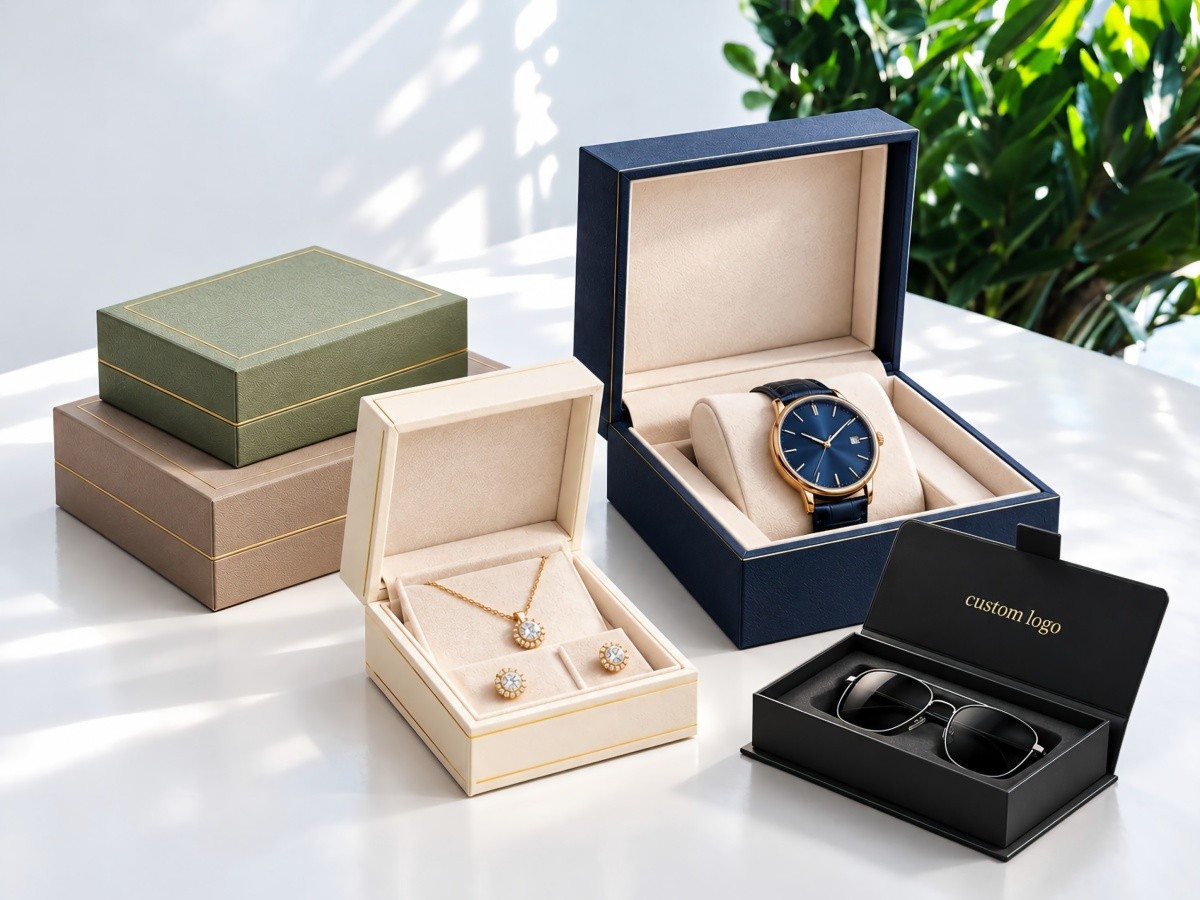
Understated luxury is a design philosophy that communicates quality without relying on excessive visual decoration.
In packaging, this often means:
The goal is not simply to remove decorative elements. It is to make each remaining element more meaningful.
A rigid box covered in textured ivory paper, with a small debossed logo and a precisely fitted interior, may communicate more sophistication than a box covered in multiple metallic effects and decorative graphics.
The difference lies in design discipline. When there are fewer visual elements, material quality, printing accuracy and structural precision become much more noticeable.
In crowded retail environments, brands need a recognizable visual identity. However, recognition does not always require large logos, bright colors or complicated graphics.
Minimalist packaging creates a more focused visual impression. A distinctive typeface, a signature color, a subtle embossed mark or a consistent box structure can become recognizable brand assets.
This approach is particularly relevant to premium skincare, fragrance, jewelry and lifestyle brands, where visual consistency across product collections is essential.
Luxury packaging is not experienced through appearance alone. Opening a box, feeling its surface and discovering how the product is presented all contribute to the perceived quality of the purchase.
The iF Design Trend Report 2025 describes a combination of minimalist forms and rich tactile experiences in luxury packaging. It highlights sustainable materials, tactile interaction, craftsmanship and unboxing design as important parts of contemporary luxury.
In other words, a visually simple exterior can still create a memorable experience through its physical details.
Minimalist design can encourage more thoughtful material selection and help reduce unnecessary decorative components. However, a minimalist appearance does not automatically make packaging sustainable. Material composition, recyclability, coatings, adhesives, inserts and overall packaging volume still matter.
According to L.E.K. Consulting's European Brand Owner Packaging Survey 2026, approximately 400 brand owners across the UK, Germany, France and Spain were surveyed. Moving toward sustainable packaging was the most frequently cited reason for changing primary packaging materials, selected by 43% of respondents. Consumer and end-user preferences were also important, cited by 38%.
These findings suggest that packaging decisions increasingly need to balance brand presentation with material and environmental considerations.
L.E.K. Consulting — European Brand Owner Packaging Survey 2026: Sustainability, Balancing Circularity, Cost and Commercial Realities.
Read the original 2026 survey and findings →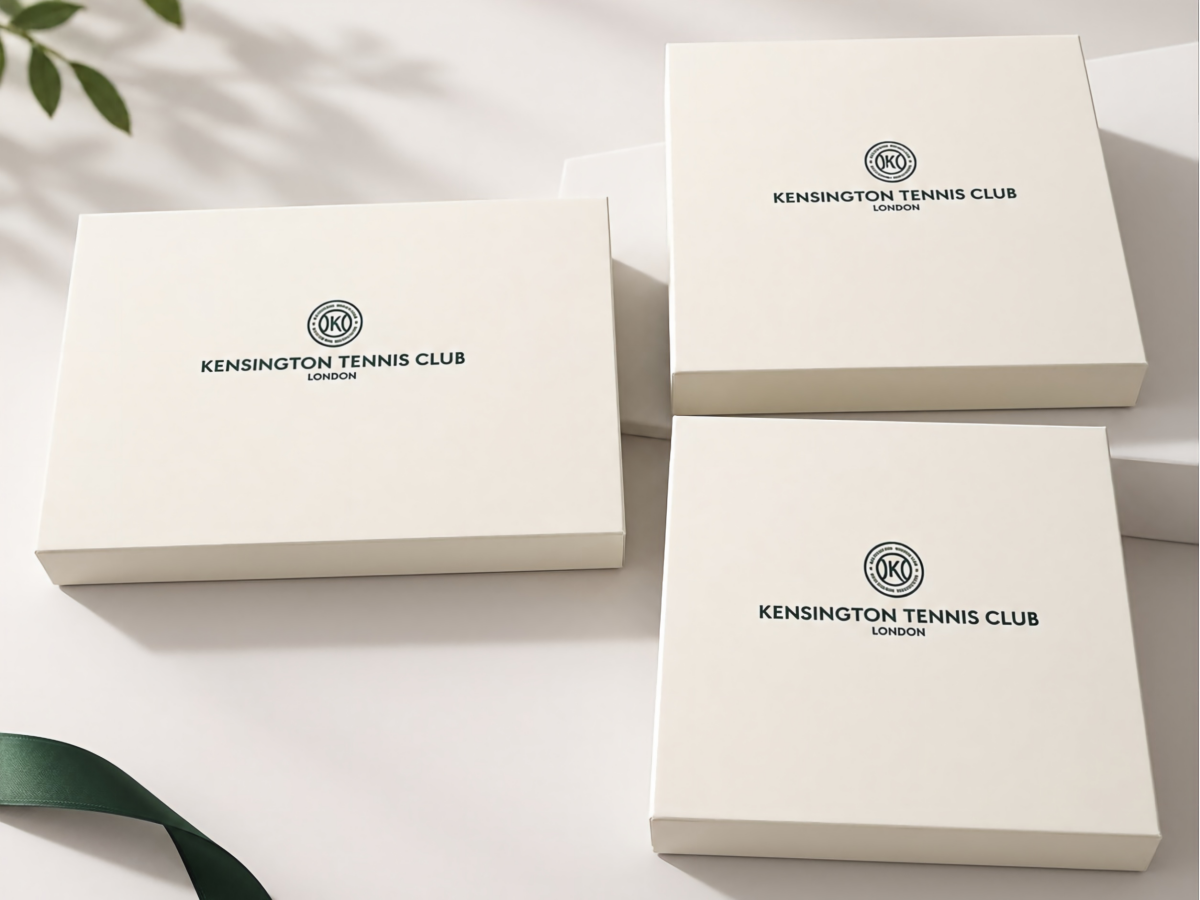
Negative space is one of the most recognizable characteristics of minimalist packaging.
Rather than filling every available surface with graphics, patterns and product information, designers leave carefully considered empty areas around the logo, typography and visual elements.
This creates a sense of balance and allows important details to receive more attention. A small, centered logo on an uninterrupted box surface can create a strong visual impression.
Minimalist luxury packaging often uses colors that feel timeless and understated.
These colors work well with textured papers, subtle metallic accents and understated printing. However, neutral colors should not become a limitation. A distinctive deep green, burgundy or muted blue can also create an elegant appearance when used consistently and with restraint.
The key is to develop a coherent color system that reflects the brand's positioning rather than simply following a popular palette.
When graphic elements are reduced, the paper itself becomes a major part of the design.
Instead of relying on printed patterns, brands can use material characteristics to create visual and tactile interest.
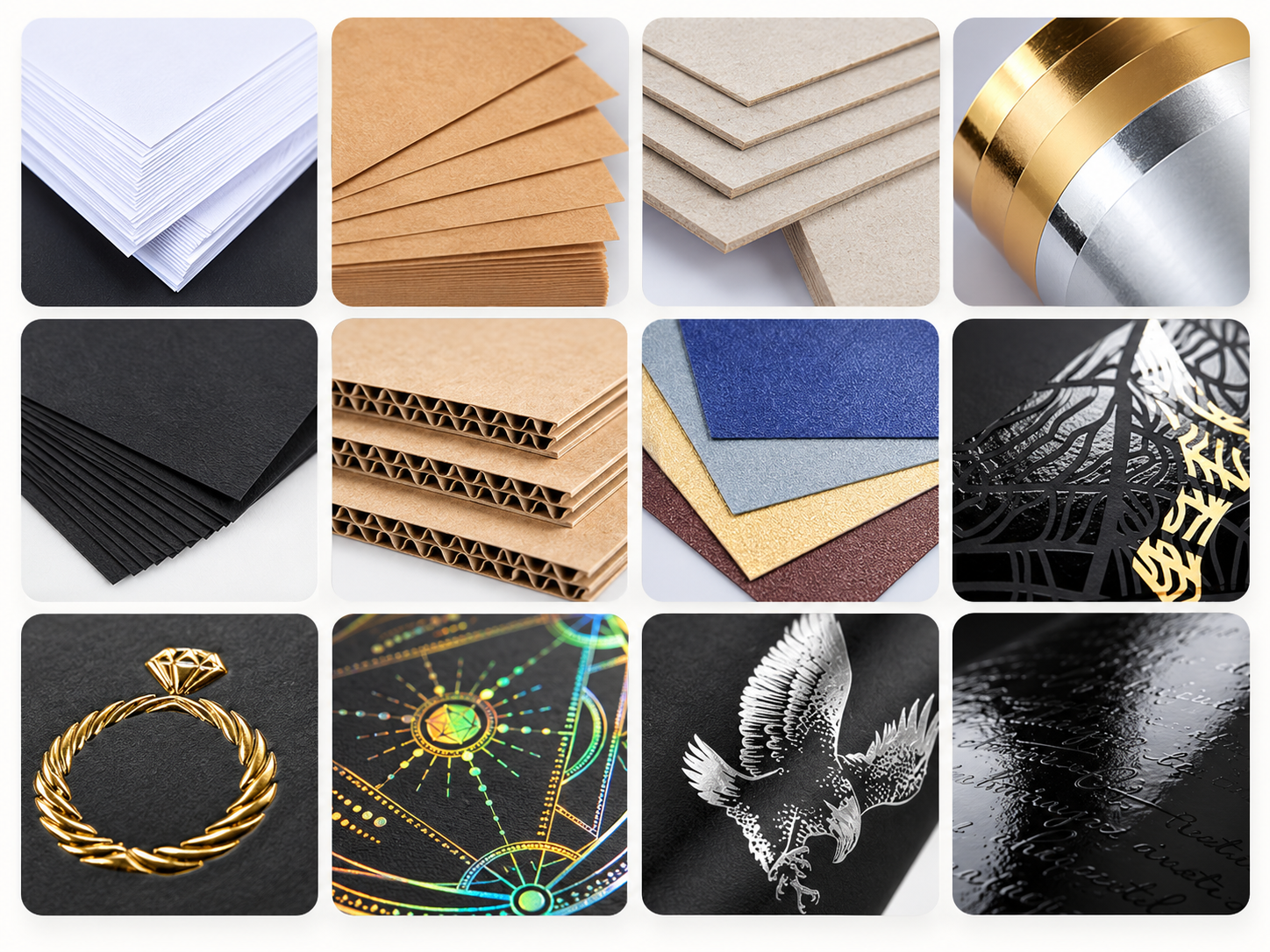
Common options include:
Different papers create different impressions even when they use similar colors. Smooth coated paper may feel contemporary and polished, while textured uncoated paper can communicate a more natural and artisanal character.
Material selection should also consider durability, printing compatibility and the intended packaging application.
Minimalist packaging depends heavily on the quality of its finishing. Rather than combining multiple decorative processes, designers often select one or two techniques that reinforce the visual identity.
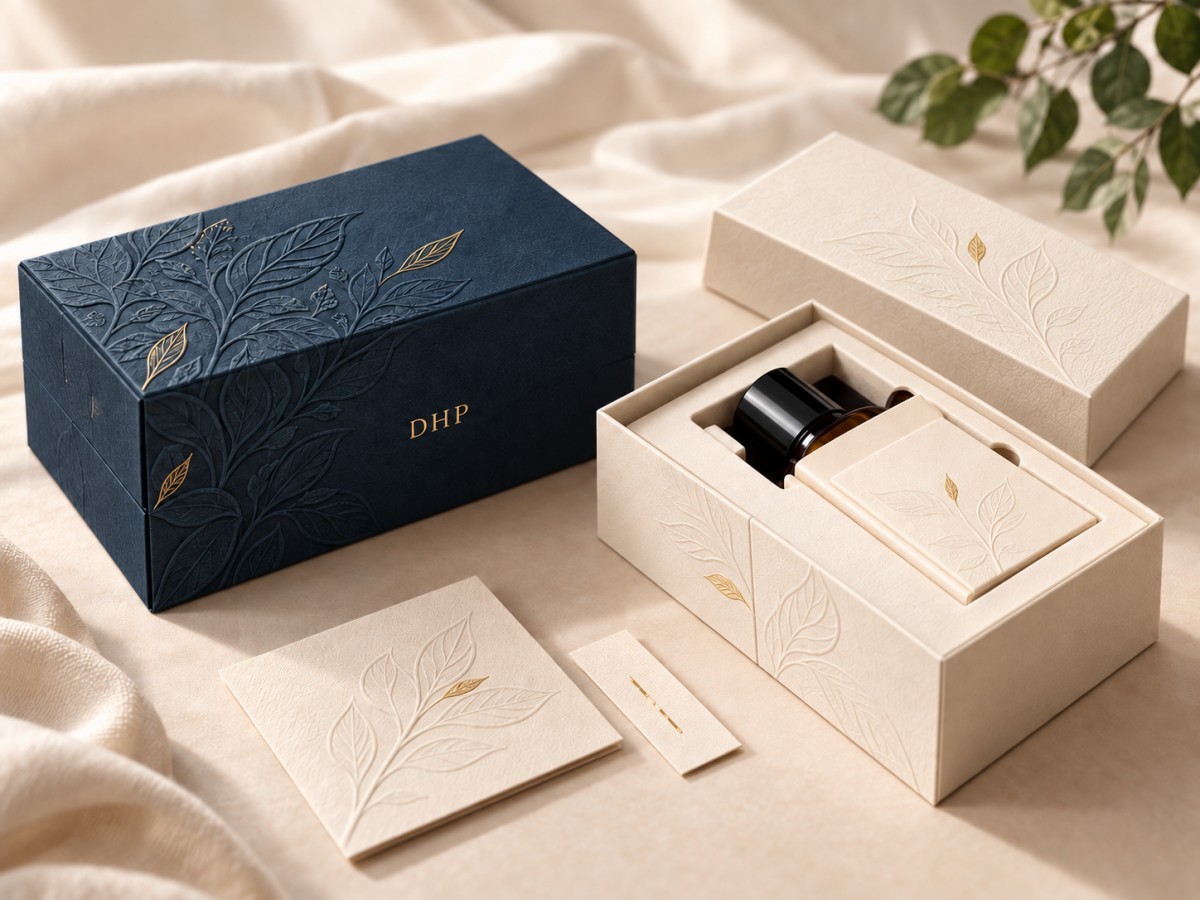
Debossing: Creates a recessed logo or graphic, adding depth without introducing another color.
Embossing: Raises selected elements above the paper surface, producing a subtle three-dimensional effect.
Foil Stamping: Adds a controlled metallic accent. Champagne gold, matte silver and muted copper can work particularly well with neutral backgrounds.
Spot UV: Creates a contrast between glossy and matte areas, making selected details visible under changing light.
Soft-Touch Finishing: Gives the surface a smooth, velvety feel that adds another sensory dimension.
The most important consideration is restraint. A small foil-stamped logo or carefully positioned debossed mark can be more effective than applying several finishing processes across the entire box.
The outside of a luxury box creates the first impression, but the interior completes the experience.
A well-designed minimalist package should feel consistent from the moment it is opened. Clean box edges, smooth opening movement, accurately fitted lids and carefully positioned inserts all contribute to the overall presentation.
For fragrance, skincare and jewelry packaging, custom inserts are particularly important. Paperboard inserts, molded pulp and other suitable materials can be designed to hold products securely while maintaining a clean presentation.
A simple exterior combined with a carefully organized interior creates a complete packaging experience without unnecessary decoration.
Understated luxury can be adapted to different product categories. The right balance of materials, structure and finishing depends on the product and the brand's positioning.
Skincare packaging often benefits from soft neutral colors, restrained typography and smooth or subtly textured paper.
Magnetic rigid boxes and book-style boxes can be used for premium skincare collections, gift sets and product launches. A custom insert keeps bottles and jars organized while creating a clean presentation.
Explore custom rigid boxes for premium product presentation.
Fragrance packaging offers opportunities to combine minimal graphics with distinctive materials.
Dark paper, warm neutrals, subtle foil stamping and precise bottle inserts can create an elegant presentation. For discovery sets, a well-organized multi-compartment interior can make a small collection of fragrance samples feel carefully curated.
Jewelry and watch packaging often relies on a restrained exterior and a carefully designed interior.
A simple rigid box can be enhanced through textured paper, a small debossed logo and a custom-fitted insert. Velvet, paperboard or other suitable interior materials can be selected according to the product and presentation requirements.
Gift packaging can use understated design to communicate sophistication without appearing overly formal.
Neutral colors, tactile paper, discreet branding and coordinated accessories such as paper bags and ribbons help create a consistent presentation across the entire packaging set.
The direction of premium packaging is influenced by more than visual design trends. Industry events, consumer research and regulatory developments are also shaping how brands approach packaging.
Rabobank's analysis of Luxe Pack New York 2026, held on May 6–7, highlighted three important priorities in the premium packaging sector: premium materials, digital connectivity and credible sustainability efforts.
The report noted that brands are using packaging as a strategic brand asset to reinforce quality, exclusivity and craftsmanship. Rather than relying primarily on bold colors or graphics, luxury brands are increasingly differentiating through material quality and tactile experiences.
This is particularly relevant to minimalist packaging. When the visual design is restrained, paper texture, surface treatment and construction quality become more important elements of differentiation.
Rabobank — Luxe Pack New York 2026: Premium Materials, Smart Packaging, and Sustainability Take Center Stage.
Read the original Rabobank industry analysis →The European Union's Packaging and Packaging Waste Regulation (PPWR), Regulation (EU) 2025/40, entered into force on February 11, 2025, and began applying from August 12, 2026.
The regulation establishes requirements covering packaging design, composition, recyclability, waste prevention and reuse. For brands selling into the European market, packaging development therefore needs to consider more than appearance. Material selection, packaging minimization and end-of-life considerations should be evaluated during the design stage.
Minimalist packaging can support more efficient design when unnecessary components and excessive material use are avoided. Nevertheless, compliance depends on the actual packaging construction and applicable requirements, not on whether the design looks minimal.
European Commission — New EU Rules on Packaging Enter into Application, August 11, 2026.
Read the European Commission's latest PPWR update →For detailed implementation information, see the European Commission's PPWR implementation guidance.
Not necessarily.
Minimalist packaging works particularly well for brands that want to communicate refinement, modernity, craftsmanship or a consistent visual identity.
However, some luxury products rely on expressive colors, elaborate patterns, heritage-inspired decoration or highly distinctive packaging structures. For these brands, reducing every visual element may weaken their identity.
There is also a difference between minimalist design and inexpensive packaging. A plain box made with low-quality materials and imprecise construction will not automatically look premium.
The strongest minimalist packaging combines three things:
Every color, graphic and decorative element has a purpose. The design communicates the brand identity without unnecessary visual competition.
Paper, surface finishes and interior components support the intended brand image and create a consistent physical experience.
Structure, alignment, wrapping and finishing are executed consistently, allowing the quality of the design to be fully expressed.
The box protects the product, opens smoothly and uses an appropriate structure for storage, transport and presentation.
Minimalism should simplify the design, not compromise the product experience.
For brands planning a new packaging collection, the following steps can help translate a visual direction into a manufacturable solution.
A physical sample is particularly important for minimalist packaging because small inconsistencies in alignment, paper wrapping or finishing can become more noticeable when the design contains fewer visual elements.
Understated luxury is not about making packaging look empty or removing every decorative feature. It is about understanding which details deserve attention.
A carefully selected paper, a balanced layout, a subtle logo treatment and a precisely constructed box can communicate a strong sense of quality without visual excess.
For premium brands, the opportunity lies in creating packaging that feels distinctive without being complicated — packaging that reflects the product, reinforces brand identity and delivers a thoughtful experience from the outside in.
We understand that choosing the right boxes for your industry is critical. That’s why we invite you to contact us. Whatever your goals, DHP will help you achieve them.
Contact NowWe have a strong team that works closely with customers to meet market challenges and effectively meet specific needs. Your thought, we fulfill.
Request a Custom QuoteDHP Factory is committed to delivering manufacturing excellence.
