

Manufacture
Explore our packaging factory, production equipment and rigid box manufacturing operations.
Explore Manufacturing
 Folding Rigid Boxes
Space-saving rigid packaging designs.
 Packaging Tube Boxes
Distinctive cylindrical paper packaging.
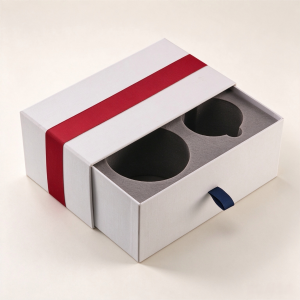 Drawer Boxes
Elegant sliding drawer box structures.
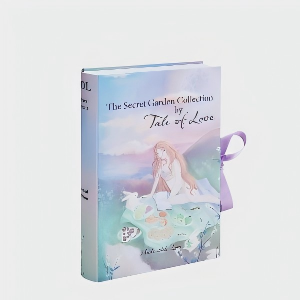 Book-Style Boxes
Luxury book-inspired packaging designs..
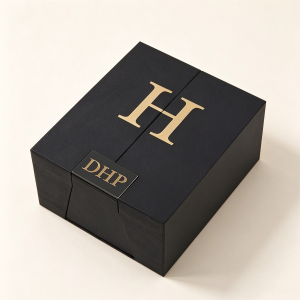 Magnetic Closure Boxes
Premium boxes with secure magnetic closure.
 Advent Calendar Boxes
Multi-compartment seasonal gift packaging.
Explore our packaging factory, production equipment and rigid box manufacturing operations.
Explore Manufacturing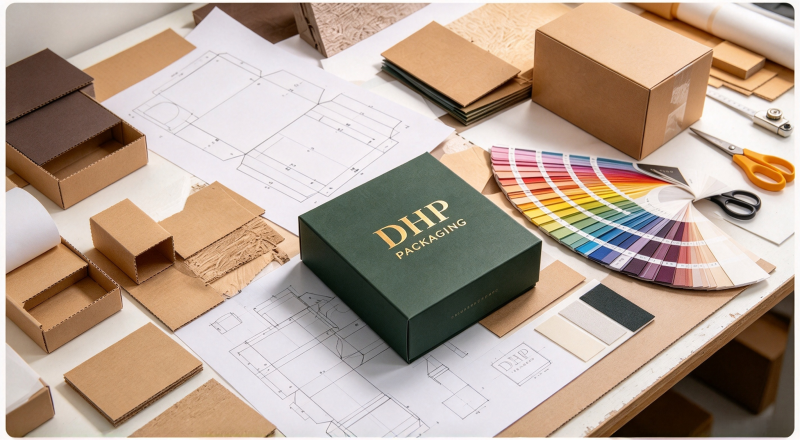
Discover our workflow from structural development and sampling to printing, assembly and quality control.
Explore Our Capabilities
Learn about responsible material choices, recyclable packaging design and reducing unnecessary material use.
Explore Sustainability
Professional packaging design support from concept to production.
Get Design Support →Explore practical packaging insights and quick answers to help you plan, customize, and order with confidence.

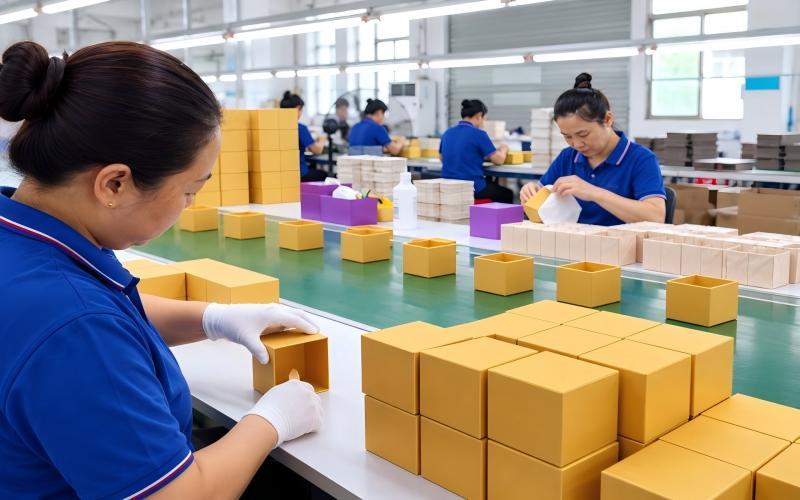
Discover our manufacturing expertise, dedicated team, and commitment to premium custom packaging solutions.
Explore Our Company →Stay connected with DHP Boxes
Updated: November 16, 2026 | DHP Boxes Packaging Procurement Guide When a European brand requests a quotation for custom rigid boxes, packaging dimensions and artwork are only part of the conversation. Buyers may also need a clear record of the paperboard, wrapping paper, inserts, adhesives, printing finishes and other components used in the final package. A well-organized packaging material specification sheet helps purchasing, product development and compliance teams work from the same information. A material specification sheet is a structured record of what a package is made from and how it is assembled. It supports consistent quotations, sample approval, quality control, supplier comparisons and requests for technical information. For EU-market projects, it can also help the responsible economic operators assess the packaging against applicable requirements under Regulation (EU) 2025/40, the Packaging and Packaging Waste Regulation (PPWR). The PPWR generally applies from 12 August 2026, with different provisions and implementation measures following their respective timelines. Its scope extends across packaging materials and formats, including empty packaging placed on the EU market. Not every future recyclability or minimisation criterion becomes applicable on the same date. Buyers should assess the requirements relevant to their packaging type, use and market placement. For example, two magnetic gift boxes may look nearly identical but differ substantially in their inner trays, surface films, hidden magnets and component weights. A product photo alone cannot establish their material composition or recycling performance. Before a manufacturer can prepare an accurate bill of materials, the buyer should clarify the intended packaging application and physical requirements. Practical RFQ tip: Tell the supplier whether you need a preliminary material estimate for pricing or a final component-level specification based on an approved pre-production sample. These are different deliverables. Luxury rigid boxes often combine several material families. A rigid box material composition record should identify components individually rather than describing the whole product simply as “paper packaging.” Record the material source or product code where available. Do not assume that a natural-looking specialty paper is uncoated, that all greyboard contains the same recycled content, or that a paper-wrapped box is automatically recyclable in every local collection system. For a reliable specification, distinguish nominal design values from measured production-sample values. Typical fields include external and internal box dimensions (L × W × H, mm), board thickness (mm), paper grammage (gsm), individual component mass (g) and total empty packaging mass (g). For components that can be separated, recording their individual weights may make later material reporting easier. A useful calculation is: Where weights are estimated from drawings, label them as estimates. Final measurements should be taken from the approved sample or a defined production sampling method. Material weight is not by itself proof of compliance with packaging-minimisation requirements; design rationale and applicable assessment methods also matter. Inserts often make the largest functional difference between two luxury gift boxes. European buyers should record not just the insert name but also its material, fit, protective function and how it is attached or removed. A paperboard insert may simplify a packaging structure, but it is not a universal substitute for EVA. Heavy glass perfume bottles, ceramic spirits bottles and fragile gifts may require comparative drop, vibration or fit testing. Do not claim equivalent protection without testing the proposed design. Premium appearance can be achieved through different production methods, and each should be described accurately in the material record. A printed paper wrap with a plastic soft-touch film is not the same construction as a textured specialty paper without film. Important distinction: printing and finishing techniques are not automatically prohibited or approved by PPWR. Their relevance depends on the final material combination, applicable requirements and assessment evidence. A finish marketed as “water-based” or “plastic-free” should not be treated as proof of recyclability without supporting information. There is no single universal certificate that proves every custom rigid box complies with every EU requirement. The documents needed depend on the final packaging, its intended use, the relevant legal obligations and the role of each company in the supply chain. For more detail on DHP Boxes' available certifications, audits, testing and regulatory documentation support, visit our Certifications & Compliance page. The following is an illustrative blank template, not an actual DHP customer specification or a verified production example. Complete the fields only after confirming the project design and material data. PPWR assigns different obligations to manufacturers, suppliers and importers. Article 16 addresses information and documentation that suppliers of packaging or packaging materials must provide to manufacturers. Articles 15, 18, 38 and 39, together with Annexes VII and VIII, set out relevant obligations concerning conformity assessment, technical documentation and the EU Declaration of Conformity (DoC). Under the Regulation, the responsible manufacturer must establish the applicable technical documentation and draw up the EU DoC after the required conformity assessment. For single-use packaging, relevant records are generally retained for five years after placing on the market; for reusable packaging, ten years. Importers also have specified verification and record-availability obligations. These periods do not mean that every supplier must issue a blanket ten-year compliance certificate. For EU buyers, a sensible procurement request is: “Please provide the available component-level material specifications and supporting documentation for our packaging assessment, and identify any information that remains unverified.” Formal regulatory conclusions should be made by the responsible operator with appropriate technical or legal review. DHP Boxes develops custom rigid boxes, luxury gift packaging and inserts for international brands. Our team can work with customers to review box structure, board and paper choices, inserts, printing finishes, sampling requirements and available material information. Our Certifications & Compliance page explains the distinct roles of FSC Chain of Custody, ISO 9001, SMETA auditing, RoHS-related testing support and PPWR documentation support. Availability and scope should be confirmed for each packaging project. DHP does not present PPWR as a stand-alone product certification. Send us your packaging concept, product dimensions, destination market, estimated order quantity and documentation checklist. We can review the proposed rigid-box structure, materials, inserts and finishes and discuss which project-specific information may be available. Include packaging identification, intended use, dimensions, material and component descriptions, board thickness, paper grammage, insert construction, coatings, accessories, component weights, total weight, document references and revision status. Yes, relevant PPWR requirements can apply to empty packaging placed on the EU market. The precise responsibilities depend on the economic operators involved, the packaging configuration and the applicable provisions. No. It is an important input to technical assessment and documentation, but it is not by itself the full technical documentation or an EU Declaration of Conformity. No. FSC Chain of Custody concerns qualifying forest-based sourcing and traceability claims. PPWR also addresses matters such as substances, packaging design, recyclability, minimisation and other applicable requirements. Where feasible, yes. Component-level weights help explain the packaging's material composition and support future reporting or assessment. Estimated and measured values should be labelled separately. They are not subject to a simple universal ban merely because they are used in a rigid box. Their impact should be evaluated in the context of the complete package and the relevant legal requirements. Do not assume so. The responsible operator and required conformity assessment must be established for the specific supply arrangement. DHP can discuss available material and manufacturing information to support customer assessments. Raise requirements at the RFQ stage, confirm the document scope during sampling and check that the final records match the approved packaging design before production or market placement. A useful packaging specification sheet is not just a list of raw materials. It connects the approved box design with its actual components, weights, finishes and supporting evidence. For European buyers, collecting this information early can reduce procurement ambiguity, make supplier comparisons more reliable and support the work required for packaging compliance assessments. When planning a custom rigid box for the EU market, start with a component-level specification and a clearly defined document request—not an unsupported claim that the finished box is “fully PPWR certified.” Editorial note: This guide provides practical packaging procurement information and is not legal advice. Project-specific compliance obligations should be reviewed against the applicable legislation and the final packaging configuration.Quick answer: For a custom rigid box, request a component-level material list, nominal thickness or grammage, estimated or measured weight, box dimensions, insert construction, coatings and decorative components, available supplier declarations, and applicable test or sourcing documents. Confirm which data are estimates and which are verified on the approved production sample. These records can support PPWR documentation, but they do not automatically establish EU regulatory conformity.
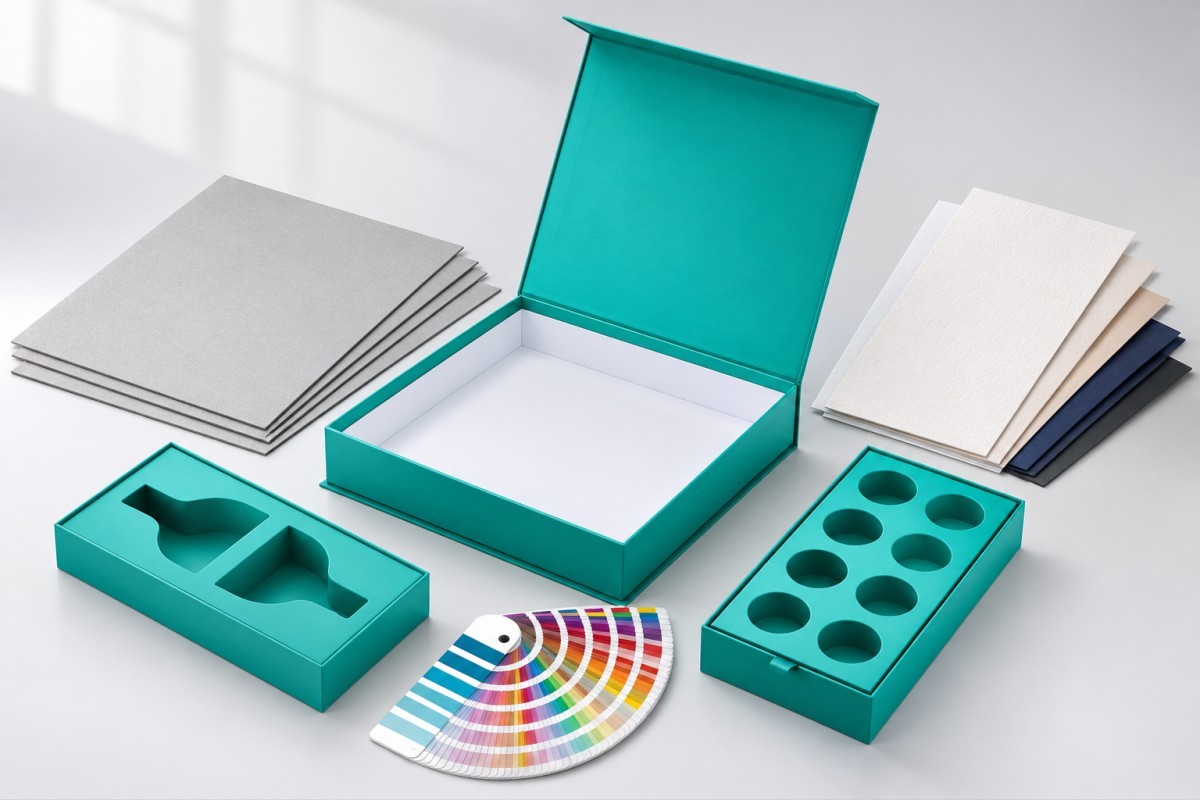
Why Do EU Buyers Need a Packaging Material Specification Sheet?
What Information Should Buyers Include in a Custom Packaging RFQ?
01 — Product & MarketProduct category, destination countries, whether the packaging will contact food or other sensitive contents, and any retailer-specific requirements.
02 — Structure & SizeBox style, internal product dimensions, desired external dimensions, opening method, target product weight and protection needs.
03 — Materials & AppearancePreferred paper, greyboard thickness, insert type, colour references, artwork, coatings and decorative finishes.
04 — Order & DocumentationEstimated quantity, sampling schedule, shipping configuration and documents required for supplier qualification or regulatory review.
Rigid Box Material Composition: What Should Be Recorded?
Component
Information to Record
Why It Matters
Greyboard / rigid board
Board type, nominal thickness (mm), recycled-content claim if substantiated, supplier or grade reference
Structure, weight, sourcing and material identification
Outer wrapping paper
Paper type, grammage (gsm), colour/print method, texture and coating
Surface appearance and material composition
Inner lining paper
Paper grade, gsm, printed or unprinted, adhesive method
Interior finish and total component weight
Adhesives
Adhesive family and available supplier specifications; application area if relevant
Assembly and technical assessment
Closure & accessories
Magnets, ribbon, metal fittings, handles, elastic or other elements; material and approximate quantity
Multi-material assessment and separation considerations
Window / sleeve
Film or sheet material, thickness, coating and attachment method
Material identification and end-of-life evaluation
Insert / divider
Material, thickness/density where relevant, construction and removability
Product protection and component assessment
How to Record Packaging Weight, Thickness and Dimensions
Total empty packaging weight (g) = rigid box body + lid or cover + insert + attached accessories + other included packaging components. Specify whether any removable paper sleeve, tissue, ribbon or protective bag is included in the measured total.
Packaging Insert Specifications: Paperboard, EVA and Molded Fiber

Insert Type
Useful Specification Fields
Key Evaluation
Folded paperboard
Board grade, gsm, folds, locking tabs, printed or coated surfaces
Fit, load support, ease of flattening and material separation
Corrugated insert
Flute type, board grade, dimensions and construction
Cushioning and transport performance
EVA foam
Grade, nominal density/thickness, colour, cutout layout and surface wrapping
Protection and multi-material composition
Molded fiber / pulp
Material grade, molded geometry, finish and supplier specifications
Fit, durability and applicable recyclability assessment
PET or other plastic tray
Polymer identification, sheet thickness, colour and any recycled content evidence
Material reporting and recovery considerations
Printing, Lamination and Surface Finishing Information
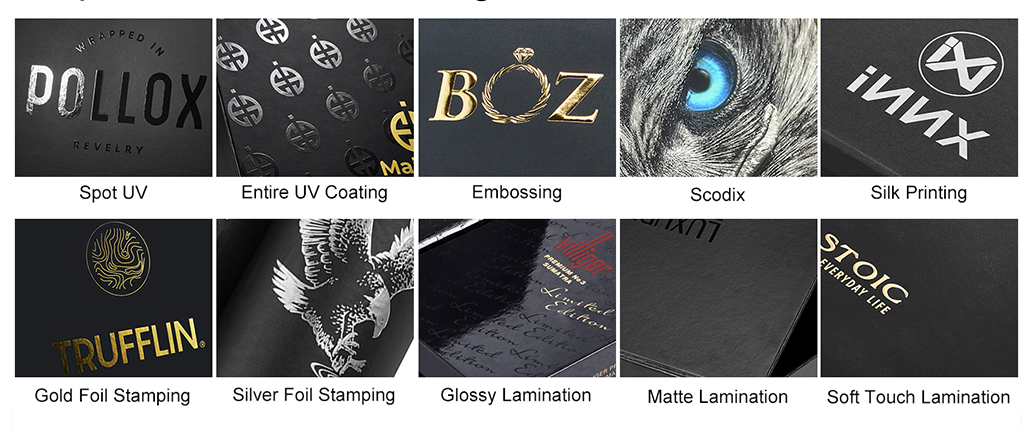
Finish / Process
What to Document
Offset / digital / other printing
Print method, ink system where known, CMYK or spot-colour references, printed components
Matte / gloss / soft-touch lamination
Film material, nominal thickness and covered surfaces
Water-based or other coatings
Coating type, supplier technical data and intended function
Hot foil stamping
Foil type or supplier reference, approximate coverage and location
Embossing / debossing
Locations, dimensions and whether additional film or coating is used
Spot UV / varnish
Coating system and approximate application area
Packaging Compliance Documents: What Should Buyers Request?
Document / Record
Typical Purpose
Important Limitation
Packaging material specification sheet / bill of materials
Identifies components, grades, dimensions, masses and finishes
Technical input; not a regulatory approval
Supplier material declarations / technical data sheets
Supports identification of paper, films, adhesives, inks and inserts
Only covers the materials and claims identified
Relevant laboratory test reports
Supports defined substance, performance or other test requirements
Must match the tested sample, method and scope
FSC Chain of Custody documentation, where applicable
Supports qualifying forest-based material sourcing claims
Does not establish PPWR compliance
Food-contact documentation, where applicable
Supports assessment of packaging intended for food contact
Requirements depend on the contact scenario and materials
Design drawings, sample approval and change records
Supports traceability and production consistency
Should correspond to the final packaging configuration
PPWR technical documentation / EU Declaration of Conformity
Formal conformity documentation where required under the Regulation
Prepared and maintained by the legally responsible operator; not replaced by an ordinary supplier letter
Example: Packaging Material Specification Sheet for a Custom Rigid Box
Field
Entry / Status
Project / packaging identification
[Project reference and revision]
Packaging type and intended use
[e.g., magnetic rigid gift box; product category]
Destination market
[EU Member State(s)]
External / internal dimensions
[L × W × H in mm]
Greyboard
[Grade, thickness, supplier reference]
Outer / inner paper
[Paper type, gsm, coating, printing]
Insert
[Material, dimensions, thickness/density, fixing method]
Adhesives / films / coatings
[Material identification and supporting specifications]
Closures / accessories
[Magnet, ribbon, window or other components]
Finishing
[Foil, embossing, varnish, lamination, etc.]
Component weights
[g per component; estimated or measured]
Total empty packaging weight
[g; measurement basis]
Available supporting documents
[Supplier data, applicable certificates, test reports]
Approval / revision status
[Quotation / prototype / approved pre-production sample / production]
A Practical Five-Step Collection Workflow
PPWR Documentation: Supplier Information vs EU Declaration of Conformity
Do not confuse the documents: A supplier's material specification sheet, FSC certificate, restricted-substance test report or general “compliance statement” is not automatically the EU Declaration of Conformity required by PPWR. The applicable legal role of the parties must be determined for the actual commercial arrangement, including packaging produced under a brand's name or trademark.
How DHP Boxes Supports European Packaging Procurement
Need Material Specifications for an EU Packaging Project?
Frequently Asked Questions
What should be included in a packaging material specification sheet?
Do EU buyers need material information for empty rigid boxes imported from China?
Is a packaging specification sheet the same as PPWR documentation?
Does FSC certification prove that a rigid box is PPWR compliant?
Should buyers request the weight of each insert and accessory?
Are EVA inserts, magnets and foil stamping prohibited by PPWR?
Can DHP Boxes provide an EU Declaration of Conformity for every order?
When should packaging compliance documents be requested?
Final Takeaway
Official References and Further Reading
We understand that choosing the right boxes for your industry is critical. That’s why we invite you to contact us. Whatever your goals, DHP will help you achieve them.
Contact NowWe have a strong team that works closely with customers to meet market challenges and effectively meet specific needs. Your thought, we fulfill.
Request a Custom QuoteDHP Factory is committed to delivering manufacturing excellence.
