
Luxury Chocolate Packaging Ideas for Christmas Gift Sets
A chocolate gift set is judged twice: once when it is opened and again when it is remembered. For chocolatiers, confectionery brands and luxury food houses, luxury chocolate packaging is the layer that decides which of those two happens. A well-built box holds delicate pralines at the right temperature and angle, then stages them like a jewel case — and at Christmas, when chocolate becomes the most-gifted food item of the season, that box does as much selling as the recipe inside it.
In this guide the packaging team at DHP Boxes walks through what to specify for a festive chocolate range: how rigid and folding structures differ, why board weight matters with a full tray of pralines, which wraps and finishes read as premium, how food-grade inserts protect and present, and how sampling, AQL inspection and lead times protect a December deadline. By the end you will know exactly what to put in a brief when your seasonal order goes to the factory.
What Is Luxury Chocolate Packaging and Who Specifies It?
Luxury chocolate packaging is custom-made outer packaging designed for premium confectionery — individual pralines, bars, truffles, tablets and boxed assortments — where presentation, food safety and protection all carry commercial weight. It is usually specified by chocolatiers, confectionery brands and luxury food brands, and it differs from standard food cartons in three ways: it is built around a defined assortment, it uses premium materials and finishing, and it must satisfy food-contact rules as well as brand rules.
What such a box has to deliver, all at once:
- Protection — cushioning and separation so pralines arrive unmarked, uncracked and unwrinkled.
- Presentation — a staged reveal that justifies a gift price and photographs well.
- Food contact compliance — food-grade barrier layers and barrier liners touching the chocolate.
- Retail presence — shelf and counter impact in a crowded seasonal aisle.
- Assembly speed— a structure that your team can pack quickly during the December peak.
When these five are balanced, custom luxury chocolate packaging stops being a cost line and becomes part of the product.
Christmas Gift Set Structures: Which Box Format Suits Which Assortment
Structure is the first decision because it governs protection, packing time and the unboxing moment. Our factory builds both rigid and folding formats, and the right answer depends on the assortment, the price point and the channel.
| Structure | How it presents | Best suited to |
|---|---|---|
| Lid and base rigid box | Lid lifts away to expose a filled tray | Classic festive assortments and praline selections |
| Magnetic closure box | Flap opens on a soft magnetic release | Gift sets with a printed inner card or story panel |
| Drawer / sliding box | Tray slides out of a rigid sleeve | Countdown sets and an unhurried, guided reveal |
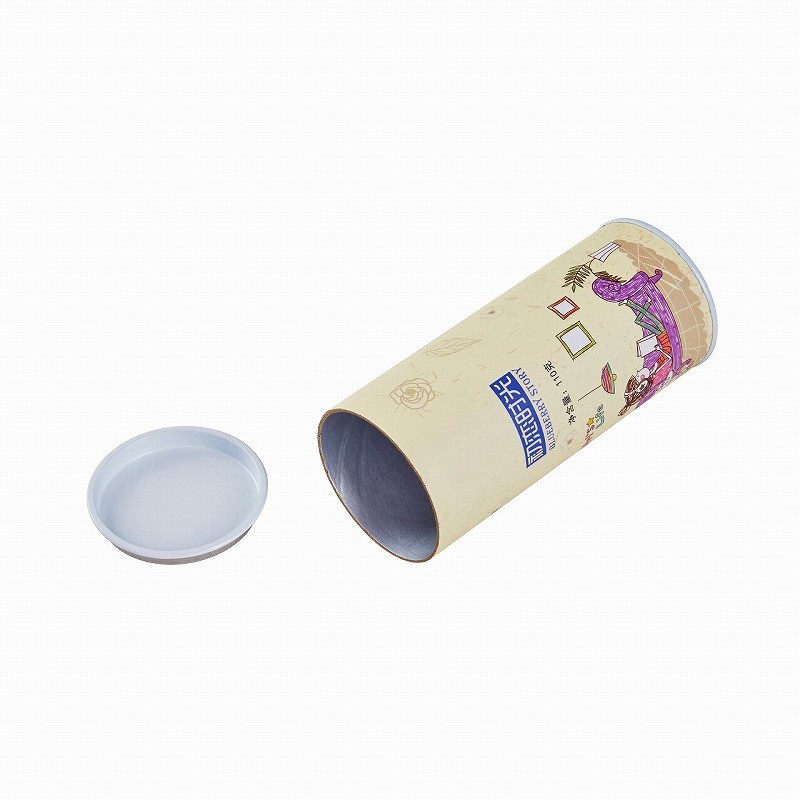
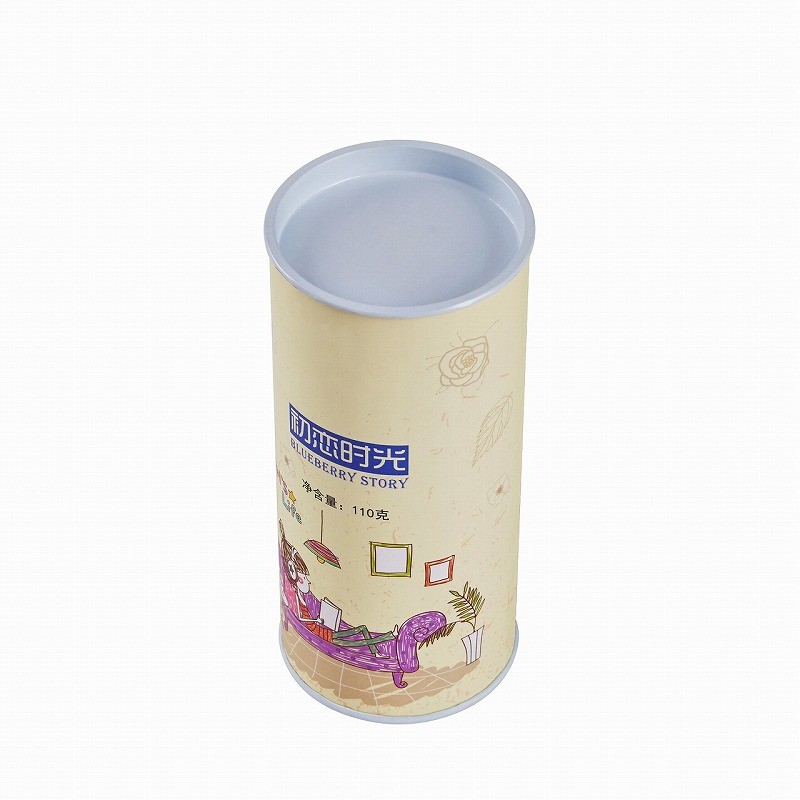
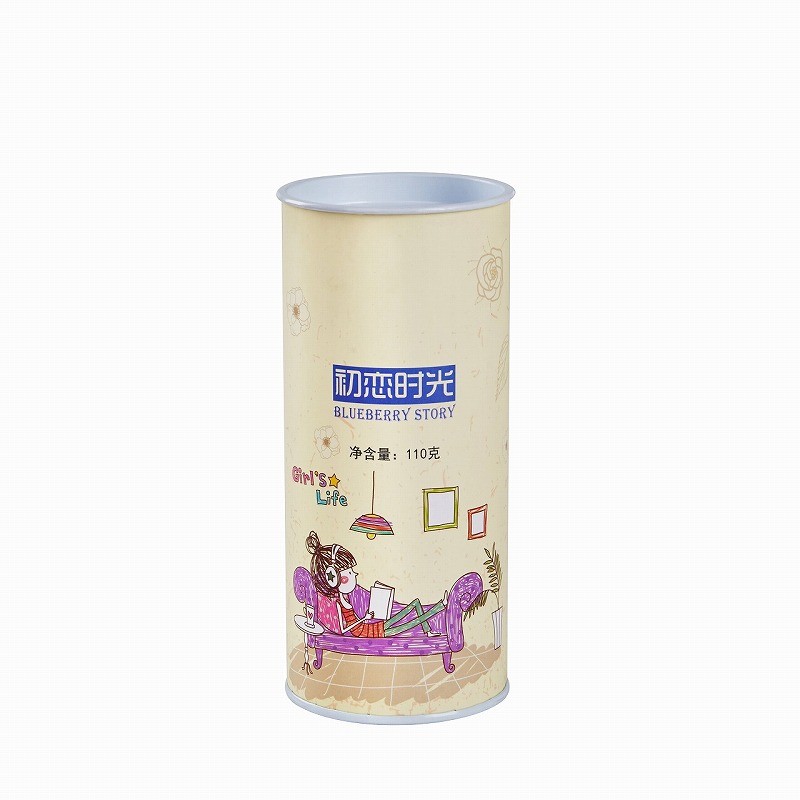
| Tube box | Round lid lifts off a cylindrical body | Single-origin bars, drinking chocolate and snack treats |
| Double-door box | Two front panels swing open | Hero hampers and larger Christmas collections |
| Advent calendar box | Compartment grid opens day by day | Countdown formats and 24-day confectionery collections |
| Two tuck end folding carton | Printed carton erects and tucks shut | Bar SKUs, retail multiples and cost-sensitive lines |
During the festive rush, packing speed is a real cost. A drawer or lid-and-base format with a printed paper divider loads faster than a hand-placed decorative arrangement, and both still feel premium.
Materials: Board Weight, Wraps and Food-Safe Layers
A premium chocolate box carries real weight, and the board has to carry it without bowing. For boxed assortments we recommend a double greyboard core of 1200 gsm or higher — a dense recycled duplex grey board that holds its shape under a filled tray and stacks cleanly on a counter. Lighter chipboard suits smaller singles and folding styles, and folding cartons built for tear-open single pieces less often carry dividers, so they usually run on lighter C1S or C2S art board instead.
The wrap decides how expensive the box feels before it opens. Festive chocolate lines commonly use leatherette or PU leather, pearl paper, linen-textured stock, textured and embossed papers, or black card; a matte art paper wrap with a soft-touch matte lamination is the modern, understated option. Wherever paper meets the chocolate itself, specify food-grade material — a food-safe lining, butter paper or an FSC-certified board with a food-safe coating.
| Material | Why it is chosen | Typical use in chocolate gifting |
|---|---|---|
| Double greyboard 1200 gsm+ | Rigid, keeps its shape under load | Rigid box cores for filled assortments |
| Leatherette / PU leather | Soft, supple, tactile signal of value | Premium advent calendars and heirloom sets |
| Pearl paper | Subtle shimmer without glitter | Festive assortments and evening gift lines |
| Linen-textured paper | Natural, crafted, grippy in hand | Bean-to-bar and artisanal chocolate stories |
| Black card | High contrast for foil and metallic detail | Dark chocolate ranges and night-sky festive themes |
| Food-grade PET / barrier liner | Direct food contact, hygienic | Trays and windows touching confectionery |
| Kraft / recycled board | Recyclable and cost-effective | Eco-positioned lines and large e-commerce runs |
Surface Finishing That Says Premium Without Saying Anything
Finishing is where a chocolate box earns the word luxury. Hot foil stamping in gold, silver or holographic catches a candle or shop light on a logo or snowflake motif; cold foil carries fine detail across larger areas. Embossing and debossing add physical depth at the logo; spot UV or a UV varnish lifts a cacao pod illustration out of a matte field.
Our evergreen advice is restraint: two deliberate accents — a debossed monogram with a foil rule, a soft-touch matte wrap with one gloss illustration — read far more expensive than a box covered in effects. Keep the finish that carries your logo, then stop.
Inserts and Dividers: Protecting Pralines and Presenting Them
The insert does three jobs at once: it cushions the confectionery in transit, separates flavours and shapes, and lifts each piece into view at the reveal. Choosing one is a labour and logistics decision as much as a design decision, and it should be settled alongside the structure.
For chocolates and other food, food-grade PET trays keep the product hygienic and secure, and they let the pieces show through. Velvet or fabric inserts add ceremony to a hero set, EVA foam gives custom-moulded cushioning for filled or sculpted pieces, and paperboard platforms or paper dividers keep a mixed assortment organised at the lowest cost and the best recyclability. Flocked liners with a fabric insert are the classic choice for a praline selection that needs to feel ceremonial without slowing down the packing line.
Whatever the material, the insert should be die-cut to your actual tray dimensions. A moulded insert with a loose fit is the most common reason chocolates shift in transit and arrive marked.
Do and Don't When Briefing a Custom Christmas Chocolate Box
Do
- Send the real assortment layout — counts, piece sizes and tray dimensions.
- Specify food-grade material wherever paper or plastic touches the chocolate.
- Choose board weight for a fully loaded tray, not an empty sample.
- Lock structures and artwork early enough to leave sampling room.
- Ask for two or three structural proposals with cost and material notes.
Don't
- Don't judge a matte wrap from a flat print — feel a finished sample.
- Don't stack effect on effect; the logo should stay the loudest detail.
- Don't assume a folding carton is always the cheaper path for a premium set.
- Don't leave the insert to the last minute; it sizes everything else.
- Don't ignore how long the box stays closed on a warm December shelf.
Manufacturing a Seasonal Chocolate Range: Factory Steps
Festive chocolate is a fixed-deadline product, so the manufacturing route matters as much as the design. We run every seasonal program through the same four stages, each with a clear sign-off.
Structural proposal and budget analysis
Three to five formats with material options, insert choices and budget lines so you compare real alternatives.
Blank sample and fit check
An unprinted sample arrives for you to check the opening feel and, critically, the insert fit with real product inside.
Printed and finished sample
A full printed sample confirms wrap, foil position, emboss depth and colour before mass production.
Mass production and inspection
Production follows the approved sample, with in-process checks and final AQL sampling before dispatch.
Quality Control, Quantities and Lead Time for Festive Orders
Under winter pressure a chocolate box has to arrive flawless, so inspection protects the shipping date as much as the brand. We check incoming materials, run in-process checks per station, carry out final inspection and audit a sample of the outgoing batch, sampling to the ISO 2859-1 AQL framework — typically an AQL of 2.5 on a standard run. Colour matching is verified against the approved sample, and structural tolerance is checked so every box opens with the same feel.
Two numbers decide whether a December launch lands. MOQ for a custom luxury chocolate box usually starts in the low hundreds to the low thousands of pieces depending on structure and finishing complexity. Lead time for full production typically falls around 15 to 25 working days, with samples often available within about a week — before shipping, so a seasonal program should be briefed months ahead, not weeks. Free samples and OEM or ODM programs are available for brands developing a new range or rebranding an existing one.
Sustainability Without Losing the Luxury Feeling
Christmas shoppers weigh waste more than they used to, and eco-responsible packaging no longer costs you the premium look. We build festive chocolate packaging from FSC-certified and recycled papers and boards, natural kraft finishes, water-based inks and adhesives, and biodegradable coatings instead of solvent-based varnish. Inside, moulded pulp trays and paper dividers replace foam and plastic; outside, die-cut windows can replace plastic ones and debossed detail can replace heavy lamination.
Matching colour through water-based printing rather than layering heavy varnish is a technical exercise, not a compromise — which is exactly why it is worth confirming with your manufacturer at sampling, not after mass production.
Working With a Luxury Chocolate Packaging Manufacturer
Choosing a manufacturing partner is a purchasing decision with a long shadow. The right partner holds your dieline across repeat seasons, keeps colour consistent between the advent run in October and the replenishment in November, and can move quickly when a retailer asks for another thousand units a fortnight before Christmas.
Practical diligence before you commit:
- Confirm the box structures and finishes offered in-house against your own drawings.
- Ask how incoming materials, in-process units and final batches are inspected.
- Request certified papers and board documentation if you publish a sustainability claim.
- Verify tooling, die-cutting and assembly capacity for your peak volume.
- Agree the sample approval route and who signs off colour and structure.
Free sampling and full OEM/ODM support are the fastest way to test a factory’s craft before a seasonal order depends on it.
Frequently Asked Questions
What is the minimum order for custom luxury chocolate packaging?
MOQ usually starts in the low hundreds of pieces and rises with structure complexity and finishing. A rigid magnetic or double-door set with foil and a moulded insert sits higher than a printed folding carton, so share your volume early and your manufacturer can propose a format that fits it.
How long does production take for a Christmas chocolate box?
Full production typically runs around 15 to 25 working days depending on structure, finishing and quantity, with samples often ready in about a week. Add sea or air freight before you set a launch date, and brief the range months ahead of December.
Are your materials food-safe for chocolates and truffles?
Yes. Inserts and liners that touch confectionery are supplied in food-grade materials such as food-grade PET, and paper contacting food is specified with food-safe coatings and certified board so the packaging meets food-contact requirements as well as brand requirements.
Can you make a mixed assortment with dividers and separate compartments?
Yes. Paperboard dividers, multi-compartment trays and die-cut inserts hold different piece shapes and praline sizes in one gift set, and an advent calendar box can carry 24 separate compartments on the same principle.
Can a Christmas chocolate range still be recyclable?
It can. FSC-certified and recycled board, moulded pulp or paper dividers, water-based inks and adhesives, and die-cut windows in place of plastic keep the box recyclable while it still looks and feels like a luxury gift.
Final takeaway: Christmas Chocolate Gift Sets Deserve Engineered Packaging
Luxury chocolate packaging succeeds when structure, protection, finish and food safety are decided together rather than one at a time. Choose a format that suits the assortment and your packing line, build it on a board heavy enough for a fully loaded tray, keep finishing to two deliberate accents, fit a die-cut food-grade insert that actually holds the pieces, and let ISO 2859-1 AQL inspection guard a deadline you cannot miss. Do that and the box becomes the second gift.
DHP Boxes designs and manufactures rigid and folding packaging for confectionery and luxury food brands, from custom luxury chocolate packaging and premium gift boxes to wholesale runs for seasonal retail — with structural proposals, free samples and full OEM/ODM support. Learn more about DHP Boxes or browse our packaging products, read further guides on our blog, and when you are ready to plan a festive range, send us an inquiry with your assortment, structure, finishing, quantity and target delivery date.
