Manufacture
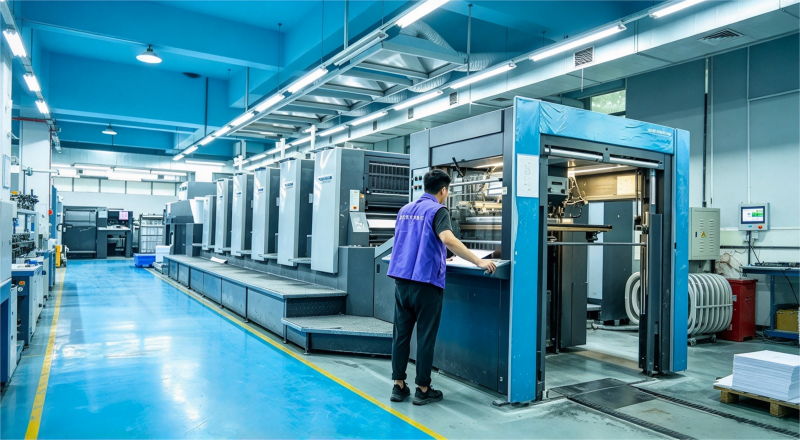
Explore our packaging factory, production equipment and rigid box manufacturing operations.
Explore Manufacturing
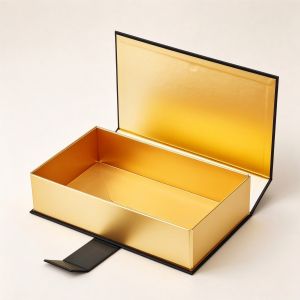 Folding Rigid Boxes
Space-saving rigid packaging designs.
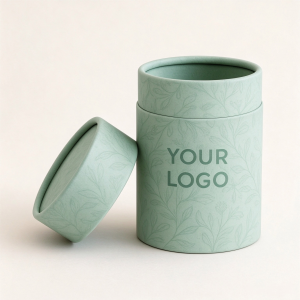 Packaging Tube Boxes
Distinctive cylindrical paper packaging.
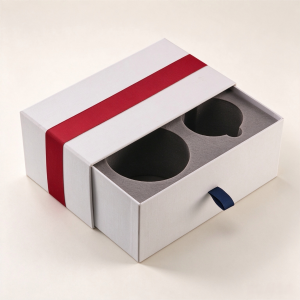 Drawer Boxes
Elegant sliding drawer box structures.
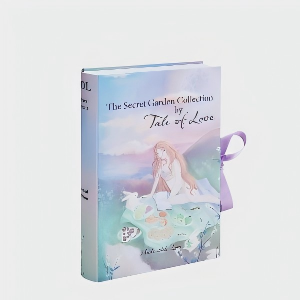 Book-Style Boxes
Luxury book-inspired packaging designs..
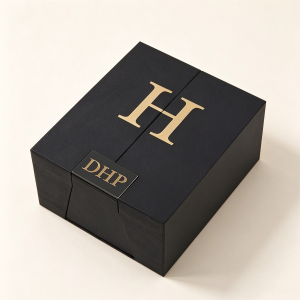 Magnetic Closure Boxes
Premium boxes with secure magnetic closure.
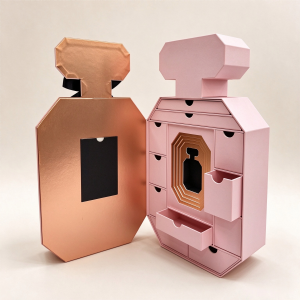 Advent Calendar Boxes
Multi-compartment seasonal gift packaging.
Explore our packaging factory, production equipment and rigid box manufacturing operations.
Explore Manufacturing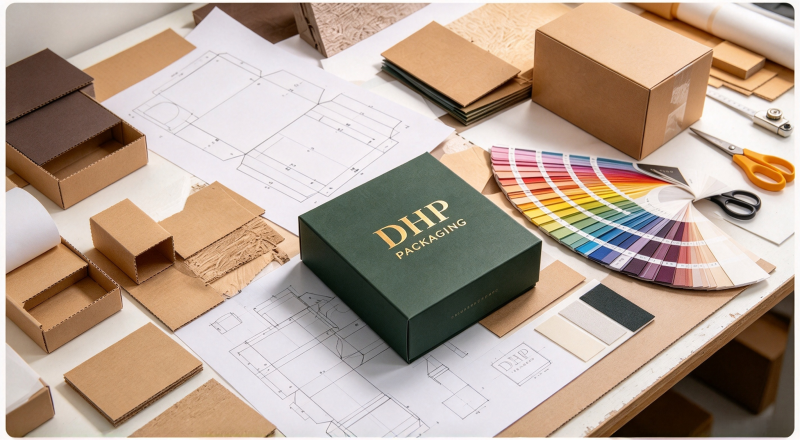
Discover our workflow from structural development and sampling to printing, assembly and quality control.
Explore Our Capabilities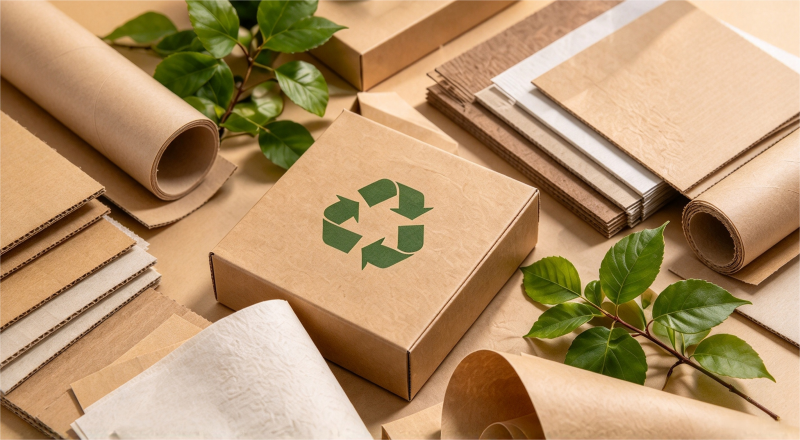
Learn about responsible material choices, recyclable packaging design and reducing unnecessary material use.
Explore Sustainability
Professional packaging design support from concept to production.
Get Design Support →Explore practical packaging insights and quick answers to help you plan, customize, and order with confidence.
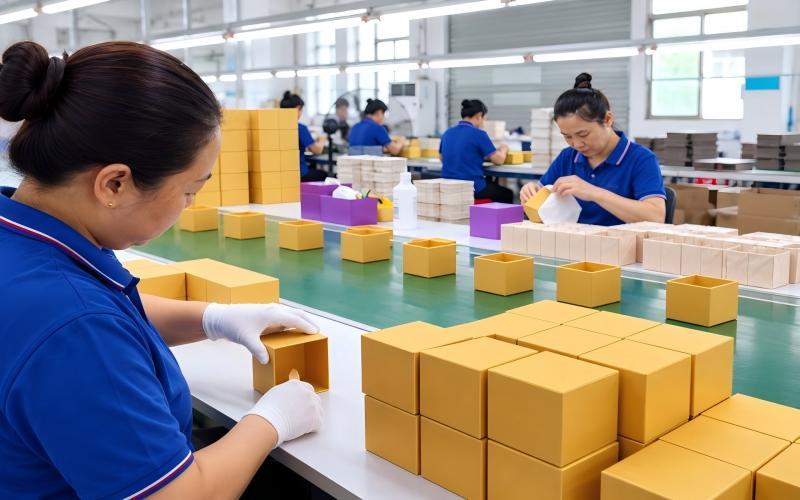
Discover our manufacturing expertise, dedicated team, and commitment to premium custom packaging solutions.
Explore Our Company →Stay connected with DHP Boxes
BUYER GUIDE / PACKAGING EXPERTISE
Whisky tasting sets bring together multiple miniature bottles, different spirit expressions and a coordinated tasting experience. Designing the right packaging requires more than choosing an attractive gift box. Bottle arrangement, insert construction, glass bottle protection and premium presentation all need to work together. This guide explores the key considerations for distilleries, whisky brands and premium gift set developers planning custom whisky tasting set packaging.
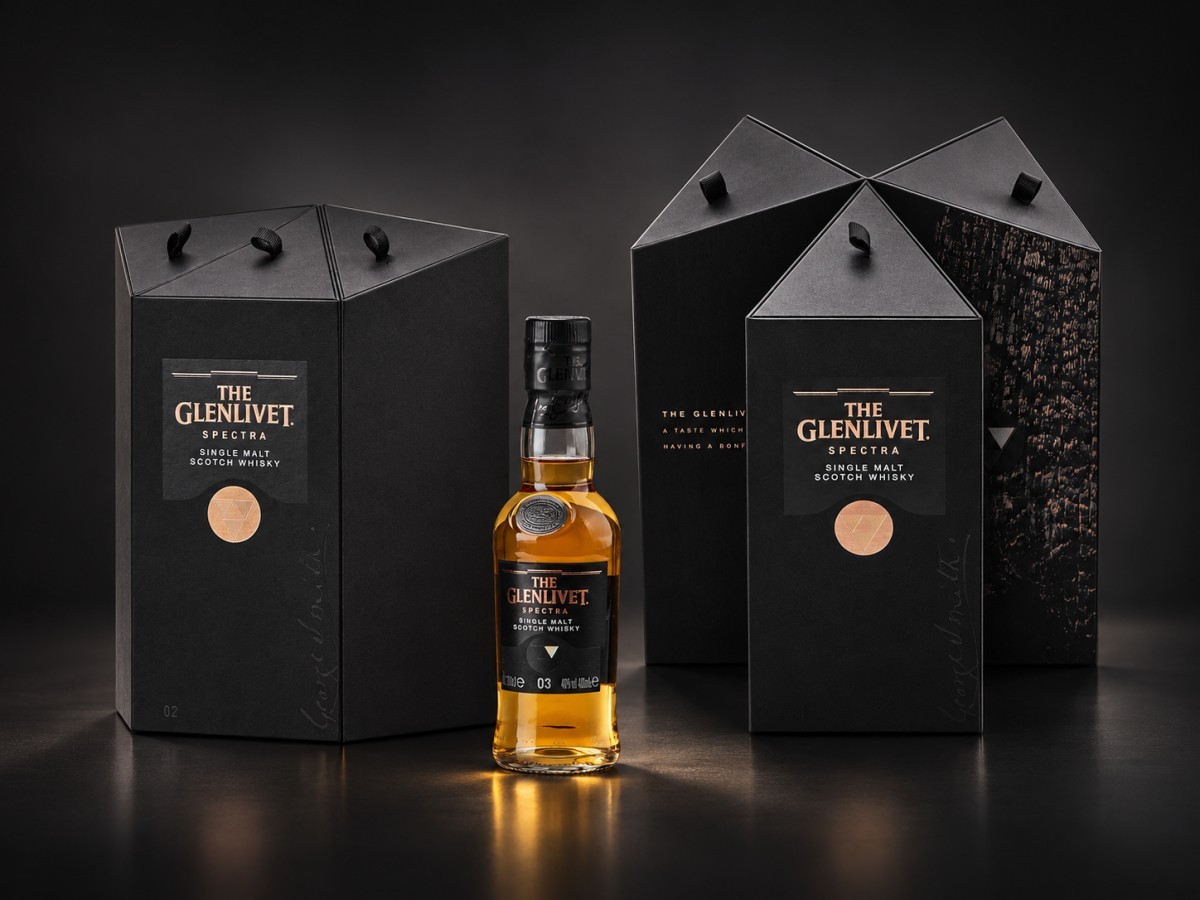
Custom whisky tasting packaging combines bottle organization, protective inserts and premium brand presentation.
Whether a collection contains three miniature bottles or a larger selection of whisky expressions, the packaging needs to accommodate the actual bottle dimensions while presenting the products as one coordinated set. The right combination of box structure, internal compartments and finishing details can support both the practical requirements of the product and the brand's presentation goals.
INDUSTRY INSIGHT / U.S. SPIRITS MARKET
According to NielsenIQ's 2025 Year in Review, U.S. off-premise sales of non-RTD spirits in small sizes reached US$6.98 billion in the 52 weeks ending January 3, 2026, representing 1.3% growth compared with the previous year. NIQ defines small sizes in this analysis as products of 375ml and below.
NIQ identifies small formats as an opportunity for product trial, affordability and premiumization. For brands developing miniature bottle collections, this creates a practical packaging consideration: multiple small bottles need to be arranged, identified and presented as one coordinated product experience.
Source: NielsenIQ, 2025 Year in Review: U.S. Beverage Alcohol Off-Premise Trends. Data covers the 52 weeks ending January 3, 2026. Small size = 375ml and under. View the original NIQ report →
The first step in designing a whisky tasting gift box is determining how many bottles it needs to hold and how they should be arranged. Bottle quantity directly influences the internal dimensions, insert design and overall box proportions.
Miniature whisky bottles may share similar capacities but have different heights, diameters, shoulders and cap shapes. Packaging should therefore be developed according to the actual bottle specifications rather than relying on capacity alone.
A compact format for comparing different whisky expressions, introducing a collection or creating a small tasting gift.
A balanced arrangement that can accommodate different tasting selections and supporting brand materials.
A larger collection suitable for guided tasting experiences, distillery samplers and premium multi-expression gift sets.
These are common design scenarios rather than fixed box configurations. The final layout should be determined by bottle dimensions, total weight, insert construction and available internal space.
For collections containing bottles of different shapes or sizes, develop the insert layout around each individual bottle rather than using identical cavities. This helps achieve a more organized presentation and a better fit.
A miniature bottle collection is not simply a standard whisky gift box reduced in size. Different bottle shapes, cap dimensions and product combinations can create additional structural requirements. Before finalizing box dimensions, provide actual bottle measurements and confirm whether all bottles share the same specifications.
The outer box structure influences how customers access the bottles, how the tasting set is presented and how the internal insert is supported. Rigid boxes offer a substantial presentation format and can be customized with different opening mechanisms.
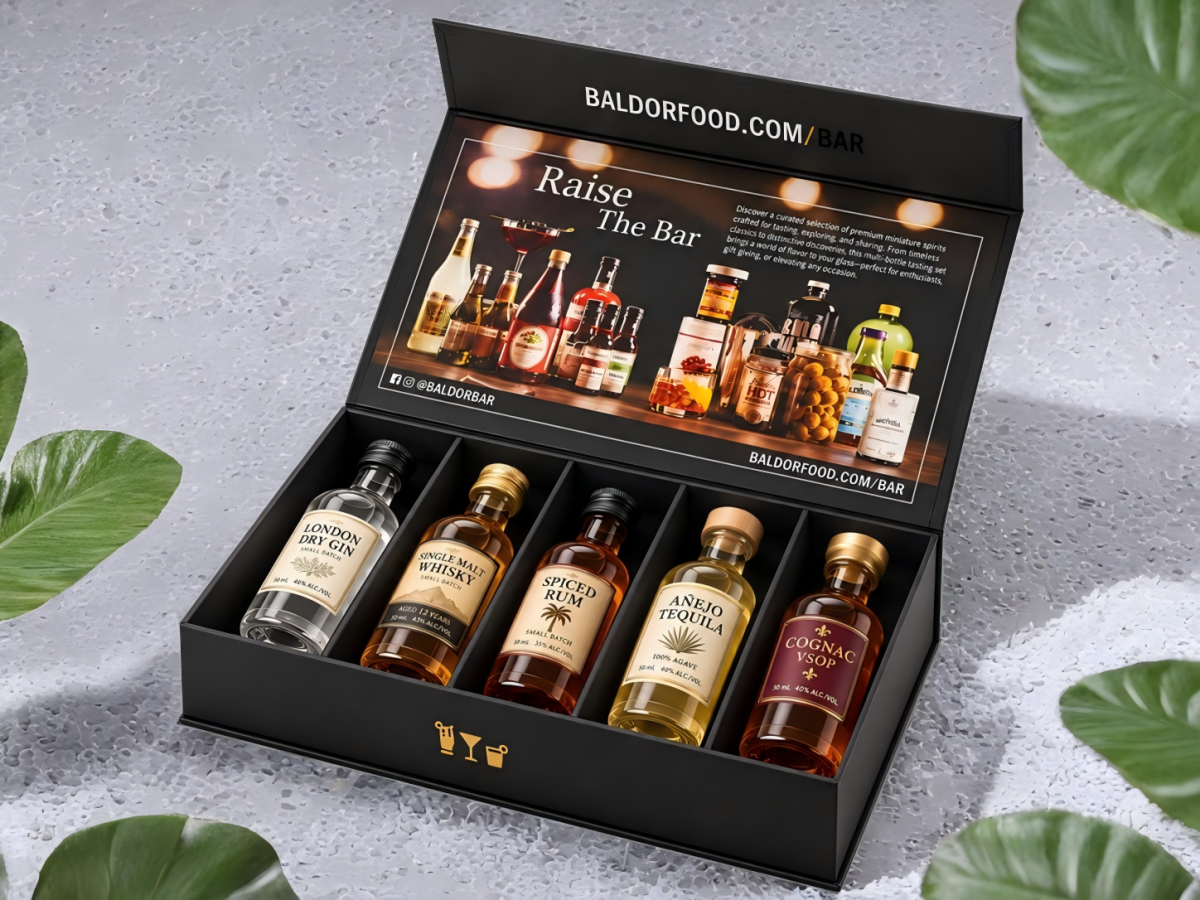
A book-style rigid box opens through a hinged cover, creating a presentation area for multiple bottles and accompanying materials.
The insert can hold each miniature bottle in a designated position, while the inside lid can accommodate brand information or tasting instructions. This structure is suitable for collections where the opening experience is an important part of the presentation.
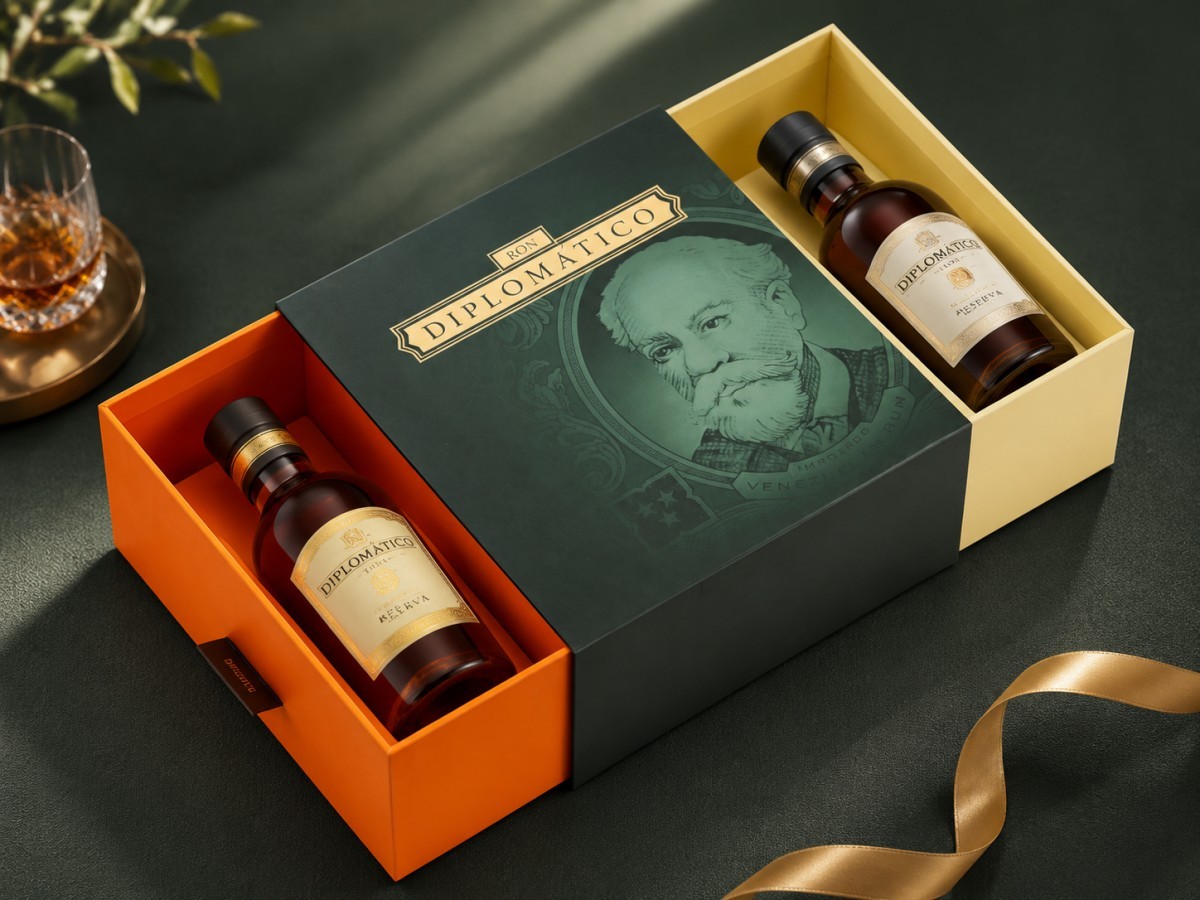
Drawer boxes feature a sliding tray that reveals the products as the inner compartment is pulled outward.
They can be developed with customized bottle compartments and coordinated outer sleeves. The sliding structure also creates an opportunity for a layered product reveal.
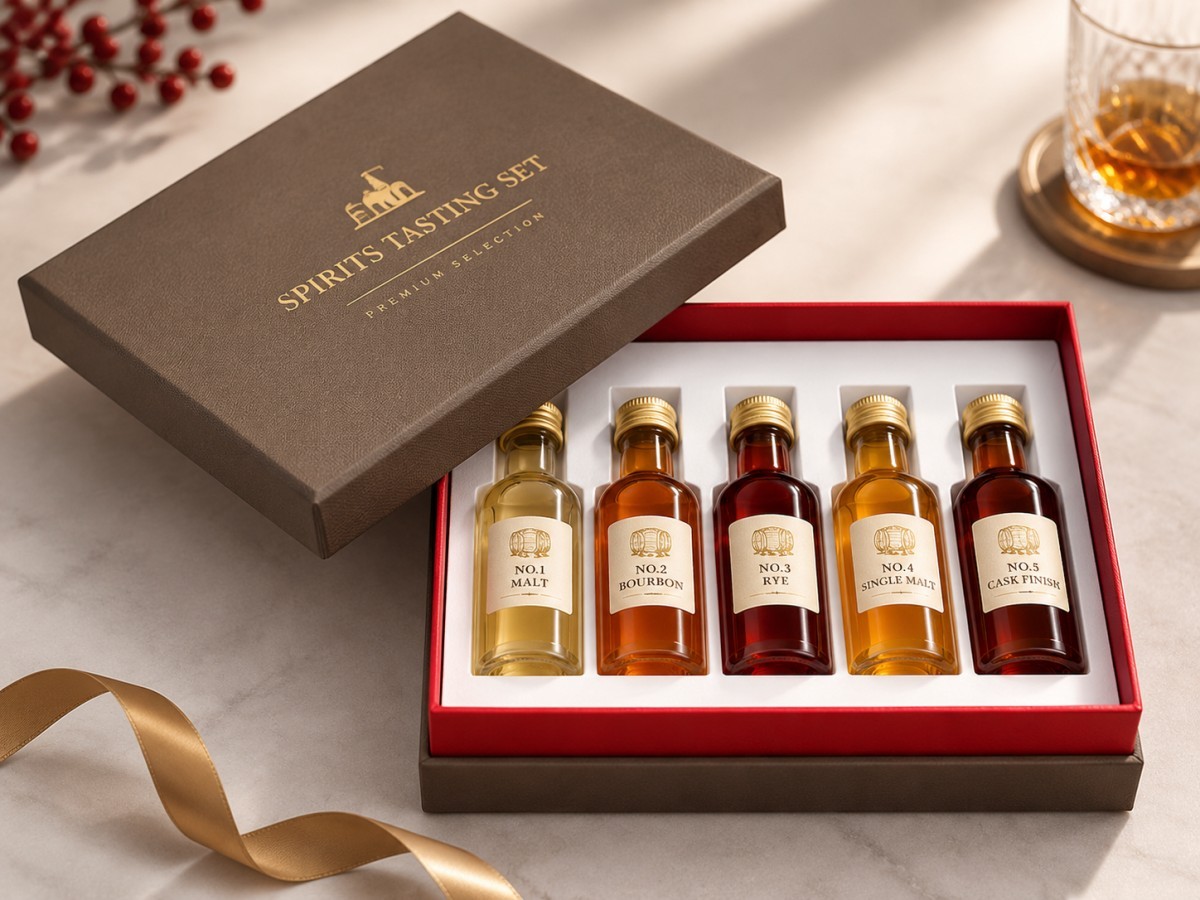
This traditional two-piece structure consists of a separate lid and rigid base. It offers a straightforward format for premium gift packaging.
Customized inserts can accommodate different bottle quantities, while the exterior can be finished with specialty paper, foil stamping and other decorative processes.
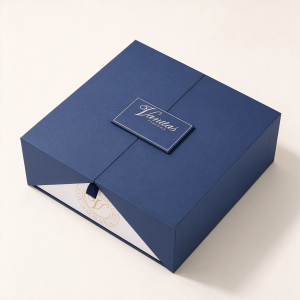
Double-door structures open from the center, revealing the contents across a wider display area.
This format can be suitable for larger spirits gift collections where bottles, tasting cards and additional components are arranged together.
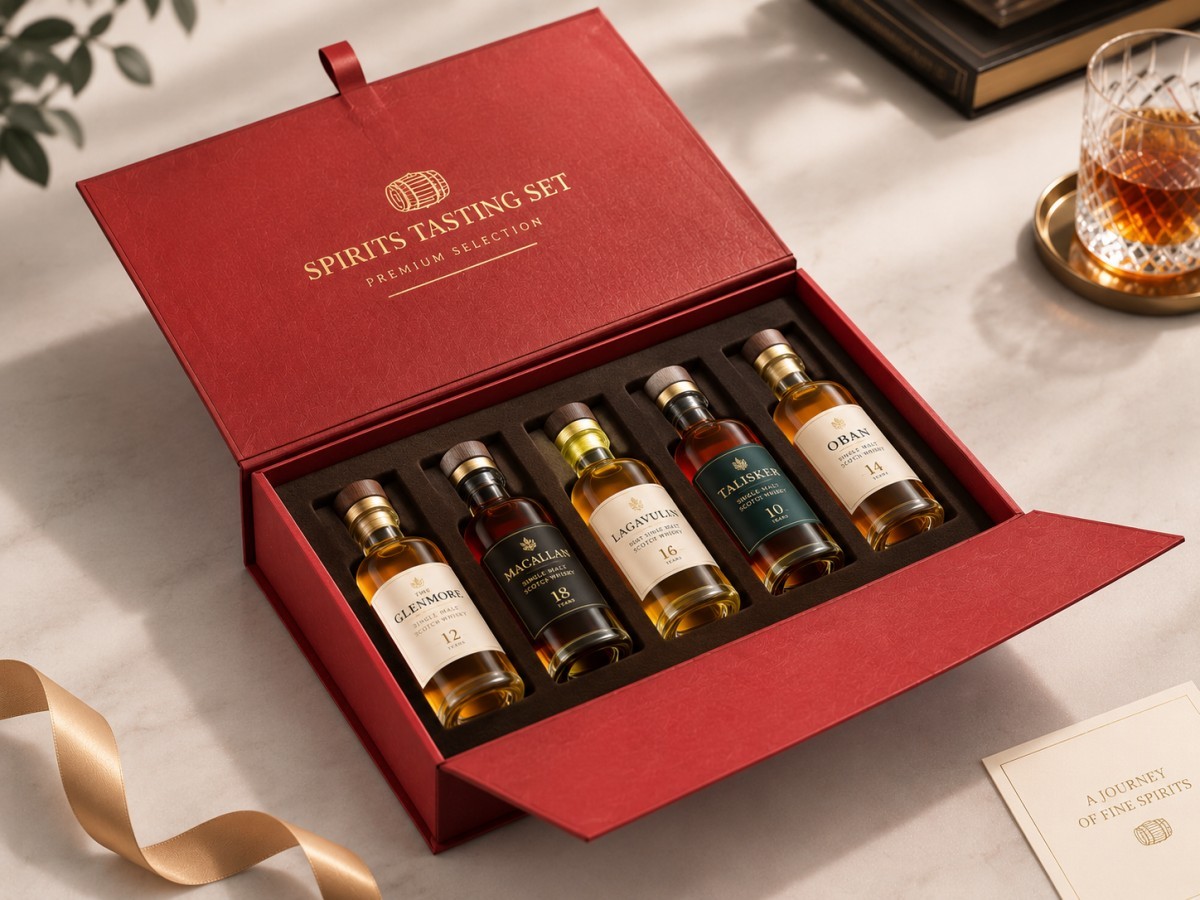
The insert is one of the most important components of multi-bottle whisky packaging. It determines how bottles are positioned, how individual compartments are organized and how the products are presented when the box is opened.
Three insert approaches are commonly considered for custom spirits packaging: EVA foam, paperboard inserts and premium wrapped inserts. Each offers different structural and presentation characteristics.
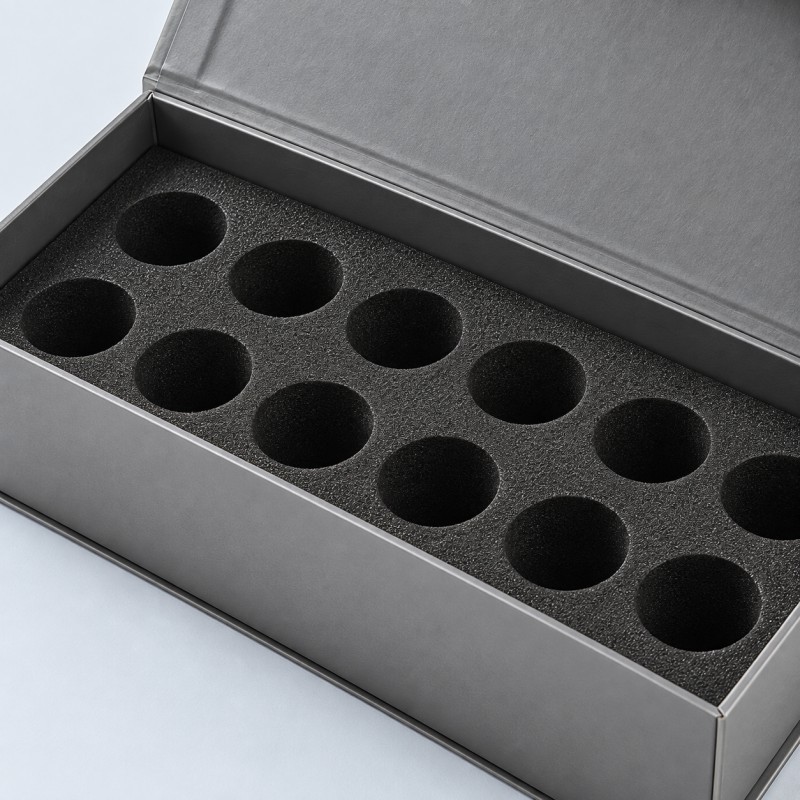
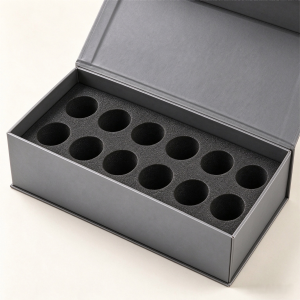
EVA foam can be cut into individual cavities according to bottle dimensions. Its cushioning properties make it a useful option for projects requiring additional support around glass bottles.
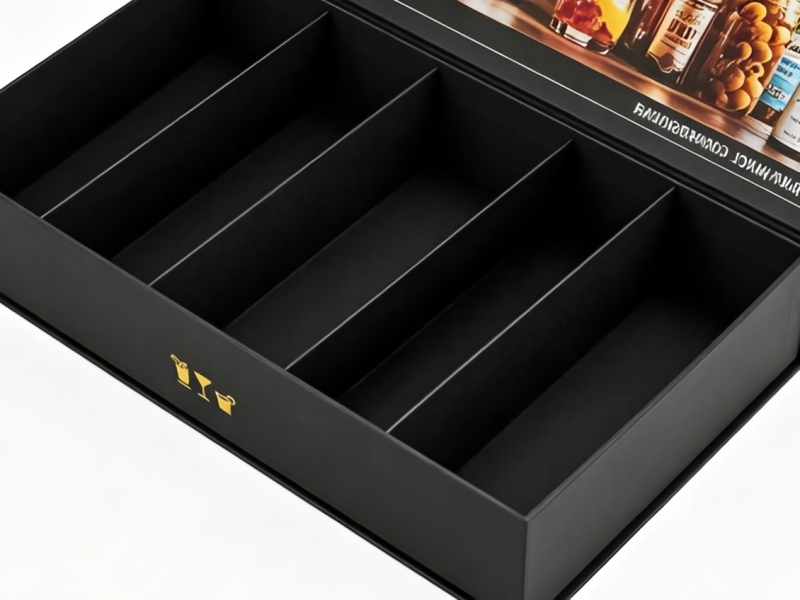
Paperboard inserts use die-cut and folded components to create separate bottle compartments. Divider structures can be developed according to the arrangement and dimensions of the products.
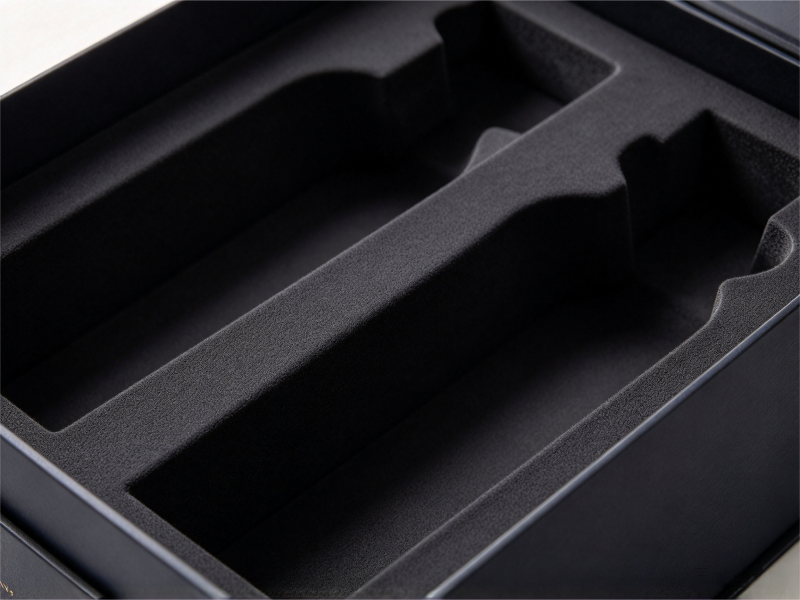
Wrapped inserts can coordinate with the exterior paper and overall visual identity of the gift box. This approach is useful when the interior presentation needs to match the premium appearance of the outer packaging.
| Insert Type | Main Characteristics | Typical Application |
|---|---|---|
| EVA Foam | Cushioning material with individually cut cavities. | Projects requiring additional bottle cushioning and positioning. |
| Paperboard | Die-cut and folded compartment structures. | Organized bottle arrangements and paper-based packaging designs. |
| Wrapped Inserts | Insert surfaces covered with coordinated decorative paper. | Premium interior presentation and coordinated brand aesthetics. |
Insert selection should not be based on appearance alone. Bottle weight, shape, required cushioning, packaging dimensions and distribution conditions should all be considered before confirming the final insert design.
Miniature liquor bottles are often made of glass, which means the packaging needs to account for both bottle positioning and potential movement during handling and transportation.
A well-designed insert helps keep individual bottles organized and reduces unnecessary contact between neighboring products. However, protection depends on the complete packaging system rather than the insert material alone.
Each bottle should have a designated position to help prevent uncontrolled movement inside the box.
Evaluate spacing around bottle bodies, shoulders and caps according to actual product geometry.
The insert should remain properly positioned within the rigid box and support the intended bottle arrangement.
The insert, rigid box walls, lid clearance and overall construction need to be evaluated together. A bottle may fit into an individual cavity but still have insufficient clearance around its cap when the lid closes. An insert may also behave differently once all bottles are placed inside.
Prototype testing with the actual bottles or dimensionally accurate samples is therefore an important part of packaging development.
PACKAGING ENGINEERING / TRANSPORT VALIDATION
The International Safe Transit Association (ISTA) provides standardized procedures for evaluating packaged-product performance under simulated distribution conditions.
ISTA Procedure 3A is designed for individual packaged products weighing 70 kg or less that are shipped through parcel delivery systems by air or ground. Its general simulation approach includes transportation-related vibration and drop conditions.
ISTA procedures are testing references, not automatic guarantees of protection. The appropriate test should be selected according to the actual shipping environment and project requirements.
Technical references: ISTA Test Procedures · Getting Started with Design & Testing
Beyond bottle protection, a whisky tasting gift box also represents the brand. Material textures, logo treatments, interior colors and supporting printed materials can contribute to the overall presentation.
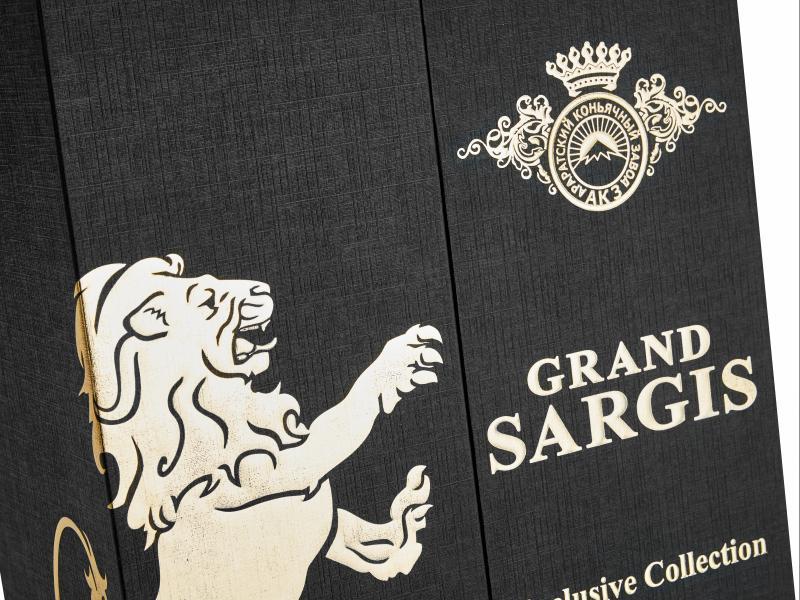
Textured, colored and decorative specialty papers can create distinctive surfaces for premium whisky packaging. Options may include dark textured papers, subtle grain patterns and coordinated interior wrapping papers.
Metallic foil stamping can highlight brand logos, product names and selected graphic details. Gold and silver are commonly considered for luxury spirits presentation, while other foil colors can be selected according to the design direction.
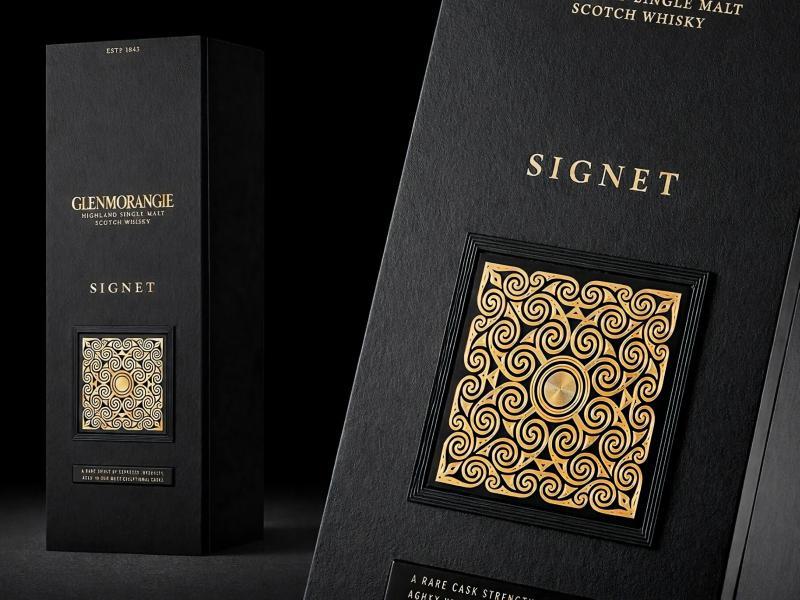
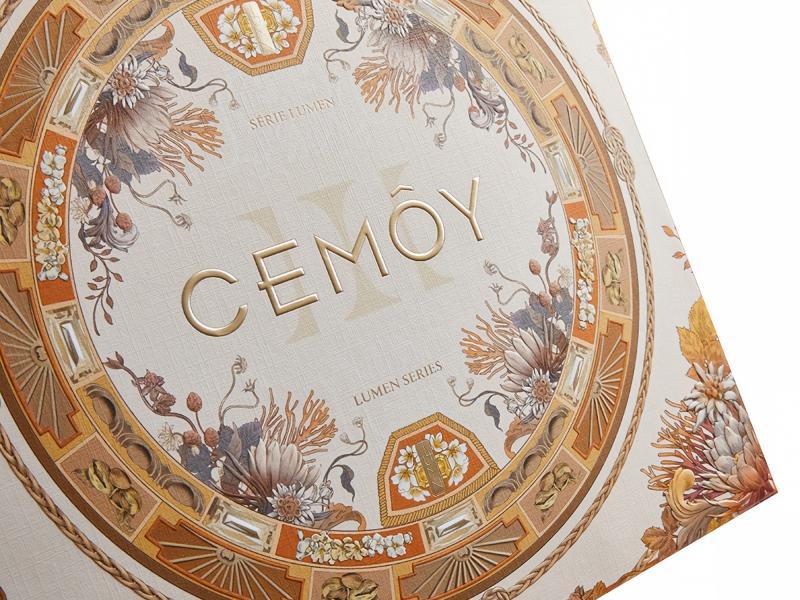
Embossing creates raised details, while debossing presses selected design elements into the surface. These techniques can emphasize brand marks, decorative patterns and selected packaging details through tactile effects.
According to IWSR's September 2026 analysis of global travel retail, whisky value increased by 12% in 2025. Japanese whisky recorded 44% value growth, while Scotch whisky and American whiskey each increased by 10% in this channel.
These figures reflect the global travel retail channel, not the entire global whisky market. They illustrate the differing positioning and brand stories across whisky categories.
For packaging buyers, brand-specific presentation is an important design consideration. Specialty papers, foil-stamped logos, embossed details and coordinated tasting materials can help distinguish different collections.
Source: IWSR, September 16, 2026. Read the IWSR industry analysis →
A complete whisky tasting set may include more than the bottles and outer box. Supporting materials can help explain the tasting experience and reinforce brand identity.
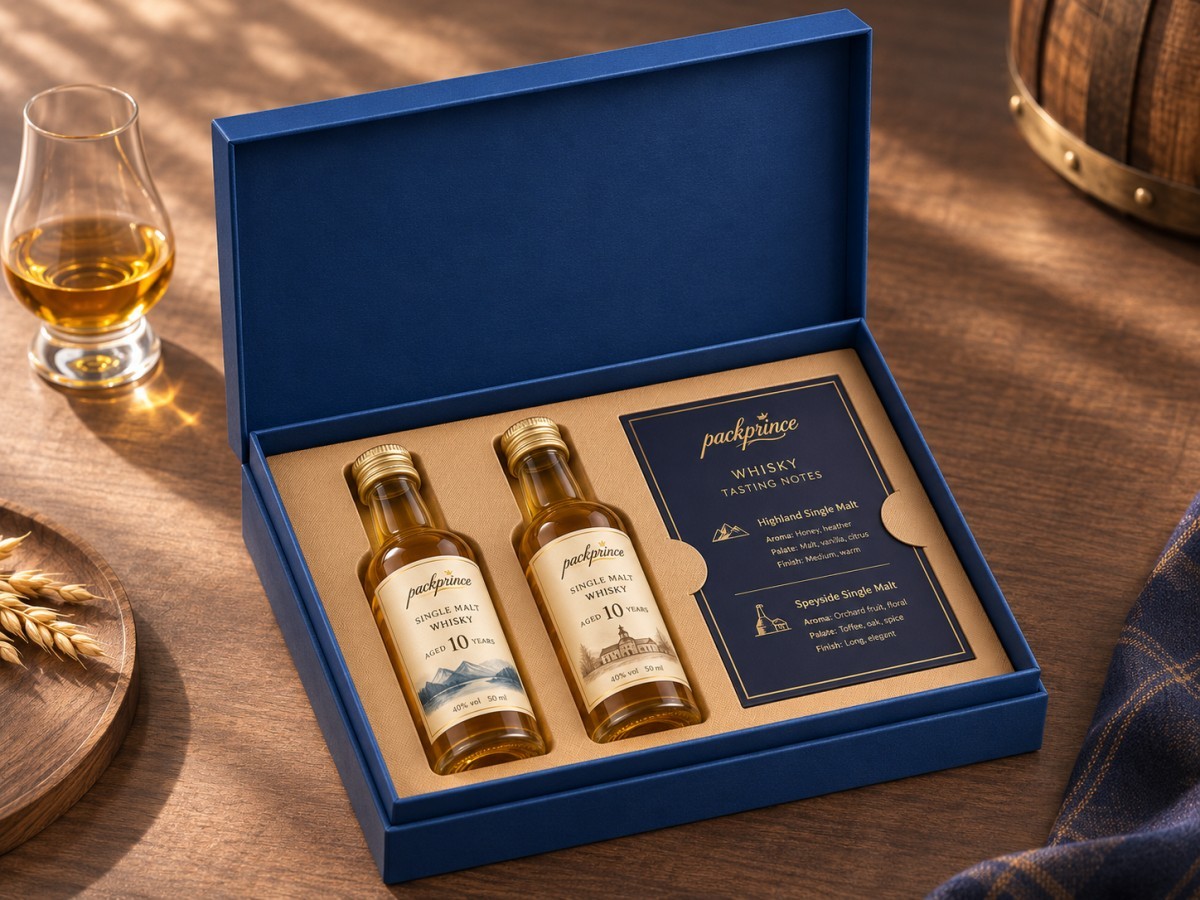
A coordinated tasting gift set combines the box, internal arrangement and supporting brand materials.
Sustainability is an important consideration when developing premium spirits packaging. For brands selling in European markets, packaging decisions need to consider not only appearance and product protection, but also material selection, component separation and end-of-life management.
Regulation (EU) 2025/40, commonly known as the Packaging and Packaging Waste Regulation (PPWR), entered into force on February 11, 2025, and began applying from August 12, 2026.
The regulation establishes a harmonized framework covering packaging design, material composition, recyclability, packaging waste prevention and the management of packaging throughout its life cycle. Its requirements are being introduced in stages, with important recyclability and packaging design milestones scheduled for 2030 and beyond.
For brands developing whisky gift boxes and spirits sampler packaging for the EU market, it is worth considering the packaging system as a whole rather than evaluating the outer box material alone.
Selecting paper-based materials does not automatically establish PPWR compliance. Compliance depends on the applicable requirements, packaging category, complete material composition and relevant technical assessment. Brands and their packaging partners should review the final packaging configuration and supporting documentation for the intended EU market.
The objective is to balance the visual impact of luxury packaging with practical material choices, product protection and applicable market requirements.
Developing a custom whisky tasting box involves several stages, from understanding the actual bottle dimensions to confirming the insert fit and final appearance. Working through these details before mass production helps align the packaging design with the intended product arrangement and manufacturing specifications.
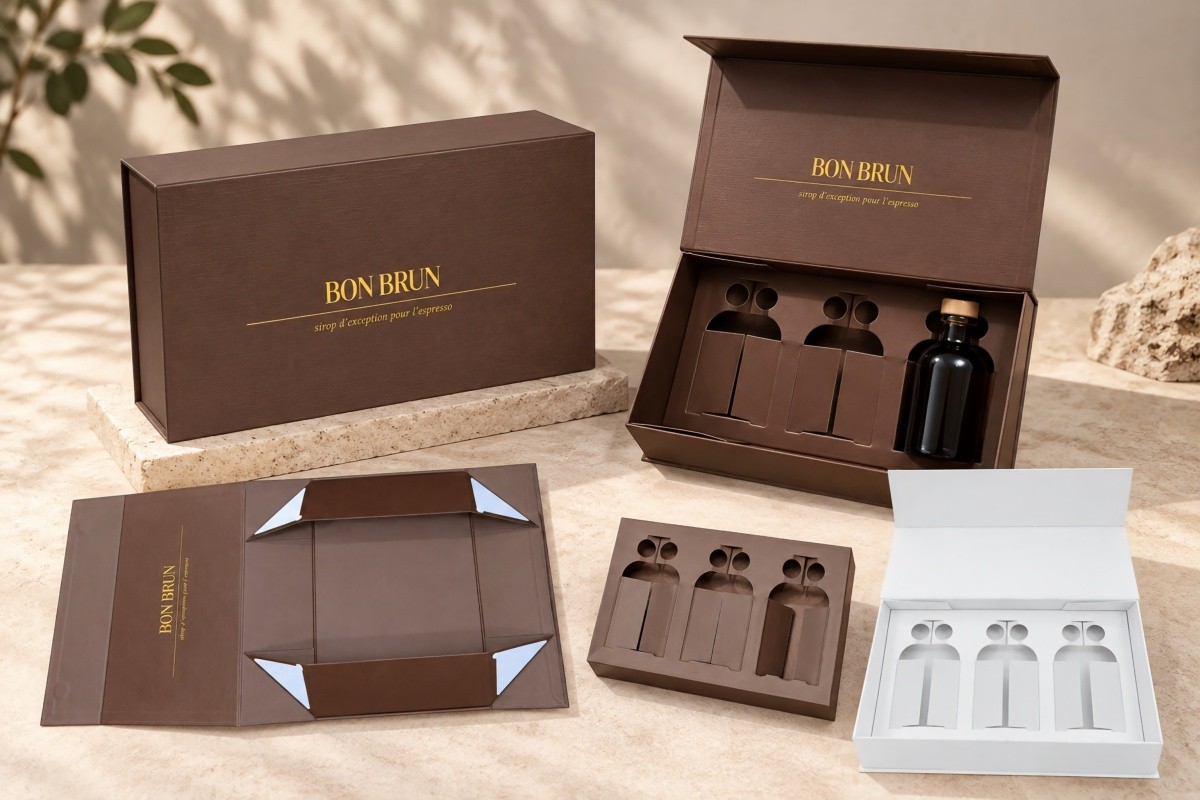
Review bottle height, diameter, shoulder shape, cap dimensions, weight and the number of bottles in each set. Product photos or technical drawings can help with the initial assessment.
Determine the outer box dimensions, opening mechanism, bottle arrangement and insert construction. Plan the internal layout around the actual products and additional accessories.
Develop prototypes to evaluate box dimensions, bottle fit, insert positioning and overall presentation. Review the sample against approved specifications before proceeding.
Finalize wrapping paper, colors, logo treatments, insert materials and other packaging details. Complete necessary adjustments before mass production approval.
Production follows the approved sample and specifications. Inspection can cover box construction, surface appearance, insert assembly and product fit according to project requirements.
As a general reference, sampling takes approximately 5–7 days, while mass production takes approximately 25–30 days. Actual schedules depend on box complexity, quantity, material availability and sample approval.
At DHP Boxes, structural design, material selection and production planning are considered together when developing custom rigid packaging. Learn more about our packaging manufacturing capabilities and manufacturing process.
Providing accurate product information at the beginning of a packaging project can help the manufacturer evaluate the required structure, insert design and materials more efficiently.
| Information | What to Provide |
|---|---|
| Bottle Quantity | Number of miniature bottles in each set. |
| Bottle Dimensions | Height, diameter, shoulder shape and cap dimensions. |
| Bottle Weight | Individual bottle weight and total filled-set weight. |
| Box Structure | Preferred structure, such as book-style, drawer, lid and base or double-door. |
| Insert Preference | EVA foam, paperboard dividers or wrapped inserts. |
| Branding Requirements | Logo artwork, brand colors, printing and surface finishing preferences. |
| Order Quantity | Initial order quantity and expected future production plans. |
| Delivery Information | Destination country and preferred delivery arrangements. |
Even when the final artwork is not ready, bottle specifications and reference images can provide a useful starting point for structural development.
Whisky tasting set packaging is designed to hold multiple whisky bottles, often in miniature formats, within one coordinated presentation box. It may include individual bottle compartments, a rigid outer box and supporting tasting materials such as cards or booklets.
The number depends on bottle dimensions, box size and the intended arrangement. Common design scenarios include three, four and six-bottle sets, although other configurations can be developed according to the project.
EVA foam, paperboard and premium wrapped inserts are all possible options. EVA provides cushioning, paperboard supports organized divider structures, and wrapped inserts offer coordinated interior presentation. The final selection depends on bottle weight, geometry, required protection and design preferences.
Individual compartments can be designed around bottle dimensions to help maintain positioning. The insert, box walls, closure clearance and overall packed configuration should be evaluated together. Testing with the intended bottles is recommended before mass production.
Magnetic book-style, drawer, lid and base, and double-door presentation boxes are possible choices. The suitable structure depends on bottle quantity, total weight, opening experience and presentation requirements.
Yes. Tasting cards, product information inserts and brand booklets can be incorporated into the packaging design. Their size and position should be considered during initial layout planning.
Yes. Specialty papers, foil stamping, embossing and debossing can be considered for exterior and interior surfaces. Specific materials and finishes should be confirmed through design review and sampling.
As a general reference, sampling takes approximately 5–7 days and mass production approximately 25–30 days. Actual lead times depend on structure, order quantity, material availability and approval schedule.
Useful information includes bottle quantity, dimensions, weight, preferred box structure, insert requirements, branding details, order quantity and delivery destination. Product photos, drawings or physical samples can also help with the initial evaluation.
Not every whisky gift box requires ISTA 3A testing. The appropriate test procedure depends on the packaging configuration and distribution environment. ISTA 3A is designed for individual packaged products shipped through parcel delivery systems. Brands should evaluate their actual transportation conditions before selecting a testing procedure.
The PPWR covers packaging placed on the EU market, including applicable sales and transport packaging. Specific obligations depend on packaging type, material composition and relevant economic operator responsibilities. Brands should review the complete packaging configuration against applicable requirements.
Not automatically. Paperboard and EVA have different material properties and end-of-life considerations. The appropriate choice depends on bottle protection requirements, material composition, component separation and available recycling infrastructure. The complete packaging system should be assessed rather than judging sustainability by one material alone.
The following industry publications, technical resources and official regulatory documents provide additional information for brands developing custom spirits packaging.
EXPLORE OUR SPECIALIZED SOLUTION
Looking for a packaging partner for whisky tasting kits, miniature liquor bottle gift boxes or multi-spirit sampler collections? Explore our dedicated solutions for custom rigid boxes, multi-bottle inserts and premium spirits presentation.
Explore Spirits Tasting Set Packaging →Successful whisky tasting set packaging brings together bottle arrangement, insert engineering, rigid box construction and premium brand presentation. Each element should be considered as part of one complete packaging solution.
For distilleries, whisky brands and gift set developers, working with a manufacturer that understands both structural development and packaging production can help turn a packaging concept into a practical finished product.
At DHP Boxes, we develop custom rigid packaging for whisky gift boxes, miniature liquor bottle collections and multi-bottle spirits tasting sets, with customized structures and insert options based on actual project requirements.
Whether you are preparing a new whisky sampler collection or upgrading an existing gift set, our team can help evaluate the packaging structure and customization possibilities.
Contact DHP Boxes to Discuss Your Custom Whisky Packaging Project →
We understand that choosing the right boxes for your industry is critical. That’s why we invite you to contact us. Whatever your goals, DHP will help you achieve them.
Contact NowWe have a strong team that works closely with customers to meet market challenges and effectively meet specific needs. Your thought, we fulfill.
Request a Custom QuoteDHP Factory is committed to delivering manufacturing excellence.
