
EU PPWR 2026 Is Now in Effect: What Brands Need to Know About Custom Paper Packaging
Updated: August 14, 2026 | Packaging Insights from DHP Factory
EU PPWR 2026 Is Now in Effect: What Brands Need to Know About Custom Paper Packaging
The EU Packaging and Packaging Waste Regulation (PPWR), Regulation (EU) 2025/40, generally applies from August 12, 2026. For brands selling products in the European Union, packaging decisions increasingly need to consider recyclability, material composition, packaging minimisation and supporting documentation alongside appearance, protection and cost.
This is especially relevant to custom paper packaging and luxury rigid boxes. A box may appear mainly paper-based while still containing plastic lamination, EVA foam, magnets, ribbons, PET trays or other materials that can affect its overall recycling performance.
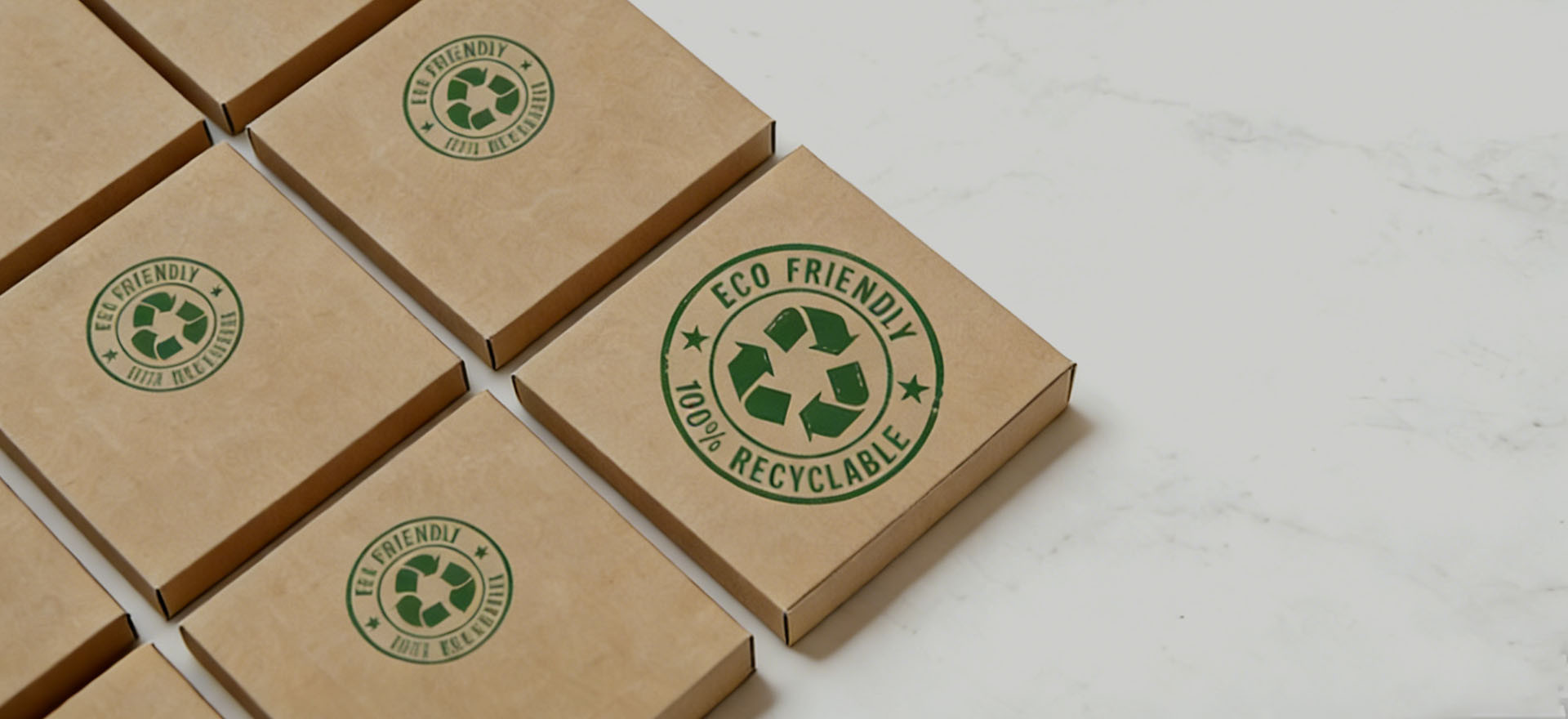
What Is EU PPWR 2026?
PPWR is the European Union's new regulatory framework for packaging and packaging waste. It covers packaging made from paper, plastic, glass, metal and other materials and aims to reduce packaging waste, improve recyclability and encourage more efficient use of resources.
The Regulation entered into force in 2025 and generally applies from August 12, 2026. However, brands should understand that PPWR follows a phased timeline. Important requirements related to recyclability, packaging minimisation and other performance criteria continue to develop toward 2030, 2035 and beyond.
For brands developing new packaging today, this means it makes sense to consider future recyclability and material efficiency before finalising the box structure.
What Does PPWR Mean for Custom Paper Packaging?
Paper is generally well positioned for a more circular packaging economy, but a "paper box" is not automatically PPWR compliant.
A typical premium rigid box may include:
- Greyboard
- Printed or textured wrapping paper
- Adhesives
- Plastic lamination
- Magnets
- Textile ribbons
- EVA foam
- PET trays or windows
- Paperboard or molded pulp inserts
The complete packaging structure should therefore be considered, not only the main paper material.
Design With Recyclability in Mind
One practical direction is to simplify the number of materials used whenever product protection and brand presentation allow.
For example, a rigid box made from greyboard and paper wrapping has a relatively simple construction. Adding plastic film, EVA foam, magnets and textile components creates a more complex multi-material package.
This does not mean every decorative component is prohibited. Instead, brands should ask whether each component is necessary and whether a simpler alternative could achieve the same function.
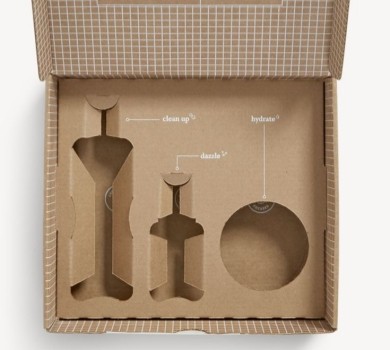
Packaging Minimisation Without Losing Luxury Appeal
Another important PPWR direction is reducing unnecessary packaging weight and volume.
Traditionally, luxury packaging sometimes uses oversized boxes, deep presentation platforms or thick foam inserts to increase perceived value. Future packaging design will increasingly need to justify these materials from a functional perspective.
Fortunately, sustainable packaging does not need to look inexpensive.
Luxury can still be created through:
- Premium textured paper
- Accurate printing and color matching
- Embossing and debossing
- Selective foil stamping
- Precise wrapped edges and corners
- Well-designed paper inserts
- Creative structural engineering
A smaller, carefully engineered rigid box can often provide a stronger premium experience than an oversized box filled with unnecessary material.
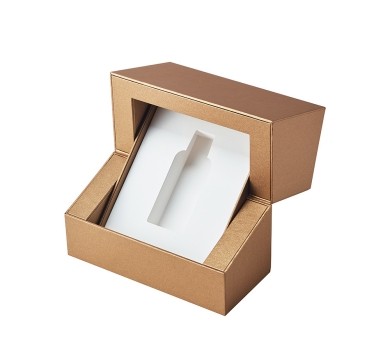
Materials and Components Brands Should Review
Plastic Lamination
Matte, gloss and soft-touch films remain widely used in luxury packaging. Brands looking for a simpler material structure can also evaluate textured papers, uncoated papers or suitable coating systems depending on the required print quality and surface performance.
EVA and Plastic Inserts
EVA provides excellent protection, but it introduces another material into a paper packaging system. Depending on the product, alternatives can include folded paperboard, corrugated structures or molded pulp.
You can explore more options through DHP Factory's custom packaging design and manufacturing services.
Magnets and Ribbons
Magnetic closures and ribbons are popular in premium rigid boxes. PPWR should not be interpreted as a simple blanket ban on these components. However, brands should consider whether they are necessary, removable or replaceable with paper-engineered alternatives.
Food Packaging
Food-contact packaging deserves additional attention because PPWR also introduces requirements concerning certain substances used in food-contact packaging. Material specifications and supplier documentation therefore become especially important.
Traditional Packaging vs. PPWR-Aware Packaging
| Traditional Approach | PPWR-Aware Direction |
|---|---|
| Oversized rigid box | Right-sized structure |
| Thick EVA insert | Evaluate paperboard or molded pulp |
| PET tray | Consider paper-based positioning |
| Plastic lamination by default | Review alternative papers and coatings |
| Multiple decorative materials | Simplify materials where practical |
| Large decorative empty space | Optimise packaging around the actual product |
What Should You Ask Your Packaging Supplier?
PPWR makes communication between brands and packaging manufacturers more important. Before approving new packaging for the EU market, consider asking your supplier:
- What materials are used in each packaging component?
- Does the box contain plastic lamination?
- What material is used for the insert?
- Are magnets, ribbons or plastic windows included?
- Can unnecessary components be removed?
- Can the box dimensions or weight be reduced?
- Are paper-based insert alternatives available?
- Can material specifications and supporting documentation be provided?
Brands should also avoid unsupported claims such as "100% eco-friendly." More specific descriptions such as FSC-certified paper where applicable, recycled-content board, reduced plastic components or paperboard inserts are generally more useful and credible.
How DHP Factory Can Support Your Packaging Project
As an experienced custom paper packaging manufacturer, DHP Factory has more than 20 years of experience developing rigid boxes, luxury gift packaging, folding cartons and custom inserts for international brands.
For projects targeting the European market, our role is not to replace a brand's legal or compliance team. Instead, we can support the packaging-development process through practical manufacturing expertise.
Structural Optimisation
We can review product dimensions, box proportions and internal layouts to reduce unnecessary space while maintaining product protection and presentation.
Material Selection
Depending on the project, brands can compare specialty papers, recycled-content materials, FSC-certified paper options and different surface finishes.
Explore our eco-friendly packaging solutions for additional paper-based packaging possibilities.
Insert Development
Instead of automatically using EVA or plastic trays, our engineering team can evaluate paperboard, corrugated and molded pulp alternatives based on product weight, fragility and transportation requirements.
Sampling Before Production
Prototypes allow brands to evaluate product fit, structure, material appearance, opening experience and protection before mass production.
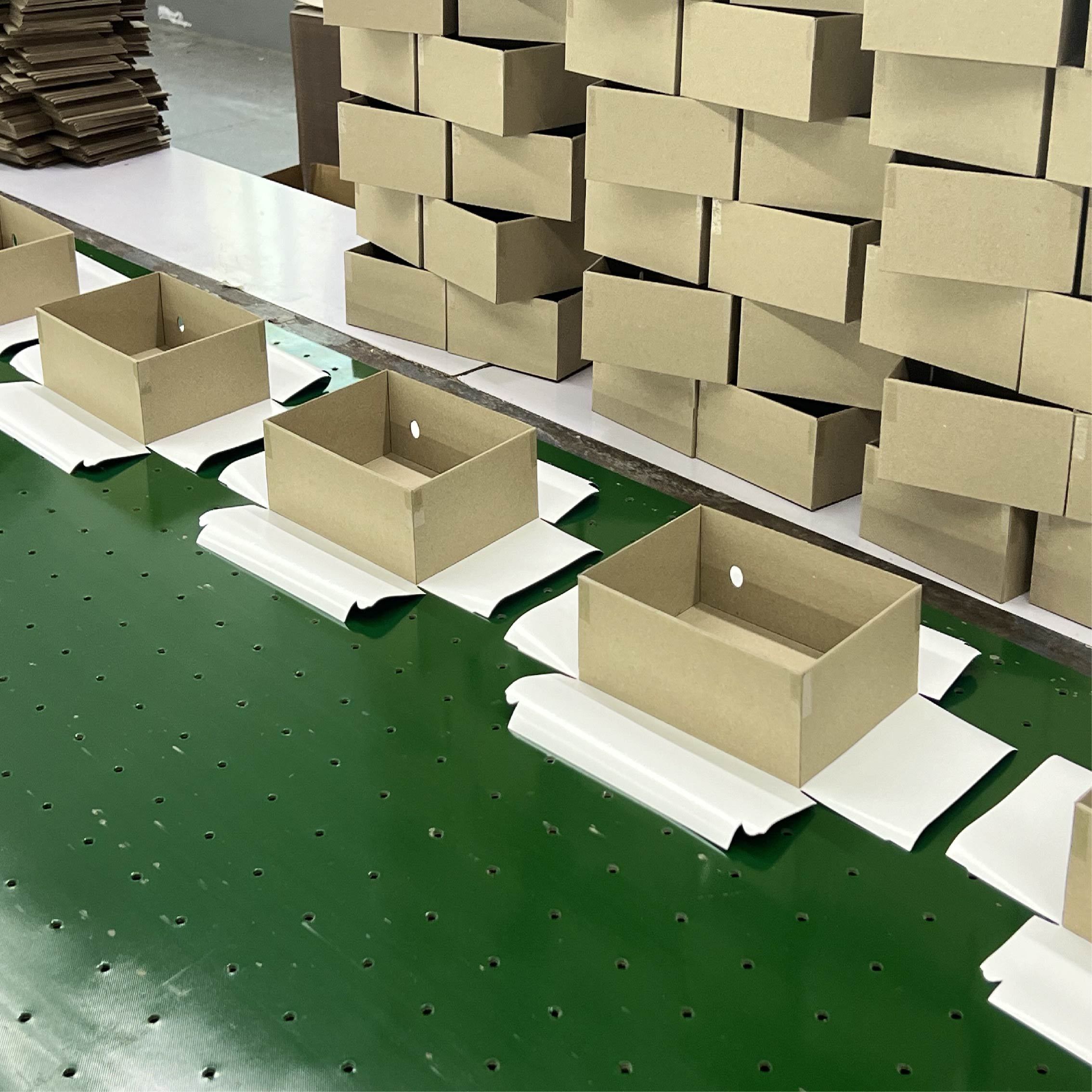
Developing Packaging for the EU Market?
Send DHP Factory your product dimensions, packaging concept, target market, preferred materials and expected quantity. Our packaging team can recommend suitable structures, inserts, materials and finishing options for your project.
Frequently Asked Questions
Does PPWR apply to paper packaging?
Yes. PPWR applies broadly to packaging placed on the EU market, including paper packaging. The specific requirements depend on the packaging format, materials and intended use.
Are rigid boxes banned under PPWR?
No. PPWR does not simply prohibit rigid boxes. Brands should evaluate their material composition, recyclability, dimensions, weight and functional necessity.
Are magnetic boxes banned?
There is no simple blanket ban on magnetic rigid boxes. Magnets should instead be considered as part of the complete packaging structure and recyclability assessment.
Does FSC certification mean PPWR compliant?
No. FSC certification relates mainly to responsible fibre sourcing and chain of custody. PPWR covers broader areas including packaging design, recyclability, minimisation and other regulatory obligations.
Should EVA inserts always be replaced?
Not necessarily. Product protection remains essential. Paperboard or molded pulp may work for many applications, while heavier or fragile products may still require stronger protective structures.
Final Thoughts
EU PPWR 2026 does not mean luxury paper packaging is disappearing. Instead, it encourages brands to think more carefully about how packaging is designed, how much material is used and what happens to the package after use.
For custom paper packaging, a practical starting point is to simplify unnecessary components, optimise box dimensions, consider paper-based alternatives where suitable and obtain clearer material information from suppliers.
Good packaging should still protect the product and strengthen the brand experience. The difference is that future premium packaging will increasingly need to achieve these goals with smarter structures and more considered material choices.
If you are developing a new rigid box or paper packaging project for the European market, contact DHP Factory to discuss structure, materials, samples and custom production.
