Manufacture
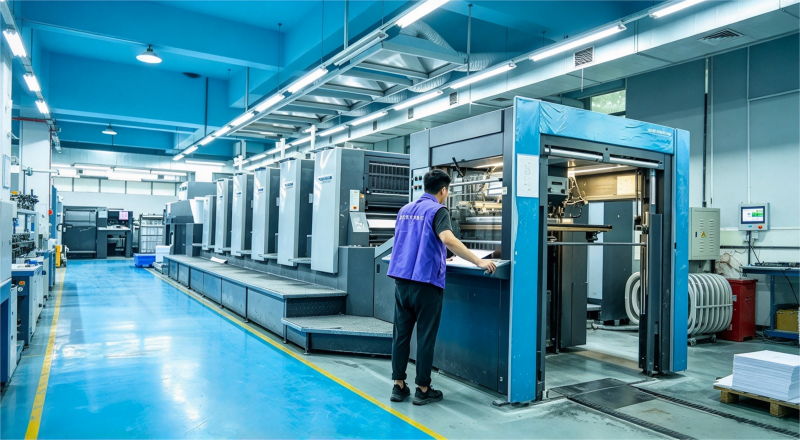
Explore our packaging factory, production equipment and rigid box manufacturing operations.
Explore Manufacturing
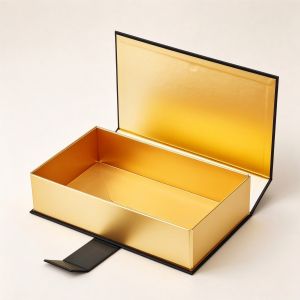 Folding Rigid Boxes
Space-saving rigid packaging designs.
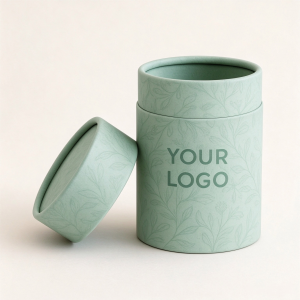 Packaging Tube Boxes
Distinctive cylindrical paper packaging.
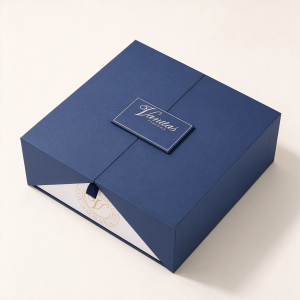
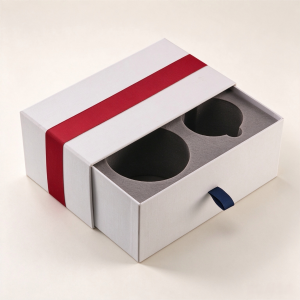 Drawer Boxes
Elegant sliding drawer box structures.
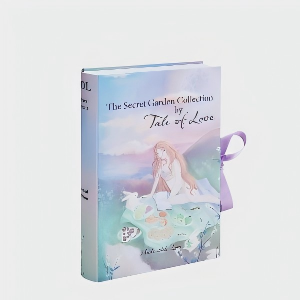 Book-Style Boxes
Luxury book-inspired packaging designs..
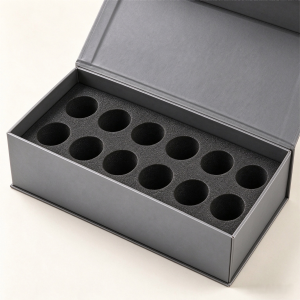
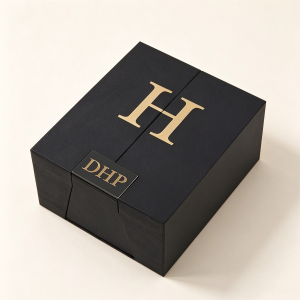 Magnetic Closure Boxes
Premium boxes with secure magnetic closure.
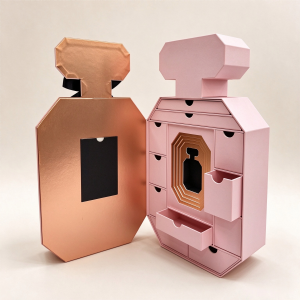 Advent Calendar Boxes
Multi-compartment seasonal gift packaging.
Explore our packaging factory, production equipment and rigid box manufacturing operations.
Explore Manufacturing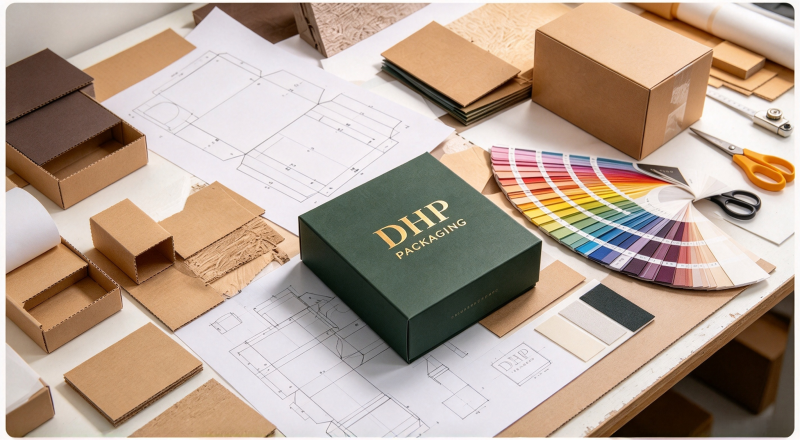
Discover our workflow from structural development and sampling to printing, assembly and quality control.
Explore Our Capabilities
Learn about responsible material choices, recyclable packaging design and reducing unnecessary material use.
Explore Sustainability
Professional packaging design support from concept to production.
Get Design Support →Explore practical packaging insights and quick answers to help you plan, customize, and order with confidence.
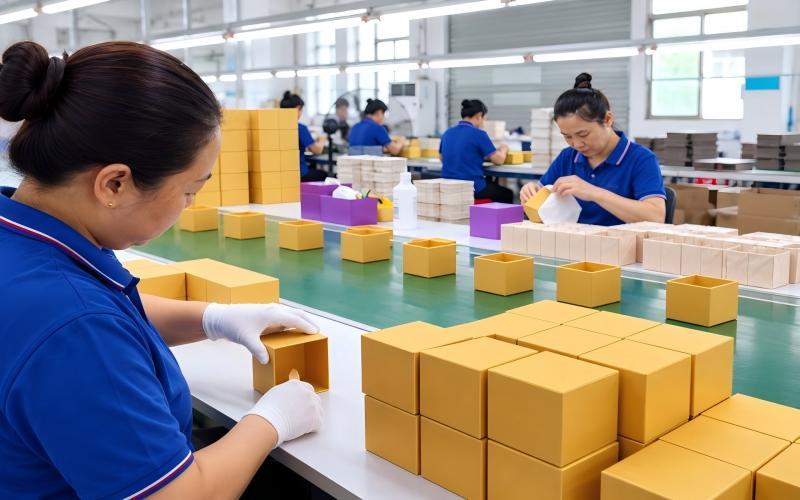
Discover our manufacturing expertise, dedicated team, and commitment to premium custom packaging solutions.
Explore Our Company →Stay connected with DHP Boxes
Custom sushi packaging boxes need to do more than hold food. They should protect delicate ingredients, maintain product presentation, and create a convenient experience for takeaway and retail customers. At DHP Boxes, we develop customized paper-based food packaging, from innovative push-pop sushi tubes to chocolate, candy, and Ramadan gift boxes, combining practical structures with distinctive brand presentation.
Sushi packaging has evolved beyond traditional rectangular takeaway trays. Different serving formats and sales channels call for different structures, especially when brands want to improve portability, product visibility, and the overall eating experience.
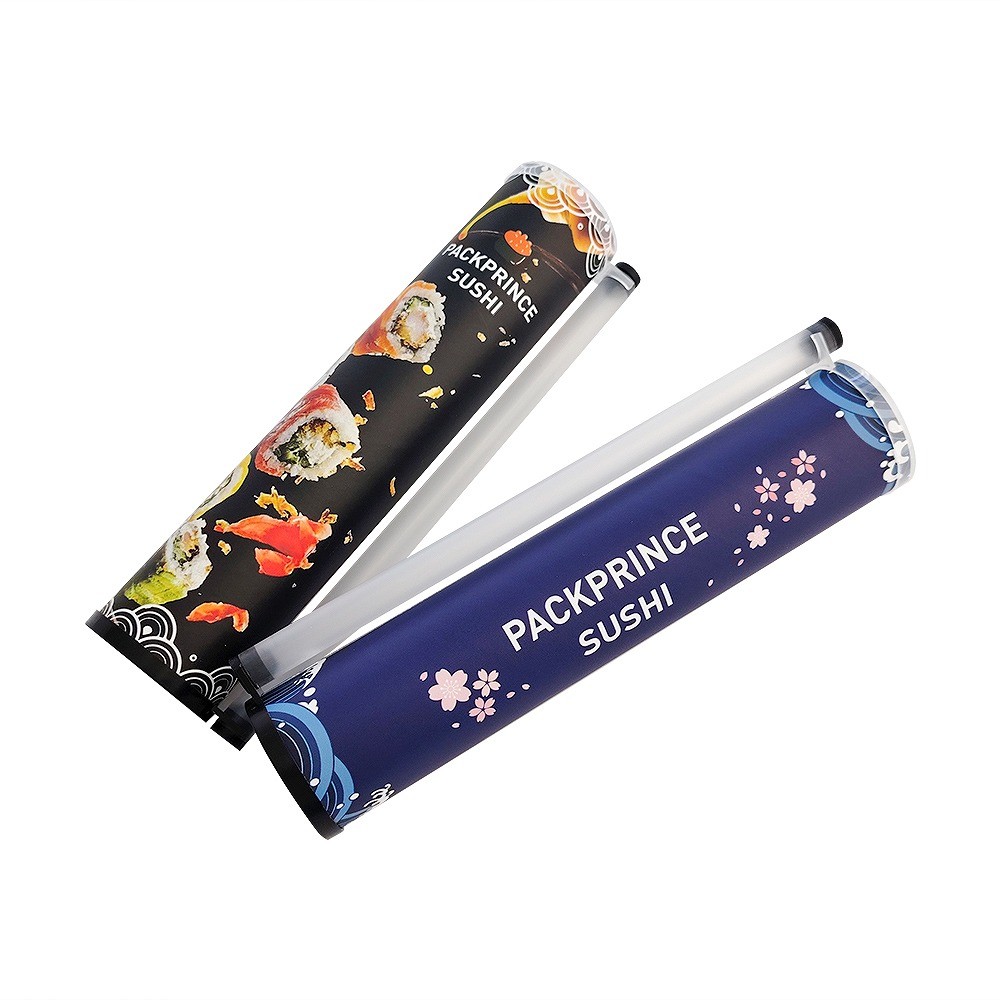
A creative cylindrical structure with a sliding push-up mechanism. Customers push the base upward to gradually lift the sushi roll, making it easier to eat without directly handling the food.
This format is particularly suitable for sushi rolls, takeaway concepts, food trucks, and brands looking for a distinctive serving experience.
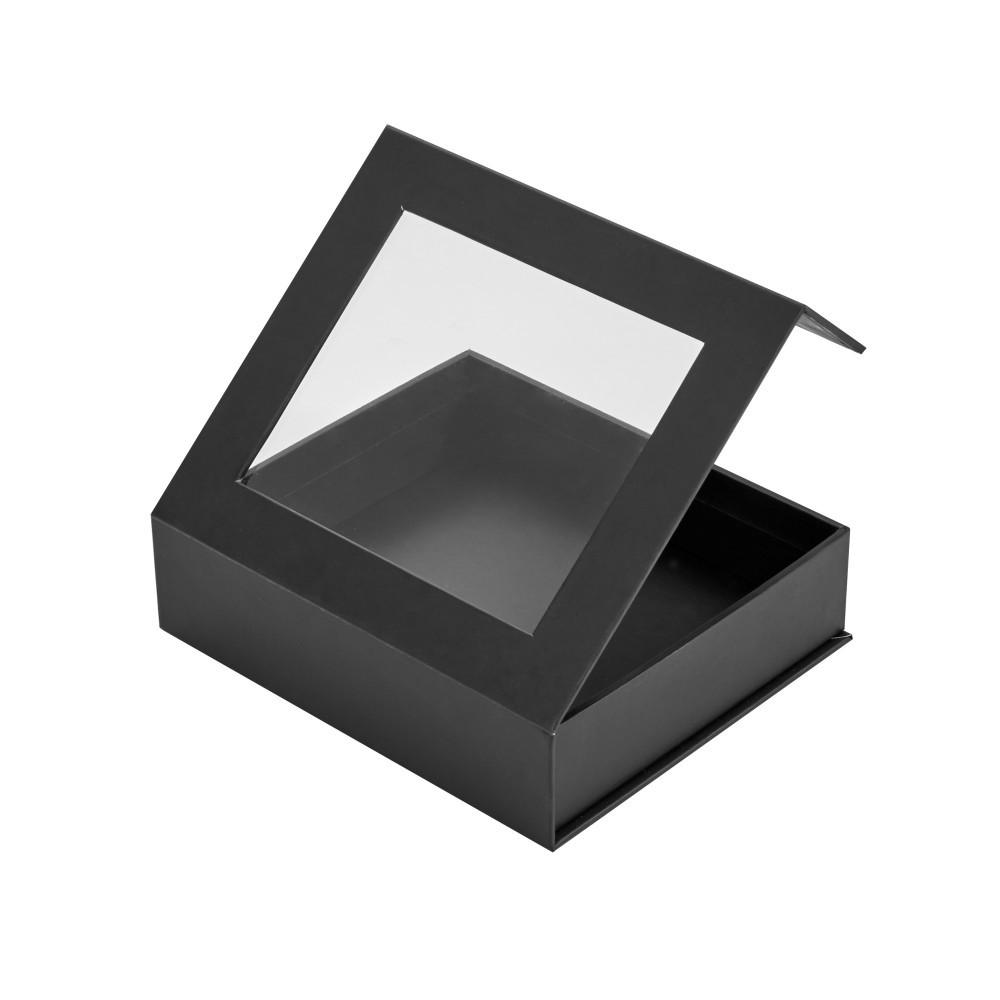
Rectangular paperboard boxes with fitted bases and lids offer a familiar presentation for sushi sets, rolls, and assorted portions. Custom dividers can help separate different ingredients and keep the arrangement neat.
For retail and takeaway applications, a suitable transparent window can also allow customers to see the food before opening the package.
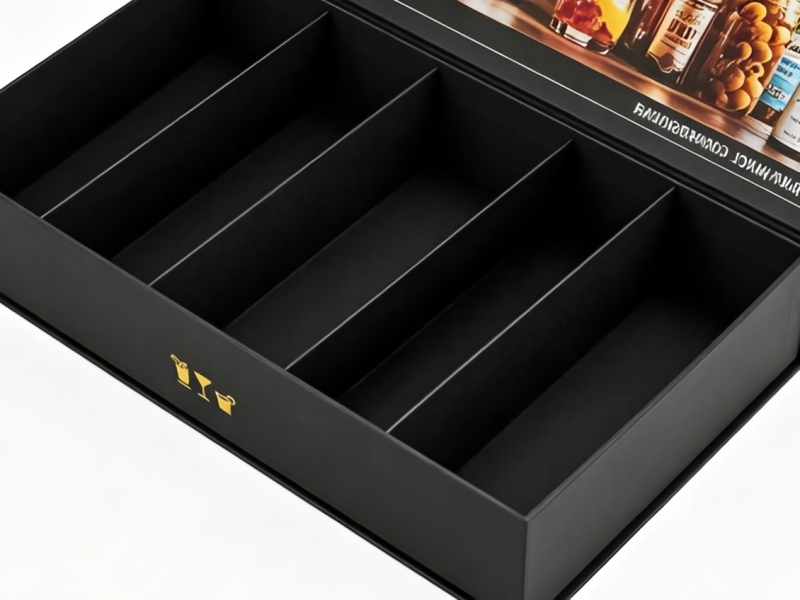
Multiple sections keep sushi, sauces, ginger, wasabi, and other accompaniments organized. The layout can be adjusted to match different serving sizes and combinations.
The right structure depends on the food format, portion size, storage conditions, and how customers will consume the product.
For a closer look at this innovative structure, explore our custom push-pop sushi tube packaging.
The right material depends on whether the packaging comes into direct contact with food or holds individually wrapped products. These two applications require different material combinations, allowing brands to balance food safety, packaging performance, and cost.
For unpackaged foods such as sushi, fresh pastries, and certain confectionery products, the inner packaging surface must be suitable for direct food contact.
Depending on the food type and application, suitable options may include:
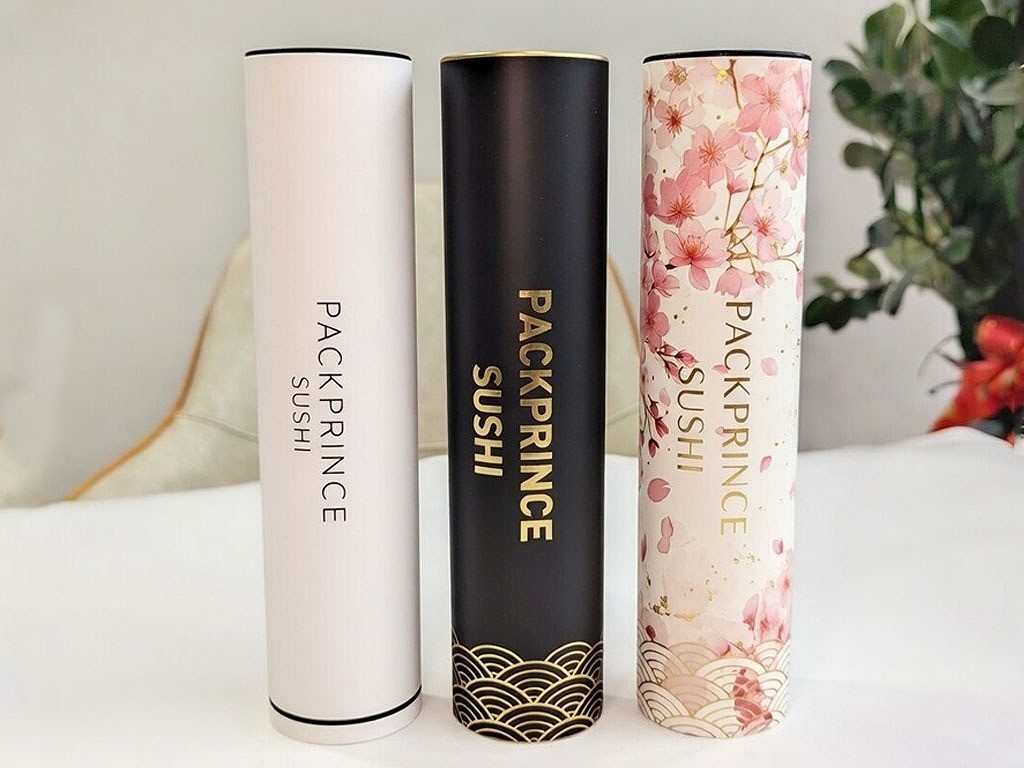
For example, our push-pop sushi tube combines a rigid paper tube body with a food-grade aluminum foil lining, food-grade plastic top and bottom caps, and a PP soy sauce container.
This construction helps separate the food from the outer paper structure while providing a practical serving experience. Material documentation should be verified for the intended food-contact application.
For chocolates, candies, cookies, dates, and other foods with independent inner packaging, the outer gift box does not necessarily need to be made entirely from food-contact materials.
A more flexible solution is to combine an environmentally conscious paper box with food-contact-compatible internal components, such as:
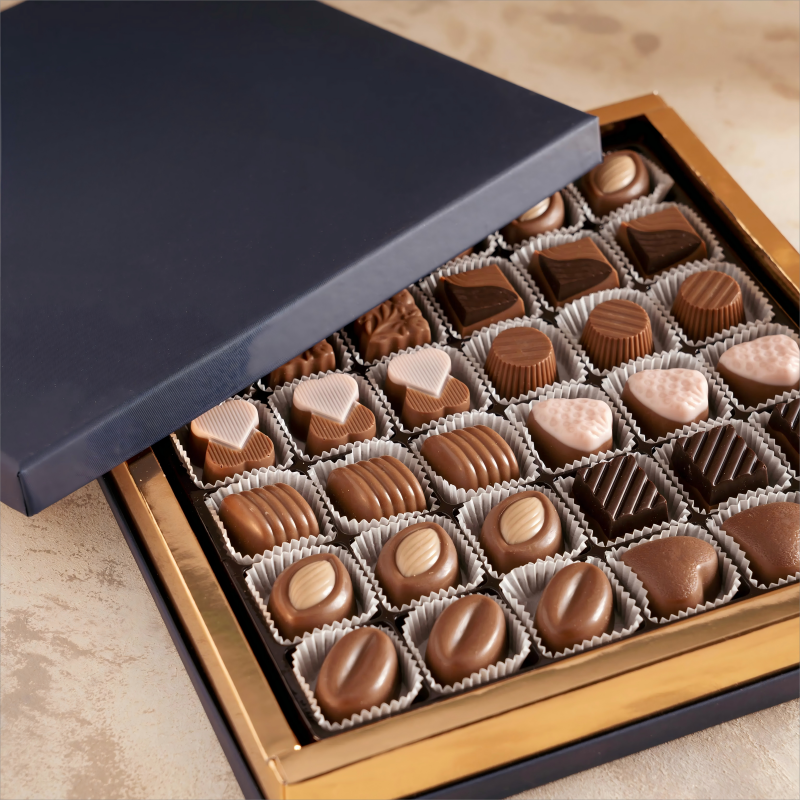
This approach allows brands to use premium printed paperboard, rigid boxes, and customized gift packaging on the outside while selecting suitable materials for the food-contact areas inside.
Food-contact suitability should be confirmed for every component that touches the food, including paper, coatings, inks, adhesives, and inserts where applicable. Material selection should also consider the food type, temperature, moisture, fat content, and destination-market regulations.
The goal is to provide the right level of food protection without unnecessarily increasing the material requirements of the entire package.
| Comparison | Direct Food Contact Packaging | Packaging for Individually Wrapped Food |
|---|---|---|
| Typical products | Sushi, unpackaged pastries, unwrapped confectionery | Wrapped chocolates, candies, cookies, gift collections |
| Outer box | Suitable food-contact paper or composite structure | Regular paperboard, kraft paper, specialty paper, or rigid board |
| Inner components | Food-contact lining, foil, or suitable food-contact paper | Food-contact-compatible paper trays, small paper cups, or wrapping paper where needed |
| Main purpose | Protect food through direct-contact packaging | Organize products, protect presentation, and improve gift packaging |
| Customization focus | Food-contact suitability, barrier performance, and structure | Box design, printing, insert layout, and presentation |
Push-pop sushi packaging creates a different way to serve and enjoy sushi. Instead of opening a conventional box and picking up individual pieces, customers use a sliding mechanism to raise the sushi roll from the bottom of the tube.
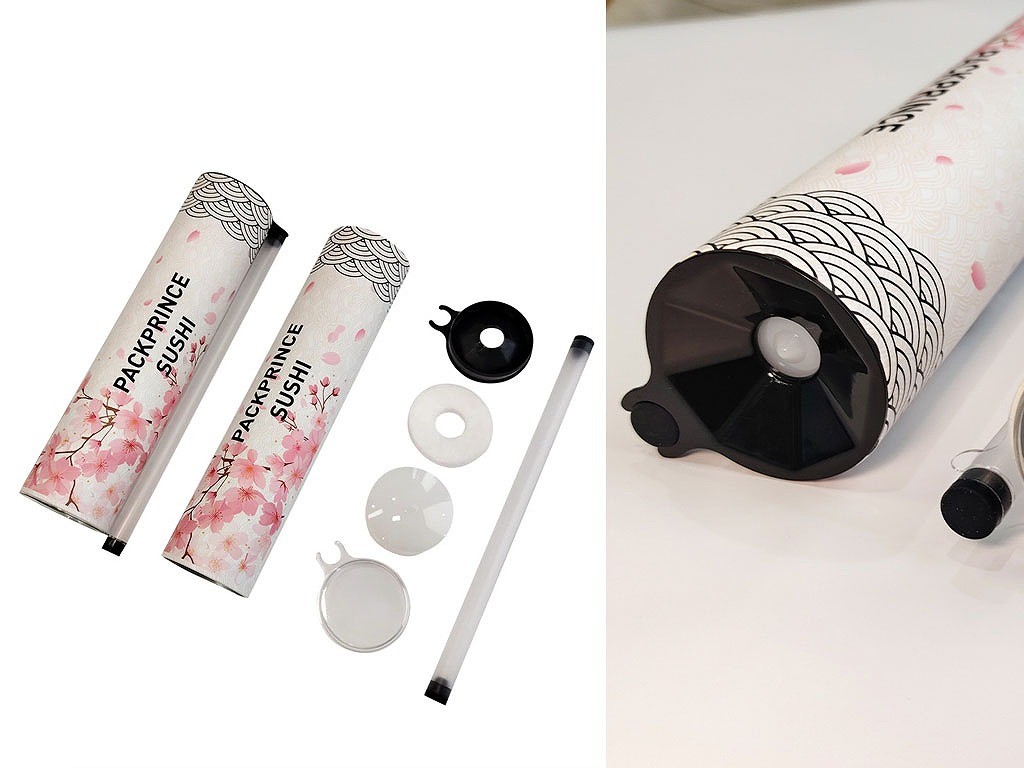
The packaging generally consists of four main components:
The mechanism is particularly attractive for takeaway brands that want to introduce a more interactive serving experience. Its cylindrical shape also creates a distinctive branding surface, making it suitable for custom printing, promotional graphics, and coordinated brand colors.
Explore the push-pop sushi packaging product details to see its structure, material specifications, and customization options.
Food packaging should be developed around the product rather than using one standard structure for every application. The size, shape, internal support, barrier requirements, and opening experience all influence the final design.
| Food Category | Recommended Packaging Structures | Key Customization Considerations |
|---|---|---|
| Sushi and takeaway food | Push-pop tubes, folding cartons, compartment boxes | Food-contact lining, moisture resistance, dividers, secure closures |
| Chocolate and pralines | Rigid lid-and-base boxes, drawer boxes, magnetic boxes | Individual cavities, paper trays, grease resistance, premium finishes |
| Candy and confectionery | Folding cartons, window boxes, multi-compartment gift boxes | Product separation, display windows, custom inserts |
| Ramadan gift collections | Magnetic boxes, book-style boxes, multi-layer gift boxes | Festive graphics, multiple compartments, coordinated gift presentation |
| Cookies and desserts | Folding cartons, rigid gift boxes, window packaging | Crumb protection, grease resistance, product visibility |
Beyond the box structure, brands can customize dimensions, printing, inserts, and surface finishes to match their products and brand identity.
For products that require individual positioning, paperboard dividers and custom-cut inserts can help organize the contents. Where food touches the insert directly, the insert material must also be suitable for the intended food-contact application.
Yes. Food packaging is not limited to takeaway containers. Premium chocolate, confectionery, and seasonal gift collections also need packaging that protects the contents while creating an appealing presentation.
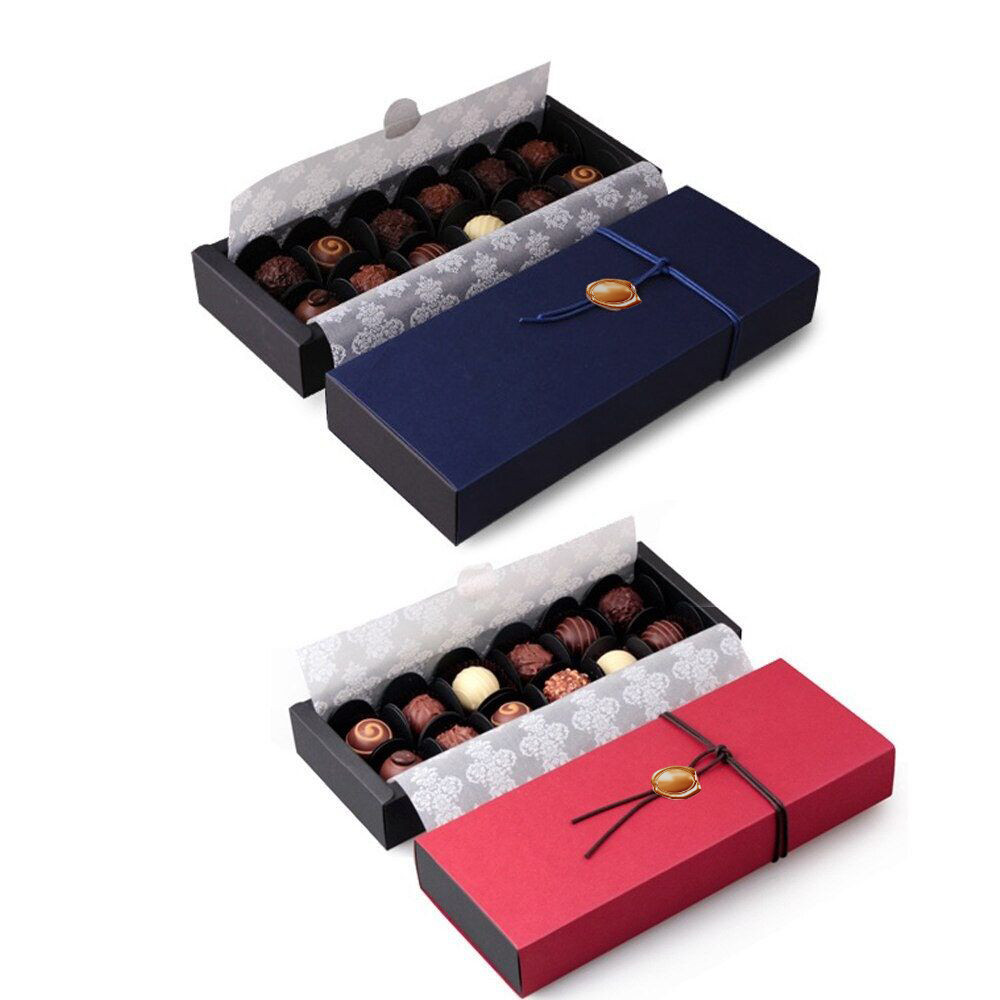
Chocolate packaging often combines protective internal structures with a more sophisticated exterior. Rigid lid-and-base boxes, magnetic closure boxes, and drawer boxes are popular options for premium chocolate collections.
Custom paper dividers, individual paper cups, or suitable trays can keep chocolates separated and improve presentation. If unwrapped chocolate touches the insert, the contact surface must be specified for that purpose.
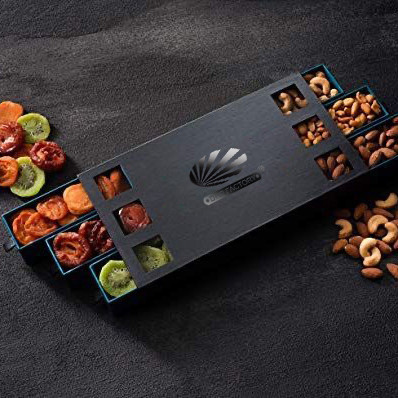
Candy packaging can be developed in different shapes and layouts, including window boxes, multi-compartment boxes, and themed gift packaging.
Clear windows help display colorful products, while custom inserts keep individual pieces organized. For individually wrapped candy, the outer box can use regular decorative paperboard with suitable food-contact materials only where needed.
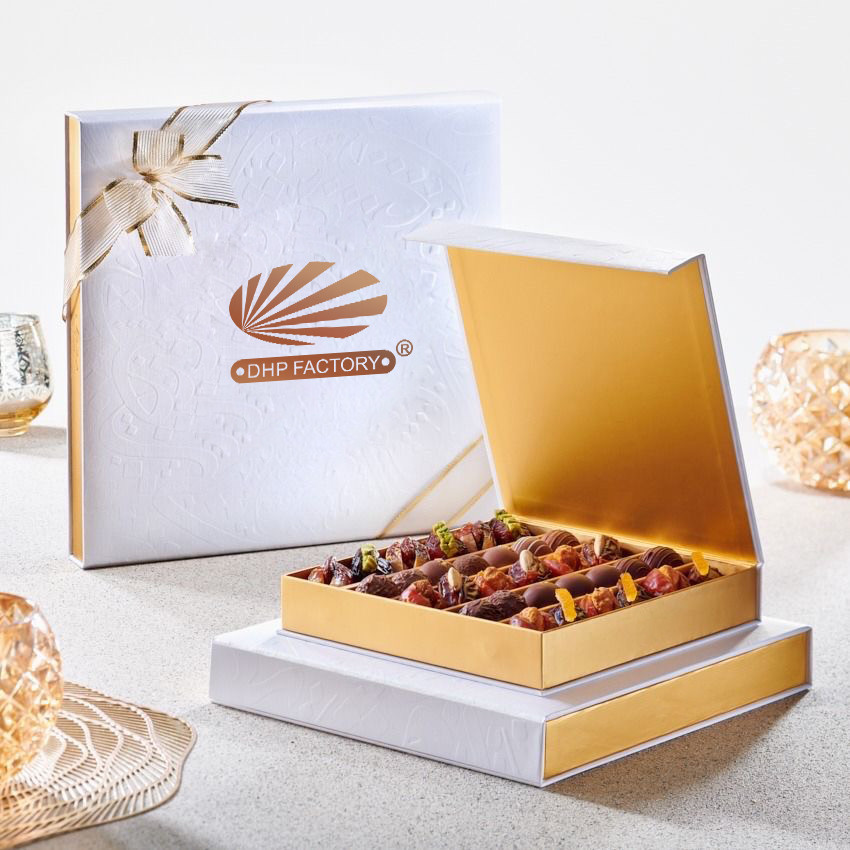
Ramadan gift packaging often brings together dates, chocolates, sweets, and other festive treats. Book-style boxes, magnetic closure boxes, and multi-compartment rigid boxes can create an organized gift presentation.
Gold foil stamping, decorative patterns, customized sleeves, and coordinated inserts help communicate the festive theme while keeping the packaging consistent with the brand.
For more examples, explore our custom chocolate and confectionery packaging boxes, including chocolate gift boxes, candy packaging, and seasonal designs.
The right food packaging combines product protection, functional design, and brand presentation. From innovative push-pop sushi tubes to custom chocolate, candy, and Ramadan gift boxes, DHP Boxes helps brands develop paper-based packaging tailored to different food products and market requirements.
Share your product dimensions, packaging references, artwork, and estimated order quantity with our team. We can help evaluate suitable box structures, material options, and customization details for your next food packaging project.
Discuss Your Custom Food PackagingSustainable food packaging is not simply a matter of choosing kraft paper. The complete package should balance material sourcing, food protection, structural performance, and end-of-life considerations.
When developing a more environmentally conscious packaging solution, consider the following:
For example, our push-pop sushi tube uses a paper-based outer body but also includes an aluminum foil lining and plastic components. Its sustainability should therefore be assessed as a complete multi-material package rather than described as automatically fully recyclable.
The best solution is one that protects food effectively while avoiding unnecessary material complexity.
A clear packaging brief helps manufacturers recommend the right structure, materials, and production process. Before requesting a quotation, it is useful to prepare the following information:
| Information | What to Provide |
|---|---|
| Food type | Sushi, chocolate, candy, dates, cookies, or mixed gift collections |
| Box dimensions | Product length, width, height, or reference packaging |
| Food-contact requirements | Direct or indirect contact, moisture, oil, and temperature conditions |
| Packaging structure | Tube, folding box, rigid box, drawer box, or magnetic box |
| Internal design | Dividers, trays, individual compartments, or sauce containers |
| Artwork | Logo, brand colors, printing files, and preferred finishes |
| Order quantity | Estimated production quantity and future order expectations |
| Target market | Destination country and applicable packaging requirements |
For custom projects, DHP Boxes supports OEM and ODM packaging development, including structural customization, printing, material selection, and internal insert design.
Our standard MOQ for the push-pop sushi packaging project is 500 pieces. Typical sampling takes 5–10 days, while mass production generally takes 20–30 days after confirmation. Final requirements depend on the selected structure and specifications.
Whether you are developing a new sushi packaging concept or expanding into premium chocolate and seasonal food gift collections, a detailed packaging brief helps turn the initial idea into a practical production solution.
We understand that choosing the right boxes for your industry is critical. That’s why we invite you to contact us. Whatever your goals, DHP will help you achieve them.
Contact NowWe have a strong team that works closely with customers to meet market challenges and effectively meet specific needs. Your thought, we fulfill.
Request a Custom QuoteDHP Factory is committed to delivering manufacturing excellence.
