
5 Common Papers for Luxury Packaging Boxes | DHP Boxes
5 Common Papers Used for Luxury Packaging Boxes
Paper selection can completely change the appearance, texture, printing performance and perceived value of a luxury packaging box. From highly printable art paper to tactile specialty and textured papers, each option has different strengths. This guide compares five common papers used for luxury packaging boxes and explains where each material works best.
Five common papers used for luxury packaging boxes are art paper, specialty paper, kraft paper, textured paper and recycled paper. Art paper is highly versatile for printed graphics and finishing; specialty and textured papers are chosen for premium tactile effects; kraft paper creates a natural appearance; and recycled paper is increasingly considered for packaging projects with sustainability goals. The right luxury packaging paper depends on the desired appearance, printing process, finishing, box structure, budget and brand positioning.
Why Paper Selection Matters in Luxury Packaging
In a rigid box, the visible paper is usually not responsible for the main structural strength of the package. The rigid greyboard underneath provides the body of the box, while the wrapping paper creates the visible surface that customers see and touch.
This makes paper selection a major part of the brand experience. A smooth coated paper with detailed CMYK printing communicates something very different from an uncoated textured sheet with a small foil-stamped logo.
Paper also affects production. Surface texture, coating, absorbency, color and thickness can influence printing, foil stamping, embossing, debossing, lamination, gluing and wrapping performance.
For that reason, the best paper for luxury packaging is not simply the most expensive option. It is the material that works with the visual design, box structure, printing method, finishing process and target customer experience.
Art Paper
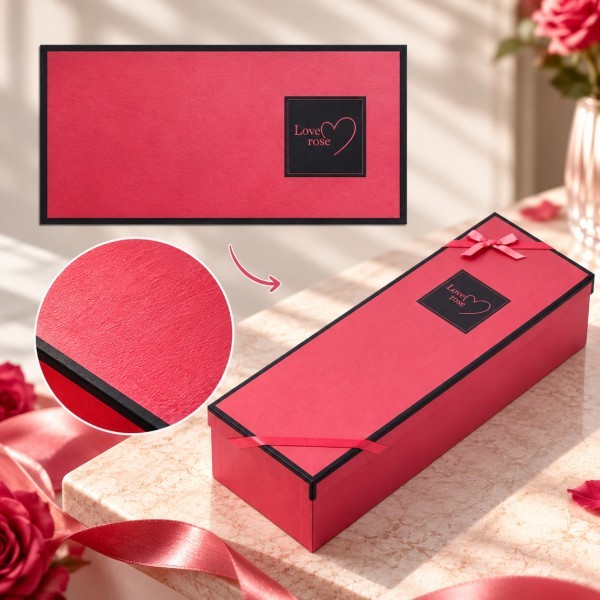
Art paper is one of the most versatile choices for custom luxury packaging. Its relatively smooth surface provides a reliable base for printed graphics, making it particularly useful when packaging designs depend on accurate colors, photography, gradients or detailed illustrations.
After printing, art paper can be combined with matte or gloss lamination and additional decorative processes such as foil stamping, embossing, debossing and Spot UV. This flexibility makes it suitable for brands that need both strong visual graphics and premium finishing.
Art paper is commonly wrapped over rigid greyboard for cosmetics, fragrance gift sets, electronics, confectionery, fashion accessories and promotional packaging.
One consideration is that the material itself does not necessarily provide a distinctive natural texture. If tactile character is a major part of the packaging concept, specialty or textured paper may be more appropriate.
Specialty Paper
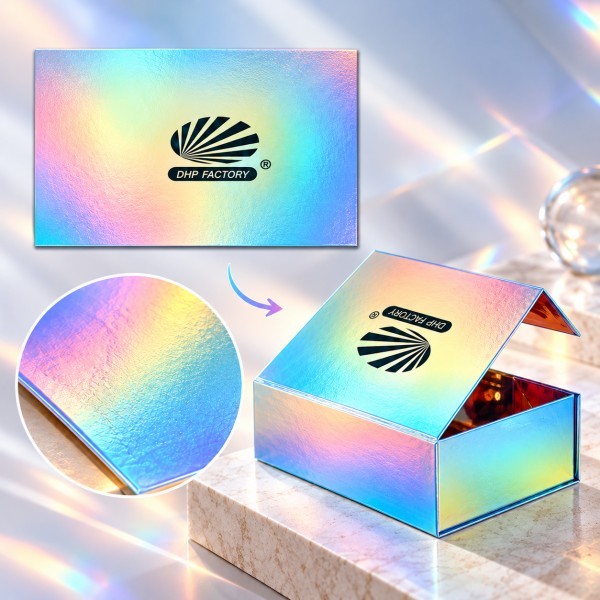
Specialty paper is a broad category covering papers developed to provide distinctive colors, surfaces, visual effects or tactile characteristics. Instead of relying entirely on printing to create the appearance, the paper itself becomes part of the packaging design.
Depending on the selected stock, specialty paper may offer a soft-touch feel, metallic appearance, pearlescent effect, deep solid color, natural fibers or other decorative characteristics.
For minimalist luxury packaging, this can be especially effective. A carefully selected specialty paper combined with a small foil-stamped, embossed or debossed logo can create a premium result without covering the entire surface with printed graphics.
However, printing behavior varies considerably between specialty papers. Dark, absorbent or heavily textured surfaces may not reproduce colors in the same way as coated white paper. Sampling is therefore important before mass production.
Kraft Paper
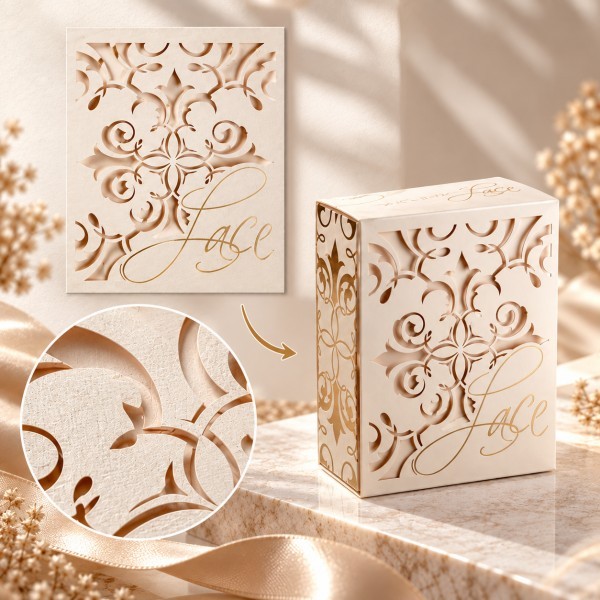
Kraft paper is associated with a natural, understated appearance and is often selected by brands that want packaging to feel less polished and more material-driven.
Natural brown kraft is the most recognizable option, although other kraft-based papers and colors are available. The visible fiber character can work well for natural cosmetics, handmade products, food, lifestyle products and brands that want a simple visual identity.
The natural base color needs to be considered during artwork development. Colors printed onto brown kraft do not behave like the same colors printed onto bright white coated paper. Fine photographic reproduction and very bright colors may therefore require a different material or additional print planning.
Kraft paper can also be paired with restrained finishes such as black printing, white ink, foil stamping, embossing or debossing to create a more refined presentation.
Textured Paper
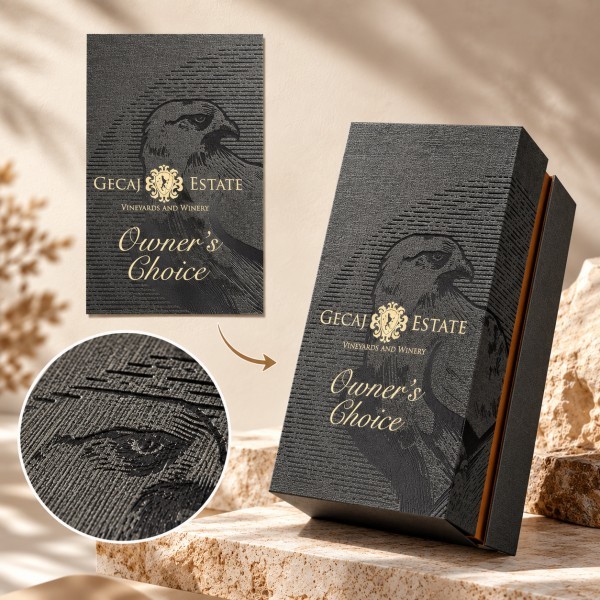
Textured paper adds a physical surface pattern that can be seen and felt. Depending on the material, the texture may resemble linen, leather, fabric, fine grain, geometric patterns or other embossed surfaces.
This tactile quality makes textured paper particularly suitable for packaging where the customer is expected to hold and reuse the box. Jewelry, watches, fragrance, premium accessories and luxury gift boxes are common applications.
Textured paper is often most effective when the graphic design remains restrained. A small hot-foil logo or debossed mark allows the surface itself to remain an important part of the presentation.
The depth and direction of the texture should be considered during printing and finishing. Fine text, detailed printed graphics or very small foil elements may behave differently on a pronounced texture compared with a smooth sheet.
Recycled Paper
Recycled paper is increasingly considered in packaging projects where brands want to reduce reliance on virgin fiber or communicate a more material-conscious packaging direction.
Recycled stocks can range from relatively clean and uniform sheets to papers with visible fibers, flecks and natural variation. These characteristics can become part of the design rather than something that needs to be hidden.
The exact printing and finishing performance depends on the paper selected. Surface consistency, color and texture should be reviewed during sampling, especially when the design requires precise color reproduction or fine finishing details.
It is also important not to judge sustainability from appearance alone. A brown or visibly fibrous paper is not automatically the best environmental choice. Brands should consider paper sourcing, recycled content, certification, coatings, laminations and the complete packaging construction.
Luxury Packaging Paper Comparison
The table below provides a practical comparison of the five paper categories. Exact performance can vary between individual paper mills, grades, colors and surface treatments, so production testing is recommended for demanding artwork or finishing.
| Paper Type | Surface Character | Printability | Foil / Emboss Compatibility | Best Applications |
|---|---|---|---|---|
| Art Paper | Smooth | Excellent | Excellent | Cosmetics, fragrance, electronics, gift sets |
| Specialty Paper | Varies widely | Material dependent | Very good for many grades | Luxury gifts, fragrance, jewelry, premium retail |
| Kraft Paper | Natural | Moderate | Good | Natural cosmetics, food, lifestyle products |
| Textured Paper | Strong tactile character | Texture dependent | Very good with suitable artwork | Jewelry, watches, fragrance, premium gifts |
| Recycled Paper | Varies from smooth to fibrous | Grade dependent | Grade dependent | Sustainability-focused premium packaging |
How Paper Choice Affects Printing and Finishing
Selecting a paper based only on its color or texture can create problems later if the planned printing and finishing processes are not considered at the same time.
- CMYK printing: smooth, light-colored surfaces generally provide greater control for detailed graphics and photographic artwork.
- Pantone colors: the underlying paper color and absorbency can influence the final appearance, so physical color approval is important.
- Foil stamping: works with many luxury papers, but foil coverage and fine details should be tested on strongly textured surfaces.
- Embossing and debossing: can add tactile depth, but paper flexibility, surface texture and the underlying board need to be considered.
- Spot UV: is especially effective when a smooth printed surface is required to create contrast between gloss and matte areas.
- Lamination: can protect printed art paper and change its visual and tactile character, but it may hide the natural qualities of specialty papers.
How to Choose Paper for a Luxury Packaging Box
A useful material decision starts with the final packaging experience rather than a paper catalog. Consider how the product will be sold, how the customer will interact with the box and which visual elements are most important to the brand.
1. Start With the Artwork
If the design relies on photography, gradients and complex colors, a smooth printable paper may be more practical than a heavily textured stock.
2. Define the Desired Texture
For minimalist packaging, the tactile quality of the paper itself can become one of the main premium features.
3. Match Paper to Finishing
Confirm whether foil, embossing, debossing, Spot UV or lamination will be used before approving the material.
4. Consider the Paper Color
Dark, cream, kraft and other colored stocks can alter printed colors and may require a different artwork strategy.
5. Consider the Box Structure
Paper must wrap corners, edges, spines and complex structural areas reliably without compromising the intended appearance.
6. Approve a Physical Sample
Screen colors cannot accurately communicate paper texture, gloss, grain or tactile quality. Review a physical material or finished sample whenever possible.
Does the Same Paper Work for Every Box Structure?
Not always. Paper behavior should be considered together with the physical structure of the box.
A straightforward lid and base rigid box may accommodate many wrapping papers easily. A book-style box introduces a moving spine. A double-door structure has additional wrapped edges and hinge areas. Round boxes require paper to conform to curved surfaces. Complex structures therefore place different demands on the wrapping material.
Paper grain, thickness, flexibility, surface coating and folding behavior can all become more important as the structure becomes more complex.
Luxury Appearance Does Not Always Require More Printing
One of the most useful distinctions between conventional printed packaging and premium packaging is that luxury does not have to come from adding more graphics.
A smooth art-paper box may use full-color printing, matte lamination, foil and Spot UV to create visual depth. In contrast, a specialty-paper box may use almost no conventional printing at all. The paper color, tactile surface and a single debossed or foil-stamped logo can carry the entire design.
Neither approach is automatically better. The correct direction depends on the brand.
Beauty products with strong campaign artwork may benefit from a highly printable surface. A watch, jewelry or fragrance brand with a restrained identity may gain more value from material texture and precise finishing.
What About Sustainable Paper for Luxury Packaging?
Sustainability decisions should consider more than whether a sheet looks natural. Paper source, recycled content, certification, coatings, laminations, adhesives, inserts and the total amount of material all contribute to the packaging specification.
Depending on the project, options may include recycled papers, responsibly sourced paper, paperboard inserts, molded fiber components and designs that reduce unnecessary material layers.
For brands developing a more environmentally considered packaging program, explore our sustainable packaging solutions together with material and structural options during the early design stage.
How DHP Selects Paper for Custom Luxury Packaging
At DHP Boxes, paper selection is evaluated together with structure, artwork and finishing rather than treated as a separate decorative decision.
We first consider the product, box structure, target positioning and the type of presentation the brand wants to achieve.
Full-color graphics, solid colors, minimalist logos and specialty finishes require different paper characteristics.
Materials can be compared according to surface, color, texture, printing performance, finishing compatibility and budget.
When necessary, important colors and decorative processes are tested on the selected material before final approval.
A finished sample allows the brand to evaluate the material together with the actual structure, insert, artwork and opening experience.
Common Paper Selection Mistakes
- Selecting paper only from a digital screen instead of reviewing a physical sample.
- Expecting the same printed color to look identical on white coated paper, kraft paper and colored specialty paper.
- Choosing a heavily textured stock before confirming whether detailed artwork can be reproduced correctly.
- Finalizing paper before considering foil stamping, embossing, debossing or other finishing requirements.
- Assuming thicker wrapping paper automatically creates a more premium box.
- Selecting material without considering whether it can wrap the chosen rigid box structure reliably.
- Treating recycled appearance as proof of environmental performance without checking the actual material specification.
Frequently Asked Questions About Luxury Packaging Paper
What paper is commonly used for luxury packaging boxes?
Art paper, specialty paper, kraft paper, textured paper and recycled paper are all commonly considered for premium packaging. The most appropriate material depends on the box structure, artwork, finishing and desired brand appearance.
What is the best paper for full-color printed luxury boxes?
A smooth printable paper such as art paper is often a practical option when the design contains detailed CMYK graphics, photography or gradients. The final material should still be tested with the intended printing and finishing processes.
What paper is best for a minimalist luxury box?
Specialty and textured papers are frequently used for minimalist packaging because their color and tactile surface can become part of the design. A simple foil-stamped, embossed or debossed logo may be enough to create a premium appearance.
Can textured paper be printed?
Yes, but the result depends on the depth and type of texture. Fine graphics and small details may require testing because an uneven surface can influence ink coverage and finishing accuracy.
Can kraft paper be used for luxury packaging?
Yes. Kraft paper can create a premium result when it suits the brand identity and is combined with an appropriate structure, insert and finishing. It is especially suitable for brands seeking a natural or understated visual direction.
Is recycled paper suitable for premium rigid boxes?
Yes. Recycled papers are available in different colors, textures and surface qualities. The specific stock should be evaluated for wrapping, printing and finishing performance before production.
Does thicker paper always make packaging more luxurious?
No. In rigid packaging, structural strength mainly comes from the underlying board. Wrapping paper should be selected according to appearance, tactile quality, printing, finishing and wrapping performance rather than thickness alone.
Should I select the paper before designing the packaging?
Paper, structure, artwork and finishing should ideally be developed together. Selecting them as one system helps avoid conflicts between the desired visual effect and manufacturing requirements.
Choosing the Right Paper for Your Custom Luxury Box
There is no universal best paper for luxury packaging. A printed art paper, deep-colored specialty sheet, natural kraft paper, tactile textured stock or recycled paper can all create premium packaging when the material is appropriate for the product and design.
The key is to evaluate the paper together with the box structure, insert, printing and finishing. This allows material decisions to support both visual design and practical manufacturing.
DHP Boxes develops custom luxury packaging for products including cosmetics, fragrance, jewelry, watches, wine and spirits, fashion accessories and premium gift sets. Paper, structure and finishing can be developed together according to the requirements of each project.
Need Help Choosing Paper for Your Luxury Packaging?
Share your product, packaging reference, artwork direction, quantity and preferred finishing with our team. We can help compare suitable paper, structure and finishing combinations before sampling.
Contact DHP Boxes