Manufacture
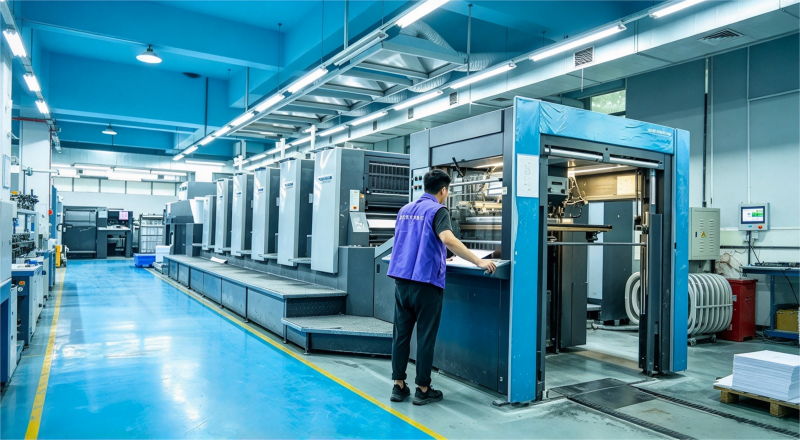
Explore our packaging factory, production equipment and rigid box manufacturing operations.
Explore Manufacturing
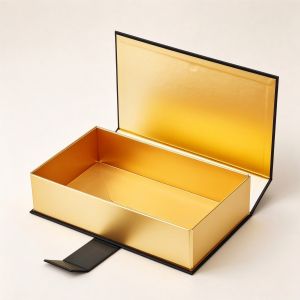 Folding Rigid Boxes
Space-saving rigid packaging designs.
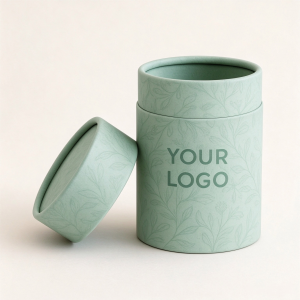 Packaging Tube Boxes
Distinctive cylindrical paper packaging.
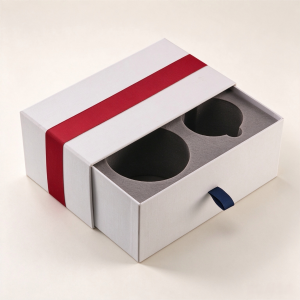 Drawer Boxes
Elegant sliding drawer box structures.
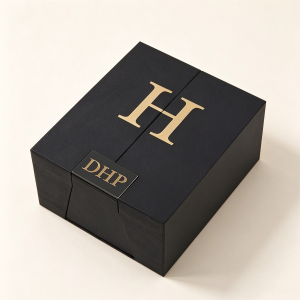 Magnetic Closure Boxes
Premium boxes with secure magnetic closure.
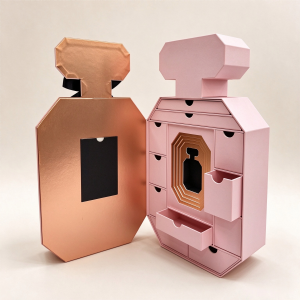 Advent Calendar Boxes
Multi-compartment seasonal gift packaging.
Explore our packaging factory, production equipment and rigid box manufacturing operations.
Explore Manufacturing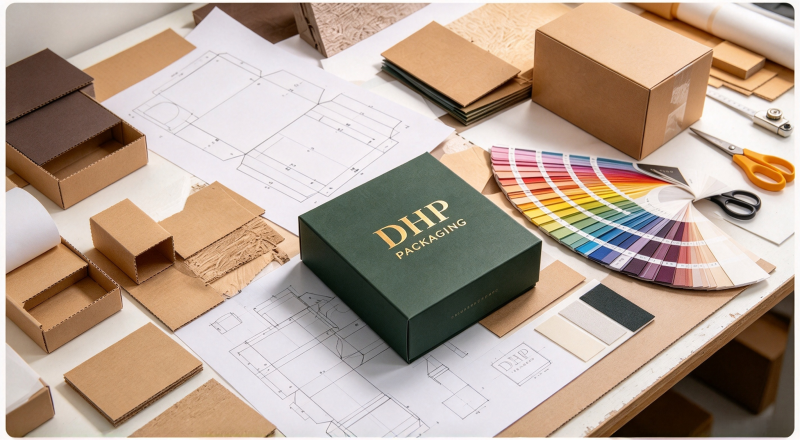
Discover our workflow from structural development and sampling to printing, assembly and quality control.
Explore Our Capabilities
Learn about responsible material choices, recyclable packaging design and reducing unnecessary material use.
Explore SustainabilityThe right luxury box does more than hold a product. Its structure determines how the package opens, how the product is presented, how well it is protected, how efficiently it ships, and how customers experience the brand. This guide compares 10 popular luxury packaging box types to help brands choose a structure that fits their product, positioning and commercial requirements.
Quick Answer
The most popular types of luxury packaging boxes include magnetic closure boxes, book-style boxes, drawer boxes, lid and base boxes, double-door boxes, collapsible rigid boxes, shoulder and neck boxes, round boxes, hinged-lid boxes and multi-compartment presentation boxes. The best choice depends on product dimensions, weight, desired opening experience, insert requirements, shipping method, budget and production quantity.
Luxury packaging is not defined by expensive paper or gold foil alone. A successful premium package combines structure, material, opening sequence, product protection, finishing and interior presentation into one coherent experience.
Two boxes using the same greyboard and wrapping paper can feel completely different if one has carefully engineered proportions, a precise magnetic closure and a fitted insert while the other has loose tolerances and an awkward opening sequence.
For this reason, experienced packaging manufacturers normally start with the product rather than the decoration. Product size, weight and fragility influence the insert; the insert influences the internal dimensions; and those dimensions help determine the most appropriate box structure.
The structure must accommodate product dimensions, weight, accessories and required protection.
Sliding, lifting, unfolding or opening two doors creates very different perceptions of value.
The insert, reveal angle and interior layout determine what customers see first.
Board thickness and insert engineering should match product weight and transport risk.
Some structures ship assembled while collapsible designs can significantly reduce volume.
Board, wrapping, magnets, inserts, finishing passes and manual assembly all influence price.
The magnetic closure rigid box is one of the most recognizable luxury packaging structures. The lid is connected to the base and closes using concealed magnets, creating a clean appearance and a satisfying closing action.
It works particularly well for premium gift sets, cosmetics, skincare, jewelry, electronics and corporate gifts. Because the lid remains attached, the entire package feels like one complete object rather than separate components.
Magnetic boxes also provide a large printable surface across the lid, spine and base. Brands can combine textured paper, foil stamping, embossing, debossing or specialty printing without changing the basic structure.
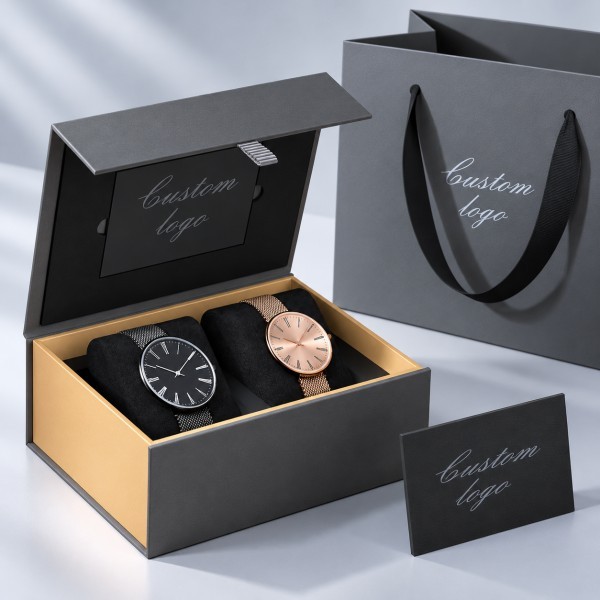
A book-style rigid box opens from one side like the cover of a hardcover book. Its recognizable opening movement gives designers a natural way to build storytelling into the packaging.
The outer cover can be designed like a traditional book, contemporary presentation case or even a vintage archive. Rounded spines, square spines and hidden magnetic closures can all be developed depending on the desired appearance.
This structure is especially useful when the brand wants customers to see the complete product immediately after opening. Watches, jewelry sets, collectibles, premium accessories and presentation kits are common applications.
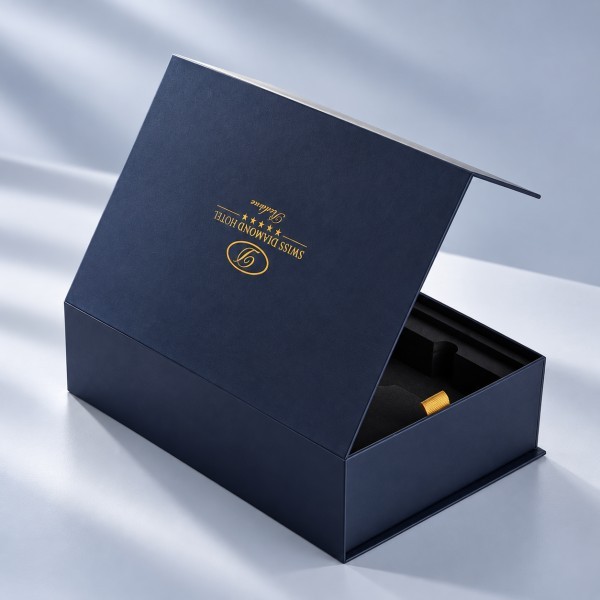
Drawer boxes use an outer sleeve with an inner tray that slides outward. The movement slows down the reveal and creates a deliberate unboxing sequence.
A ribbon pull, paper tab, finger notch or custom handle can be added to the drawer. For premium products, the inner tray is often fitted with EVA, paperboard, molded pulp or fabric-covered inserts.
Drawer boxes are particularly effective for jewelry, cosmetics, chocolates, small electronics and accessories because the product remains protected inside the sleeve while still being easy to access.
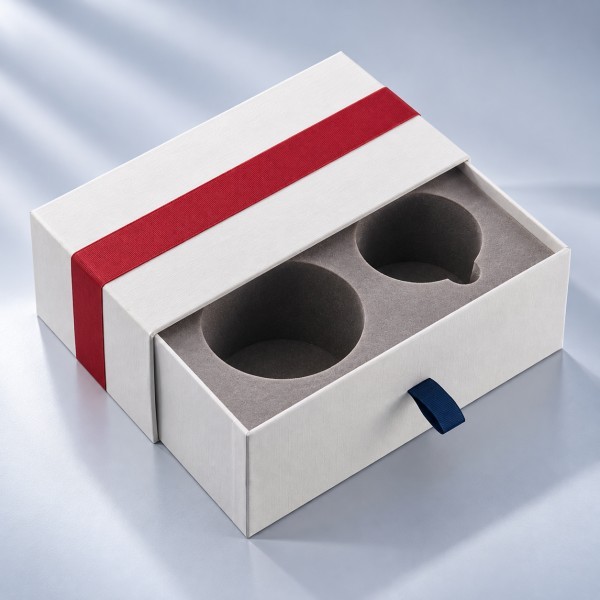
The lid and base box—also called a lift-off lid or two-piece rigid box—is one of the simplest luxury packaging structures. It consists of a separate top lid and bottom base.
Its simplicity is also its strength. With carefully controlled proportions, premium wrapping paper and a well-designed insert, a lid and base box can look highly refined without requiring complicated mechanisms.
Variations include full-depth lids, shallow lids and partially exposed bases. The structure works across jewelry, fashion accessories, confectionery, cosmetics and gift packaging.
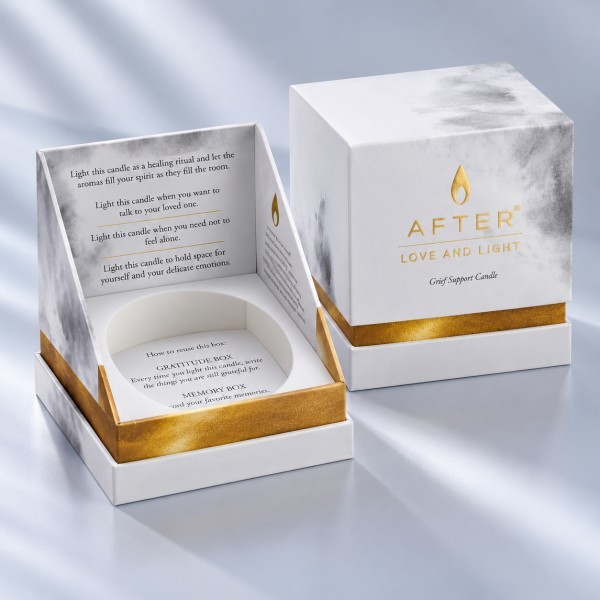
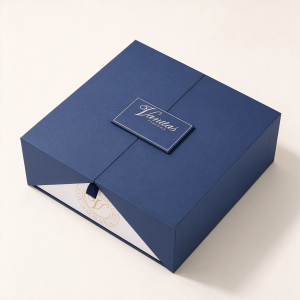
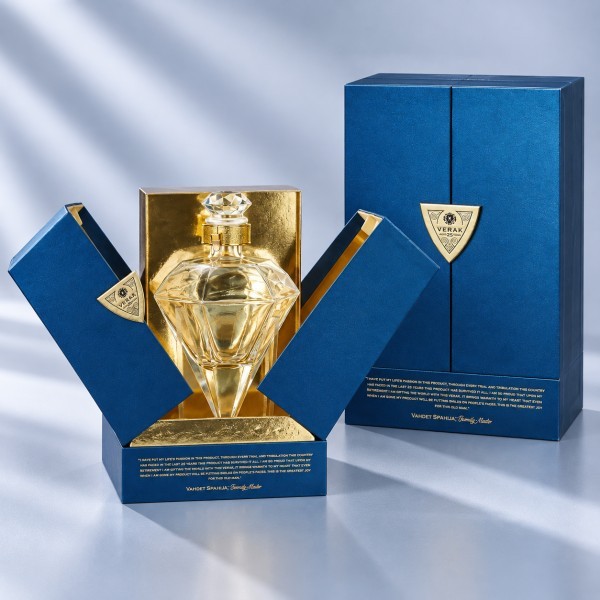
Double-door boxes open from the center with two symmetrical panels. This creates a dramatic reveal and makes the product feel like the focal point of a display.
The structure is particularly effective for spirits, perfume gift sets, collectible products and ceremonial gifts. When the doors open, the product can remain centered vertically while accessories are positioned on either side.
Double-door structures also provide multiple surfaces for storytelling. Brands can place graphics, instructions or brand messages inside the doors while keeping the exterior relatively minimal.
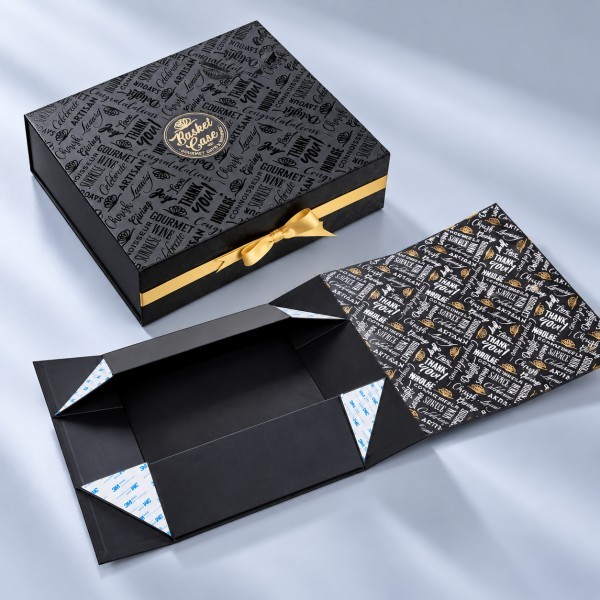
Collapsible rigid boxes are engineered to fold flat during shipping and become rigid when assembled. They are popular with brands that want the appearance of a premium rigid box while reducing storage and international freight volume.
Magnetic panels, adhesive strips or locking tabs are commonly used during assembly. Once erected correctly, the customer sees a finished package that can look very similar to a conventional rigid box.
This structure is useful for e-commerce, fashion, corporate gifting and larger-volume international programs where shipping efficiency has a significant effect on total landed cost.
A shoulder and neck box is a refined variation of the lid and base structure. An internal neck rises above the base and fits precisely inside the lid.
The exposed shoulder creates a visual line between the lid and base. Designers often use a contrasting color on this section to introduce a subtle brand accent without adding another printed decoration.
Because of its precise construction and architectural appearance, the structure is frequently used for fragrance, skincare, jewelry, watches and other high-value products.
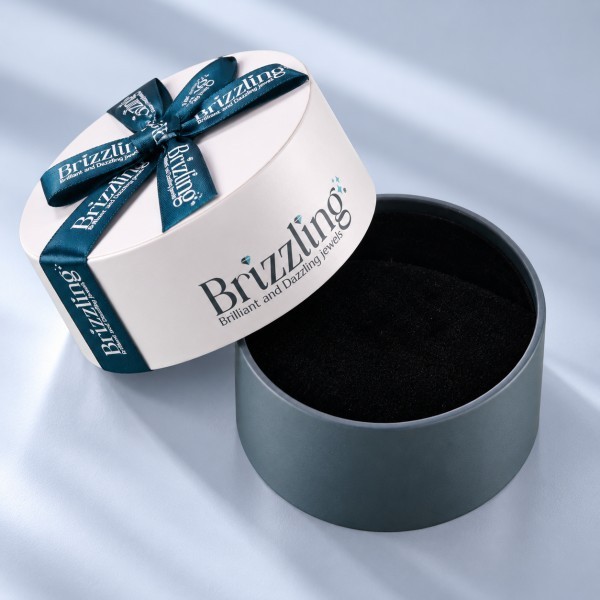
Round and cylindrical boxes break away from the rectangular geometry used by most packaging. Their distinctive silhouette can make a product immediately recognizable on a shelf or in an unboxing video.
Cylinder packaging is often used for bottles, candles, tea, confectionery, fragrance and collectible items. Inserts can be engineered to hold the product centrally and prevent movement during transportation.
However, round structures can require more specialized manufacturing and may use shipping space less efficiently than rectangular alternatives. Their visual impact should therefore justify the additional structural complexity.
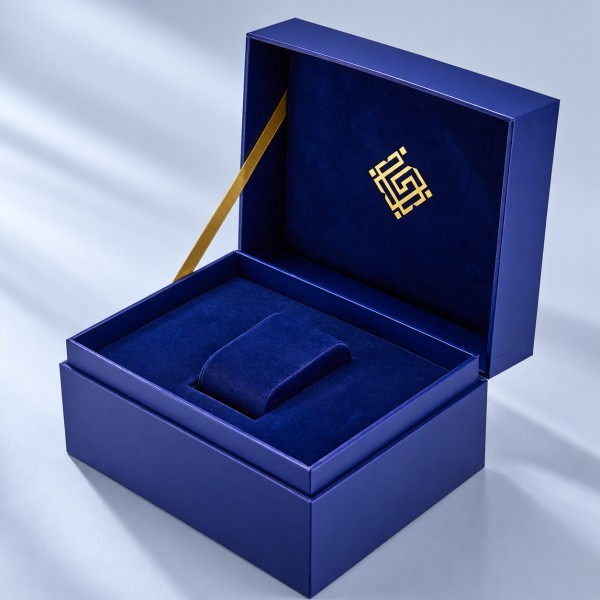
Hinged-lid boxes use a permanently attached lid and are designed to remain open during product presentation. Depending on the construction, the lid can stop at a controlled angle or open completely.
This makes the structure useful for watches, jewelry, medals, premium accessories and products that may remain stored inside their original packaging after purchase.
Interior lining and hinge engineering are particularly important because the box may be opened repeatedly. Fabric, specialty paper and padded inserts can create a softer, more traditional luxury presentation.
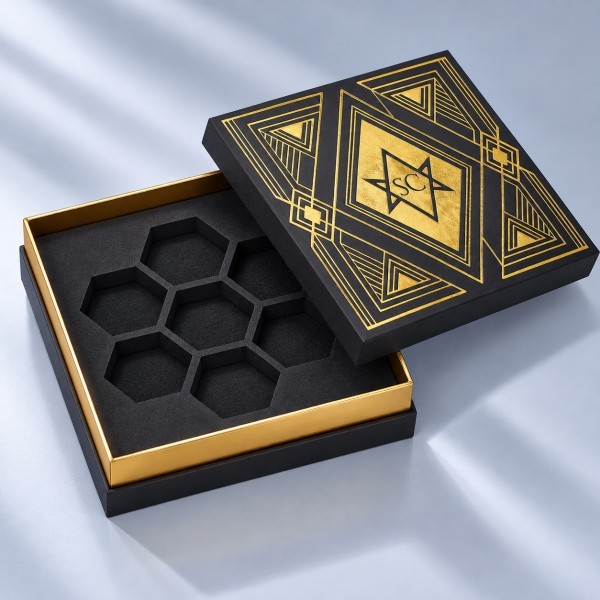
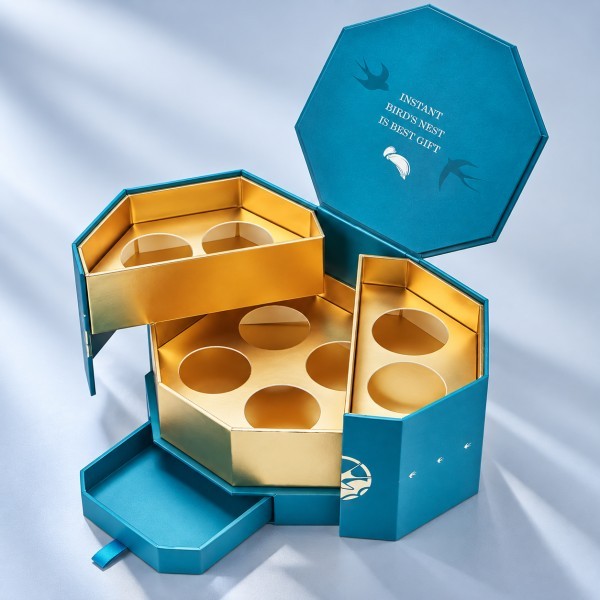
Multi-compartment boxes are designed around several products rather than one central item. They may combine drawers, removable trays, doors, dividers or multiple levels within a single package.
They are widely used for luxury gift sets, fragrance collections, skincare routines, beverage sets, jewelry collections, PR kits and limited-edition launches.
The primary design challenge is hierarchy. The customer should understand where to look and what to open next. Too many compartments without a clear sequence can make an expensive package feel complicated rather than luxurious.
There is no single box structure that is best for every luxury product. The comparison below provides a practical starting point when evaluating different luxury box styles.
| Box Type | Opening Style | Best Applications | Key Strength | Complexity |
|---|---|---|---|---|
| Magnetic Closure | Hinged | Cosmetics, gifts, electronics | Premium and reusable | Medium |
| Book-Style | Book opening | Jewelry, watches, collectibles | Storytelling | Medium |
| Drawer | Sliding | Jewelry, beauty, confectionery | Slow reveal | Medium |
| Lid & Base | Lift-off | Fashion, jewelry, gifts | Versatility | Low |
| Double-Door | Center opening | Spirits, perfume, gift sets | Dramatic presentation | High |
| Collapsible Rigid | Hinged | E-commerce, fashion, gifts | Shipping efficiency | Medium |
| Shoulder & Neck | Lift-off | Perfume, skincare, jewelry | Precise premium appearance | Medium |
| Round / Cylinder | Lift-off | Bottles, candles, tea | Distinctive silhouette | Medium–High |
| Hinged-Lid | Hinged | Watches, jewelry, medals | Display and storage | Medium |
| Multi-Compartment | Layered | Gift sets, collections, PR kits | Product storytelling | High |
The structure determines how quickly the customer discovers the product. That timing is part of the perceived value of luxury packaging.
More complicated does not automatically mean more luxurious. A simple lid and base box with precise tolerances and a beautifully engineered insert can feel more premium than an over-designed box with unnecessary doors, magnets and layers.
Instead of choosing a box because it looks attractive in a reference image, start with the commercial and technical requirements of the product.
Measure the product and all accessories before determining the internal box dimensions. The insert needs space to hold the product securely without creating excessive empty volume.
Heavy bottles and gift sets may require thicker greyboard, reinforced corners and stronger inserts than lightweight jewelry or cosmetic products.
Decide whether customers should see the entire product immediately or discover components gradually through drawers, doors or layers.
The insert should not be an afterthought. It affects internal dimensions, product orientation, protection and the overall opening experience.
For international orders, compare assembled rigid boxes with collapsible structures. Freight and warehouse space can materially affect the total project cost.
Additional drawers, doors, magnets, ribbons, inserts and finishing operations increase both material requirements and manual assembly time.
Product category can narrow the structural options, although the final design should always be developed around the actual product rather than a generic industry template.
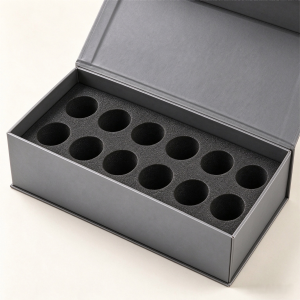
The outer box attracts attention, but the insert often determines whether the packaging actually works. It positions the product, prevents movement, controls the reveal and can create additional storage for accessories.
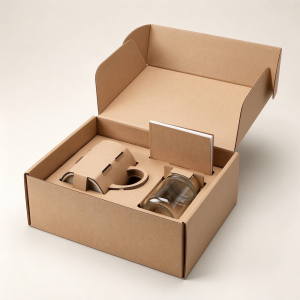
Common luxury packaging insert options include EVA foam, paperboard fitments, molded pulp, corrugated structures, sponge, fabric-covered trays and combinations of multiple materials.
A better development sequence is to solve the functional requirements first and decoration second.
At DHP Boxes, structure selection is part of the packaging development process rather than a separate styling decision. A typical project moves through the following sequence:
Review product dimensions, weight, fragility, accessories, retail channel and shipping requirements.
Compare suitable rigid box structures based on presentation, protection, cost and logistics.
Develop the internal fitment around the actual product and desired presentation angle.
Test dimensions, opening action, board thickness, closure and product fit before artwork.
Select wrapping paper, printing, foil, embossing, debossing, Spot UV or other decorative treatments.
Move the approved structure into production with dimensional, appearance and assembly checks.
This product-first approach helps prevent a common packaging problem: creating an attractive box first and then trying to force the product into it later.
Magnetic closure, lid and base, drawer and book-style rigid boxes are among the most widely used structures. The appropriate choice depends on the product, desired opening experience, budget and shipping requirements.
Shoulder and neck boxes, hinged presentation boxes and double-door structures work well for premium perfume because they provide strong product presentation and can accommodate fitted bottle inserts.
Drawer boxes, hinged-lid boxes, book-style boxes and compact lid and base rigid boxes are common choices for jewelry. The insert design is particularly important for holding rings, necklaces, bracelets or multiple pieces securely.
They are generally more complex because they require a hinged construction, concealed magnets and additional assembly. Final pricing, however, also depends on dimensions, material, insert, finishing and order quantity.
A collapsible rigid box can reduce storage and shipping volume while maintaining a premium appearance after assembly. This can be particularly useful for international shipping and e-commerce programs.
Yes. Depending on product requirements, molded pulp, die-cut paperboard and corrugated fitments can replace or reduce conventional foam and plastic inserts.
The product and insert should normally be considered before finalizing the outer dimensions. This creates a more efficient package and helps avoid unnecessary empty space.
Yes. Dimensions, board thickness, inserts, paper, printing, finishing, closure systems and internal layouts can all be customized. However, the structure should still be evaluated for the specific product's weight, dimensions and use case.
Choosing between luxury packaging box types is easier when the decision starts with the product. DHP Boxes develops custom packaging around product dimensions, presentation requirements, inserts, materials, printing, finishing and shipping conditions rather than treating the box structure as an isolated design choice.
Depending on the project, we can develop magnetic closure boxes, book-style rigid boxes, drawer boxes, lid and base boxes, folding rigid boxes, double-door presentation boxes, cylinder packaging and fully customized structures for cosmetics, fragrance, jewelry, watches, wine and spirits, fashion accessories and premium gift sets.
Explore our luxury packaging solutions or learn more about DHP Boxes manufacturing capabilities .
Send us your product dimensions, reference images, quantity and target market. Our packaging team can recommend a suitable structure, insert and material combination before you invest in a production sample.
Get a Packaging RecommendationWe understand that choosing the right boxes for your industry is critical. That’s why we invite you to contact us. Whatever your goals, DHP will help you achieve them.
Contact NowWe have a strong team that works closely with customers to meet market challenges and effectively meet specific needs. Your thought, we fulfill.
Request a Custom QuoteDHP Factory is committed to delivering manufacturing excellence.
