Manufacture
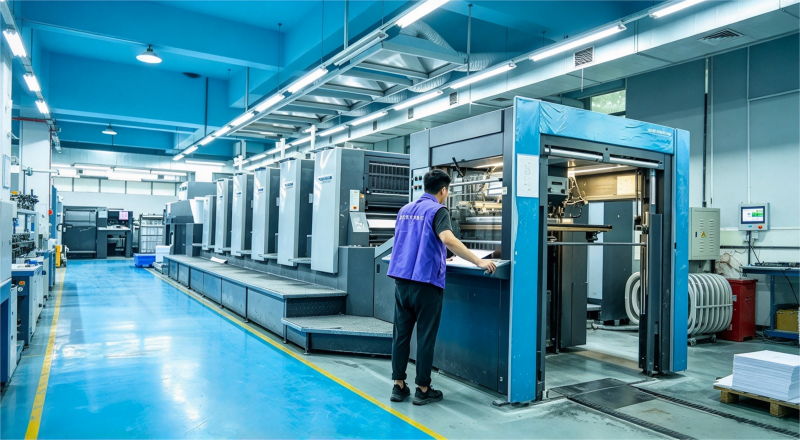
Explore our packaging factory, production equipment and rigid box manufacturing operations.
Explore Manufacturing
 Folding Rigid Boxes
Space-saving rigid packaging designs.
 Packaging Tube Boxes
Distinctive cylindrical paper packaging.
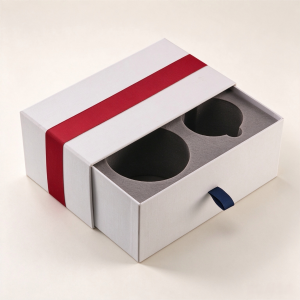 Drawer Boxes
Elegant sliding drawer box structures.
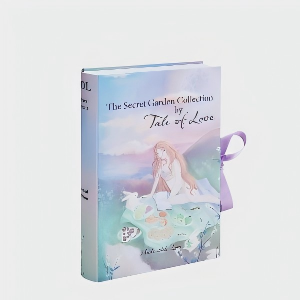 Book-Style Boxes
Luxury book-inspired packaging designs..
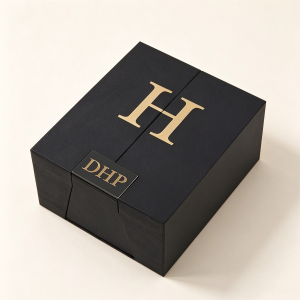 Magnetic Closure Boxes
Premium boxes with secure magnetic closure.
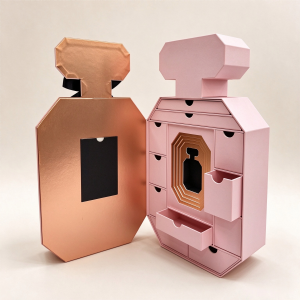 Advent Calendar Boxes
Multi-compartment seasonal gift packaging.
Explore our packaging factory, production equipment and rigid box manufacturing operations.
Explore Manufacturing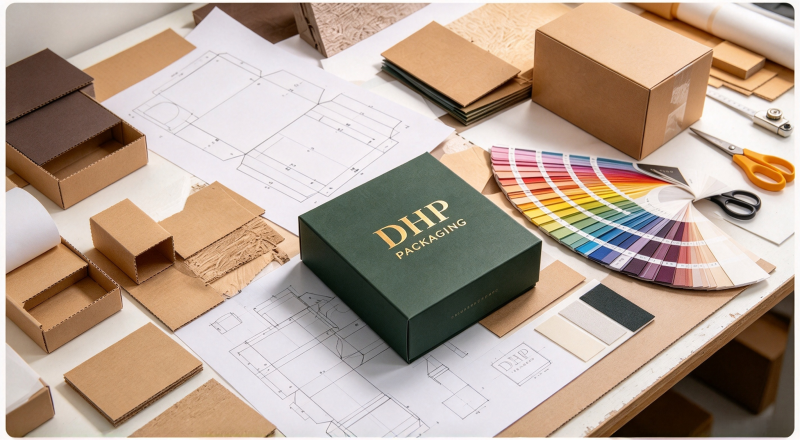
Discover our workflow from structural development and sampling to printing, assembly and quality control.
Explore Our Capabilities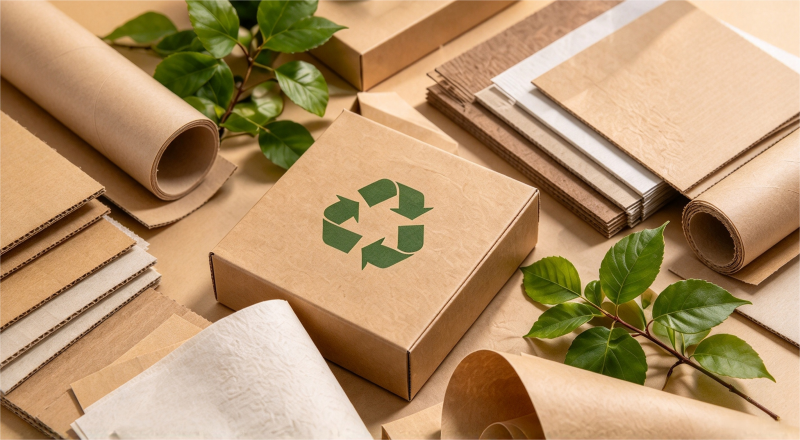
Learn about responsible material choices, recyclable packaging design and reducing unnecessary material use.
Explore Sustainability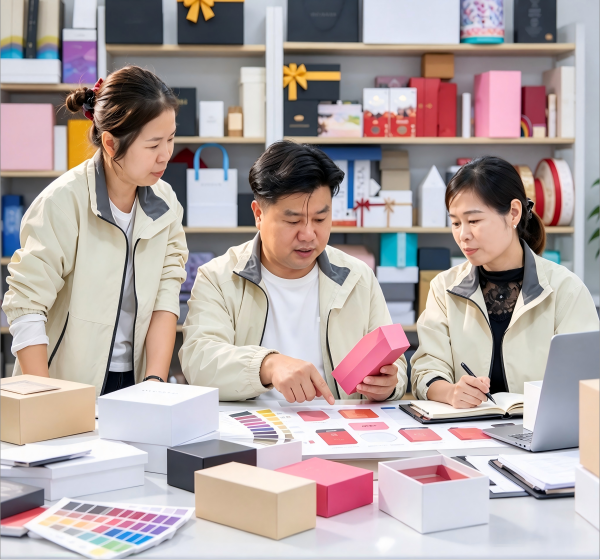
Professional packaging design support from concept to production.
Get Design Support →Explore practical packaging insights and quick answers to help you plan, customize, and order with confidence.
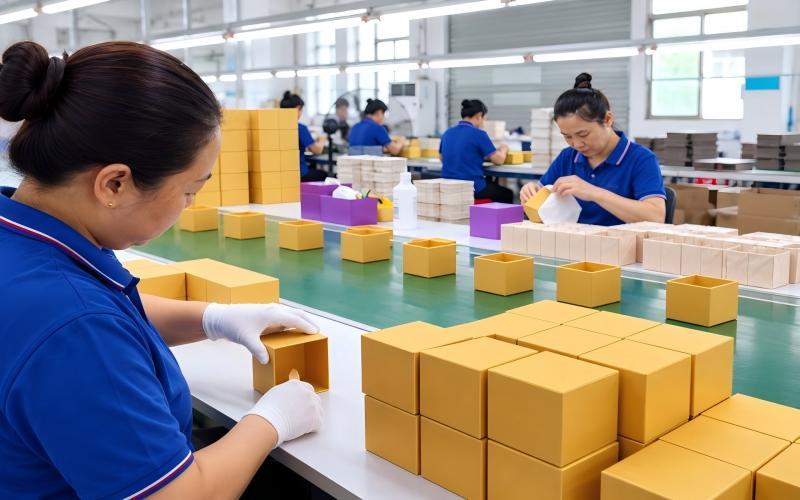
Discover our manufacturing expertise, dedicated team, and commitment to premium custom packaging solutions.
Explore Our Company →Stay connected with DHP Boxes
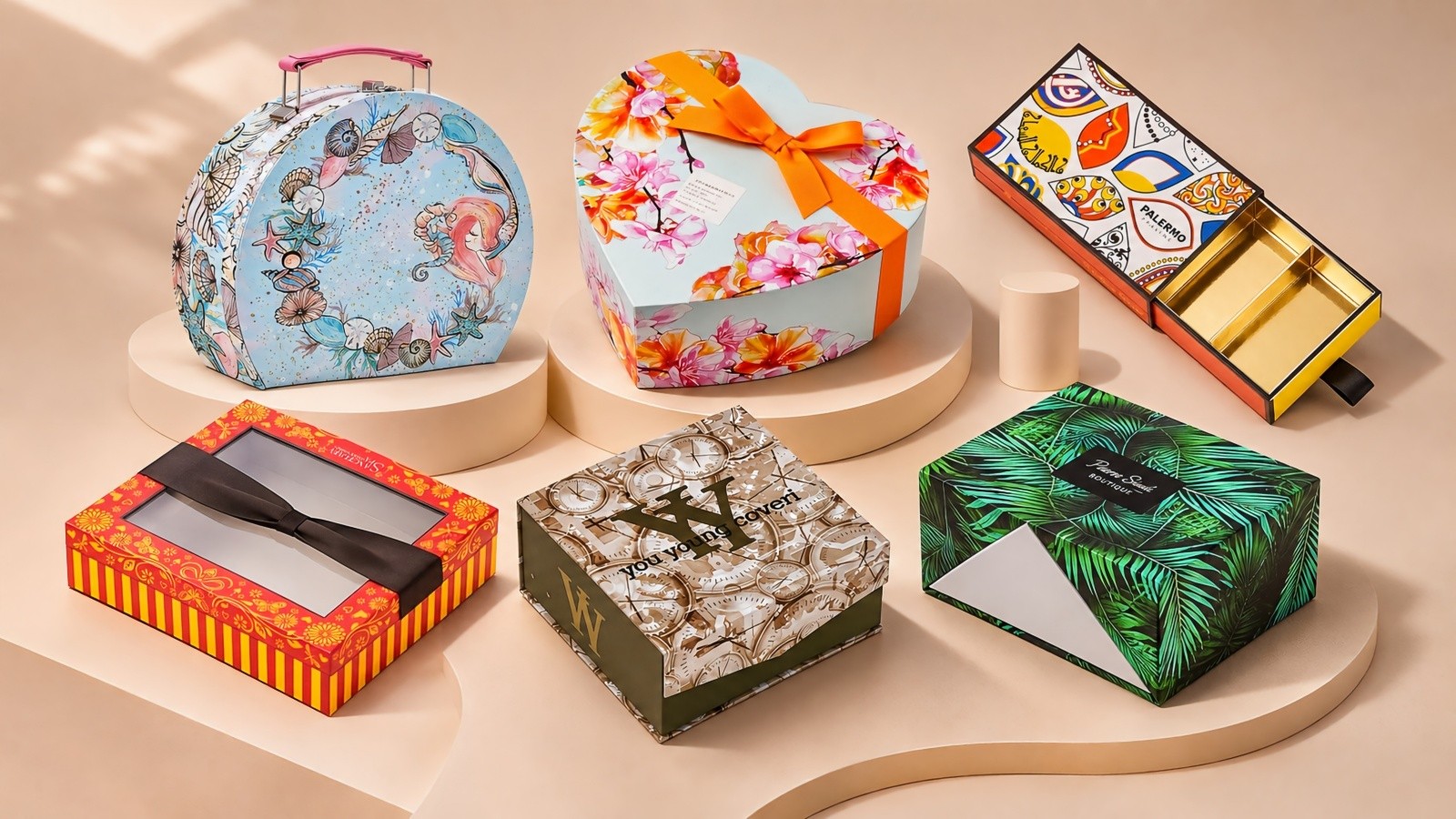
A product's first impression often begins before the box is even opened. The way packaging looks, feels, and unfolds can turn an ordinary purchase into something worth remembering.
For brands, creative packaging is more than an attractive outer box. It is an opportunity to express brand personality, highlight product details, and create a memorable experience from the first touch to the final reveal.
From unexpected opening structures to beautifully arranged interiors, here are 10 creative packaging ideas that can make products feel more special while giving brands new ways to stand out.
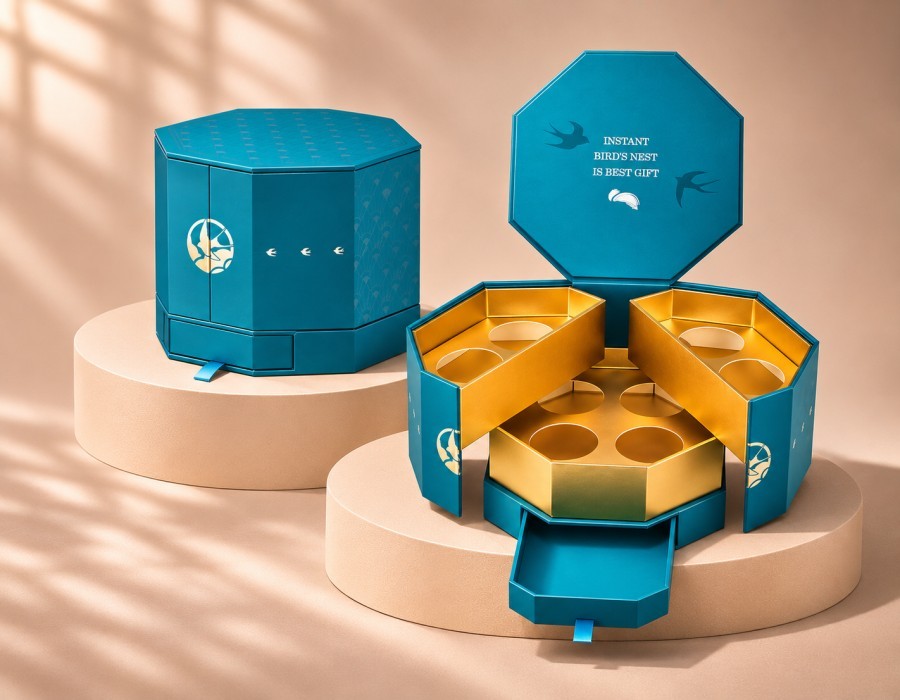
Why reveal everything at once when packaging can make the opening experience more exciting?
Layered packaging uses multiple compartments, removable panels, or stacked interior sections to introduce products gradually. Each layer creates a new visual moment, making the unboxing experience feel more thoughtful and engaging.
This approach works particularly well for gift sets, beauty collections, and premium product bundles. A top compartment might hold a welcome card or small accessory, while the main product is revealed underneath.
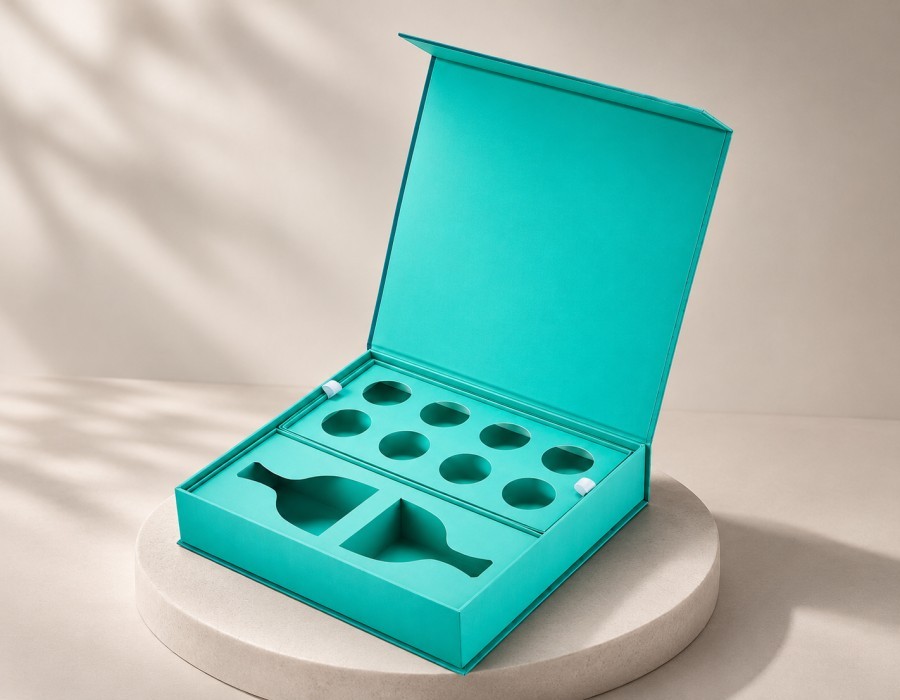
Inspired by the familiar form of a hardcover book, book-style boxes open from one side to reveal a carefully arranged interior.
Their structured panels provide generous space for branding, illustrations, product information, and decorative details. Inside, custom inserts can keep multiple products neatly positioned.
This design is especially suitable for perfume collections, jewelry, skincare gift sets, and corporate gifts.
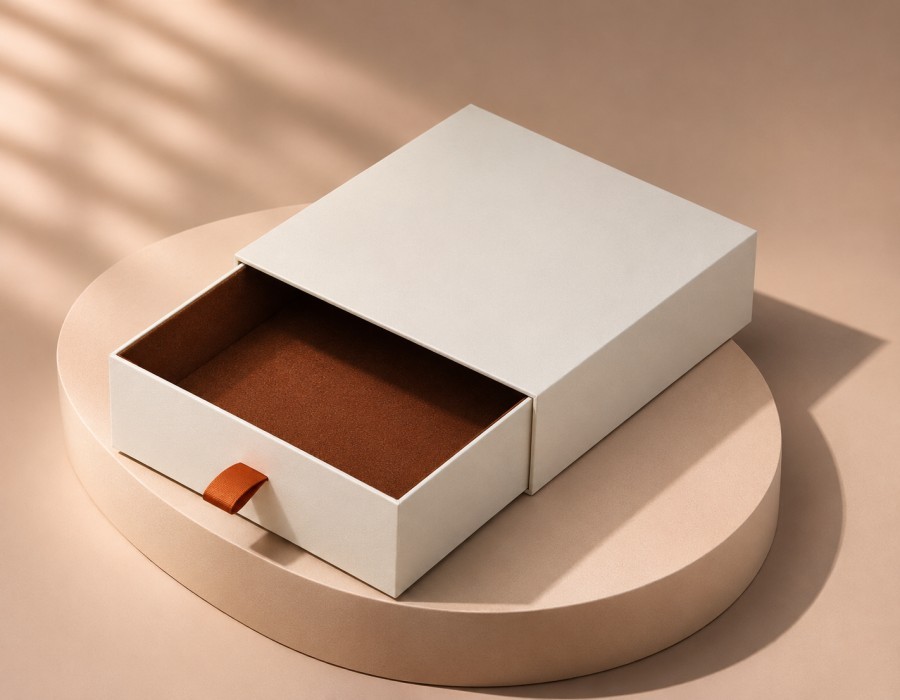
A drawer box introduces a different kind of interaction. Instead of lifting a lid, customers pull an inner tray from an outer sleeve to reveal the product.
The sliding movement adds a sense of anticipation, while the two-part structure creates opportunities for contrasting colors, textures, and branding.
Drawer boxes work well for jewelry, watches, cosmetics, small accessories, and premium gift items.
Sometimes, the product itself deserves to be part of the packaging design. A strategically placed window allows customers to see selected product details without opening the box. Rather than exposing everything, a carefully shaped window can create curiosity while highlighting a distinctive color, texture, or product feature.
Circular, arched, geometric, and custom-shaped windows offer different visual effects. This idea is particularly useful for confectionery, cosmetics, gift items, and products with attractive finishes.
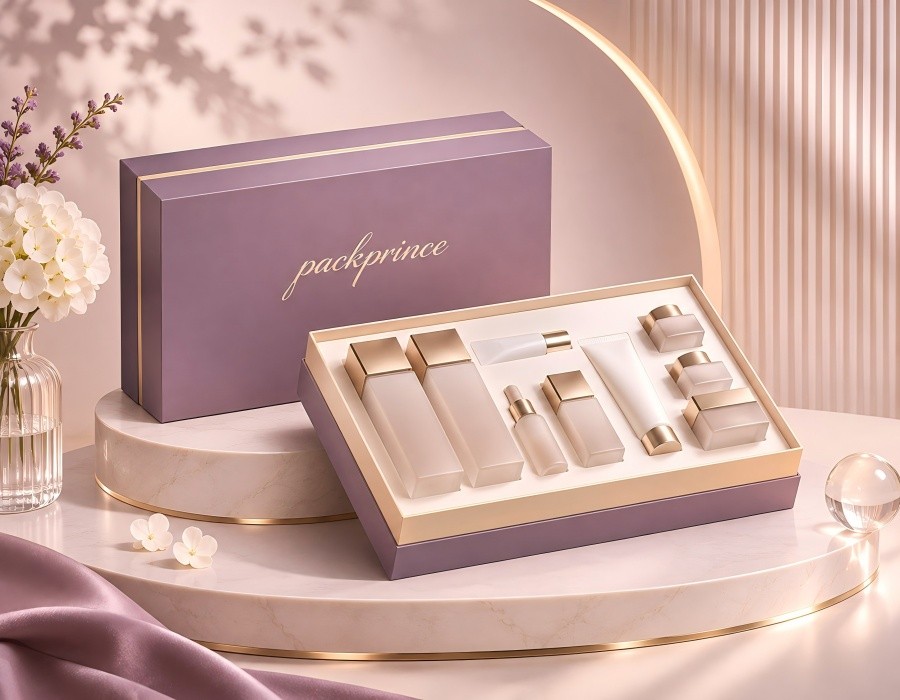
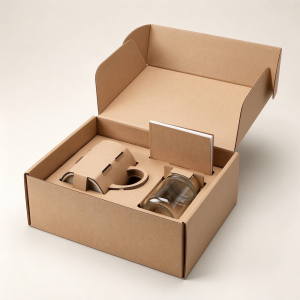
An insert does more than hold a product in place. It can become an important part of the overall presentation.
Instead of using a standard flat insert, brands can explore custom-cut paperboard, molded pulp, layered paper structures, or other suitable materials shaped around the product.
A well-designed insert can create clean product alignment, separate multiple components, and give each item its own space. This approach is especially effective for perfume bottles, skincare sets, electronics accessories, and gift collections.
The outside of a package does not have to tell the whole story. A box with a simple exterior can create a striking impression when opened to reveal a contrasting interior color, unexpected pattern, or distinctive printed message.
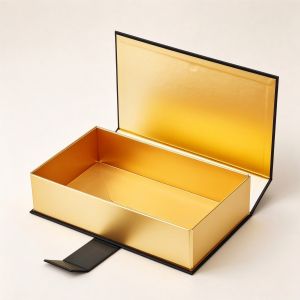
For example, a matte black exterior paired with a warm metallic interior creates a different visual experience from a soft neutral exterior with a vibrant printed lining. This approach works well for luxury cosmetics, fashion accessories, jewelry, and seasonal gifts.
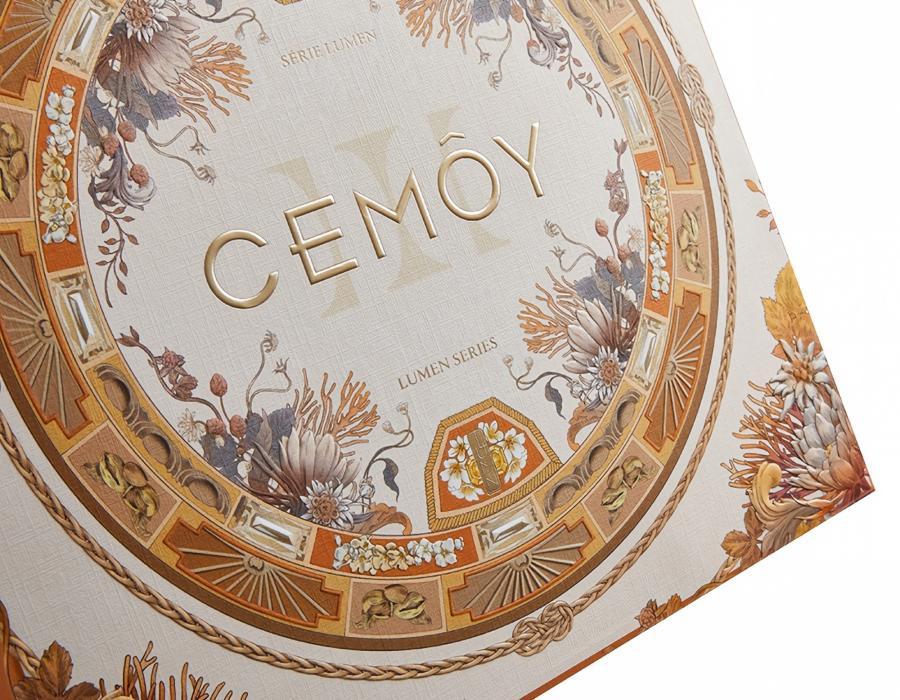
Packaging is a physical experience, and texture can influence how people perceive a product before they even see what's inside.
Different surface treatments create different impressions:
Soft-touch lamination: A smooth, velvety feel
with a refined matte appearance.
Embossing: Raised details that add depth to
logos and patterns.
Debossing: Recessed elements that create
subtle visual and tactile interest.
Foil stamping: Metallic accents that bring
attention to selected design details.
Textured paper: Natural-looking surfaces
that add character and material richness.
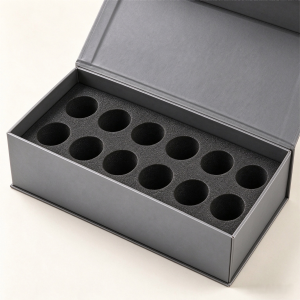
When a product comes with several components, packaging can bring everything together in one coordinated presentation. Multi-compartment boxes use divided trays, individual recesses, or removable sections to organize products in a clear and visually balanced way.
They are ideal for skincare routines, perfume gift sets, tea collections, jewelry combinations, and promotional kits. Beyond appearance, this structure also helps keep different items separated during handling and transportation when properly designed.
Not every product needs to be presented in a conventional rectangular box. Distinctive structures such as cylindrical boxes, hexagonal boxes, triangular packages, and custom-shaped rigid boxes can help products stand out on retail shelves and in gift displays.
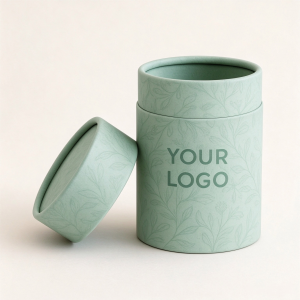
The shape itself becomes part of the visual identity, creating an opportunity for brands to develop packaging that customers recognize more easily. Cylindrical packaging can work beautifully for candles, specialty gifts, and selected beauty products.
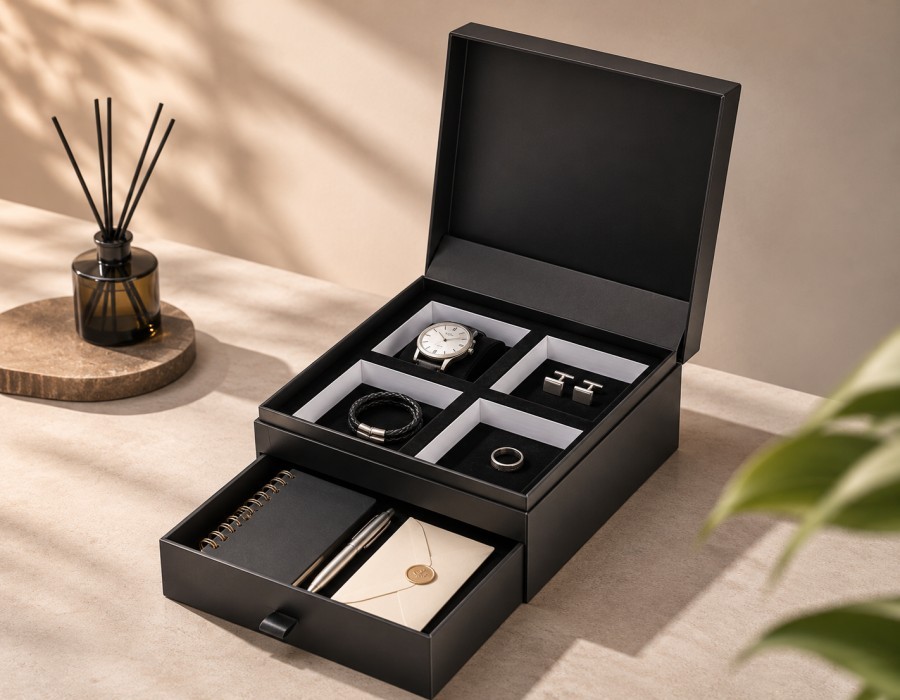
A memorable package does not necessarily have to end its journey when the product is removed.
With thoughtful structural design, some rigid boxes can be reused as jewelry organizers, keepsake boxes, desk storage, or decorative containers. This gives customers another reason to keep the packaging while extending the visibility of the brand beyond the original purchase.
The design can support this idea through durable construction, practical dimensions, and an appearance that fits naturally into everyday spaces.
Not every creative packaging concept is suitable for every product. The best design balances appearance, functionality, brand identity, and production requirements. Before selecting a packaging structure, consider these four factors:
Start with the product's size, weight, shape, fragility, and number of components. These factors influence the box structure, insert design, and level of protection required.
A minimalist book-style box may suit a premium skincare brand, while a colorful multi-compartment package may be more appropriate for a playful gift collection.
Consider how customers will interact with the package. Is the opening process intuitive? Are products easy to remove? Does the packaging create a satisfying reveal?
Special structures, custom inserts, and multiple finishing processes can affect production complexity and cost. Discussing these details early helps keep the final concept practical.
Great packaging does not always require an elaborate structure or expensive materials. Sometimes, a well-placed opening detail, a carefully designed insert, or an unexpected interior finish is enough to make a product feel different.
The key is to choose design elements that work together to support the product and communicate the brand's character.
At DHP Boxes, we specialize in custom paper rigid boxes and handmade packaging solutions for brands looking for distinctive packaging presentations. From structural development and material selection to surface finishing and production, we help turn packaging concepts into practical designs.
We understand that choosing the right boxes for your industry is critical. That’s why we invite you to contact us. Whatever your goals, DHP will help you achieve them.
Contact NowWe have a strong team that works closely with customers to meet market challenges and effectively meet specific needs. Your thought, we fulfill.
Request a Custom QuoteDHP Factory is committed to delivering manufacturing excellence.
