
What is the difference between rigid boxes and folding cartons?
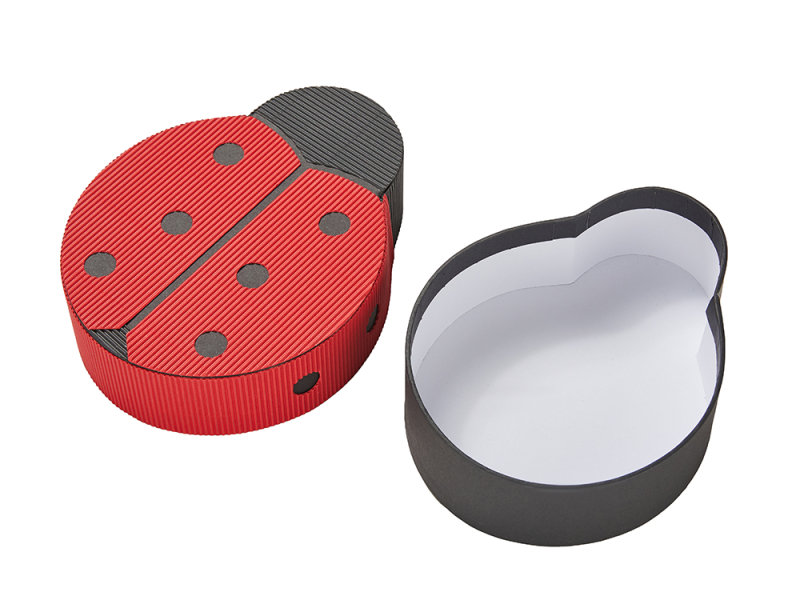
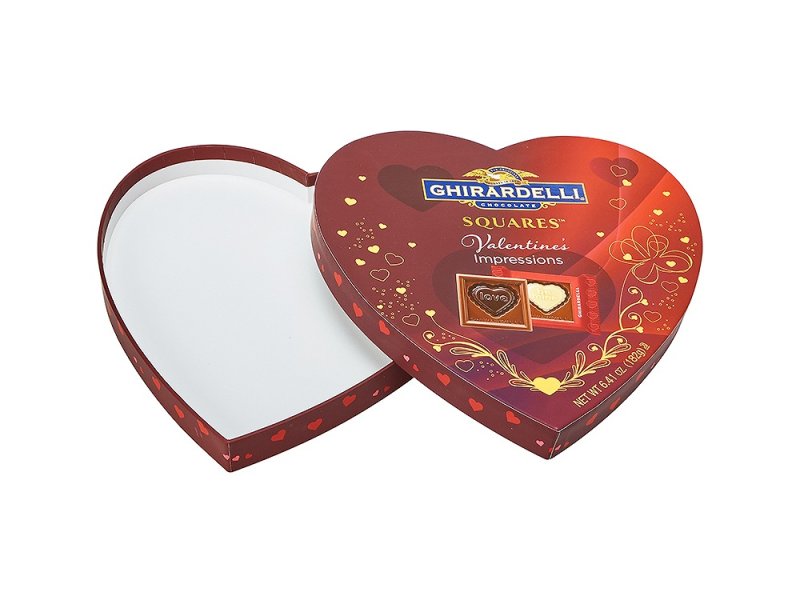
Rigid boxes are constructed from thick greyboard (1.5–3.0mm) and maintain a fixed, non-collapsible structure. Folding cartons are made from thinner paperboard (0.3–0.6mm) and ship flat, requiring assembly.
Key Differences
- Structure: Rigid boxes are solid and non-collapsible; folding cartons fold flat for storage
- Perceived value: Rigid boxes convey premium luxury; folding cartons feel standard
- Protection: Rigid boxes offer superior shock absorption during shipping
- Cost: Rigid boxes cost 3–8× more per unit due to materials and hand assembly
- Production: Rigid boxes require skilled handcraft; folding cartons use automated lines
- Customization: Rigid boxes support more premium finishes (foil stamping, embossing, magnetic closures)
When to choose rigid boxes: For luxury products, gift sets, high-value items, and brands where unboxing experience directly impacts customer perception and loyalty.
When to choose folding cartons: For cost-sensitive products, high-volume retail packaging, e-commerce shipping boxes, and products where packaging is primarily functional rather than experiential.
For brands that want the rigid box feel with better shipping economics, DHP also offers foldable rigid boxes that combine premium presentation with flat-pack shipping efficiency.

Not sure which type fits your product? Get a personalized recommendation.
Contact Us

Are you looking for a reliable manufacturer of down home textile products?
We can quickly provide customers with market analysis, technical support and customized services.Compliance
DHP Factory is committed to delivering manufacturing excellence.
