
How to Protect Custom Rigid Boxes During International Shipping
How to Protect Custom Rigid Boxes During International Shipping
Producing a beautiful custom rigid box is only part of our job. For international orders, there is another challenge that is just as important: making sure the packaging arrives safely after traveling thousands of kilometers.
Recently, one of our shipments experienced heavy handling during ocean freight and final delivery. Although we had already used double shipping cartons together with inner and outer corner protection, some cartons were still damaged during transit, affecting part of the packaging inside.
It was an important reminder for our team at DHP Factory: even a carefully packed shipment cannot completely eliminate the risks of international transportation.
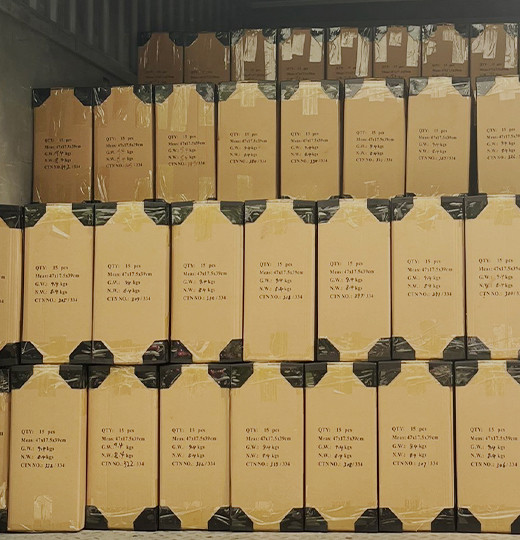
Why Can Packaging Be Damaged During International Shipping?
International shipping involves much more than moving cartons from one warehouse to another. A sea-freight shipment may pass through factory loading, container handling, ports, customs, warehouses, distribution centers and final truck delivery before reaching the customer.
During this journey, cartons may experience stacking pressure, vibration, drops, impacts, moisture or rough handling. Luxury rigid boxes can be particularly sensitive because their wrapped surfaces, corners and finished structures are designed for presentation rather than functioning as transport packaging.
This is why the beautiful retail box and the protective shipping carton need to be considered as two different packaging systems.
How We Protect Custom Rigid Boxes
At DHP Factory, export packing is selected according to the box structure, product size, quantity and transportation method.
For suitable international shipments, protection may include:
- Strong export shipping cartons
- Double-carton packing
- Inner corner protectors
- Outer corner protectors
- Protective wrapping and cushioning
- Careful carton arrangement
- Pallet protection when required
- Pre-shipment inspection and photos
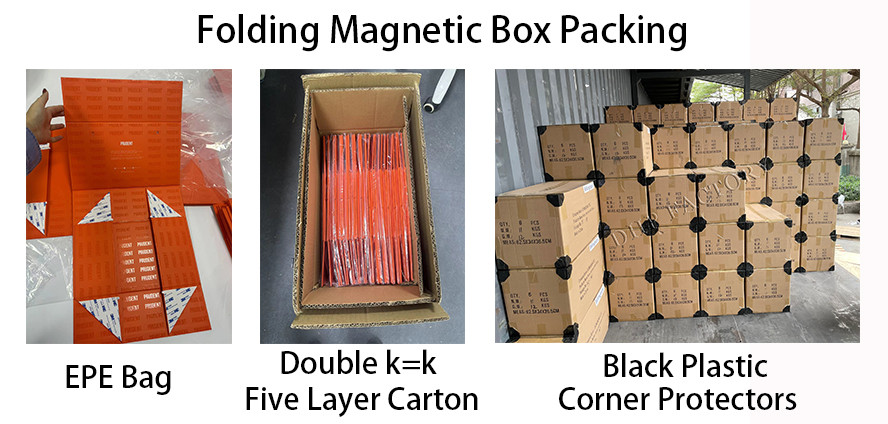
In the recent case, we had already adopted a double-carton structure with both inner and outer corner protection to provide additional resistance against impact and compression.
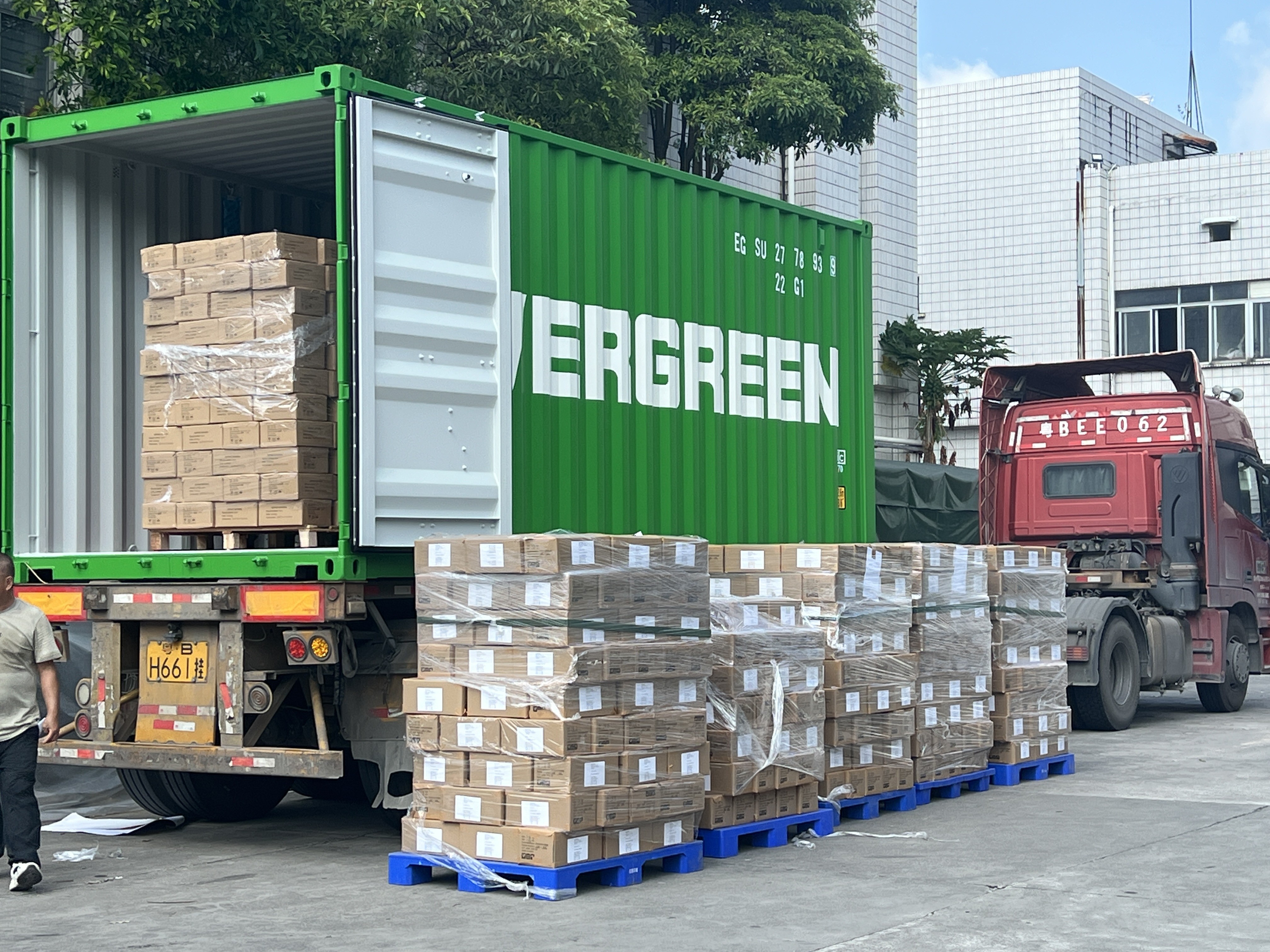
Why Use Double Cartons?
Double-carton packing creates an additional protective layer between the finished packaging and the outside transportation environment.
If the outer carton receives an impact, the additional carton and protective space can help reduce the amount of force transferred directly to the custom boxes inside.
Why Are Corner Protectors Important?
Corners and edges are vulnerable areas during transportation. Corner protectors can help distribute pressure and reduce direct impact, particularly when cartons are stacked or moved between different logistics facilities.
Can Double Cartons Prevent All Shipping Damage?
Unfortunately, no.
This is an important point that packaging suppliers should communicate honestly. Better export packing can significantly reduce transportation risk, but no carton structure can guarantee zero damage under every possible logistics condition.
A package designed to withstand normal stacking and handling can still be damaged by an unusually heavy impact, severe crushing, dropping or improper handling.
Adding more packaging is also not always the answer. Excessive transport packaging increases material use, shipping volume and cost. The goal should therefore be to find a reasonable balance between protection, material use, shipping cost and actual transportation risk.
What Happens If Shipping Damage Occurs?
When damage occurs, the first priority is to understand what happened and document it properly.
We normally recommend recording:
- The condition of the outer cartons
- Damaged corners or crushed areas
- The condition of the inner cartons
- The number of affected products
- Photos taken immediately after delivery
- Shipping labels and shipment information
These records can be important when communicating with freight forwarders, carriers and insurance providers.
Why Cargo Insurance Matters
For international shipments, especially higher-value custom packaging orders, cargo insurance can provide another layer of risk management.
Insurance does not prevent damage and should never replace proper export packing. However, when an insured event occurs, complete documentation can help the relevant insurer assess an eligible claim.
What We Learned From This Experience
At DHP Factory, we have more than 20 years of experience producing custom paper packaging for international customers. But real-world shipping experiences continue to teach us where improvements can be made.
This recent case reinforced three important principles for our team.
1. Export Packing Should Be Considered Early
Transportation should not be discussed only after production is finished. Product value, box structure, destination and shipping method can all influence the appropriate export packing solution.
2. High-Value Packaging May Need Additional Protection
A simple folding carton and a handmade luxury rigid box do not necessarily require the same transportation strategy. Premium surfaces, sharp corners and complex structures may justify additional protection.
3. Documentation Matters
Pre-shipment inspection photos and clear packing records provide useful evidence of the cargo condition before it leaves the factory and can make later communication much easier.
Beautiful Packaging Needs a Safe Journey
As a custom luxury packaging manufacturer, our work does not stop when a rigid box passes final quality inspection.
We also need to think about the journey ahead: how the cartons will be stacked, transported, handled and finally delivered to the customer.
We cannot remove every risk from international logistics. What we can do is continue improving our packing methods, document shipments carefully, use appropriate protection and work constructively with customers and logistics partners when unexpected problems occur.
Shipping Custom Packaging Internationally?
When requesting a quotation, tell us your destination and preferred shipping method. Our team can consider both the custom packaging itself and suitable export packing for your project.
Frequently Asked Questions
Why are custom rigid boxes packed inside shipping cartons?
Rigid boxes are retail presentation packaging rather than transportation cartons. An outer shipping carton helps protect finished surfaces, corners and structures during international transportation.
Is double-carton packing necessary for every order?
Not necessarily. The appropriate packing method depends on the packaging structure, quantity, value, destination and transportation method.
Can double cartons guarantee that products will not be damaged?
No packaging method can guarantee zero transportation damage. Double cartons and corner protection are intended to reduce risk, but unusually severe handling can still cause damage.
Should I purchase cargo insurance?
Cargo insurance may be worth considering for international and higher-value shipments. Coverage, exclusions and claim requirements vary, so the specific policy terms should always be reviewed before shipment.
What should I do if cartons arrive damaged?
Photograph the outer carton, shipping label, inner packing and affected products as soon as possible. Keep the original packaging and promptly notify the relevant supplier, freight forwarder or carrier so the case can be documented and assessed.
