
Greyboard Thickness for Custom Rigid Boxes: 1.5mm vs 2mm vs 3mm
Greyboard Thickness for Custom Rigid Boxes: 1.5mm vs 2mm vs 3mm
How thick should the greyboard be for a luxury rigid box? Compare common board thicknesses, understand the difference between millimetres and GSM, and learn how box size, product weight, structure and inserts affect material selection.
Quick Answer: What Greyboard Thickness Is Best for Rigid Boxes?
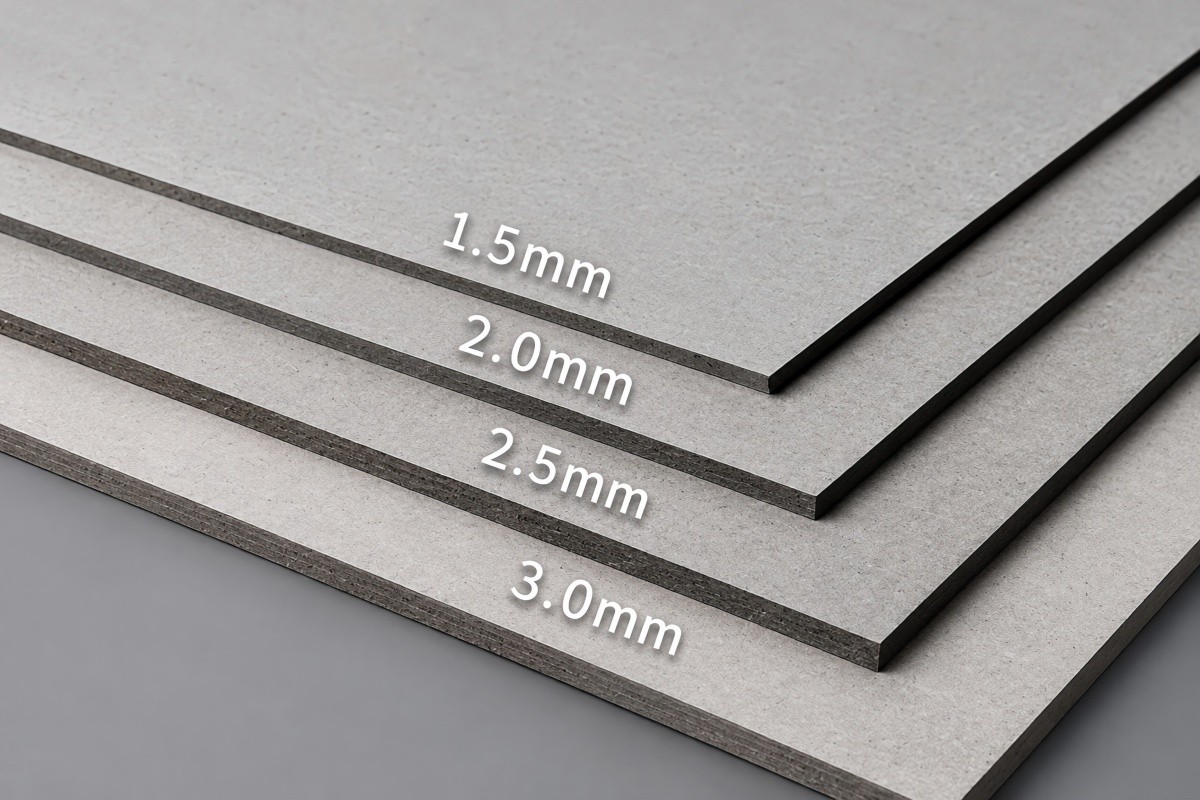
For many custom rigid boxes, 1.5mm to 3mm greyboard provides a useful starting range, with 2mm commonly selected for general rigid packaging. Smaller, lightweight boxes may use thinner board, while larger presentation boxes or heavier products may require 2.5mm or 3mm. However, thickness alone does not determine box strength. Board density, panel dimensions, structural design, inserts and handling conditions must also be considered.
What Is Greyboard in Custom Rigid Box Manufacturing?
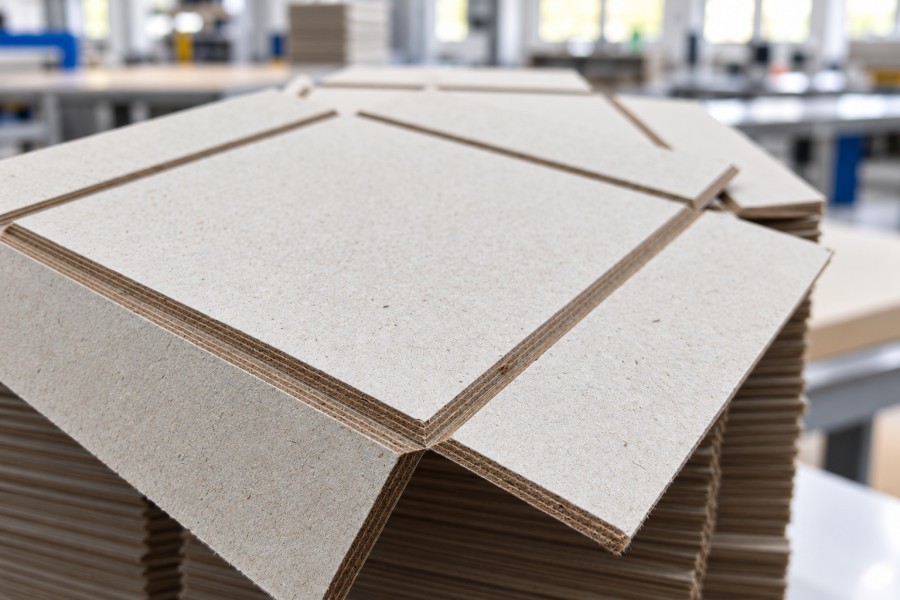
Greyboard, also called grey chipboard or rigid box board, is a dense paperboard material used to form the structural body of many premium rigid boxes.
Unlike a folding carton, which is typically made from thinner scored paperboard, a conventional rigid box uses thicker board panels that are assembled and covered with decorative wrapping paper.
The greyboard provides the main structural shape, while the exterior wrap supplies the printed graphics, color and surface texture.
Common applications include magnetic closure boxes, book-style presentation boxes, drawer boxes, lid-and-base gift boxes and luxury packaging for cosmetics, jewelry, watches and spirits.
The board is generally hidden beneath the wrapping paper, but its thickness influences the finished box's dimensions, rigidity and tactile impression.
Greyboard Thickness Comparison: 1.5mm vs 2mm vs 2.5mm vs 3mm
Different thicknesses are suitable for different packaging requirements. The following comparison is a preliminary design guide, not a guaranteed load-rating chart.
| Greyboard Thickness | Typical Design Direction | Advantages | Points to Check |
|---|---|---|---|
| 1.5mm | Small rigid boxes and lightweight gift packaging | Lower board weight and slimmer construction | Panel bending, product weight and corner stability |
| 2.0mm | Many standard custom rigid gift boxes | Balanced rigidity, weight and presentation | Large panels, heavy inserts and closure design |
| 2.5mm | Larger boxes or designs requiring greater structural presence | Potentially increased panel stiffness | Weight, wrapping details and assembly feasibility |
| 3.0mm | Selected large-format or substantial presentation boxes | Thicker construction and substantial hand feel | Cost, corner construction, total weight and dimensional fit |
1.5mm Greyboard: Compact and Lightweight Rigid Boxes
For smaller rigid boxes containing lightweight products, 1.5mm greyboard may provide an appropriate balance of structure and material usage.
Potential applications include compact jewelry boxes, small accessories and certain presentation packs. However, a large lid made from the same thickness may behave differently from a small one.
2mm Greyboard: A Common Starting Point
Two-millimetre greyboard is widely used for conventional rigid gift packaging. It can be considered for many cosmetic, fragrance, jewelry and branded gift boxes, subject to structural review.
DHP Boxes also identifies 2mm as its most commonly used greyboard thickness in its published product knowledge.
2.5mm Greyboard: Additional Structural Presence
When a box has larger panels or needs a more substantial feel, 2.5mm greyboard may be worth evaluating.
It can be useful for selected premium gift sets and presentation boxes, but the actual benefit depends on the board grade, construction and support from internal components.
3mm Greyboard: For Selected Large or Substantial Designs
Three-millimetre board can create a thicker and heavier construction. It may be appropriate for certain large-format gift boxes or premium presentation structures.
However, it should not be treated as the automatic choice for expensive products. Thick board can complicate some corner details and increase packaging weight.
Greyboard Thickness vs GSM: What Is the Difference?
International packaging buyers may encounter specifications expressed in millimetres, grams per square metre or both.
Thickness in Millimetres
Thickness describes the physical distance between the two surfaces of the board. It is also called caliper.
For example, a 2mm greyboard sheet has a nominal thickness of 2 millimetres before wrapping and assembly.
GSM: Grammage
GSM means grams per square metre. It describes the mass of a square metre of board, not its physical thickness.
Two boards with the same GSM may have different thicknesses because of differences in fibre composition, compression and density.
Similarly, two boards of the same nominal thickness may have different GSM values and mechanical properties.
Can You Convert GSM Directly to Millimetres?
There is no universal conversion factor suitable for every greyboard grade. A conversion based on one supplier's board density may not accurately describe another material.
For purchasing, request both the nominal thickness and grammage where relevant, together with the board grade and agreed tolerances.
How Greyboard Thickness Changes with Rigid Box Structure
Different box constructions distribute loads and stresses differently. The same board thickness may perform differently in a magnetic book-style box, a drawer box or a lid-and-base structure.
Magnetic Closure Rigid Boxes
Magnetic boxes require attention to lid alignment, hinge construction, magnet placement and panel stability. Board thickness should be considered alongside the wrapping material and closure design.
Lid-and-Base Rigid Boxes
For two-piece boxes, the lid and base must fit together with appropriate clearance. Board thickness influences the finished internal and external dimensions.
Drawer Rigid Boxes
Drawer boxes require accurate sliding clearance between the outer sleeve and inner tray. Changing the board thickness without updating the structural drawing can affect the fit.
Book-Style Rigid Boxes
Book-style structures use rigid panels connected through a hinge area. Board thickness influences the panel construction, but hinge flexibility is also affected by wrapping materials and the hinge design.
Large Presentation Boxes
Large panels may require additional structural evaluation because they can flex more than small panels of the same material. Inserts and internal supports may also contribute to the overall design.

Choosing Greyboard Thickness for Different Packaging Products
Product category can help narrow the initial material options, but the actual product dimensions and weight remain essential.
| Packaging Application | Initial Thickness Options to Evaluate | Additional Considerations |
|---|---|---|
| Small Jewelry Boxes | 1.5–2mm | Compact dimensions and insert design |
| Cosmetic Gift Boxes | 1.5–2.5mm | Number of products, bottle weight and box size |
| Perfume Presentation Boxes | 2–2.5mm | Glass bottle weight and protective insert |
| Watch Gift Boxes | 2–2.5mm | Insert, cushion and opening structure |
| Spirits Gift Packaging | 2–3mm | Bottle weight, base support and transport |
| Large Gift Sets | 2–3mm | Panel dimensions and component arrangement |
These ranges are design discussion starting points rather than verified specifications for individual DHP Boxes products.
A small, heavy glass item and a large, lightweight textile gift may require different structural solutions despite similar total packaging dimensions.
6 Factors That Determine the Right Greyboard Thickness
1. Finished Box Dimensions
Longer or wider panels may be more susceptible to bending. Review the overall box dimensions rather than selecting board thickness solely by product category.
2. Product Weight
Heavier products can create greater demands on the base, sidewalls and internal supports. Product weight should be considered together with the box geometry.
3. Internal Inserts
EVA foam, paperboard dividers and other inserts can hold products in position. However, an insert does not automatically compensate for an unsuitable outer box structure.
4. Opening and Closing Mechanism
Magnets, drawers, hinged lids and removable covers introduce different alignment and clearance requirements.
5. Handling and Shipping
Boxes may experience stacking, vibration, impact and humidity changes during transport. Protective export packing and appropriate testing should be considered for the intended distribution route.
6. Brand Presentation and Cost
Some brands prefer a lighter, slimmer box, while others want a more substantial presentation. Material choice should support the intended experience without unnecessary cost or weight.
Is Thicker Greyboard Always Better for Luxury Packaging?
No. Greater thickness can increase structural stiffness under comparable conditions, but it does not automatically produce a better rigid box.
A thicker board may increase material usage, finished packaging weight and manufacturing complexity. It can also affect corner construction, wrapping details and the available internal space.
In contrast, a well-designed box using an appropriate board grade, accurate dimensions and suitable inserts may perform better than a poorly designed box made with thicker material.
How Greyboard Thickness Affects Wrapping and Corner Quality
In rigid box manufacturing, greyboard panels are commonly covered with printed paper or specialty wrapping materials.
Board thickness influences the geometry of the corners and the relationship between the greyboard core and the outer wrap.
For example, changes in thickness may require adjustments to panel dimensions, wrapping allowances, folding details or V-grooving design where that process is used.
Thicker board does not guarantee cleaner corners. Accurate cutting, suitable adhesive application, correct wrapping material and controlled assembly are also important.
For high-end packaging, the appearance of corners, edges and wrapped surfaces should be reviewed during physical sampling.

How to Verify Greyboard Thickness Before Mass Production
A physical sample is one of the most useful tools for evaluating board selection.
Step 1: Confirm the Material Specification
Request the proposed greyboard thickness, grade and any relevant material information. Where required, define an agreed thickness tolerance.
Step 2: Review a Structural Sample
Check the box dimensions, panel stability, lid or drawer fit, opening movement and overall handling experience.
Step 3: Test with the Actual Product
Place the intended product and accessories inside the sample. Evaluate product movement, insert fit and any pressure on delicate components.
Step 4: Review the Finished Appearance
Examine wrapped corners, edges, alignment and the relationship between the selected board and decorative materials.
Step 5: Approve the Final Specification
Record the agreed board thickness, materials, structural drawing and approved sample before mass production.
Greyboard Thickness Checklist for Custom Rigid Box Buyers
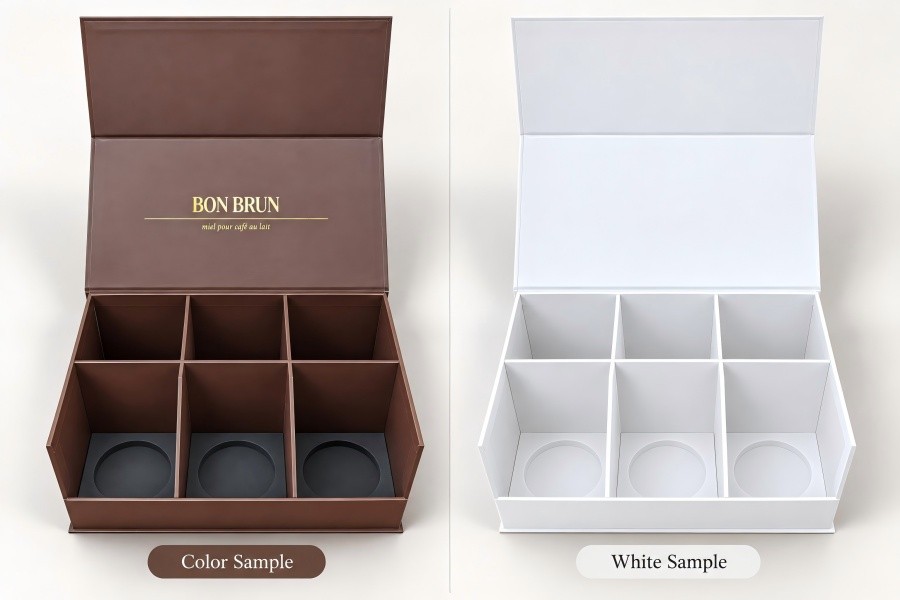
When requesting a quotation, provide enough information for the manufacturer to evaluate the structure rather than simply asking for the thickest available board.
- Required internal box dimensions
- Product dimensions and weight
- Preferred rigid box structure
- Proposed greyboard thickness, if known
- Wrapping paper and surface finishing requirements
- Insert materials and layout
- Opening and closing requirements
- Expected handling and shipping conditions
- Estimated order quantity
- Any special strength or testing requirements
If the thickness has not been decided, ask the manufacturer to recommend a suitable option and explain the structural reasoning.
How DHP Boxes Approaches Greyboard Selection for Custom Rigid Boxes
DHP Boxes is a China-based custom rigid box manufacturer providing structural development, sampling, printing, finishing and packaging production services.
Our published product knowledge identifies a typical greyboard range of 1–3mm, with 2mm commonly used in rigid box manufacturing.
For a custom project, the appropriate thickness should be evaluated alongside the box dimensions, product weight, opening structure, inserts and visual requirements.
Rather than choosing board thickness only by price or appearance, buyers should confirm the complete structure through physical sampling.
Learn more about our rigid box manufacturing facilities and custom packaging capabilities.
You can also review our technical explanation: How Thick Should the Greyboard Be to Make a Rigid Box?
Frequently Asked Questions About Greyboard Thickness
Is 2mm greyboard thick enough for a rigid gift box?
Two-millimetre greyboard is commonly used for many rigid gift boxes. Whether it is sufficient for a particular design depends on the dimensions, product weight, structure, board grade and inserts.
What is the difference between 1.5mm and 2mm greyboard?
Two-millimetre board is nominally 0.5mm thicker. Under otherwise comparable conditions, it may provide greater panel stiffness, but the actual difference depends on the material grade and construction.
When should I consider 3mm greyboard?
Three-millimetre board may be considered for selected large-format or substantial presentation boxes. Its suitability should be confirmed through structural review and sampling.
Does thicker greyboard make a rigid box stronger?
Greater thickness can improve stiffness when other material properties and construction conditions are comparable. However, overall box performance also depends on geometry, board density, assembly and internal support.
Is greyboard thickness the same as paper GSM?
No. Thickness measures the physical caliper in millimetres, while GSM measures the mass per square metre. There is no universal conversion between them for all greyboard grades.
Can the lid and base use different greyboard thicknesses?
They can in some designs, provided the structural drawing, clearances and finished appearance are adjusted accordingly. The arrangement should be confirmed during sampling.
Does greyboard thickness affect the price of custom rigid boxes?
Yes. Thickness can affect material consumption, finished weight and manufacturing requirements. However, the overall quotation also depends on structure, paper, printing, finishing, inserts and quantity.
How do I choose greyboard thickness for a heavy product?
Provide the product weight, dimensions, box structure and transport requirements. The manufacturer should evaluate the base, sidewalls, inserts and overall construction rather than relying on thickness alone.
Final Thoughts: Choose the Right Thickness, Not Simply the Thickest Board
Greyboard is a fundamental structural material in custom rigid box manufacturing. While 1.5mm, 2mm, 2.5mm and 3mm are useful options to compare, the best choice depends on the complete packaging design.
For luxury brands and packaging buyers, the most reliable approach is to match the board to the product, confirm the construction through sampling and approve clear material specifications before production.
Need Help Selecting Greyboard for Your Custom Rigid Box?
Share your product dimensions, weight, preferred box structure and estimated order quantity with DHP Boxes. Our team can review suitable board options, structural requirements and sampling considerations for your packaging project.
Contact DHP Boxes