
Custom Whiskey Boxes: Luxury Packaging Ideas for Premium Spirits
Custom whiskey boxes are the structures a distillery builds around a bottle when the liquid is worth protecting and the brand is worth presenting. A whiskey pack has to carry real weight — a full bottle can run to 1.5 kg and more — hold an insert that stops the bottle moving, and still open like a gift when it reaches the shelf or a collector's hands.
In this guide the packaging team at DHP Boxes walks through the structures, boards, wraps, finishing and inserts used for whiskey and premium spirits packaging, how to choose an insert for a bottle shape, what changes when the pack ships by e-commerce, and the MOQ, lead time and quality checks a spirits brand should expect from a custom packaging manufacturer.
What Custom Whiskey Boxes Have to Do That Other Boxes Do Not
A whiskey box carries more weight, more glass and more expectation than almost any other luxury pack. Three things follow from that.
- Structural strength. The box must hold a heavy, rigid bottle without the base bowing, so rigid construction on a substantial board is the norm rather than a folding carton.
- Protection in transit. Glass is heavy and brittle; the insert has to lock the bottle neck and body so it cannot strike the sides during a courier journey.
- Presentation weight. The pack is often kept — on a home bar, as a gift, or as a collector's item — so it needs a durable wrap and a finish that does not scuff.
That combination is why whiskey packaging tends to favour rigid boxes, magnetic closures and moulded or foam inserts, and why the brief usually starts with the bottle rather than with the artwork.
Box Structures for Whiskey and Premium Spirits
Structure is the first decision, because it fixes how the bottle sits, how the box is packed and how it opens. The table compares the formats we build most often for spirits.
| Structure | Opening Experience | Best For |
|---|---|---|
| Magnetic closure rigid box | Slow, premium flip-top with a magnetic snap | Flagship single-bottle SKUs and gift sets |
| Lid and base box | Lift-off lid, strong and classic | Heavy bottles and limited editions |
| Drawer box | Slide-out tray with a ribbon or finger pull | Multi-bottle and accessory sets |
| Double-door box | Twin doors open around the bottle | Statement collector releases |
| Tube and round box | Cylindrical reveal, often with a metal lid | Single malts and barrel-strength bottlings |
| Folding and collapsible rigid box | Flip-top, ships flat | Volume gift ranges where freight matters |
A magnetic closure box is the format most associated with premium spirits, because the snap and the soft close signal quality before the bottle is seen. Where a brand ships by e-commerce, a collapsible rigid box or a well-built folding box with a strong insert is often the better commercial answer, because it ships flat and fills a container far more efficiently.
Boards, Wraps and Materials for a Spirits Pack
A whiskey box is built, not printed flat, so the board core decides how solid the pack feels. The materials we use most on spirits work:
- Grey board and duplex grey board for the rigid core, giving the box its weight and its resistance to the bottle load.
- C1S and C2S art paper as the printed wrap, taking foil and varnish cleanly.
- Leatherette paper and pearl paper where the wrap itself should signal luxury, common on flagship single malts.
- Textured and fancy paper for a tactile, less reflective premium look.
- Kraft and uncoated board for a more understated, craft-led positioning.
- Black card for high-contrast packs where foil and spot UV will do the work.
The wrap matters as much as the core because spirits are frequently shelved and handled. A matte laminated wrap hides fingerprints on a dark pack; an uncoated textured wrap feels richer but scuffs more easily, so it should be paired with an insert and a shipper that reduce handling.
Finishing That Suits Whiskey Packaging
Whiskey branding rewards restraint. The finishes that work best on spirits packaging are foil stamping in gold, copper or black, debossing for a tactile monogram, spot UV for a crest or an aged map, and inside printing for the opening moment. Soft-touch coating is popular but shows handling marks on a heavy object, so we specify anti-scratch matte lamination when the pack will be repeatedly handled on a shelf.
Where a brand wants an aged or heritage feel, textured paper with a single copper foil hit usually outperforms layered effects. Keep foil away from fold lines and from the edges of a drawer or lid, where repeated opening will crack it.
Choosing the Insert: the Part That Protects the Bottle
The insert decides whether the bottle arrives intact, and it is where most cheap spirits packaging fails. A heavy bottle in a loose box will move, and a bottle that moves will mark itself and the box on the first journey. The insert options below are ranked by how well they hold weight.
| Insert Option | Protection Level | Notes |
|---|---|---|
| Custom moulded EVA foam insert | Very high | Precision-fit to the bottle profile; tooling cost amortised at volume |
| Moulded pulp insert | High | Recycled fibre, nestable, plastic-free; tooling cost, best at volume |
| Die-cut paperboard fitment | Medium-high | No tooling, recyclable with the box, good for lighter bottles |
| Corrugated cradle | High | Excellent shock absorption in transit, FSC board available |
| Velvet or fabric-lined tray | Medium-high | Premium feel; pair with a dense core so it does not compress |
| Moulded plastic insert | Very high | Strong and precise, but harder to recycle; use only where justified |
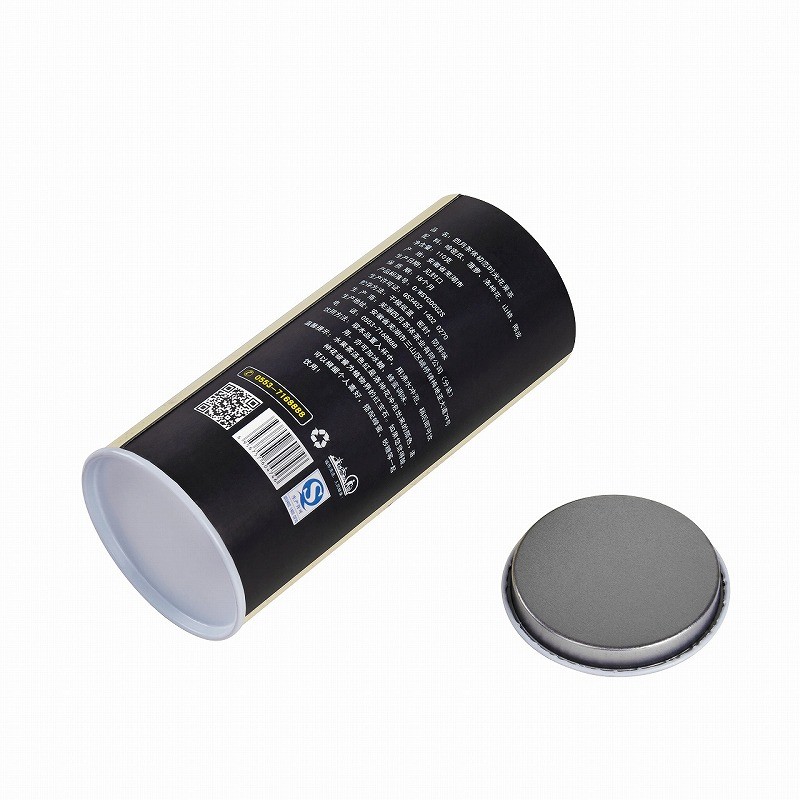
For a heavy bottle we usually combine a moulded insert or a corrugated cradle with a neck support, then verify it with a drop test on the packed sample. For a light single malt in a tube, a die-cut paperboard fitment is often enough.
Designing for Retail Shelves and E-Commerce Delivery
The channel changes the specification. On a retail shelf, the pack is judged in seconds, so a magnetic closure, a bold foil and a strong silhouette do the work, and the box can be relatively unprotected because it is not travelling alone. In an e-commerce parcel, the pack is judged after a courier journey and must survive being stacked and dropped.
Retail programme
- Magnetic closure or lid and base in a substantial board
- Copper, gold or black foil with a debossed monogram
- Inside print for the opening moment on the shelf
- Insert sized to the bottle, protection tuned to handling
E-commerce and courier programme
- Collapsible rigid or folding structure that ships flat
- Moulded or corrugated cradle plus neck support
- Anti-scratch matte lamination to survive handling
- A separate corrugated shipper around the gift box
Our default for a spirits brand selling both ways is one premium retail box and a protective shipper around it, rather than over-building the gift box. Where a single pack must serve both, we increase the board thickness, move to a moulded insert, add a corrugated sleeve, and test the whole assembly rather than the box alone.
Common Mistakes in Spirits Packaging Briefs
Most whiskey packaging problems are decided before tooling starts, so it is worth checking the brief against the mistakes we see most often.
- Specifying the artwork before the bottle. The bottle's dimensions, weight and closure height fix the structure and the insert, not the other way round.
- Choosing a folding carton for a heavy bottle. A 1.5 kg bottle needs a rigid board core and a real insert, not a light carton with a paperboard collar.
- Leaving the insert until last. Insert tooling is the longest lead-time item on a spirits pack and the hardest to change after approval.
- Foiling across a fold line. Repeated opening cracks the foil on a lid hinge or drawer edge.
- Using a soft-touch finish on a handled pack. Soft-touch shows fingermarks on a bottle that customers pick up; anti-scratch matte lamination holds up better on a shelf.
A brief that fixes the bottle, the structure, the board, the finish set and the insert before sampling will clear the factory with far fewer revision rounds.
From Brief to Delivered Whiskey Packaging
The sequence below is how a spirits order runs through our plant, whether it is a 300-piece limited release or a 30,000-piece seasonal range.
Brief and bottle specification
Bottle dimensions, weight, closure height and the channel agreed, because these fix the structure and the insert.
Structural sample and dieline
A white sample proves fit, board thickness, insert depth and the opening sequence before artwork.
Printing, finishing and insert trial
Wrap, foil and finish trialled on the chosen stock; insert tooled and offered up to the actual bottle.
Pre-production sample approval
Final sample checked for colour, foil coverage, insert grip and drop performance; both sides sign off.
Production with AQL inspection
Mass production monitored under ISO 2859-1 AQL for foil misses, poor coating, scratches, colour shift, cracked folds and glue marks.
Packing and dispatch
Boxes assembled or shipped flat as the structure allows, interleaved so the finish arrives intact.
Quality Control for Whiskey Boxes
A spirits pack has one non-negotiable job — the bottle must arrive unmarked — and a long list of cosmetic ones. We inspect against ISO 2859-1 AQL, watching the defects that matter most for a rigid spirits box: colour shift between lots, poor coating or varnish streaks, foil that has not released cleanly, scratched or abraded wraps, cracked folds on the lid hinge, glue marks on the interior and insert fit.
Where a brand prints a claim about the insert or the material, we keep the board and insert declarations on file against the production lot. Every assembled box is offered up to the bottle before packing, because an insert that fits the drawing but not the bottle is the most expensive defect a distillery can discover after shipping.
Cost, MOQ and Lead Time for Custom Whiskey Boxes
Whiskey packaging costs more than a folding carton because it is built from board and usually carries a tooled insert. The variables that move the quote are predictable, and worth understanding before the brief is fixed.
| Factor | Typical Range | What Changes the Number |
|---|---|---|
| MOQ | From a few hundred to around 1,000 pieces | Structure, board grade, whether custom insert tooling is needed |
| Sampling | Free white sample; printed and tooling-backed sample charged | Number of revisions, insert tooling, finishing passes |
| Lead time | About 15–25 working days after sample approval | Number of finishing passes, insert tooling, peak-season loading |
| Freight saving | Meaningful on flat-packed and nested packs | Container fill rate, pallet configuration, shipping mode |
For a festive or limited release, our standing advice is to lock the structure and the insert by late summer. Changing an insert after tooling is the most common cause of both cost overrun and delay on a spirits range.
Frequently Asked Questions
Which box structure is best for a whiskey bottle?
For a flagship single bottle, a magnetic closure rigid box is the standard premium answer, because the snap and soft close signal quality. A lid and base box is a classic alternative for very heavy bottles, and a tube suits single malts.
What insert protects a whiskey bottle best in transit?
A precision moulded EVA foam insert or a moulded pulp insert holds a heavy bottle best, often combined with a neck support. For lighter bottles, a die-cut paperboard fitment or a corrugated cradle is sufficient and easier to recycle.
Can a whiskey box be recyclable and still look premium?
Yes. A rigid box on FSC-certified board with a paper-based or moulded pulp insert, water-based inks and water-based adhesive is recyclable while still carrying foil and deboss finishing. The insert, not the box, is where recyclability is usually lost.
How much does custom whiskey packaging cost?
It depends on the structure, the board, the number of finishing passes and whether a custom insert is tooled. Reducing the number of finishing effects, or moving to a die-cut paperboard insert, is the usual way to trim a budget without weakening the pack.
What is the minimum order quantity for custom whiskey boxes?
Typical projects start in the low hundreds and most volume programmes sit around 500–1,000 pieces per SKU. We confirm the exact floor once the structure, board and insert are fixed.
How long does production take before a launch?
Allow roughly 15–25 working days after sample approval, plus freight and any insert tooling. Peak-season capacity fills early, so a specification agreed in late summer is the safest way to protect a December or launch date.
Final takeaway: how DHP Boxes can help
Custom whiskey boxes are a structural brief before they are a design one. Start with the bottle, choose a structure that carries its weight, pick a board that stays solid, finish with one restrained accent, and lock the insert with a drop test. Done that way, a spirits pack protects the liquid and sells the brand at the same moment.
DHP Boxes is a packaging manufacturer building rigid, magnetic, drawer, double-door and tube boxes for spirits brands, with moulded EVA, moulded pulp, paperboard and corrugated inserts, foil stamping, debossing, spot UV and inside printing on FSC-certified boards, and full OEM/ODM support from structural sample to AQL-inspected production. Learn more about DHP Boxes, browse our packaging products, read further guides on our blog, or send us an inquiry with your bottle dimensions, structure, finishing, quantity and target delivery date.
Request a whiskey packaging quote