
Custom Cosmetic Packaging Boxes: A Complete Guide to Materials, Box Styles & Finishes
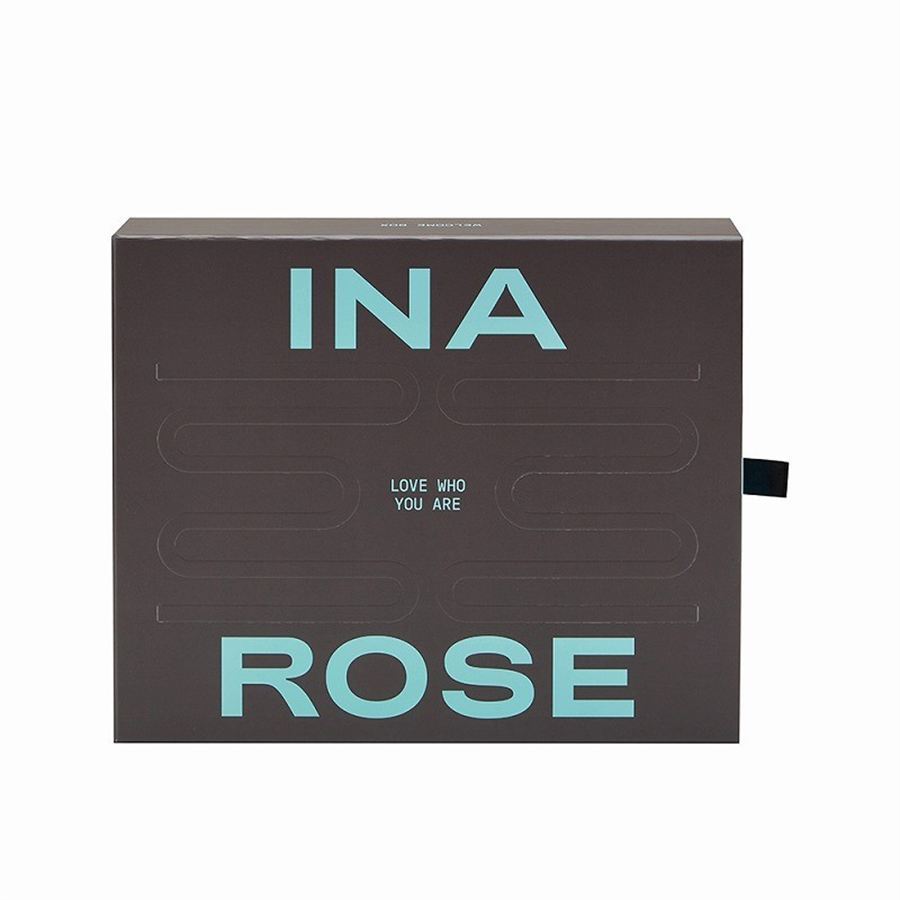
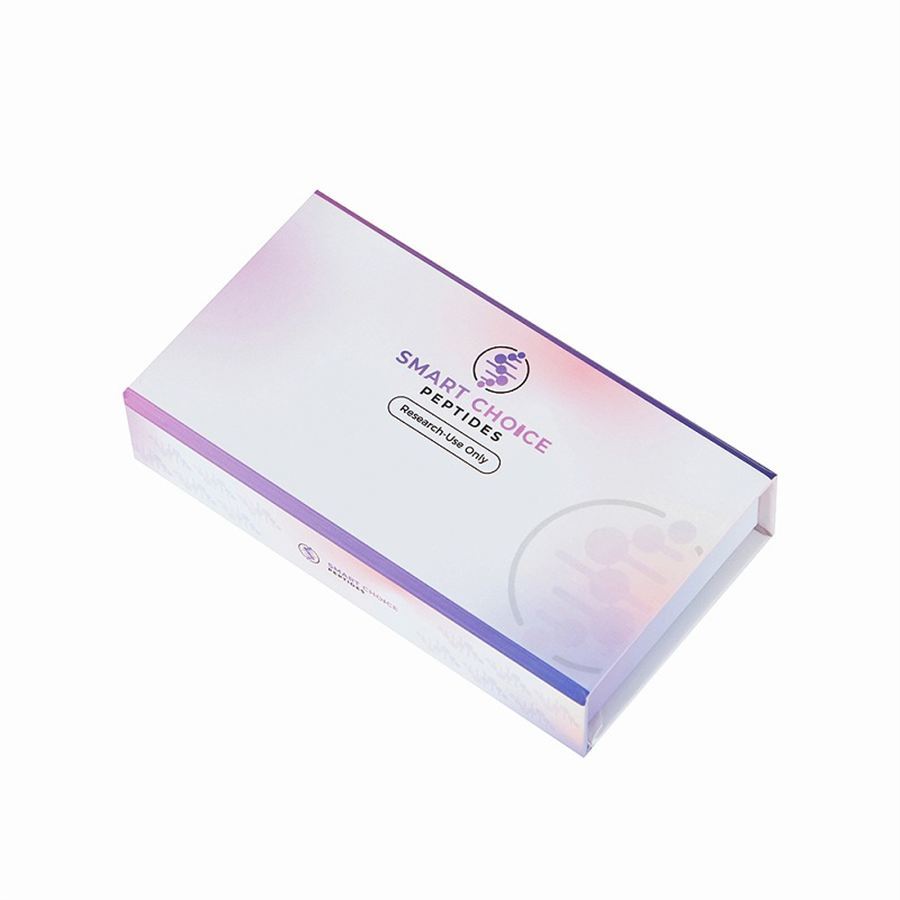
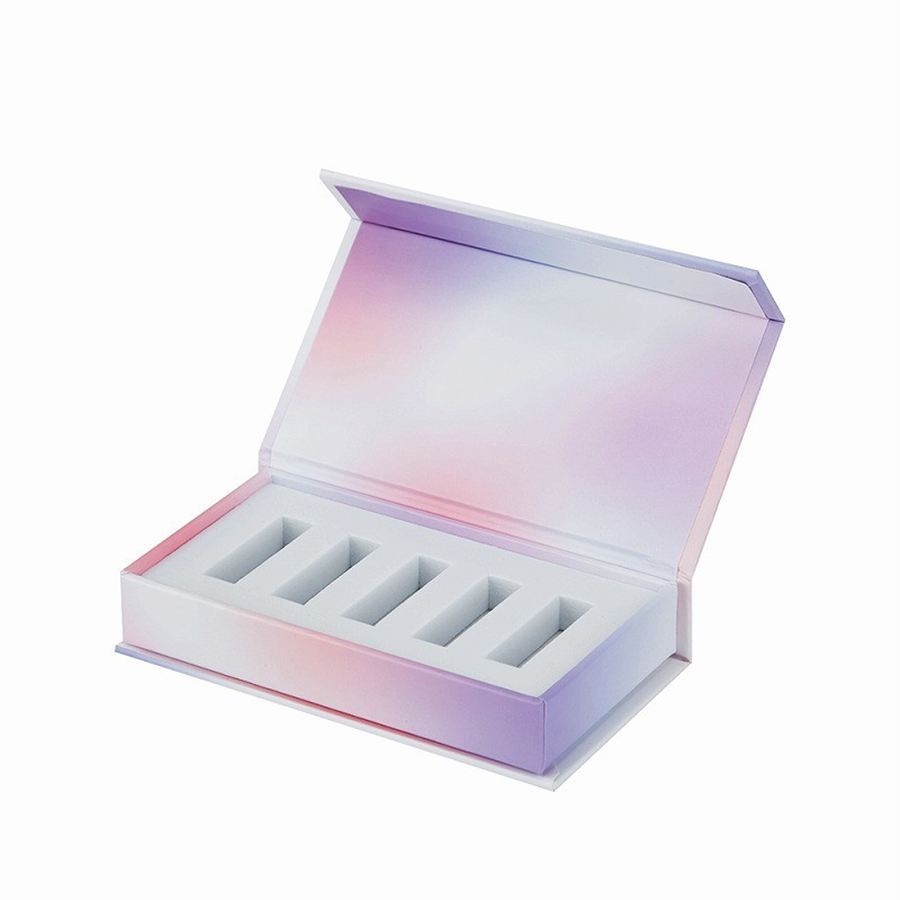
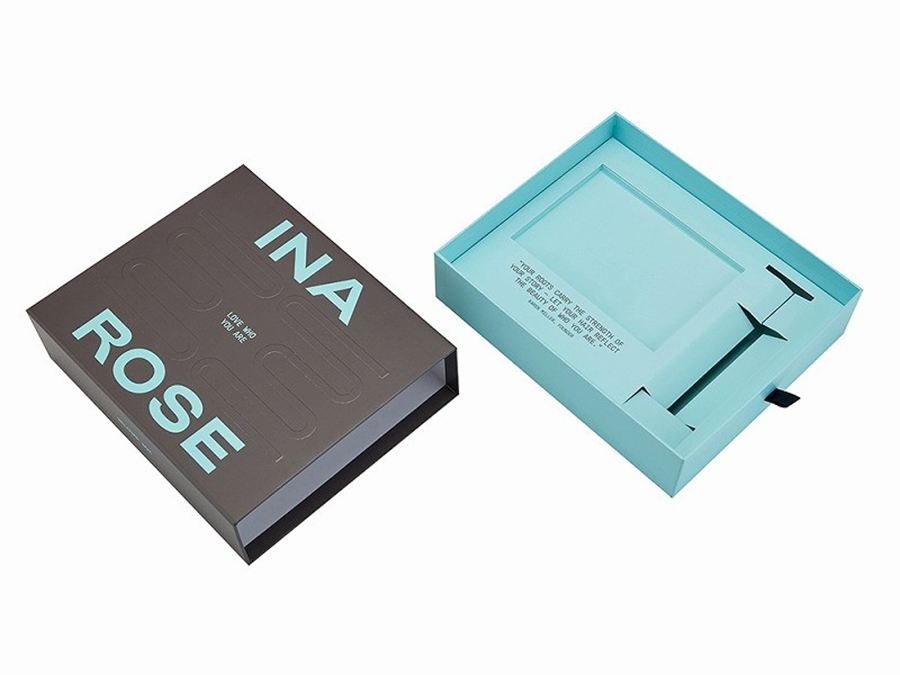
Custom cosmetic packaging boxes do more than keep a serum bottle safe. They set the tone for the whole brand: the weight of the lid, the paper you can feel with your thumb, the soft click of a magnetic closure. Get those details right and a skincare product feels considered before anyone opens it. Get them wrong and even a good formula feels ordinary on the shelf. We build rigid boxes and folding cartons for skincare and makeup brands every week, so this guide covers what actually matters: box styles, board and paper, finishing, inserts, cost drivers, and the questions to ask a supplier. Read it once before you brief anyone — it will save you a round of samples. Custom cosmetic packaging boxes are paper boxes built around your product, not picked from a catalogue. The dieline, board, wrap paper, print, surface finish and inner insert are all specified for your bottle, jar or palette. Primary packaging The container touching the product: serum bottle, cream jar, lipstick tube, compact. Secondary packaging The box around the container: folding cartons, rigid boxes, gift boxes. This is where the brand lives. A separate lid and base, both built from grey board and wrapped in printed or fancy paper. It is the classic premium format: simple, sturdy, and it makes a cream jar feel like a gift. Because lid and base are made separately, dimensions can be tuned so the lid lifts with a gentle air cushion instead of sliding loose. A hinged lid with concealed magnets inside the board. The lid swings open smoothly and holds shut until you pull it — the go-to for launch kits, influencer PR boxes and limited editions where the reveal is part of the campaign. Inside printing is used far more often here than on any other structure, because the lid interior is the first thing a customer sees. An inner tray slides out of an outer sleeve, usually with a ribbon pull. Drawer boxes feel like opening a jewellery case and keep small items — ampoules, samples, accessories — in a neat row. The box opens like a hardcover book, with a hinged spine and a printed interior. Brands use them when packaging has to tell a story: a founder letter, a routine guide, a booklet tucked into a pocket inside the cover. A 30 ml dropper bottle and a 200 ml cream jar behave very differently in a box. The bottle needs a narrow, deep cavity so it cannot tip; the jar needs a wider recess with clearance for the label. Palettes need a flat tray with a lip, and anything with a pump needs headroom so the pump is not pressed down in transit. Grey board — also called chipboard or duplex grey board — is the thick inner layer that gives a rigid box its shape and weight. Cosmetic boxes usually run from 1.5 mm to 3 mm depending on size and product weight. A heavier board reads as more expensive but costs more to ship, so test one or two thicknesses. C1S art paper (coated one side) is the standard wrap for a printed rigid box: bright, smooth and reliable for fine type and colour matching. C2S art paper is used when the inside face also needs printing. Art paper takes foil and varnish well, which is why most full-colour cosmetic boxes start here. Recycled grey board and moulded pulp inserts are increasingly requested. Be careful with claims: recyclability depends on everything in the box — laminating film, magnets, foam, adhesives. Ask for material declarations and check what your local recycling stream accepts. Paper-based does not automatically mean kerbside-recyclable. Finishing is where a good box becomes memorable: pick one dominant effect and one supporting effect. A heated die presses foil into the paper. Gold, silver, rose gold and holographic foils are used for logos and product names, and they read best on matte paper or a dark wrap. Keep foil off sharp fold lines — it cracks there under repeated handling. Embossing raises a shape above the surface; debossing presses it in. Both create a tactile cue that photographs badly and feels brilliant in the hand. Blind debossing — no foil, no ink — is the quietest premium move available. Matte lamination looks modern; gloss stays the traditional high-shine option; soft-touch adds a suede-like feel but shows fingerprints, so it is often reserved for gift packaging. Spot UV adds a glossy hit to selected areas only, making a logo catch the light against a matte background. Some combinations fight each other. Heavy foil over a deep emboss can pull the wrap; spot UV on heavily textured paper rarely registers cleanly; soft-touch on dark board shows every handling mark. If you want a deep emboss and a fine foil line, expect two passes and ask for a sample before tooling. Die-cut paperboard, sometimes folded into an accordion or grid, is the most economical option and fully paper-based. It suits light items unpacked by hand; thin paperboard alone will not protect a heavy glass jar through a parcel network. EVA foam is die-cut to hold each bottle or compact in a shaped cavity, and can be laminated with velvet or fabric. It is the standard choice for premium gift sets with mixed products. Ask how the foam is fixed into the box and how it is separated at end of life. A fabric-wrapped insert gives the inside a jewellery-box feel, usually reserved for the top tier. For brands moving away from foam, moulded pulp and folded corrugated cradles are the paper alternative. Most breakage comes from three things: the product shifts inside the insert, the box crushes, or the shipper is under-specified. Collect product facts Dimensions, weight, quantity per box, photos of the cap and pump. For gift sets, list every item. Choose structure and board Pick the style, board thickness, wrap paper and insert against presentation goal and budget. Set artwork and finishes Share logo, brand colours and copy; agree print method, foil areas, emboss depth and coating. Approve a physical sample Check fit, lid action, colour against reference, and how the insert holds the real product. Lock production and QC Confirm sample, artwork, material spec, quantity, packing and inspection plan — then produce. That single paragraph beats ten rounds of "how much for a cosmetic box?" — and it is the fastest route to a sample that is actually close. Two boxes the same size can differ in price by 40 percent or more. The difference is almost always in the specification. Structure and size Bigger boxes use more board. Magnets, hinges, drawers and ribbons add assembly steps. Board and paper Thicker grey board and premium wraps raise unit cost; fancy paper may have minimum purchase quantities. Printing and finishing Each finishing pass — foil, emboss, spot UV — is a separate run through the plant, plus tooling. Inserts and quantity EVA and fabric inserts cost more than paperboard, and every cavity adds cutting and assembly. Setup cost spreads as volume rises. A good supplier reduces risk; a poor one turns every launch into a rush. Five checks before you commit: Ask for the inspection plan in writing. On a cosmetic box we check dieline dimensions, lid-to-base fit, colour against the approved sample, foil coverage, emboss depth, glue marks, scratches and insert fit. Cartons are packed with interleaving so the finish arrives the way it left the line. For repeat orders, keep the approved sample and material spec on file — the only reliable way to keep batch two identical to batch one. For most skincare and makeup brands a lid-and-base rigid box is the safest premium choice. Gift sets suit magnetic closure boxes; discovery sets work well as drawer or book-style boxes. Product dimensions and insert design should decide it. Grey board forms the core of rigid boxes, wrapped in C1S or C2S art paper, fancy paper, pearl paper or leatherette. Inserts use paperboard, EVA foam, moulded pulp or fabric-wrapped board. Folding cartons typically use CCNB or kraft board. Yes. Depending on the wrap, a logo can be printed, foil stamped, embossed or debossed. Blind deboss and single-colour foil are usually the most effective for skincare. Size, structure, board thickness, paper grade, printing, finishing passes, insert material and quantity. Shipping configuration matters too, because rigid boxes take freight space when shipped assembled. Send product dimensions and photos, the box style you like, estimated quantity, artwork and destination country. Your supplier will propose a structure, make a sample, and confirm specifications before production. DHP Boxes is a packaging manufacturer in China building rigid boxes and premium gift packaging, with OEM/ODM support from structural design through to inspected production. On cosmetic projects one team handles the dieline, paper selection, finishing and insert, so the parts fit together. Great cosmetic packaging is a set of small decisions that agree with each other: the right structure, a board heavy enough to feel considered, one confident finish, and an insert that protects without showing off. Decide those four things and the rest of the project becomes straightforward. Explore our Cosmetic Packaging Boxes or send us your product details and we will come back with a structure and a quote.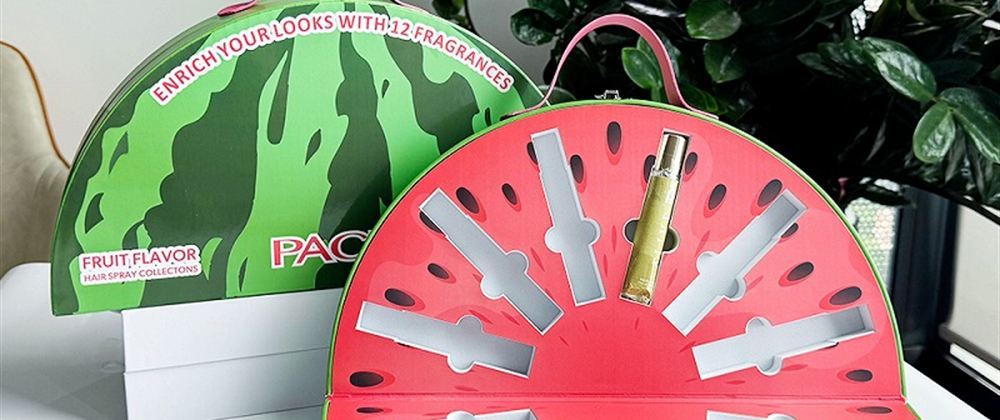
Custom cosmetic packaging boxes, explained plainly
When custom paper boxes are worth the investment
Choosing the right cosmetic box style
Lid-and-base rigid boxes
Magnetic closure boxes
Drawer boxes and sleeve boxes
Book-style boxes
Matching the structure to the product
Best materials for cosmetic packaging
Grey board for the structural core
C1S and C2S art paper for the wrap
Recycled board and paper inserts
Printing and finishing that lift a box
Foil stamping
Embossing and debossing
Lamination, soft-touch and spot UV
A finish plan that holds up in production
Custom inserts: protecting the product and the layout
Paperboard inserts
EVA foam inserts
Velvet, fabric and moulded pulp
Custom inserts: protecting the product and the layout
Protecting glass in transit
How a custom cosmetic box project runs
Five steps, in order
What to send in the first email
What drives the cost of a custom cosmetic box
Choosing a cosmetic packaging manufacturer
Quality control in plain terms
Questions we get asked most
What is the best box style for luxury cosmetics?
What materials are used for custom cosmetic packaging boxes?
Can cosmetic boxes be customised with a logo?
What affects the cost of a custom cosmetic box?
How do I order custom cosmetic packaging?
Why brands work with DHP Boxes
Final takeaway
