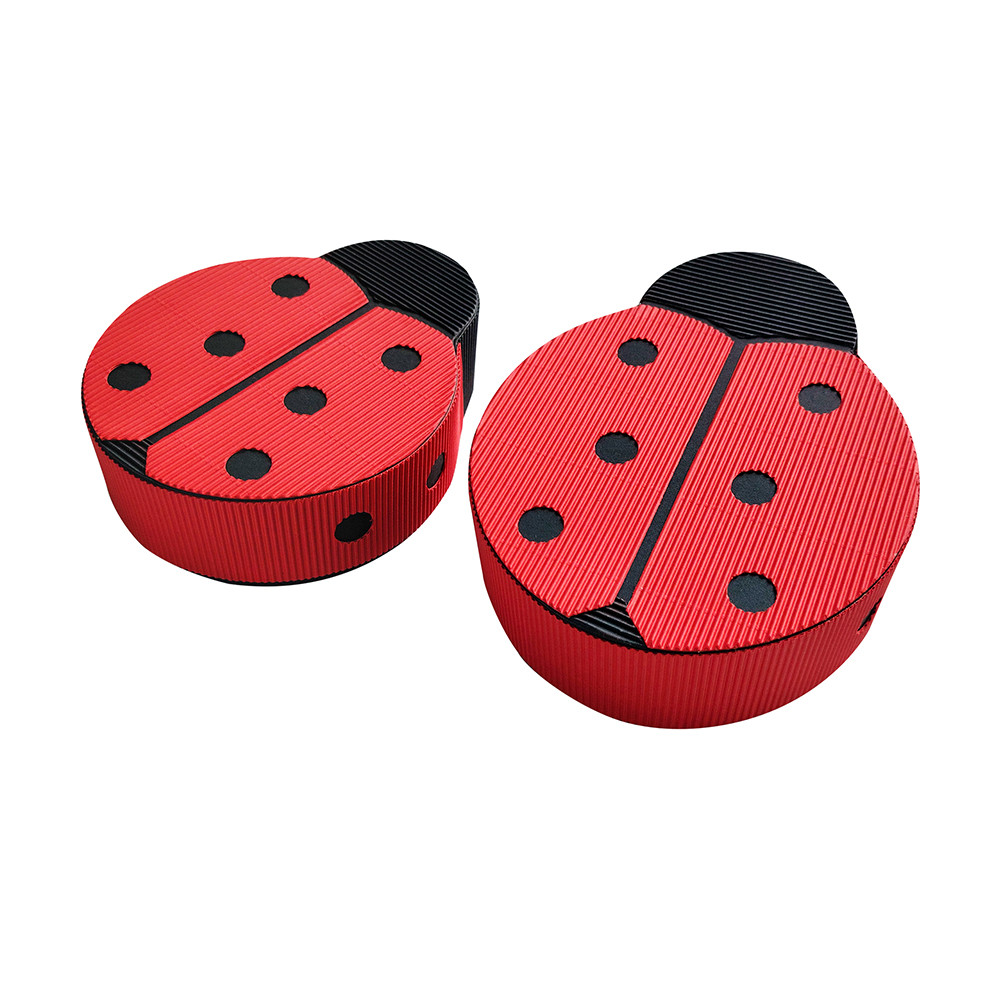
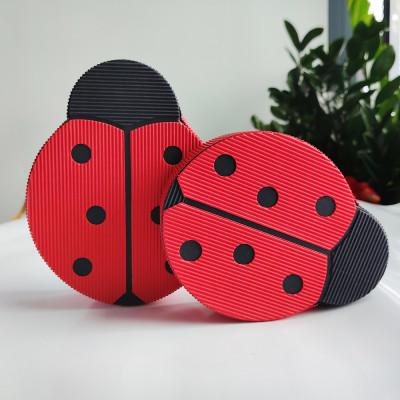
Feeding a non-linear structure into a standardized, highly automated assembly line carries extreme probabilities of failure. Proceeding without front-end engineering intervention would have triggered the following critical defects:
· Structural Flute Crushing: The premium value of corrugated material relies entirely on its vertical fluting. Standard pneumatic pressing equipment applies omnidirectional force designed for flat planes. Applying this to a radial surface guarantees flute collapse, immediately destroying the tactile profile and perceived brand equity.
· Substrate Memory & Shear Stress: High-grammage corrugated media inherently resists curvature. Forcing it over a dome geometry generates massive shear stress at the apex. This "material memory" drastically increases the risk of edge-lifting, surface wrinkling, or complete delamination.
· Tolerance Stack-Up & Shifting: Irregular geometries suffer from lateral instability. Even minor die-cutting deviations will result in a loose mating between the lid and base, creating a cheap, "wobbly" user experience.
· Contamination Susceptibility: Dark, deeply textured substrates act as traps for airborne manufacturing particulates, presenting a massive cosmetic risk.
Our Packaging Solution
Confronted with the physical incompatibility of the substrate and the geometry, DHP Factory suspended standard automated SOPs. We replaced rigid mechanical pressing with targeted physical variable control to neutralize the manufacturing risks.
Variable-Tension Lamination Protocol:
To preserve the flute integrity, we completely bypassed high-pressure automated rollers. Instead, trained technicians executed targeted pressure application strictly along geometric seams and underlying anchor points. This localized tensioning secured the substrate firmly to the chassis without compressing the primary visual surfaces, perfectly preserving the volumetric loft of the corrugation.
Rheological Adhesive Calibration:
Bonding porous, thick materials to curved surfaces inevitably causes adhesive displacement (squeeze-out). We recalibrated the digital micro-dispensers using an adhesive with highly specific rheological properties (low initial flow, high final tack). By calculating the exact absorption coefficient of the corrugated liner, we eliminated capillary action, preventing any glue residue from bleeding into the flute grooves or structural junctions.
Tolerance Mitigation & Electrostatic Defense:
To address the inherent instability of dome closures, we performed rigorous calibration on our CNC die-cutting equipment. We suppressed the mating tolerance between the lid and base to an absolute minimum, engineering a friction-fit closure with zero lateral play. Furthermore, 100% of the units were subjected to High-Pressure Ionized Air Dusting to neutralize electrostatic charges before being isolated in acid-free tissue, intercepting dust accumulation during global transit.