
The Luxury Turn: How Premium Brands Redefine 3ml Peptide Vial Packaging into High-End Unboxing Experiences
A practical guide for peptide, skincare, aesthetic, wellness, and laboratory brands choosing rigid boxes, protective inserts, premium finishes, and production-ready specifications for small glass vials. Small glass vials create a packaging challenge that standard folding cartons do not always solve. Their compact size makes them easy to display, but it also allows unwanted movement when the cavity, neck support, or finger clearance is not engineered correctly. For a premium peptide vial packaging project, the box normally needs to perform four jobs at the same time: The insert should hold each vial securely without making removal difficult or damaging the label. Vials, instruction cards, droppers, pens, or accessories should have clearly defined positions. A precise layout, balanced spacing, and refined finishes help communicate quality without looking overly decorative. A well-designed glass vial packaging box also reduces the risk of inconsistent presentation after transportation. The objective is not simply to make the box look luxurious; it is to create a repeatable packing system that works efficiently during assembly, inspection, shipping, and final use. The best structure depends on vial quantity, accessory layout, target price, storage space, and the intended unboxing sequence. For most premium projects, three rigid-box formats are especially practical. For more information about rigid hinged structures, review DHP Boxes’s custom magnetic gift box options. The insert is the most important functional component in a custom vial box. Material selection should be based on protection level, appearance, sustainability targets, packing speed, and whether the insert must hold items with different shapes or heights. Whenever possible, send physical vials and accessories to the packaging manufacturer before the final sample is approved. A drawing is useful for initial engineering, but a physical fit test can reveal label friction, cap variation, removal difficulty, and tolerance issues that are easy to miss on screen. Finishing should create hierarchy, not visual noise. On small-vial packaging, the most effective designs usually combine a restrained color palette with one or two tactile or reflective details. DHP Factory can coordinate rigid-box construction, printed wrapping paper, custom inserts, and finishing through one sampling process. Related structures can also be adapted from our custom cosmetic packaging box range. A premium presentation box protects against movement, abrasion, and ordinary handling, but it should not be treated as a substitute for a validated temperature-control shipper. When a product requires refrigerated or temperature-controlled distribution, the secondary gift box must be designed to fit inside the approved thermal packaging system. Before finalizing dimensions, confirm: For direct-to-customer shipping, a rigid presentation box usually still benefits from a fitted corrugated mailer or protective outer carton. This helps preserve corners, surface finishes, and the final unboxing appearance. Many packaging delays begin with incomplete specifications rather than manufacturing itself. A clear brief allows the structural engineer to evaluate fit, materials, assembly, and cost before artwork is finalized. Custom vial packaging works best when structural engineering begins before final artwork. DHP Factory supports brands through a staged development process designed to reduce fit problems and unnecessary revisions. Provide vial dimensions, quantities, accessories, reference images, preferred box style, target order quantity, and delivery market. The box size, insert layout, opening method, material combination, and estimated packing method are reviewed before artwork placement. A prototype allows the brand to evaluate fit, product removal, color, finishing, opening resistance, and the overall presentation. Final artwork, color references, material specifications, inspection criteria, carton packing, and shipping marks are confirmed before mass production. For the most accurate quotation, include clear photos and dimensions of every component. Physical samples are recommended when the vial cap, label, or accessory shape includes small tolerances. High-density EVA is a strong choice for premium protection and precise cavities. PET or HIPS blister trays are useful for repeatable molded layouts, while paperboard and molded pulp support plastic-reduction goals. The best option depends on vial fragility, appearance, quantity, and packing method. Yes. A custom insert can create separate cavities or layers for each approved component. The supplier needs exact dimensions and preferably physical samples to calculate spacing and safe removal. A magnetic book-style box provides a large presentation area and space for instructions. A drawer box is useful when vials and accessories need separate layers. A shoulder-neck box works well for a simpler, high-end display. Fiber-based rigid boxes, paperboard inserts, and molded pulp trays can reduce plastic use. Actual recyclability depends on material combinations, laminations, adhesives, local collection systems, and the requirements of the destination market. No. A retail or presentation box can control movement and improve handling, but temperature-sensitive products should use an independently validated thermal shipping system specified by the product owner or logistics provider. Provide the vial and accessory dimensions, quantity per box, preferred box structure, insert material, printing and finishing requirements, order quantity, shipping destination, and any required testing or documentation. Send DHP Factory your vial dimensions, product photos, quantity, preferred box style, and finishing references. Our team can develop a custom rigid box and fitted insert for your peptide, skincare, aesthetic, or laboratory product presentation. Packaging suitability, labeling, product compatibility, transport validation, and regulatory compliance remain subject to the brand owner’s product requirements and destination-market rules.Custom 3ml Vial Packaging: How to Protect Glass Vials and Create a Premium Brand Experience
Why 3ml Vials Need Purpose-Built Packaging
Control Movement
Separate Components
Support Brand Value
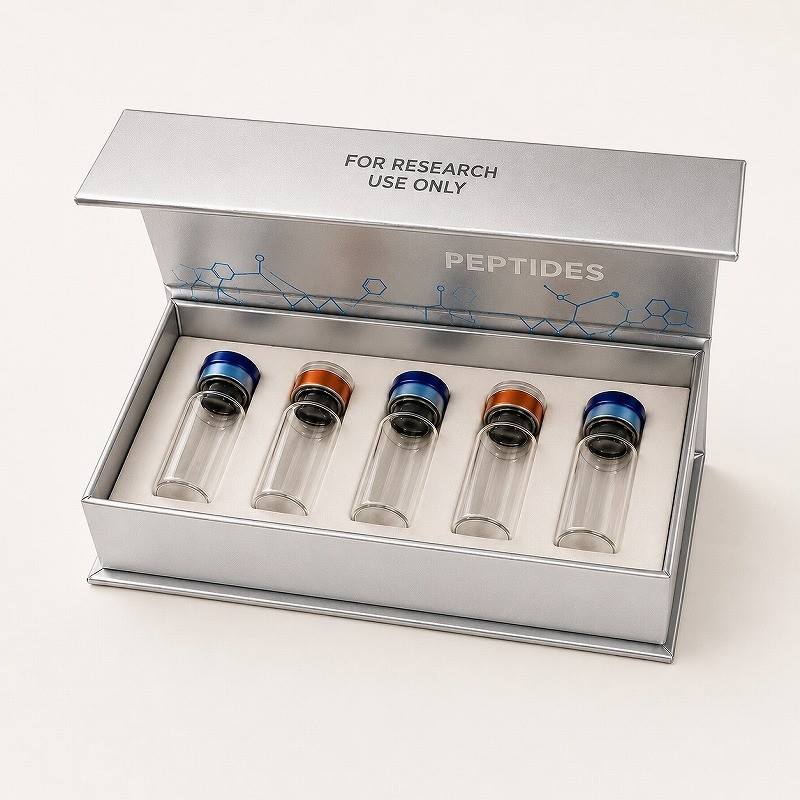
Premium magnetic rigid box with a fitted insert holding multiple 3ml glass vials, photographed on a clean clinical-luxury background.Choosing the Right Box Structure for 3ml Vials
Box Structure
Best For
Main Advantages
Points to Confirm
Magnetic Book-Style Box
Premium kits, treatment sets, multi-component presentations
Large printable area, controlled reveal, strong brand presence, space for an instruction pocket
Magnet position, lid resistance, hinge durability, accessory clearance
Drawer Box
Multi-vial courses, refill systems, layered accessory sets
Compact presentation, smooth opening action, easy separation of upper and lower layers
Drawer pull direction, ribbon strength, sleeve tolerance, anti-slide design
Shoulder-Neck Box
Minimalist luxury packaging and high-visibility vial display
Strong structural feel, clean lid-to-base gap, elevated product presentation
Neck height, lid fit, opening resistance, insert depth
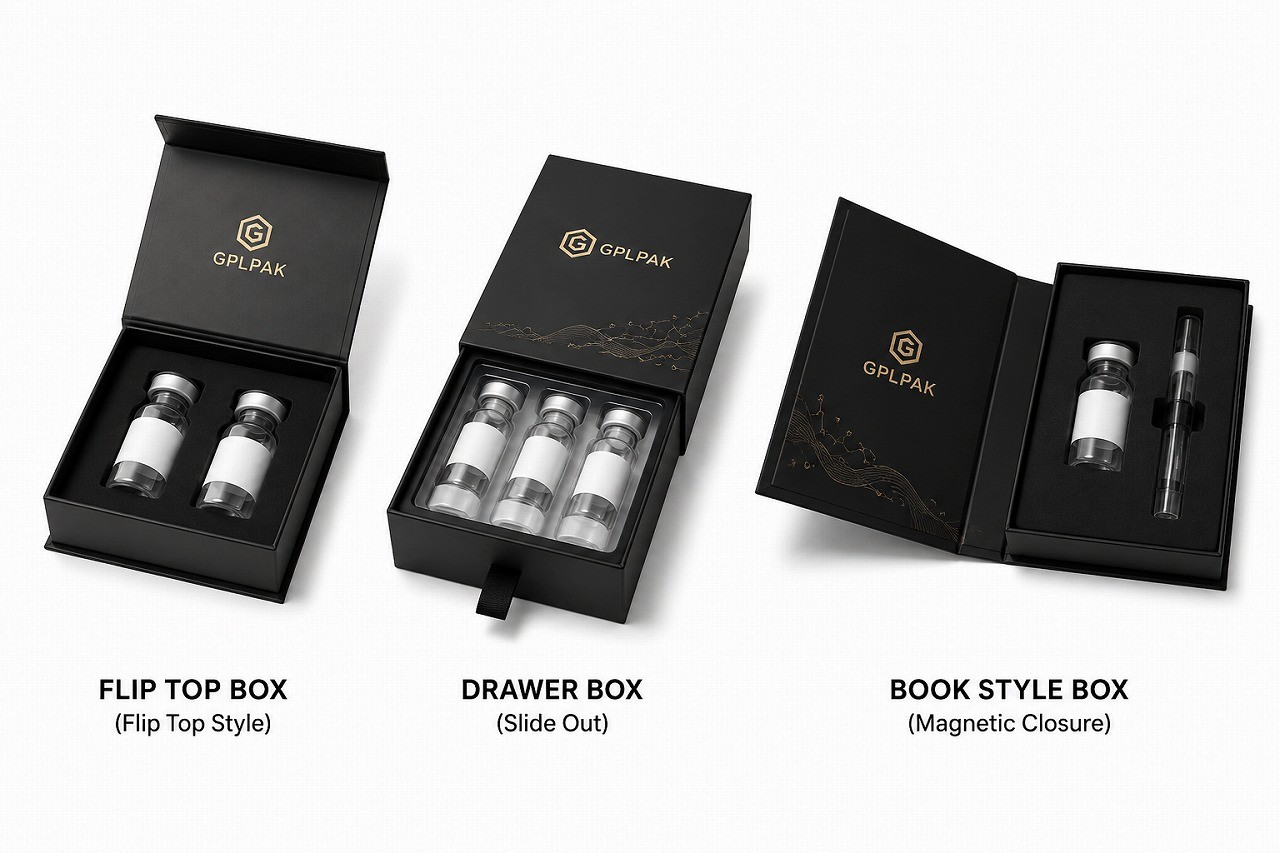
Open double-tier drawer box showing separate cavities for 3ml vials and accessories, with the drawer pulled out approximately one-third.How to Select a Protective Insert for 3ml Glass Vials
Insert Material
Protection & Fit
Appearance
Best Application
High-Density EVA Foam
Strong cushioning and precise cavity control; suitable for fragile glass components
Can be laminated with velvet, flocked fabric, specialty paper, or printed card
Luxury rigid vial boxes and kits requiring a secure friction fit
PET or HIPS Blister Tray
Consistent molded cavities, efficient packing, and good visibility when transparent PET is used
Clean, technical, and suitable for high-volume repeatability
Multi-vial layouts, standardized filling lines, and projects needing precise molded shapes
Paperboard Insert
Folded supports and partitions can prevent direct contact while remaining lightweight
Fully printable and easy to coordinate with the outer box design
Plastic-reduction projects and cost-conscious premium presentations
Molded Pulp Tray
Custom-molded support with a natural surface and good component separation
Organic, understated, and aligned with many sustainability-led brand systems
Brands prioritizing fiber-based materials; recyclability depends on coatings and local facilities
Measurements Your Supplier Needs
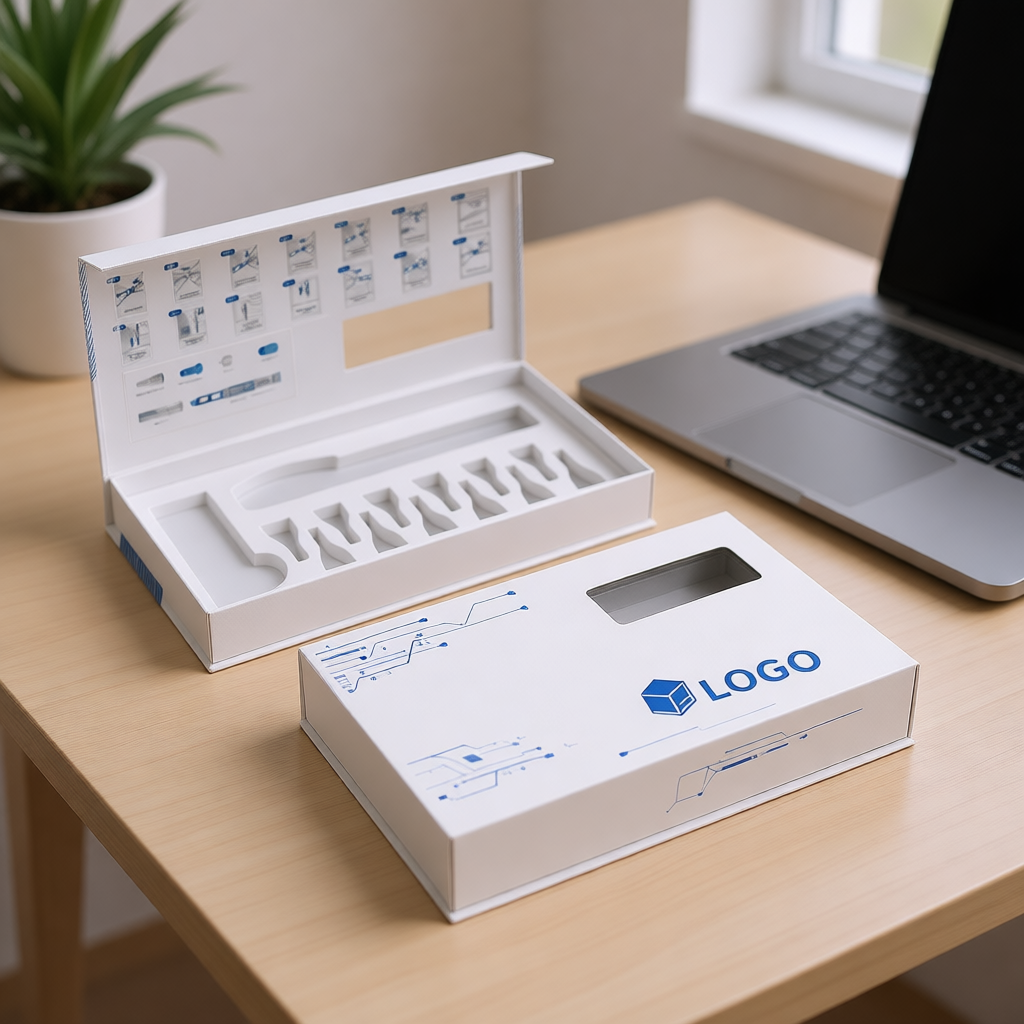 Material comparison showing EVA foam, flocked blister, paperboard insert, and molded pulp tray made for small glass vials.
Premium Finishes That Support a Clinical-Luxury Design
Shipping and Cold-Chain Considerations
A Production-Ready Checklist for Custom Vial Boxes
Common Design Mistakes to Avoid
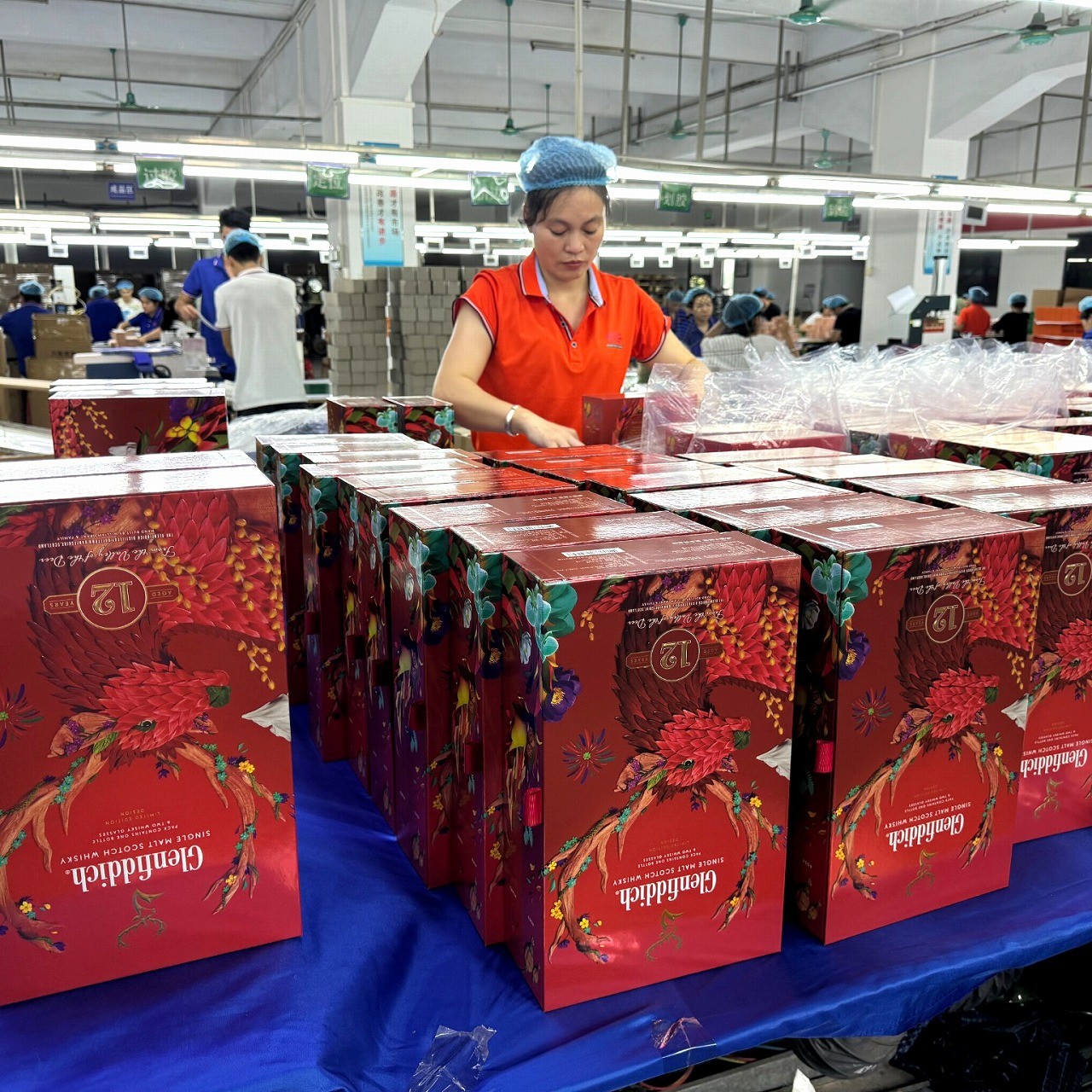 Close-up manufacturing image showing precision die-cut inserts, rigid-box assembly, foil stamping, and quality inspection.
A Practical Sourcing Process with DHP Factory
Share Product Details
Confirm the Structural Proposal
Develop a Physical Sample
Approve Production Standards
Frequently Asked Questions About 3ml Vial Packaging
What is the best insert for 3ml glass vials?
Can one box hold vials, syringes, droppers, or instruction cards?
Which box style is best for a multi-vial treatment set?
Can custom vial packaging be made with recyclable materials?
Does the rigid vial box replace cold-chain shipping packaging?
What information is needed for a custom quotation?
Start Your Custom 3ml Vial Packaging Project
