
Where to Buy Sushi Pusher Packaging Boxes in Bulk: Supplier Checklist & RFQ Template
B2B Guide • Food Packaging Engineering
Where to Buy Sushi Pusher Packaging Boxes in Bulk: Supplier Checklist & RFQ Template
Looking for a reliable source of sushi pusher packaging boxes (push-up sushi tubes / push-pop sushi packaging) for takeaway, delivery, or retail? This guide explains what to buy, what to verify (food contact, sealing, print quality), and how to select a manufacturer for consistent bulk supply.

Choose correctly
Pick the right tube size, push-up base, and sealing method for your sushi roll.
Protect freshness
Understand moisture/grease control and how to prevent soggy paperboard.
Brand better
Get high-quality printing that looks premium and stays consistent across batches.
Buy smarter
Use a supplier checklist and RFQ template to source safely at scale.
1) What is sushi pusher packaging (and why it’s trending)
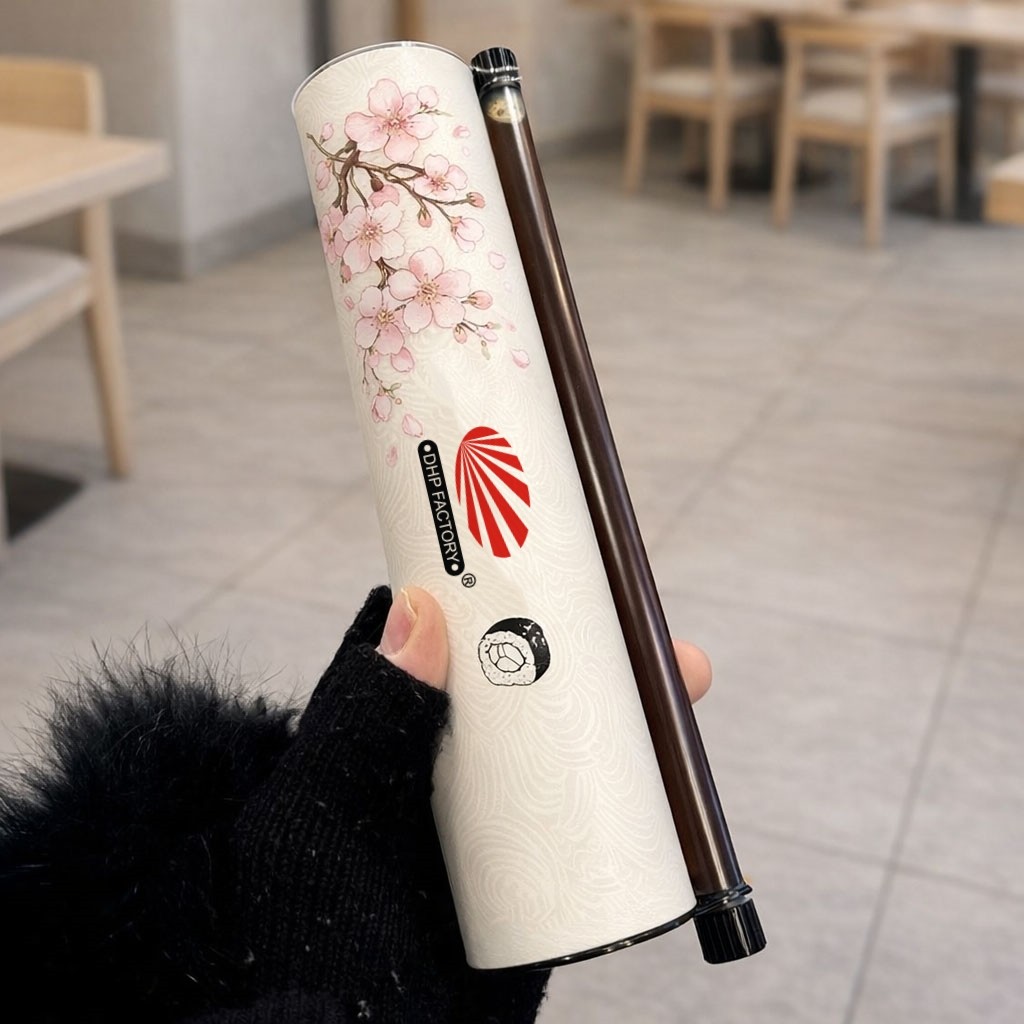
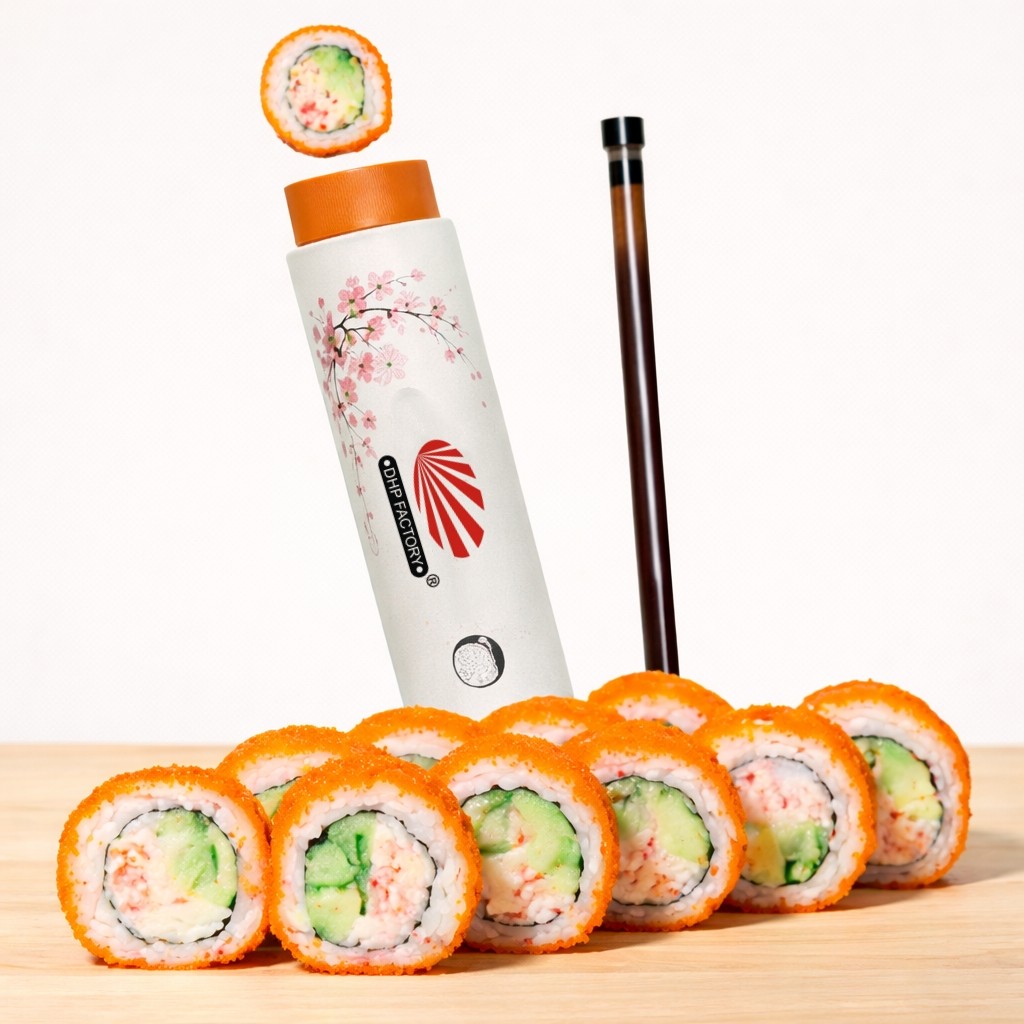
Sushi pusher packaging is a rigid tube-style container with a push-up base. Instead of opening a flat lid, the consumer gently pushes from the bottom so the sushi roll rises upward for clean, convenient eating. This format is popular for modern sushi concepts because it combines portion control, hygiene, and strong shelf presence.
✓Buyer-friendly definition
“Sushi pusher packaging box” usually refers to a paperboard tube (often with an inner lining) + push-up base + optional sealing film or lid. It is designed to protect the roll, improve handling, and create a memorable unboxing moment.
2) Why brands switch from trays to push-up tubes
Traditional sushi trays work well for dine-in and short transport, but they can be inconvenient for “eat-on-the-go” moments. Push-up tubes solve several practical issues while also creating a differentiated brand experience.
| Buyer goal | How pusher packaging helps | What to verify |
|---|---|---|
| Cleaner eating experience | Push-up base reduces hand contact and makes eating easier in public settings | Smooth push travel, stable base, no sticking |
| Better product protection | Tube structure protects the roll from side pressure and handling | Tube rigidity, crush resistance, edge quality |
| Stronger branding | 360° printing offers high visibility and brand recall | Color consistency, seam alignment, surface finish |
| Premium positioning | Novel packaging increases perceived value | Material feel, print detail, clean opening |
!Reality check
The tube format is a strong marketing tool, but only if it performs in real conditions: moisture, cold chain, and delivery vibration. That’s why verifying materials and sealing is just as important as graphics.
3) Food-grade requirements and material choices
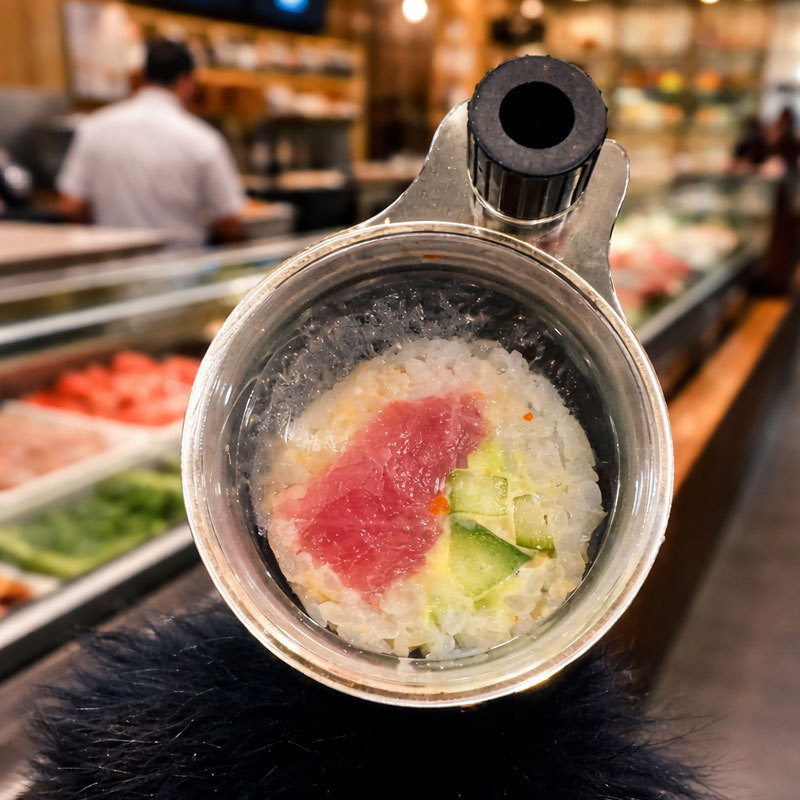
Sushi is moisture-sensitive and often includes sauces, oils, and cold ingredients. A bulk purchase should focus on food contact safety and barrier performance as much as appearance. Paperboard tubes typically require an inner layer to resist moisture and grease migration.
✓What “food-grade” means in practice
- Food contact-safe materials for any surface that may touch the sushi or inner wrap.
- Moisture/grease resistance so the tube stays firm and clean during use.
- Odor neutrality so packaging does not affect food aroma.
- Stable push-up mechanism that moves smoothly without contaminating the product.
If you’re building a complete branded packaging system, explore Custom Packaging Boxes for related structures and options.
4) Key specs to confirm before bulk purchase
Bulk sourcing becomes expensive when specifications are unclear. Before you place a large order, confirm the details below on the approved sample sheet. This helps prevent mismatches in size, printing, sealing performance, and packing efficiency.
| Spec area | What to define | Why it matters |
|---|---|---|
| Size | Tube inner diameter, outer diameter, height, push-up travel distance | Fit, presentation, and user experience depend on correct sizing |
| Barrier | Inner lining type, moisture resistance level, grease resistance | Prevents softening, warping, and staining |
| Sealing | Top closure style (film seal, lid, tear strip), leak control approach | Supports freshness and safer delivery handling |
| Push-up base | Base material, friction fit, smoothness, stability | Too tight causes sticking; too loose causes instability |
| Printing | Artwork placement, seam alignment, color standard, finish | Brand consistency across batches and markets |
| Packaging logistics | Units per carton, carton size, packing method | Controls freight costs and prevents transit deformation |
✓Best practice
Approve a pre-production sample that matches your final materials, lining, printing, and sealing method then lock those details for mass production.
5) Where to buy sushi pusher packaging boxes
For B2B buyers, the most reliable path is typically to source directly from a manufacturer that can handle: tube production, food packaging requirements, and custom printing. This approach gives you better control over performance and consistency than purchasing generic stock items.
✓Supplier selection checklist (what to ask)
- Do you have proven experience producing paper tubes with a stable push-up base?
- Can you provide a food-safe material solution suitable for moisture and oils?
- Do you support custom size and 360° printing with color control?
- Can you recommend a sealing method and provide bulk packing guidance?
- What quality checks ensure consistent fit between tube and base across batches?
DHP Boxes is one of the leading suppliers for custom packaging projects, supporting brands with sampling, specification validation, and scalable production for international orders. If you’re launching sushi pusher packaging or upgrading from trays, our team can help you choose a production-safe structure and create a brand-ready design.
Start your request through Contact or review common buyer questions in our FAQ.
6) Customization options: size, printing, and functional add-ons
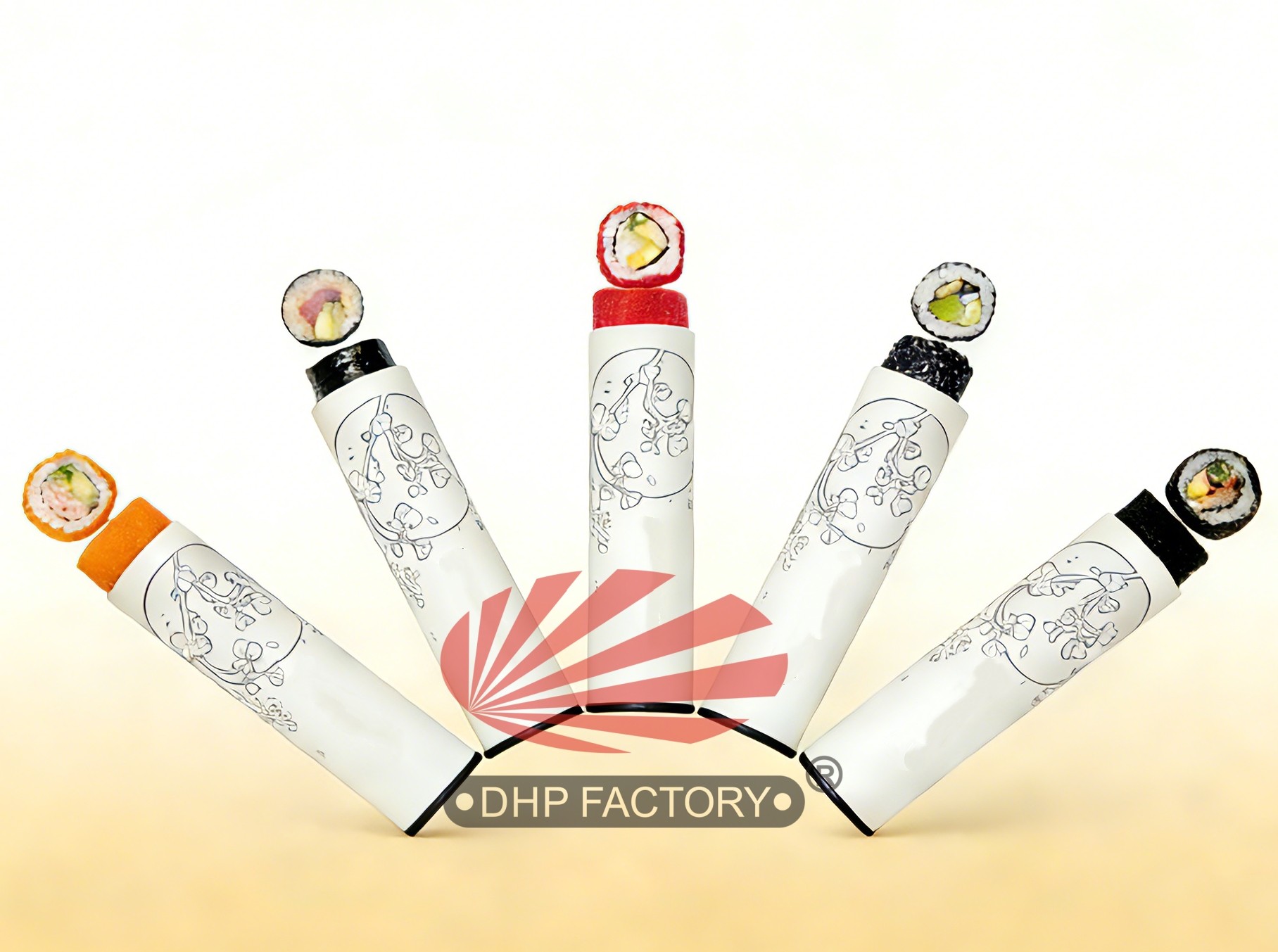
Sushi pusher packaging is most effective when it matches your roll size and brand identity. Beyond basic printing, you can customize the tube for better functionality and a more premium feel.
Adjust diameter/height to match your menu. Fine-tune push-up smoothness and base stability for better customer experience.
Use full-wrap printing, premium finishes, and controlled color output to keep your packaging consistent across multiple batches.
| Customization | What it does | When to use it |
|---|---|---|
| Full-wrap artwork | Maximizes brand exposure and recognition | Retail shelves, social media-driven brands, premium takeaway |
| Moisture/grease barrier upgrade | Improves structure stability and cleanliness | Sauces, high-moisture ingredients, longer holding time |
| Easy-open top solution | Cleaner opening and better freshness control | Delivery, pre-packed sushi, refrigeration display |
| Functional add-ons | Improves convenience and kit presentation | Sauce accessories, promotional inserts, limited editions |
For brand-forward print options, see Custom Printed Packaging.
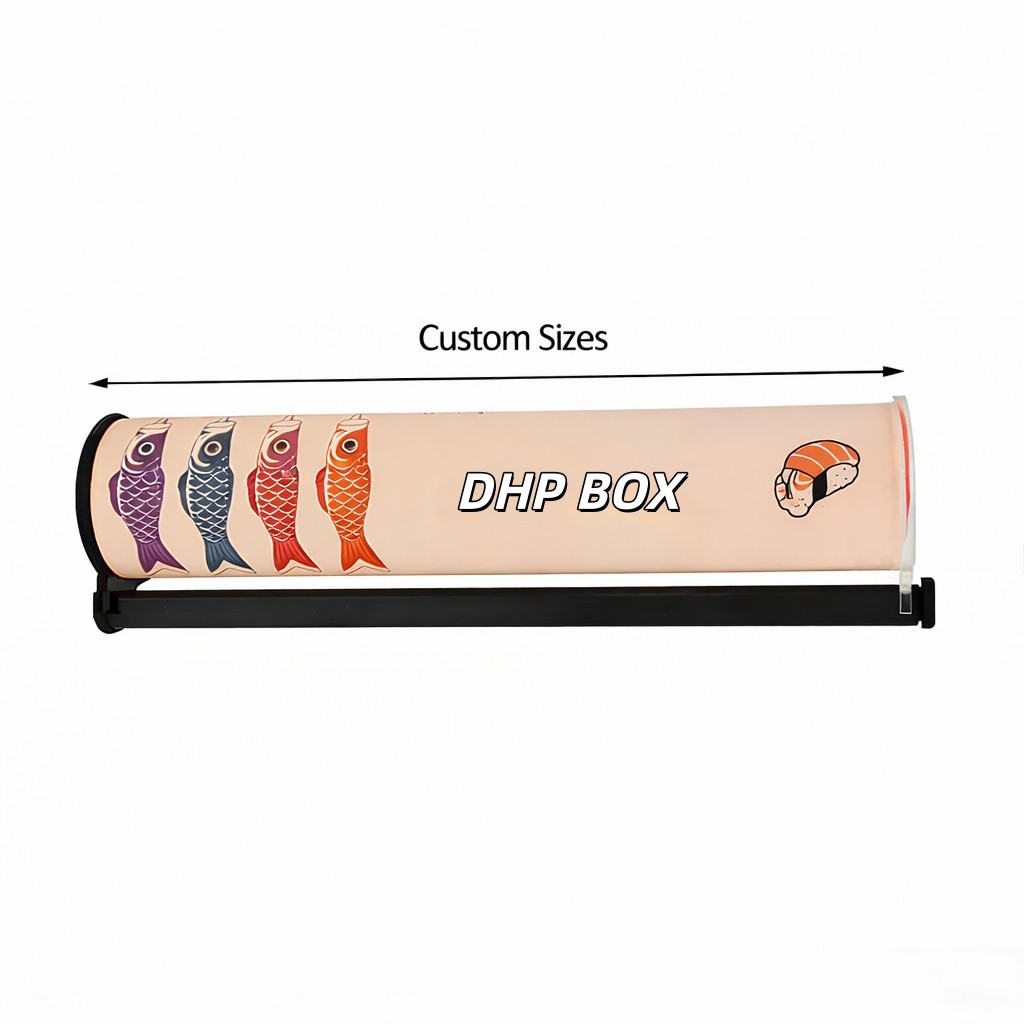
7) Takeaway & delivery performance: stability, sealing, and freshness
Sushi pusher packaging performs well for takeaway and delivery because the tube structure resists side pressure better than flat trays. However, performance depends on three practical variables: sealing, barrier, and packing method.
!Delivery risks to plan for
- Moisture migration can soften the tube if barrier is insufficient.
- Temperature shifts can cause condensation; sealing should protect presentation.
- Vibration can scuff or shift the roll if internal fit is too loose.
✓Practical performance tips
- Right-size the inner diameter so the roll sits stable without crushing.
- Choose an inner lining suitable for sauces and cold ingredients.
- Confirm a top closure that matches your operational workflow and freshness needs.
- Request a bulk packing plan to prevent deformation in cartons.
8) Factory-ready RFQ template (copy/paste)
Use this template to request accurate quotes and reduce back-and-forth. Clear specs lead to faster sampling and more consistent mass production.
Need a supplier recommendation for your sushi pusher packaging?
Share your roll size, target quantity, and preferred closure. DHP BOXES can propose a production-safe structure, lining solution, and print approach—then support sampling through mass production.
9) FAQs
What size sushi pusher packaging should I choose? ⌄
Start with your sushi roll’s real diameter and height after wrapping. Choose an inner diameter that holds the roll stable with minimal movement, then confirm tube height based on roll length and the top closure. Always validate with a sample before bulk production.
Is sushi pusher packaging safe for direct food contact? ⌄
It can be, depending on the materials and inner lining. Ask your manufacturer for a food-safe material solution suitable for moisture and oils, and confirm the packaging configuration used for food contact in your application.
Will the paper tube get soft from moisture? ⌄
A proper inner lining and sealing method help prevent softening. The best approach is to match barrier performance to your ingredients, sauces, and holding time—then run a real-condition test with samples.
How do I make the push-up base feel smooth and premium? ⌄
Smooth push depends on fit tolerance, base material, and inner wall finish. A reliable supplier will fine-tune the fit during sampling so the base moves cleanly without sticking or wobbling.
What’s the best way to source bulk orders without quality drift? ⌄
Approve a written spec sheet (dimensions, materials, lining, printing, closure, packing method) and confirm quality checkpoints with your supplier. Consistency comes from locking these variables before mass production.
10) Why DHP BOXES for sushi pusher packaging
Reliable sushi pusher packaging requires more than a nice design—it requires stable production, controlled fit between components, and food-appropriate material choices. DHP BOXES supports B2B buyers with custom packaging engineering, sampling validation, and scalable manufacturing for export markets.
✓What buyers value working with us
- Customization support from size selection to brand-ready printing
- Production-safe specs with clear dimensional control and QC checkpoints
- Practical guidance on sealing, barrier performance, and bulk packing
- One-stop process from prototype to mass production
Explore DHP BOXES, review FAQ, or submit your requirements via Contact.
