
Screen Printing vs Offset Printing for Packaging: Which Is Better for Custom Boxes?
What is Screen Printing?
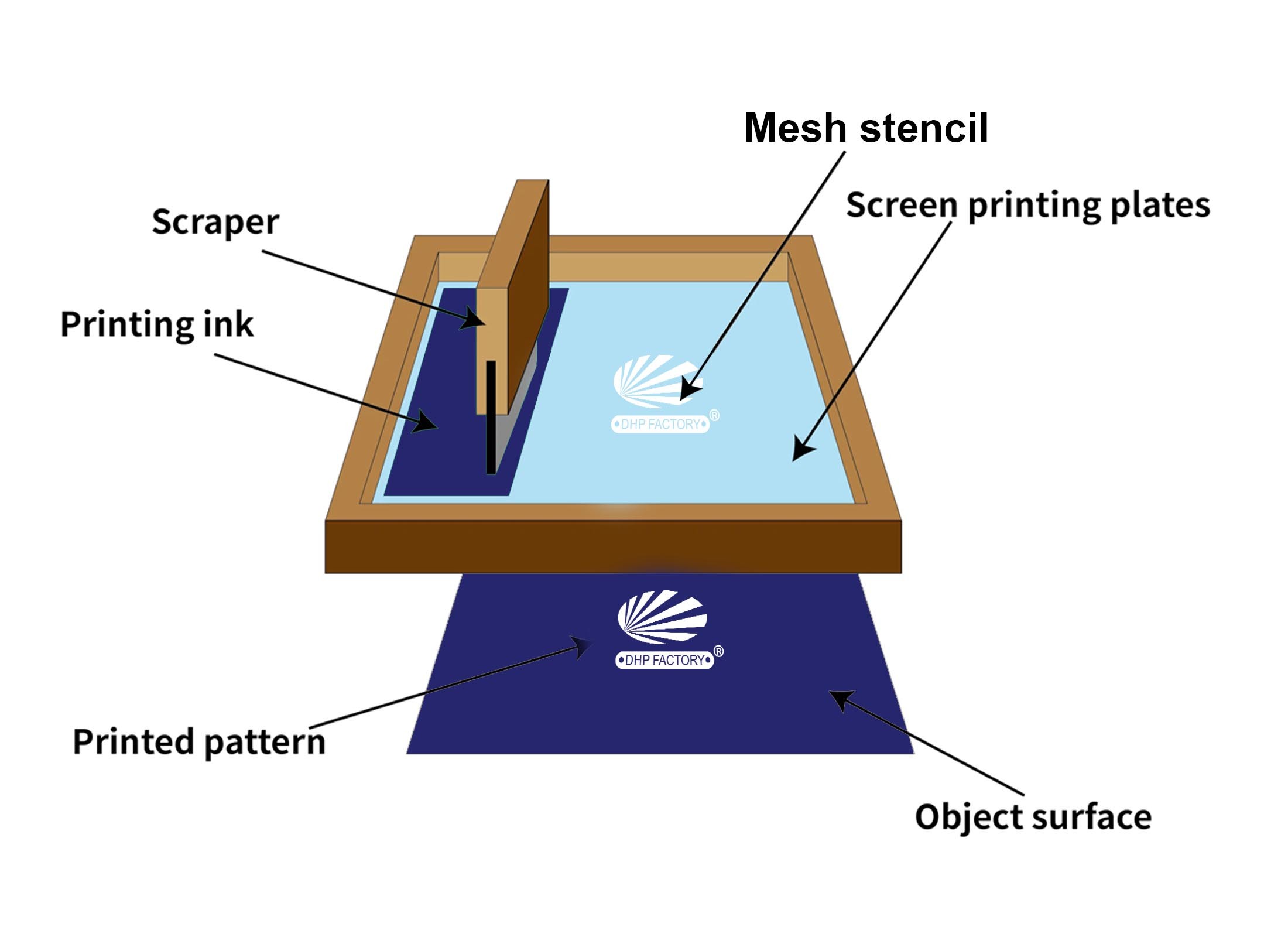
Screen printing is a specialized method of transferring ink through a finely woven mesh onto a surface, such as paper, cardboard, or textured materials. The procedure begins with artwork preparation, followed by creating a stencil on a mesh screen, and then pressing the ink through the mesh onto the substrate using a squeegee. After printing, the ink is dried or cured to ensure long-lasting quality.
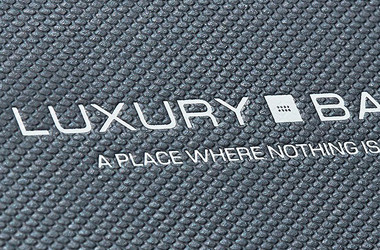
Unlike some other printing methods, screen printing deposits a thicker layer of ink, giving a tactile, dimensional finish. This makes it ideal for screen printed boxes that require vibrant colors, durability, and a premium appearance. Its adaptability allows for printing on specialty and textured papers that conventional offset printing may struggle with.
Screen Printing vs Offset Printing
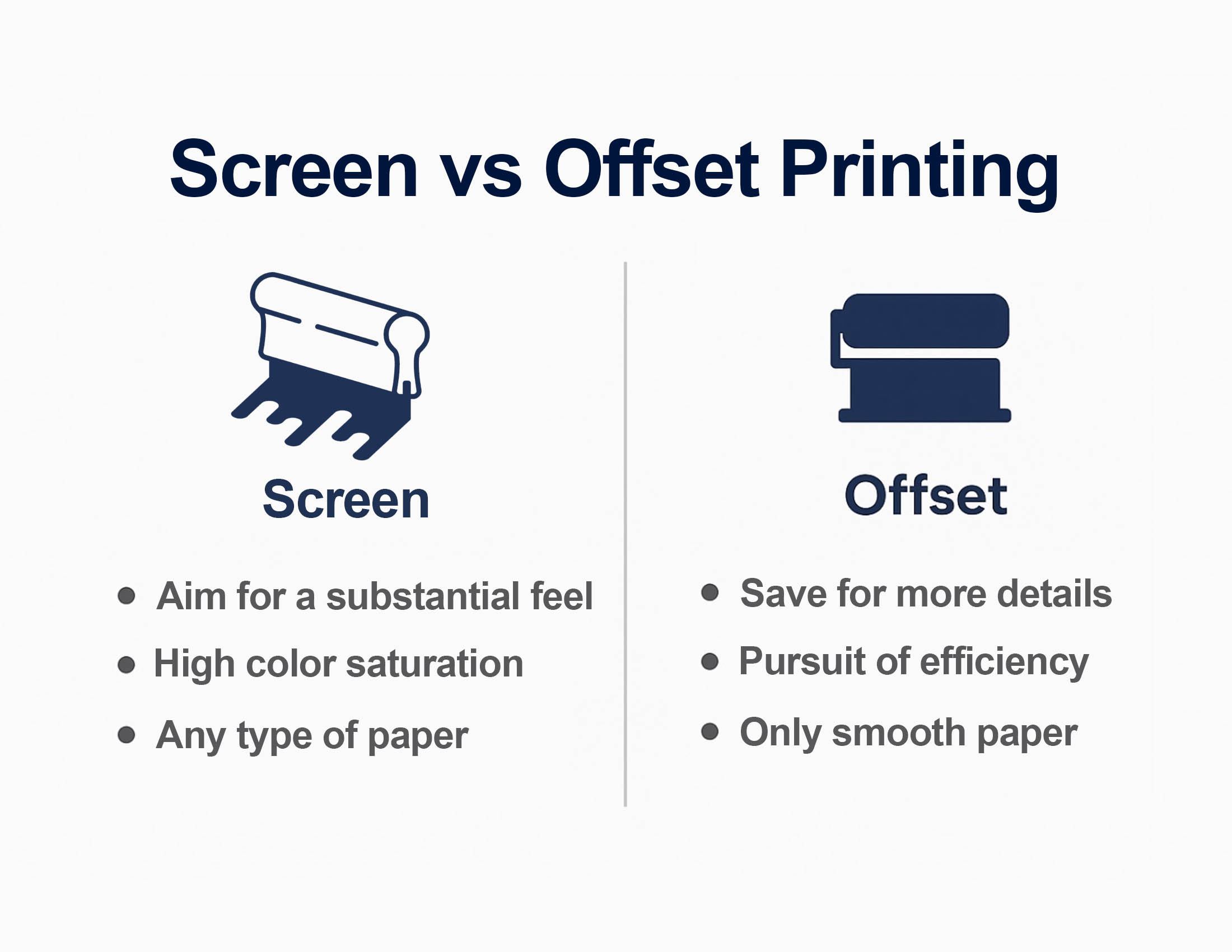
The fundamental distinction between screen printing and offset printing lies in how ink is applied. Offset printing transfers ink from an aluminum plate to a rubber blanket, and finally to the paper. This process forms a very thin and even ink layer, typically 1–2 micrometers, allowing for precise color gradients and fine detail.
In contrast, screen printing lays down much thicker ink layers, often 12–25 microns, which results in bold, prominent visuals but can limit extremely fine detail.
While offset printing is excellent for complex CMYK artwork with subtle shading, screen printing excels for single-color logos or designs requiring tactile depth. By pre-mixing ink or using Pantone colors, brands can achieve vibrant, long-lasting finishes that stand out on custom printed boxes.
Best Materials for Screen Printing Packaging
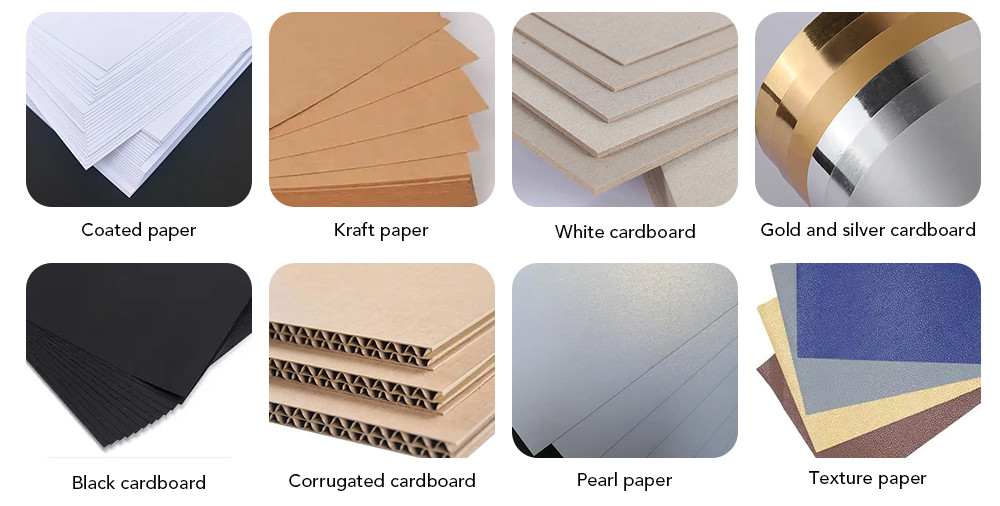
Choosing the right material is crucial for successful screen printing. Coated papers, textured stock, metallic sheets, and certain specialty papers are ideal because they retain the thickness and sharpness of the ink. Uncoated paper tends to absorb ink, which can blur details. UV-curable inks are highly recommended, as they dry instantly without spreading, preserving crisp designs.
DHP Factory offers a wide range of packaging materials suitable for screen printing packaging, including kraft boxes, rigid gift boxes, and premium art paper options. Explore our custom box printing options to see what fits your brand’s vision.
Screen Printing Cost Considerations
Screen printing is generally more resource-intensive than offset printing due to setup time, drying/curing requirements, and ink consumption. UV inks, while faster and more precise, can increase material costs. Despite the higher initial investment, the resulting impact on brand perception and packaging quality often justifies the expenditure, especially for premium products.
For a detailed breakdown of pricing, including bulk production, DHP Factory provides transparent guidance on screen printing packaging cost, ensuring clients make informed decisions for their packaging projects.
Screen Printing Minimum Order Quantity (MOQ)
While screen printing allows flexibility, production efficiency is optimized with certain order volumes. At DHP Factory, the standard MOQ for OEM screen printed packaging is 500 sets. This balance ensures cost-effectiveness while maintaining high-quality results. Custom quantities can be accommodated for special projects or seasonal packaging needs.
Conclusion & Choosing a Supplier
Selecting the right printing method depends on the design, material, and desired effect. Single-color logos and textured materials often benefit from screen printing packaging, whereas offset printing excels for complex, multicolor designs. By partnering with an experienced supplier like DHP Factory, brands gain expert guidance to choose the most effective printing method, ensuring their packaging stands out on the shelf.
Explore our full range of custom printed boxes and screen printing packaging services to start creating packaging that reflects your brand’s quality and style.

