
How to Create Unique Packaging Boxes Using Embossing Techniques
B2B Guide • Luxury Packaging Finishing
How to Create Unique Packaging Boxes Using Embossing Techniques
Embossing adds tactile depth that customers can see and feel. In high-end packaging, it’s one of the fastest ways to make a logo, pattern, or typography look premium—without overloading the design. This EEAT-focused guide explains how embossing works, how to design for it, and how to combine it with other finishes to build truly distinctive packaging.
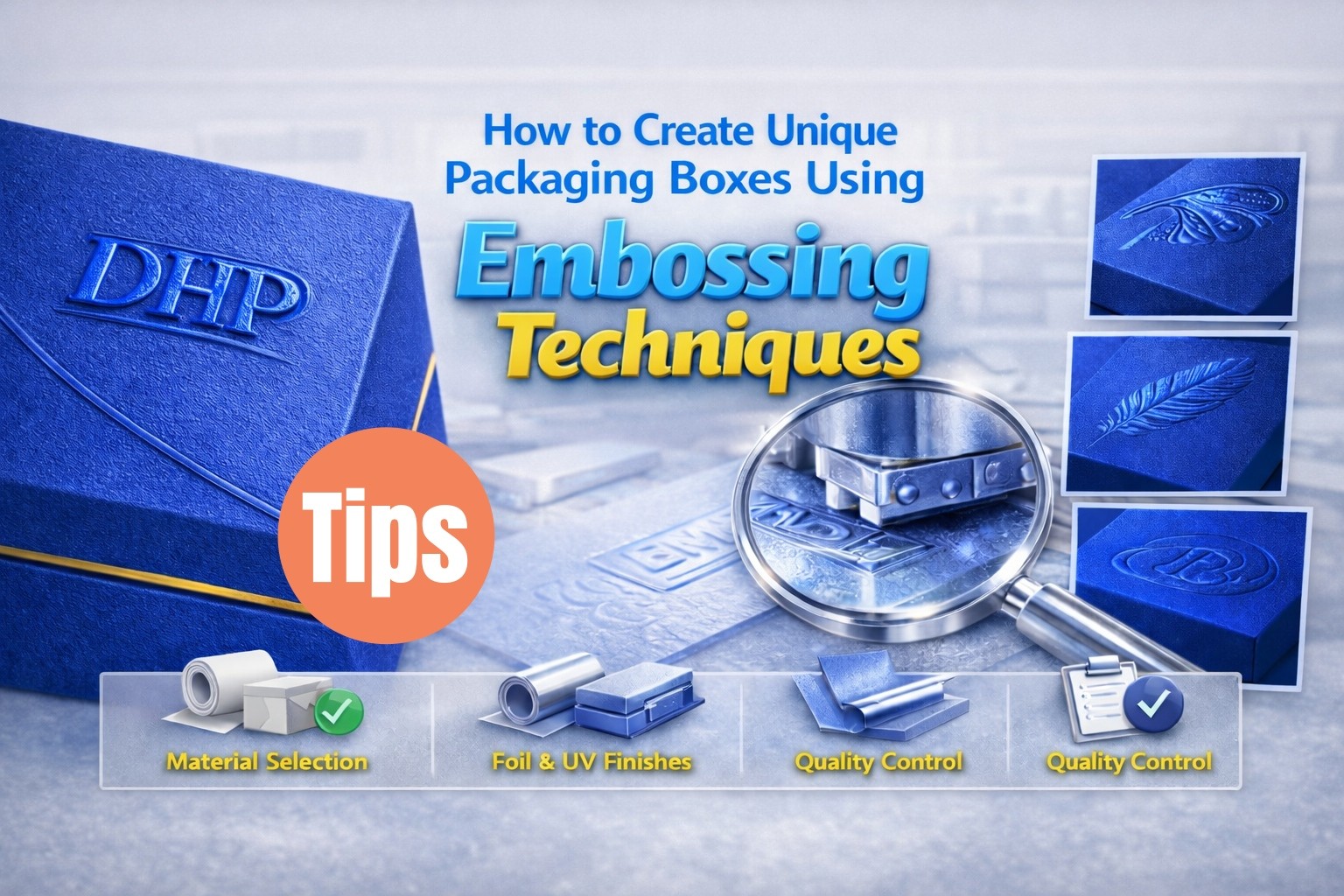
Design it right
How to prepare artwork so embossed details stay crisp and readable.
Select materials
Which paper and structures hold emboss depth without cracking.
Combine finishes
Foil, spot UV, soft-touch, deboss—what works together and why.
Buy with confidence
Sample checklist + RFQ template to reduce revisions and delays.
1) Embossing basics: what it is and what makes it premium
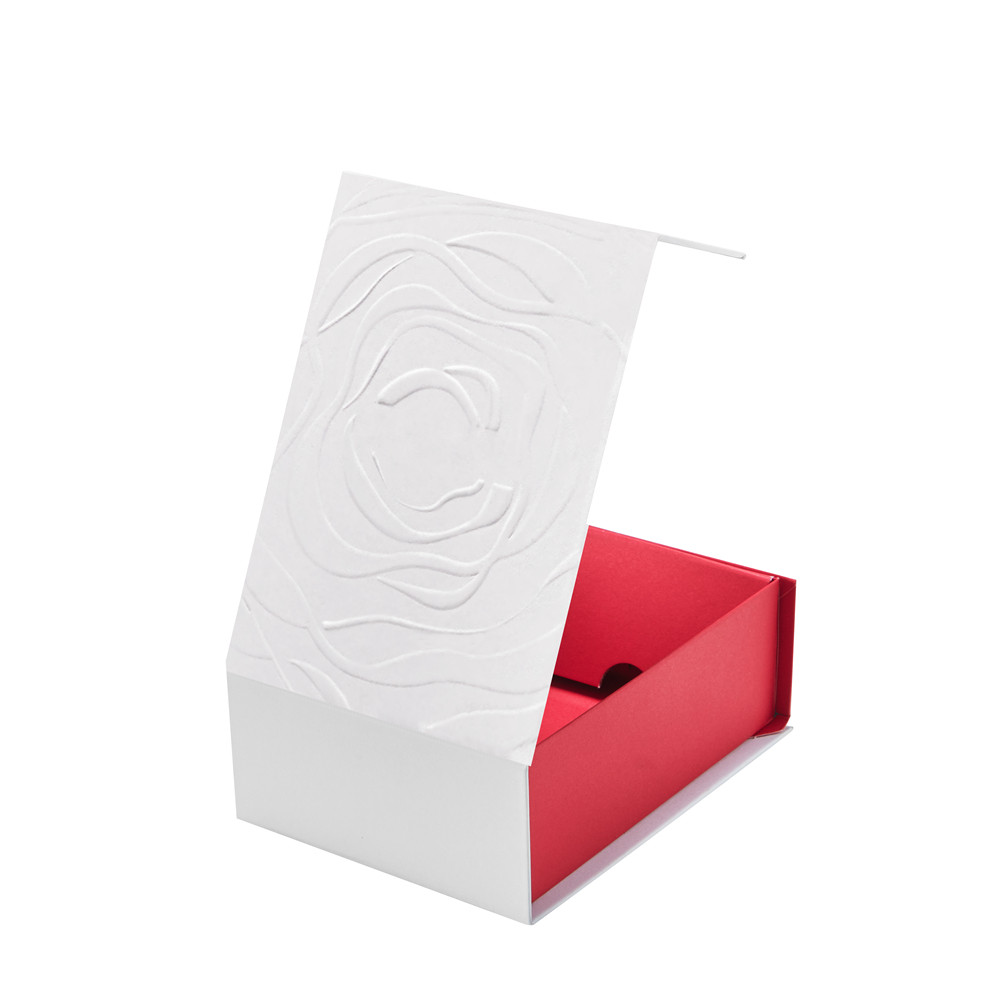
Embossing is a finishing method that uses a matched set of tooling to create raised areas on the surface of a packaging box. Instead of relying only on ink, embossing adds a physical dimension—so your brand mark feels intentional, crafted, and high-value. It’s especially effective on luxury packaging because it communicates quality even before the box is opened.
✓Quick definition for B2B buyers
Embossing = raised detail. Debossing = recessed detail. Both are commonly used on rigid boxes, magnetic gift boxes, and premium folding cartons.
2) What makes embossed packaging “unique” (beyond just a raised logo)
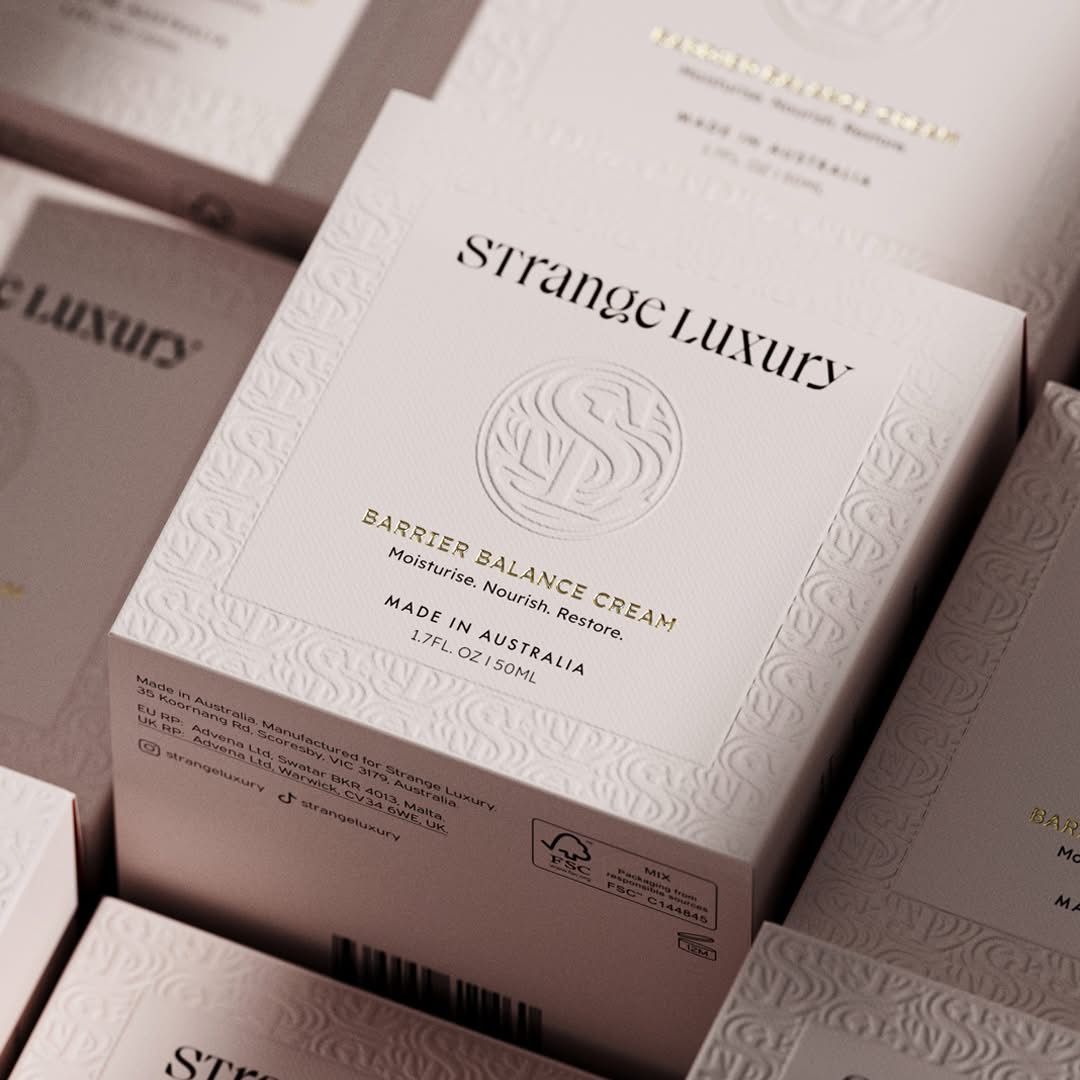
Many brands emboss a logo—then stop there. Unique embossed packaging typically comes from how the emboss integrates with layout, how it interacts with light, and how it’s paired with materials and other finishes. The goal is to create a tactile signature that customers recognize immediately.
| Approach | What it looks/feels like | Best for |
|---|---|---|
| Micro-pattern emboss | Subtle texture that changes under light, premium “touch” feel | Perfume, cosmetics, jewelry, limited editions |
| Layered depth | Two-level emboss (hero logo + shallow background) | Luxury gift boxes with minimalist design |
| Edge/line emboss | Clean raised line frames or borders (architectural look) | Watches, tech accessories, corporate gifting |
| Emboss + negative space | High-end restraint: lots of blank space, detail becomes the focus | Premium brands that want quiet luxury |
✓Practical tip
For premium results, keep your embossed area intentional and give it breathing room. Too many raised elements can make the surface feel busy.
3) Artwork & structural design rules for clean embossing
Great embossing starts before production—at the artwork stage. The most common problems (blurred details, cracking, weak depth) come from artwork that isn’t built for pressure-based finishing.
Artwork rules that prevent failures
- Use strong shapes: solid logos, thicker strokes, and simplified icons emboss more cleanly.
- Avoid ultra-fine lines: very thin details can flatten or fill during pressing.
- Plan readable type: small text may lose sharpness; consider larger sizes or a deboss alternative.
- Separate emboss from heavy ink: dense ink coverage can reduce crispness and increase cracking risk.
Structure considerations
Embossing performs best on stable surfaces—especially rigid box wraps and premium paper wraps. If your project involves complex box shapes, openings, or tight folds, your manufacturer should review dielines and fold positions to avoid placing emboss on stress zones.
If you are planning a luxury rigid structure, start with Custom Packaging Boxes. For brand-led graphics, review Custom Printed Packaging.
4) Materials that emboss well (and what to avoid)
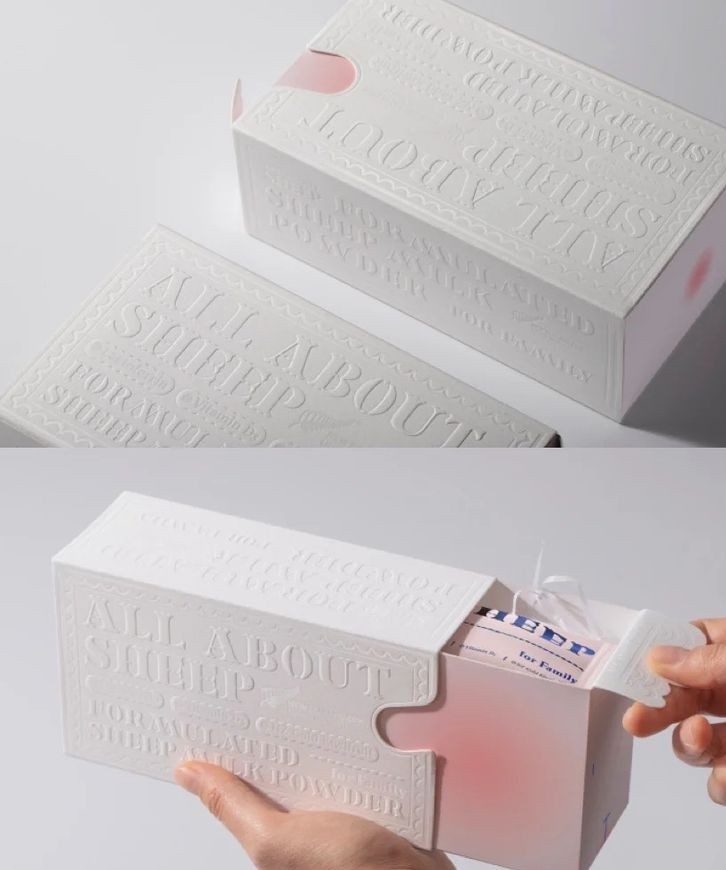
Material choice determines how cleanly the surface holds an embossed shape. Premium packaging typically uses rigid board wrapped with specialty paper, or high-quality paperboard that can handle pressure without cracking.
| Material type | Emboss performance | Notes |
|---|---|---|
| Specialty paper wrap on rigid board | Excellent | Best for luxury feel; texture + depth look premium under soft light. |
| Coated paperboard | Good | Works well for clean logos; verify cracking on deeper emboss. |
| Very thin stocks | Risky | May flatten and lose definition; often better for light deboss or print-only. |
| Heavily laminated with poor adhesion | Risky | Deep emboss may show surface stress; test with real lamination film. |
!What buyers often miss
“Nice on-screen” doesn’t guarantee “nice in-hand.” Always judge embossing on a physical sample using the exact paper and finish.
5) Depth, tolerances, and quality checkpoints
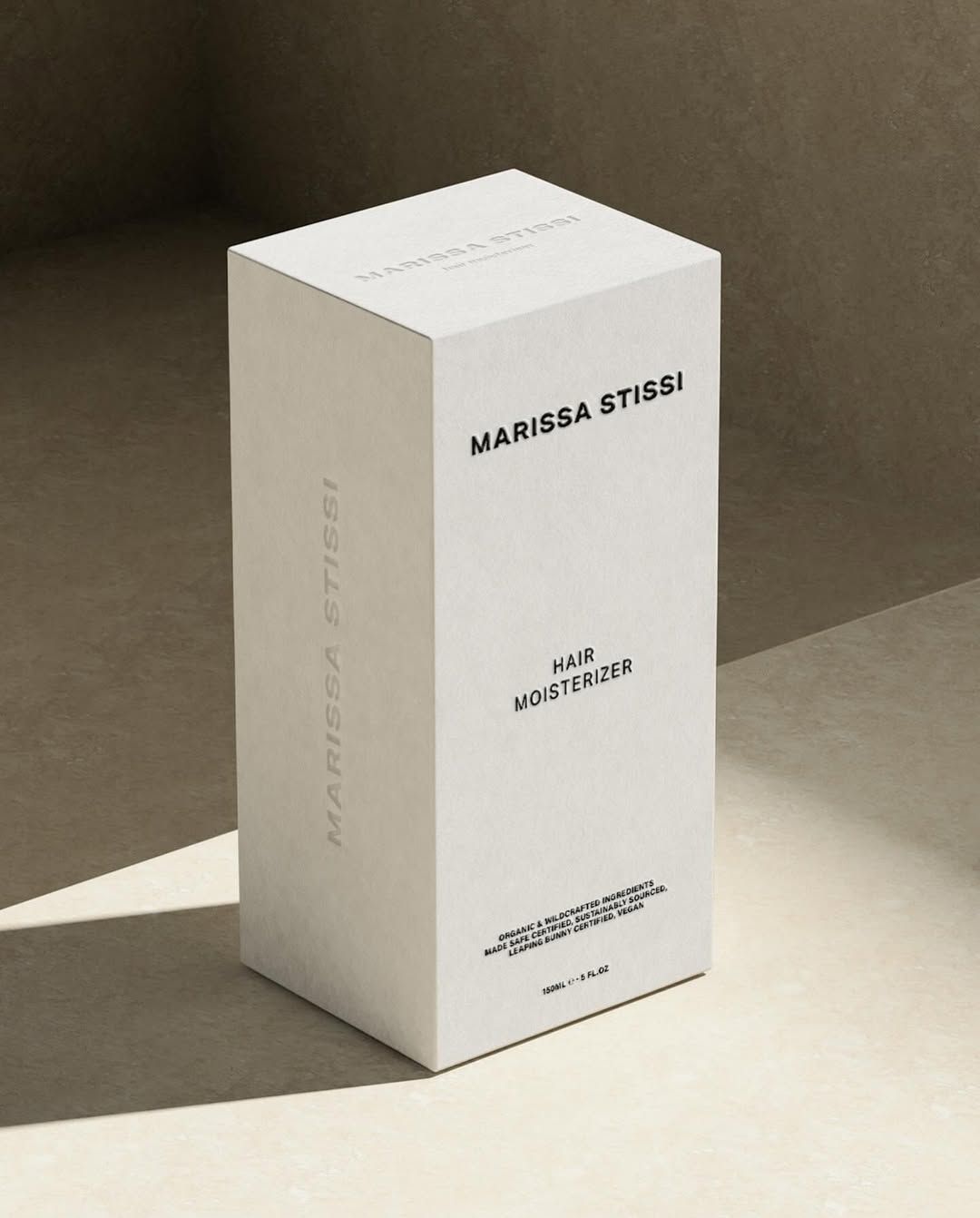
Embossing is a controlled pressure process. To keep results consistent across bulk production, brands should define: depth expectations, registration, and acceptable variation—then verify them during sampling and production QC.
| Checkpoint | What to check | Why it matters |
|---|---|---|
| Sharpness | Edges clean, no “mushy” logo corners | Defines premium look and readability |
| Registration | Emboss aligns with print/foil/UV | Misalignment looks cheap immediately |
| Surface integrity | No cracking, lifting, or white stress marks | Prevents returns and brand damage |
| Consistency | Depth uniform across the batch | Ensures stable brand presentation |
✓Buyer tip
Ask for an approval sample that matches the final paper, wrap, coating, and finishing sequence. Lock those specs before mass production.
6) Best finishing combos: emboss + foil, UV, soft-touch, deboss
Unique packaging usually comes from smart combinations. The right pairing creates contrast in light, texture, and perceived value. Below are the most reliable “premium stacks” for embossing.
Combo A: Emboss + Foil Stamping (classic luxury)
Raise the logo and add metallic foil for instant premium impact. This is one of the strongest options for luxury gifting, spirits packaging, perfume boxes, and jewelry presentation.
Combo B: Emboss + Spot UV (modern contrast)
Use emboss for depth and spot UV for shine. It creates a modern, controlled highlight that looks great on darker colors or minimal designs.
Combo C: Emboss + Soft-Touch (tactile “quiet luxury”)
Soft-touch makes the surface feel velvety, while embossing adds a refined raised signature. Perfect for brands aiming for understated elegance.
Combo D: Emboss + Deboss (layered storytelling)
Combining raised and recessed elements adds dimension without adding extra colors—ideal for patterns, borders, and premium typography.
For a broader view of print-led branding options, visit Custom Printed Packaging. If your project needs a premium rigid structure, explore Custom Packaging Boxes.
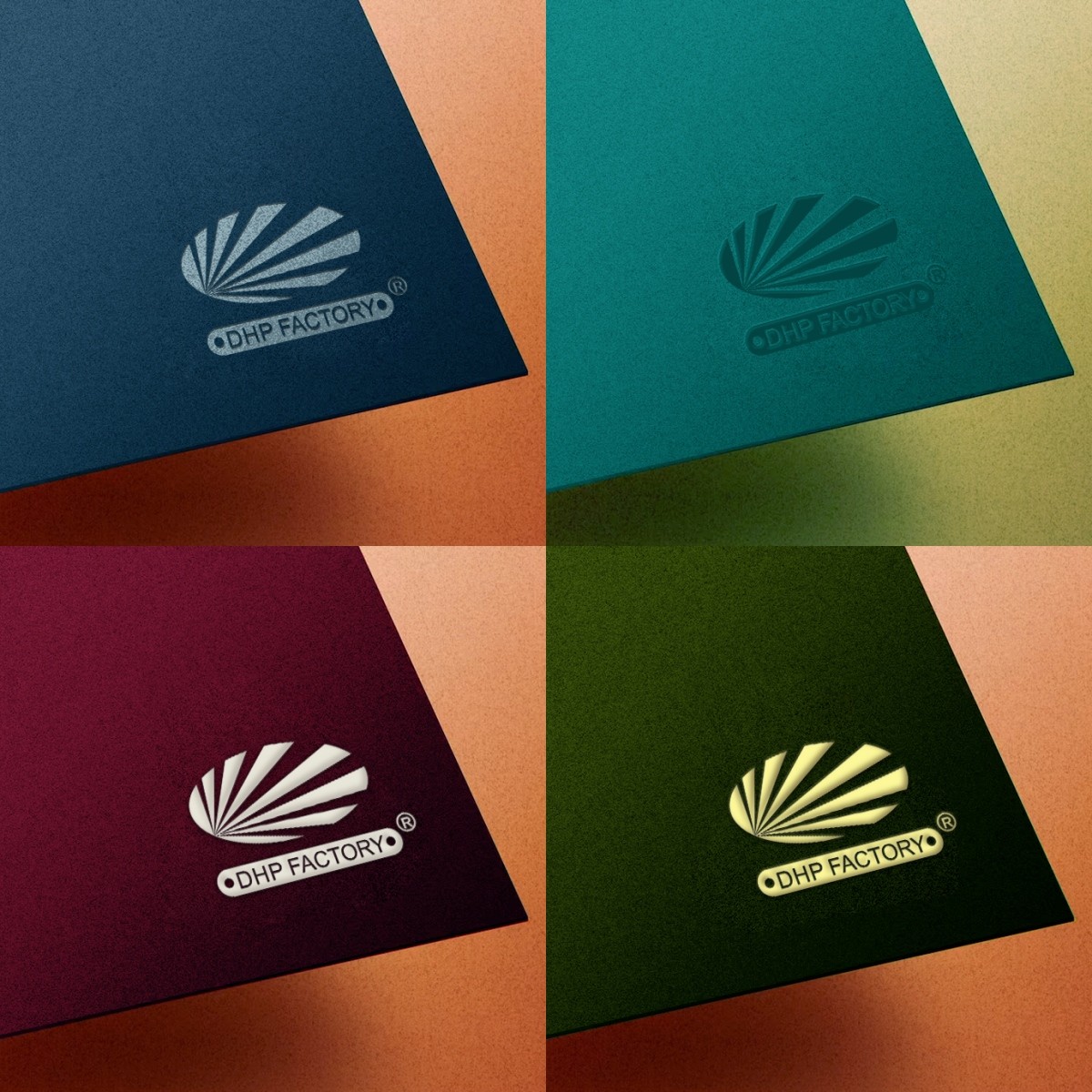
7) Where embossing performs best: product categories & box styles
Embossing is most effective where customers value “touch” and “craft.” It works especially well on rigid packaging formats, premium gift boxes, and luxury presentation sets.
- Perfume and cosmetics packaging
- Jewelry and watch boxes
- Luxury wine and spirits gift boxes
- Premium tech accessories and corporate gifts
- Rigid boxes and wrapped rigid gift boxes
- Magnetic closure boxes
- Drawer boxes
- Luxury folding cartons with controlled depth
✓Practical recommendation
If your packaging must look premium on camera (social content, influencer unboxings), embossing + foil or embossing + spot UV usually performs best.
8) Factory-ready RFQ template (copy/paste)
Use this RFQ template to get accurate pricing and faster sampling. Clear emboss specs reduce revisions and keep bulk output consistent.
Want an embossed packaging concept that feels truly premium?
Share your box size, product type, and preferred finish. DHP Boxes can propose an embossing plan, paper recommendation, and a finishing combination that’s production-safe—then support sampling through mass production.
9) FAQs
Is embossing better than foil stamping for luxury packaging? ⌄
They do different jobs. Embossing creates tactile depth and a premium “feel.” Foil stamping creates high visual contrast and shine. For many luxury brands, the best result is a combination: emboss + foil on the logo, with clean negative space around it.
Can embossing crack the paper or show stress marks? ⌄
It can, especially with deeper embossing, thin stocks, or certain laminations. Avoid placing deep emboss near folds and edges, and always test the exact paper + coating in a physical sample before bulk production.
What’s the best paper for crisp embossing? ⌄
Rigid box wraps with specialty paper often deliver the most premium result. Coated paperboard can also emboss cleanly for logos, but deeper textures and heavier stocks generally hold shape better. Your final choice should match the structure and desired depth.
How do I make embossing look unique instead of generic? ⌄
Use restraint: one signature embossed element with breathing room. Then add contrast with a finish combination (foil, spot UV, soft-touch), or introduce a subtle embossed pattern that reveals itself under light. Unique embossing is usually about composition and material selection.
What should I approve before mass production? ⌄
Approve a pre-production sample that matches the final paper, wrap, coating, emboss depth, and any registered finishes (foil/UV). Also lock the spec sheet so the batch stays consistent.
10) Why DHP Boxes for embossed packaging
Embossing looks simple—but consistent bulk quality requires tooling control, material expertise, and finishing experience. DHP Boxes supports brands with structural recommendations, artwork checks for emboss safety, sampling validation, and scalable production for premium packaging projects.
✓What B2B buyers get with DHP Boxes
- Design support to keep embossed details crisp and readable
- Material recommendations to reduce cracking and stress marks
- Finish combinations that create high-end “feel” and camera-friendly impact
- Quality checkpoints for alignment, sharpness, and consistent depth
Start with Custom Packaging Boxes, browse Custom Printed Packaging, or send requirements via Contact.
