
How We Handle Quality Control: AQL 1.5 vs AQL 4.0 in Custom Packaging
A professional insight into packaging inspection standards, defect control, and how leading manufacturers ensure consistent quality.
Table of Contents
- 1. What is AQL in Packaging Quality Control?
- 2. Understanding Defect Classification
- 3. AQL 1.5 vs AQL 4.0: Key Differences
- 4. How We Apply AQL in Custom Packaging
- 5. When to Choose AQL 1.5 or AQL 4.0
- 6. Our Advanced Quality Control System
- Conclusion
What is AQL in Packaging Quality Control?
Acceptable Quality Limit (AQL) is a globally recognized inspection standard derived from ISO 2859-1. It defines the maximum allowable defect rate in a production batch before the entire lot is rejected. Instead of checking every unit, manufacturers rely on statistical sampling to evaluate overall quality performance.
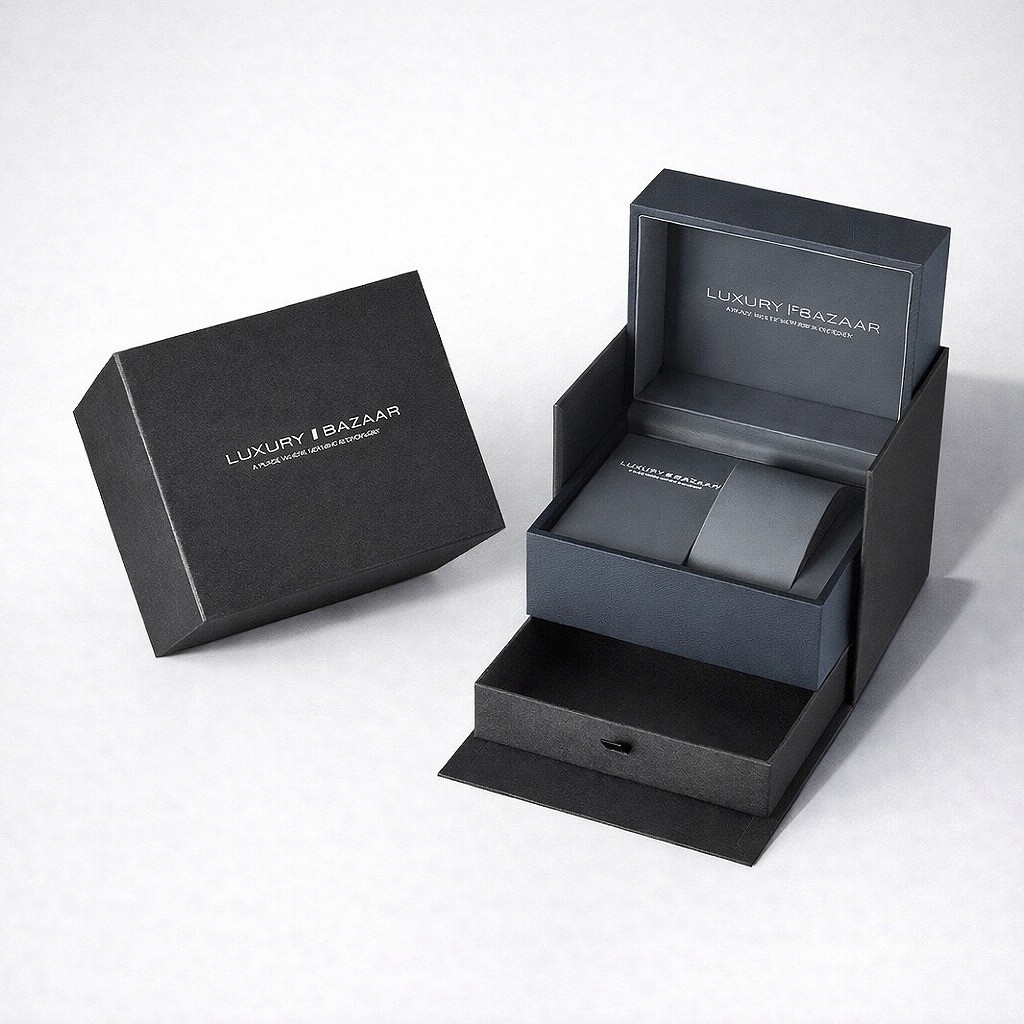
In the packaging industry, especially for custom paper boxes, AQL ensures a balance between production efficiency and product reliability. Whether dealing with rigid gift boxes or folding cartons with premium finishes like gold foil stamping, applying the correct AQL level directly impacts customer satisfaction and brand perception.

Understanding Defect Classification
Before comparing AQL levels, it is essential to understand how defects are categorized. Industry standards divide defects into three types:
- Critical defects: Safety or compliance issues (zero tolerance)
- Major defects: Functional or structural problems
- Minor defects: Cosmetic imperfections such as slight scratches or color variation
A common inspection baseline in manufacturing is 0 / 2.5 / 4.0 for critical, major, and minor defects respectively.
AQL 1.5 vs AQL 4.0: Key Differences
The distinction between AQL 1.5 and AQL 4.0 lies in how strictly defects are controlled during inspection:
| Criteria | AQL 1.5 | AQL 4.0 |
|---|---|---|
| Quality Level | Strict | More Tolerant |
| Defect Allowance | Low defect tolerance | Higher defect allowance |
| Application | Premium packaging | Mass production packaging |
| Risk Level | Low | Moderate to High |
Statistically, lower AQL values result in fewer acceptable defects and higher rejection rates, while higher values allow more minor imperfections to pass inspection.
How We Apply AQL in Custom Packaging
At DHP factory, we integrate AQL standards into a multi-stage quality control system tailored for custom packaging projects. Our process goes beyond standard sampling:
- Incoming material inspection (paper, coating, foil)
- In-line production monitoring
- Final random sampling based on AQL standards
For high-end packaging such as rigid boxes or luxury gift packaging, we often recommend tighter AQL thresholds (e.g., 1.5) to ensure visual perfection and structural consistency.
Customers can also explore our custom packaging solutions to see how quality standards are applied across different product types.
When to Choose AQL 1.5 or AQL 4.0
AQL 1.5 is ideal for:
- Luxury packaging and branded gift boxes
- Retail-ready products with strict visual requirements
- Packaging with premium finishes like embossing or foil stamping
AQL 4.0 is suitable for:
- Promotional packaging
- High-volume e-commerce shipments
- Cost-sensitive projects with minor cosmetic tolerance
Choosing the correct AQL is not about “better or worse” — it is a strategic decision balancing cost, risk, and brand expectations.
Our Advanced Quality Control System
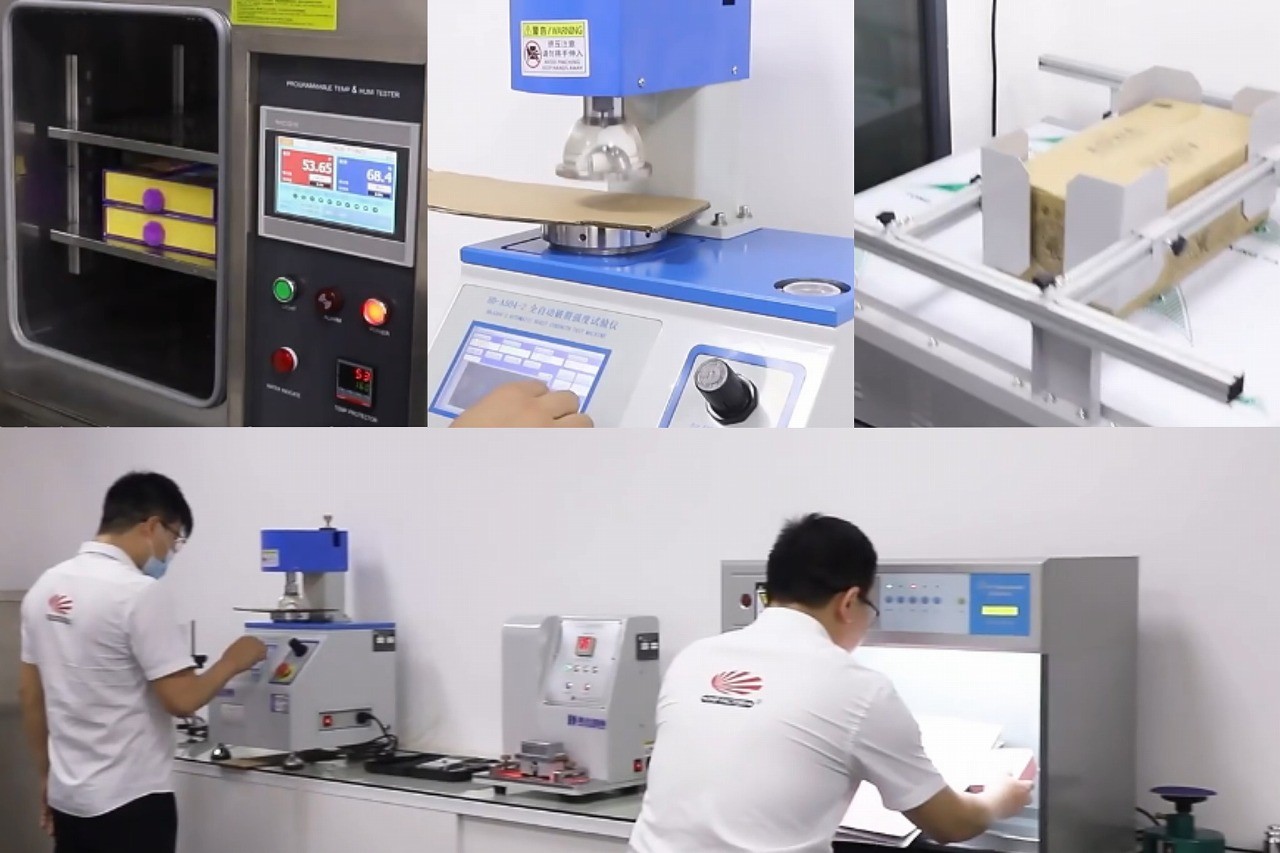
Unlike standard manufacturers, our approach does not stop at sampling inspection. Every order undergoes full inspection internally, followed by an additional verification step:
- 100% full inspection during production
- Secondary random inspection conducted by dedicated account managers
- Higher-than-industry acceptance criteria applied before shipment
This dual-layer system significantly reduces defect risks and ensures consistency across batches. It is particularly critical for clients who demand precision in printing, structure, and finishing details.
For more details, visit our quality control page.

Conclusion
Understanding the difference between AQL 1.5 and AQL 4.0 is essential when sourcing custom packaging. While AQL 1.5 offers tighter control and premium quality assurance, AQL 4.0 provides flexibility for large-scale production with acceptable cosmetic variance.
At DHP factory, we combine industry-standard AQL methodologies with enhanced internal inspection protocols to deliver packaging solutions that align with your brand’s positioning and quality expectations.
