
Common Mistakes When Designing Custom Packaging Boxes from a Rigid Box Manufacturer
Packaging design tips are essential for brands that want to create effective, protective, and visually appealing custom packaging boxes. However, many businesses make critical mistakes during the packaging design process, especially when working with rigid boxes. As a rigid box manufacturer with years of production experience, we have seen many common packaging design problems that lead to increased costs, production delays, or packaging that does not properly fit the product. In this article, we will explain the most common mistakes when designing custom packaging boxes and how to avoid them.
1. Poor Logo Placement and Branding Visibility
2. Ignoring Box Structure and Dieline, Bleed, Safe Area
3. Using RGB Instead of CMYK for Printing
4. Not Converting Fonts to Outlines
5. Putting Foil Stamping and UV on the Same Layer
6. Overcomplicated Packaging Design
7. Choosing the Wrong Packaging Material
8. Not Making a Prototype Before Mass Production
9. Not Considering Assembly and Production Process
10. Ignoring Shipping and Logistics Costs
1. Poor Logo Placement and Branding Visibility
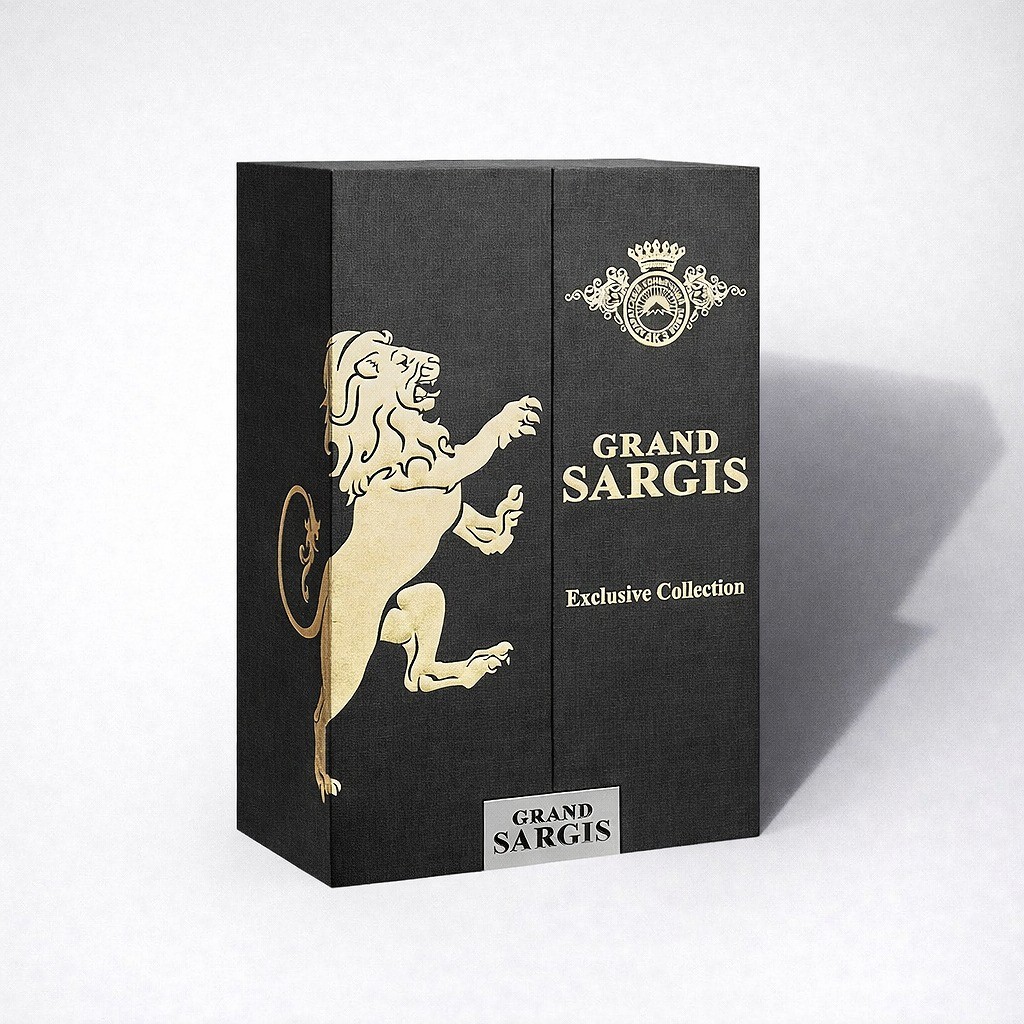
One of the most common packaging design mistakes is poor logo placement. Some packaging designs look attractive but fail to clearly display the brand identity. If the logo is too small, placed on the side, or hidden by special finishes like foil stamping or UV coating, the packaging loses its branding value.
Rigid boxes are often used for luxury packaging, gift packaging, and premium product packaging, so branding visibility is extremely important. The logo should normally be placed in the center of the lid or the most visible surface of the box. Proper logo placement improves brand recognition and makes the packaging look more professional and premium.
2. Ignoring Box Structure and Dieline, Bleed, Safe Area
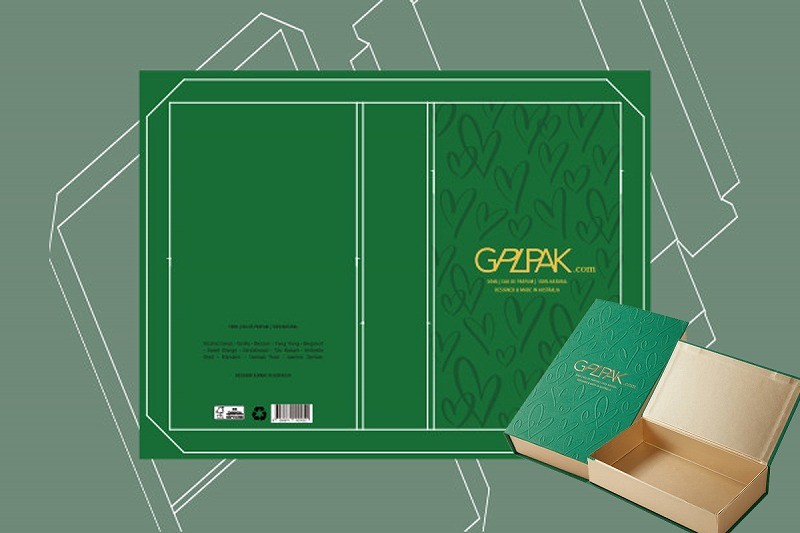
Another major mistake in custom packaging design is ignoring the box structure and dieline. Packaging artwork must always be designed based on the dieline provided by the manufacturer. The dieline shows fold lines, cut lines, glue areas, bleed areas, and safe zones.
If designers do not follow the dieline correctly, problems such as misaligned artwork, text being cut off, or images folding into edges may occur. Always keep important text and logos within the safe area and extend background colors into the bleed area to avoid white edges after cutting.
Working closely with a professional rigid box manufacturer during the design stage can prevent many of these structural and layout problems.
3. Using RGB Instead of CMYK for Printing
Many designers create packaging artwork in RGB color mode, which is intended for digital screens. However, printing uses CMYK color mode. If RGB files are sent directly to production, the printed colors may look very different from what appears on the screen.
To avoid color differences, packaging artwork should always be converted to CMYK before sending files to the manufacturer. This is especially important for dark colors, brand colors, and luxury packaging where color accuracy is critical.
4. Not Converting Fonts to Outlines
Another common mistake when preparing packaging artwork is not converting text into outlines before sending the design files to the manufacturer. If the fonts are not outlined, the manufacturer may not have the same fonts installed on their system, which can cause font replacement, text layout changes, or printing errors.
To avoid this problem, all text in the artwork file should be converted into outlines or curves before submitting the final design files. This ensures that the text appearance will remain exactly the same during printing and production. This step is very important for logo text, product information, and brand names on custom packaging boxes.
Always send vector files such as AI or PDF with outlined fonts to ensure accurate printing results and smooth production.
5. Putting Foil Stamping and UV on the Same Layer
Special finishes such as foil stamping, spot UV, embossing, and debossing require separate artwork layers. A common mistake is placing all special effects in the same layer, which makes it difficult for the manufacturer to separate production files.
Each finishing process should be prepared as an individual vector layer with clear labeling. This allows the manufacturer to create the correct printing plates and finishing molds. Proper file preparation improves production efficiency and reduces errors.

6. Overcomplicated Packaging Design
Some packaging designs include too many colors, too many printing techniques, and too many design elements. Overcomplicated packaging not only increases production cost but can also make the packaging look cluttered instead of premium.
In many cases, simple packaging with high-quality materials, clean layout, and one or two finishing effects looks more luxurious than overly complex designs. Minimalist packaging design is currently a popular trend in rigid box packaging.
7. Choosing the Wrong Packaging Material
Material selection is extremely important for rigid box packaging. Different products require different greyboard thickness, paper types, and insert materials. Choosing the wrong material may result in packaging that is too weak, too heavy, or too expensive.
Common rigid box materials include greyboard, art paper, specialty paper, textured paper, PU leather paper, and fabric wrapping. Inserts can be made from foam, EVA, cardboard, or molded pulp. The correct material should balance protection, appearance, and cost.
If you are not sure which material to choose, it is always recommended to consult an experienced manufacturer who can recommend suitable materials based on your product and budget.
8. Not Making a Prototype Before Mass Production
Skipping the prototype stage is a serious mistake. A sample box allows you to check size, structure, color, logo position, insert fitting, and overall packaging quality before mass production begins.
Without a prototype, any mistake discovered after mass production may result in large financial losses. A prototype helps ensure the packaging fits the product perfectly and meets branding expectations.
9. Not Considering Assembly and Production Process
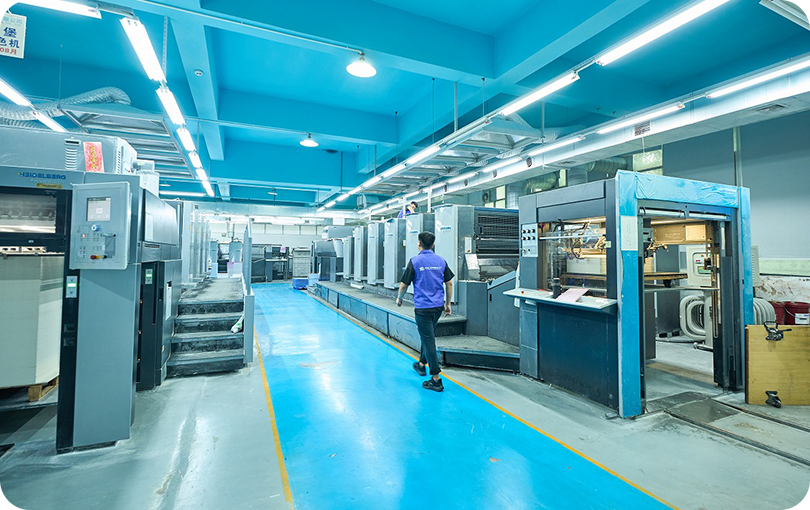
Some packaging structures look good in design but are difficult to assemble during production. Complex structures may increase labor time, production cost, and lead time.
For example, magnetic rigid boxes, ribbon boxes, drawer boxes, and foldable rigid boxes all have different production processes. Packaging should be designed in a way that is efficient for manufacturing while maintaining a premium appearance.
10. Ignoring Shipping and Logistics Costs
Rigid boxes are strong and luxurious, but they are also heavier and take up more space than folding cartons. If shipping and carton packing are not considered during the design stage, logistics costs may become very high, especially for international shipping.
Sometimes small structural adjustments or using foldable rigid boxes can significantly reduce shipping costs. Packaging design should always consider transportation, storage, and carton packing efficiency.
Conclusion
Designing custom packaging boxes is not only about making the packaging look attractive. It also involves structure design, material selection, printing preparation, production process, and logistics planning. Avoiding these common packaging design mistakes can save time, reduce costs, and ensure the final packaging looks professional and protects the product properly.
Working with an experienced rigid box manufacturer during the early design stage can help prevent most of these problems and make the packaging development process much smoother.
Choose a Reliable Rigid Box Manufacturer
Choosing the right packaging partner is very important for successful packaging projects. An experienced manufacturer can help with dieline design, material selection, prototype development, printing process advice, and cost control.
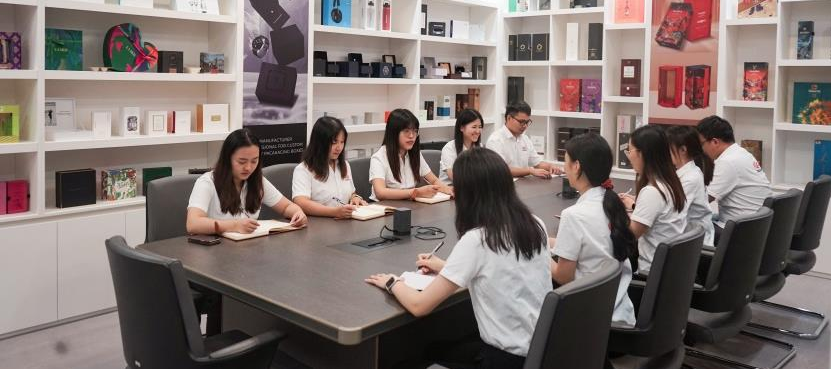
DHP Factory is one of the experienced rigid box manufacturers specializing in custom rigid boxes, luxury packaging boxes, magnetic boxes, drawer boxes, and gift boxes. Our team supports customers from packaging design to mass production, ensuring high quality packaging and efficient production.
If you are planning a custom packaging project, working with a professional rigid box manufacturer will help you avoid common mistakes and create packaging that truly represents your brand.
